Latvian Defense Minister Resigns After Drone Incident Highlighting Security Gaps
Latvia’s defense chief steps down following unauthorized drone incursions linked to Ukraine, raising concerns over airspace security and technological oversight.
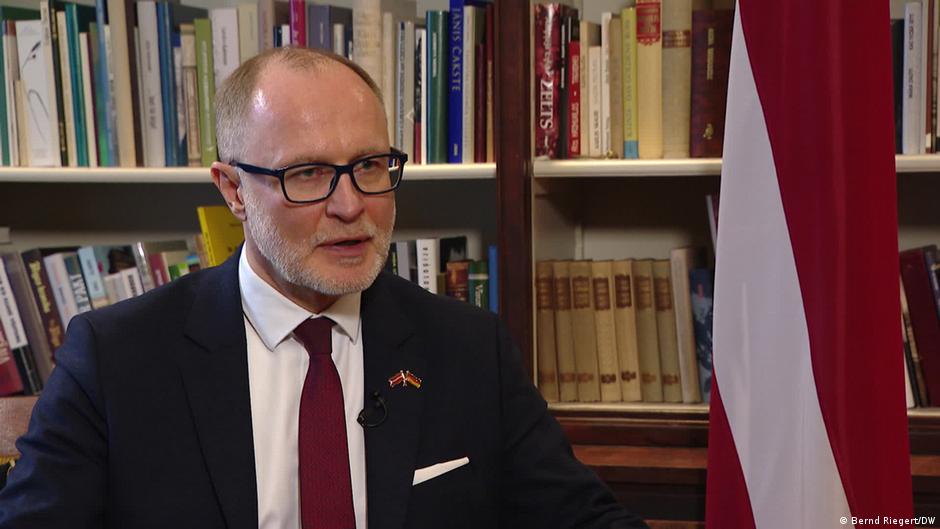
Latvian Defense Minister Andris Spruds resigned after a recent incident involving two drones that violated Latvia's airspace. The drones, reportedly launched by Ukraine targeting Russian facilities, accidentally entered Latvian territory, sparking political and security repercussions.
The event has highlighted critical vulnerabilities in Latvia's aerial defense and the challenges posed by increasingly sophisticated drone technologies in the context of regional conflicts. The drones intruded from the border with Russia, with one crashing near an oil refinery in the city of Rēzekne.
Political Fallout and Security Implications
Prime Minister Evika Siliņa expressed her loss of confidence in Minister Spruds, demanding his resignation. She criticized the military leadership’s failure to secure national airspace, emphasizing that the recent drone incursions demonstrate an inability to uphold the promise of a "safe sky" for Latvia.
"I have decided to resign to protect the Latvian army from becoming involved in a political campaign," Spruds stated, underlining that unauthorized drones should never threaten public safety.
Spruds explained that the drones were likely launched by Ukraine aiming at Russian military and energy infrastructure, and acknowledged Ukraine’s right to self-defense amid ongoing hostilities sparked by the Russian invasion. The investigations into the incident remain ongoing.
This incident is part of a broader pattern where Ukrainian unmanned aerial vehicles (UAVs) have previously breached airspace of Finland and other Baltic states while conducting strikes against Russian targets. Such events raise questions about cross-border drone navigation, airspace monitoring, and the cybersecurity measures protecting critical infrastructure.
Fintech and Digital Economy Implications
The incident underscores growing challenges for countries in managing the cybersecurity risks associated with emerging drone and unmanned systems technologies. As drone usage escalates in conflict zones and civilian contexts, national security frameworks must evolve to incorporate digital tracking, real-time threat detection, and blockchain-based authentication systems to prevent unauthorized incursions.
For the fintech sector, this highlights an increasing demand for digital security solutions that can safeguard critical infrastructure and financial institutions from drone-enabled cyber or physical attacks. Financial markets could also react to geopolitical instability caused by such technological vulnerabilities, influencing tech stock valuations and investment flows.
Furthermore, the incident sparks interest in the development and deployment of advanced digital banking security protocols and payment systems resilient to disruptions caused by drone-related incidents or broader hybrid warfare strategies.
Regional defense officials like Estonia’s Defense Minister Hanno Pevkur have called for more effective Ukrainian drone control, reflecting a shared concern about the digital and physical security implications of UAV proliferation.
In summary, the resignation of Latvia’s Defense Minister following the drone incursions not only reveals gaps in national defense capabilities but also serves as a stark reminder of the intersection between emerging digital technologies, cybersecurity, and geopolitical risk—elements that are increasingly critical for fintech and digital economy stakeholders.