Russia Permits People Without Limbs to Operate Public Transport Vehicles
New regulations enable individuals with limb disabilities to drive buses and trucks, reflecting advances in automation and inclusivity in the transport sector.
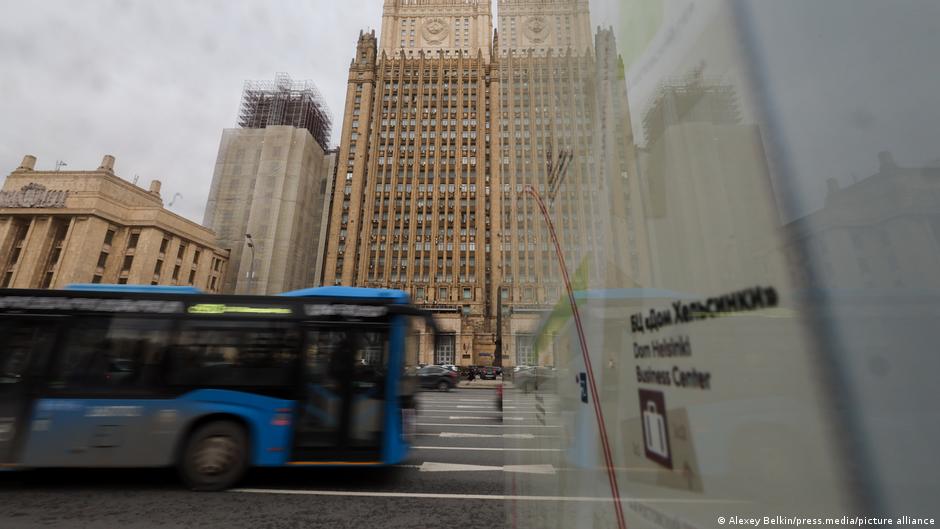
In a landmark move towards inclusivity and leveraging technological advancements in vehicle automation, Russia has updated its regulations to allow individuals without upper or lower limbs to operate public transport and freight vehicles. This significant policy change, announced on August 21, highlights the evolving landscape of driver eligibility amid increased automation and the need to support veterans returning from conflict.
Regulatory Changes and Their Context
Prime Minister Mikhail Mishustin approved amendments to the list of medical restrictions that previously barred people with certain physical disabilities from driving buses, trams, trolleybuses, and trucks. The revised rules now permit people with severe deformities of the hand or foot, absence of fingers or their phalanges, and even those missing entire upper or lower limbs to operate these vehicles, provided the remaining functions allow safe control. The only absolute prohibitions remain for those lacking both limbs or hands or having deformities that severely hinder hand movement.
This decision follows a request made on August 10 by Alexey Tsydenov, the head of Buryatia, during a State Council meeting on public transport development, which was attended by President Vladimir Putin. Tsydenov emphasized that modern vehicle automation enables war veterans with certain disabilities to safely operate buses, addressing concerns about their employment opportunities.
"The current level of automation in vehicle control allows participants in the Ukraine conflict with specific physical impairments to work as bus drivers," stated Tsydenov during the session.
Implications for Veterans and the Transport Industry
President Putin has also highlighted the importance of preparing for the reintegration of veterans from the special military operation (SVO), many of whom will return with "healthy ambitions" despite physical injuries. This regulatory update aligns with his call to facilitate employment opportunities for these individuals, ensuring they can contribute meaningfully to the economy.
From a fintech and digital economy perspective, this move underscores the growing impact of automation and assistive technologies in traditionally manual industries such as public transportation. Vehicles equipped with automated driving aids, enhanced safety systems, and digital control interfaces are increasingly enabling broader participation, including by those previously excluded due to physical limitations.
Moreover, the shift could stimulate demand for advanced digital systems in transport fleets, such as remote monitoring, cybersecurity solutions to protect connected vehicles, and integration with digital payments and logistics platforms. This adoption fosters a more inclusive labor market while accelerating the modernization of Russia's public transport infrastructure.
As Russia continues to invest in digital transformation, such regulatory adaptations may also influence tech stocks related to vehicle automation, cybersecurity, and digital transport services, highlighting a convergence between social policy and technological innovation.