Russia Plans Temporary Export Restrictions on Diesel and Jet Fuel Amid Refinery Disruptions
Russian government considers 1-2 month limits on diesel and aviation kerosene exports due to fuel market instability and refinery attacks.
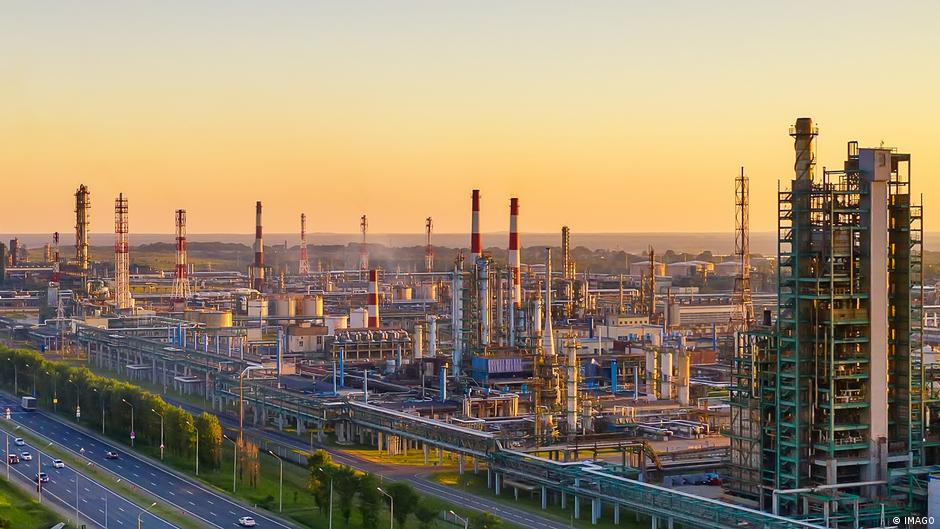
The Russian government is contemplating temporary export restrictions on diesel fuel and aviation kerosene to stabilize the domestic fuel market amid operational challenges at major refineries.
Fuel Market Pressures Prompt Export Controls
On May 26, Russian Deputy Prime Minister Alexander Novak convened a meeting to assess the current fuel market situation. According to sources, the Ministry of Economic Development is expected to finalize a ban on exporting diesel and jet fuel for a period ranging from one to two months.
"Continuous monitoring of the situation is necessary to coordinate actions among federal agencies and industry players, and to devise additional responsive measures if needed," Novak emphasized during the meeting.
Following the discussions, oil companies were advised to limit their exports of petroleum products. Since April 1, a complete ban on gasoline exports has been in force until July 31.
Restrictions on diesel exports have been intermittently imposed since September 2023 to support internal supply. The contemplated embargo on aviation kerosene exports marks a first in Russia’s recent fuel export policies.
Refinery Attacks Impact Fuel Production Capacity
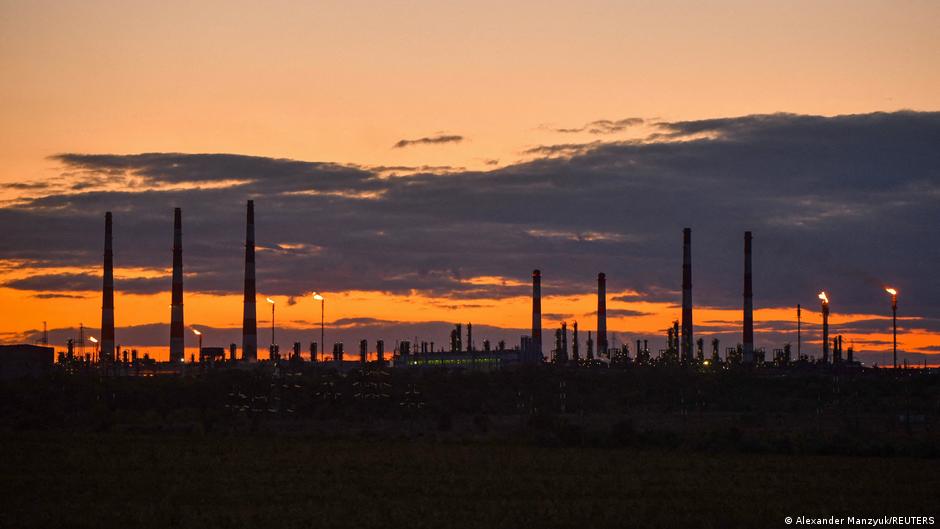
Industry sources and official data reveal that nearly all large oil refineries in central Russia have had to halt or reduce fuel production following a series of Ukrainian drone attacks in recent weeks.
"The combined capacity of refineries fully or partially suspended exceeds 83 million tons annually, or about 238,000 tons daily," industry insiders reported. This amount represents roughly a quarter of Russia's total refining capacity and accounts for over 30% of gasoline and around 25% of diesel output.
While there were no drone attacks on Russian oil refineries during the first year of the Ukraine conflict, their frequency has escalated notably: four attacks in 2023, thirty-four in 2024, and eighty-eight projected in 2025. In the first five months of 2026 alone, Ukrainian drones struck Russian refineries 33 times, surpassing the previous year's rate for the same period.
One of Russia's largest refineries, Lukoil-Nizhny Novgorodnefteorgsintez (NORSI) in Kstovo, Nizhny Novgorod region, reportedly shut down more than half of its capacity following a drone assault on May 20.
Implications for Fintech, Digital Economy, and Markets
These developments could have significant repercussions for Russia’s digital payments and fintech sectors. As fuel supply uncertainties grow and export controls tighten, energy prices may become more volatile, potentially influencing transaction volumes, digital banking activities, and investment flows in energy-linked tech stocks.
Cybersecurity risks are also on the rise. The increasing use of drone strikes underscores the evolving nature of hybrid warfare, adding complexity to the protection of critical infrastructure and raising concerns about safeguarding digital payment systems and related financial networks.
Furthermore, restricted fuel exports may pressure domestic logistics and transportation sectors, incentivizing accelerated adoption of digital solutions and contactless payment technologies within supply chains.
Continuous monitoring of these geopolitical and market shifts will be crucial for fintech innovators, investors, and policymakers navigating the intertwined landscape of energy security and digital economy growth in Russia.