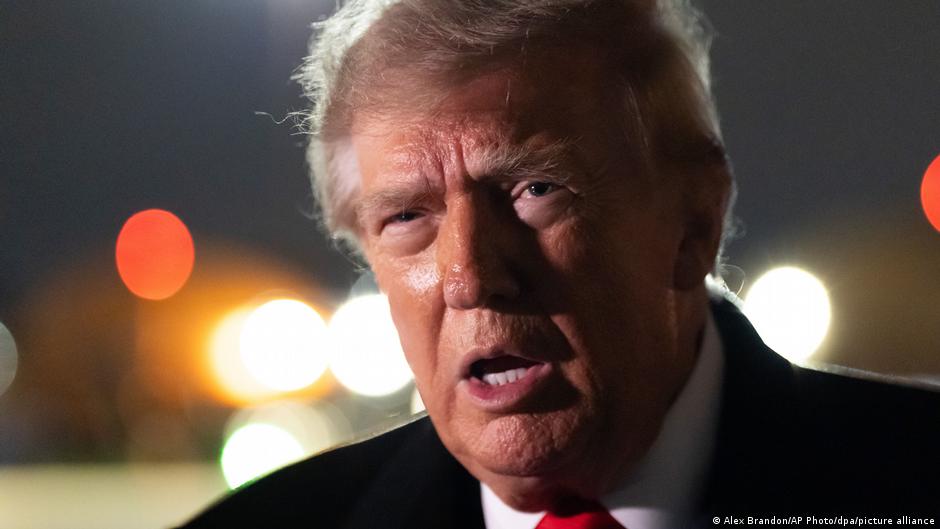
Trump Delays Russia Sanctions, Citing Ukraine Talks and Iran
Trump postponed sweeping Russia sanctions, leaving payment firms, crypto platforms and tech investors exposed to uncertainty over energy trade and compliance.

Trump postponed sweeping Russia sanctions, leaving payment firms, crypto platforms and tech investors exposed to uncertainty over energy trade and compliance.

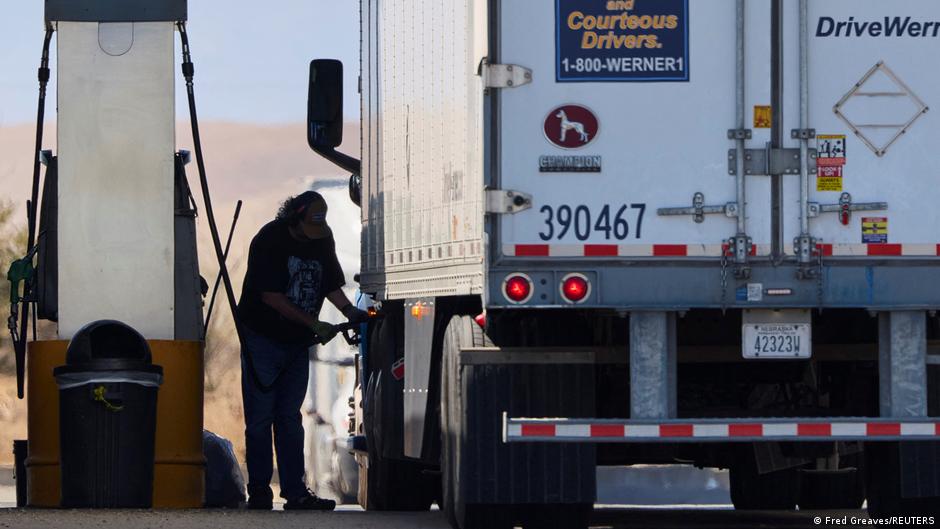
A bipartisan Senate group warns Trump’s Russian diesel deal could fund Moscow’s war while offering little relief to U.S. fuel consumers.

Reported U.S. pressure on Ukraine over refinery strikes raises questions for energy markets, payments compliance, crypto risk and tech stocks.

A bipartisan House bill would seek to ban Russian oil purchases, raising compliance questions for payments, banking and digital finance firms.

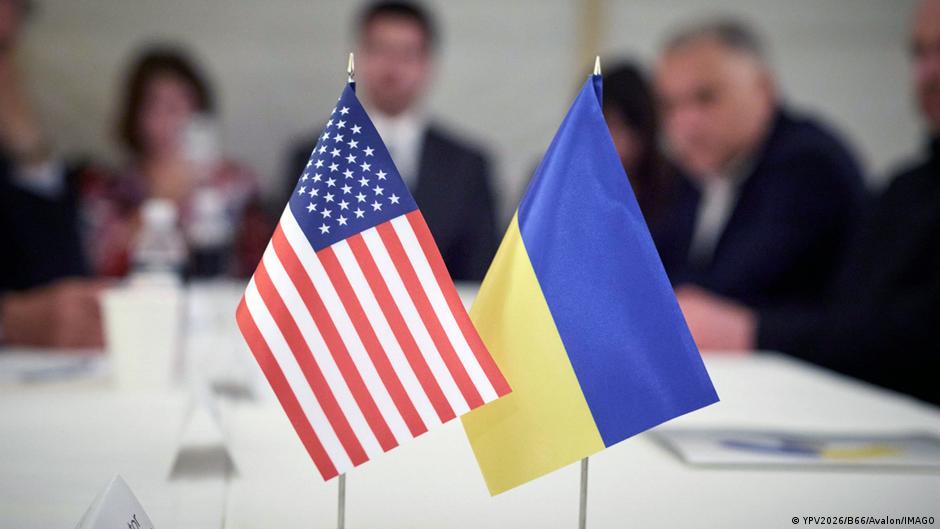
Zelenskyy criticized a U.S.-Russia diesel supply deal, warning that sanctions relief could fund war and raise risks for markets and payments.

Kyiv denied a Bloomberg report that Trump urged Zelensky to travel to Moscow, as U.S. diplomacy focused on energy attacks and diesel prices.

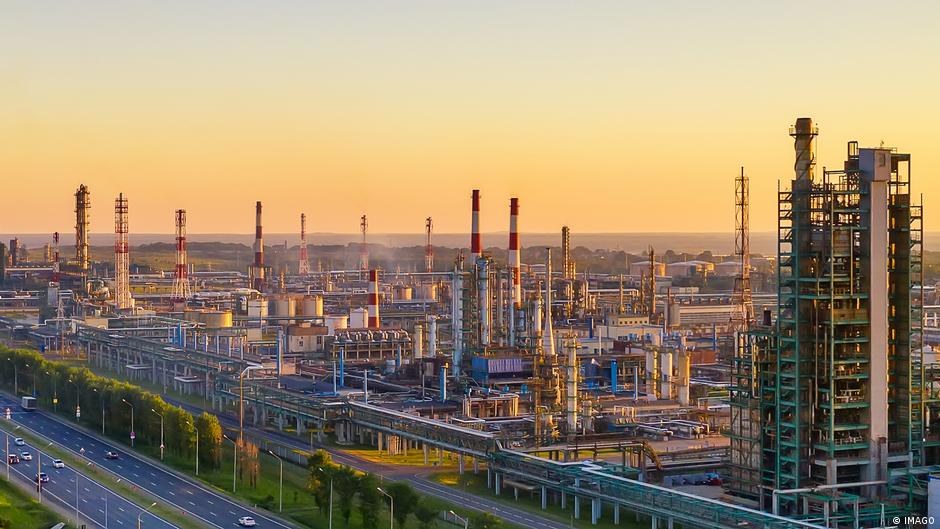
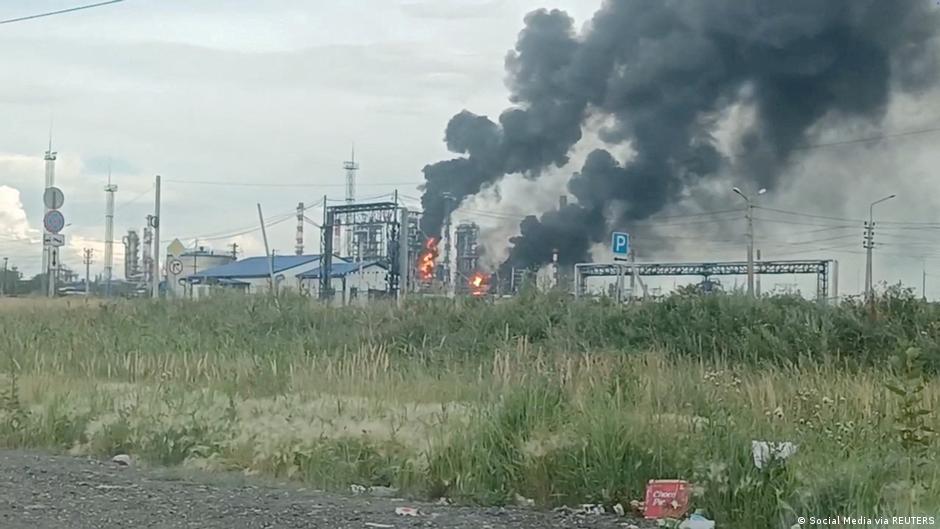
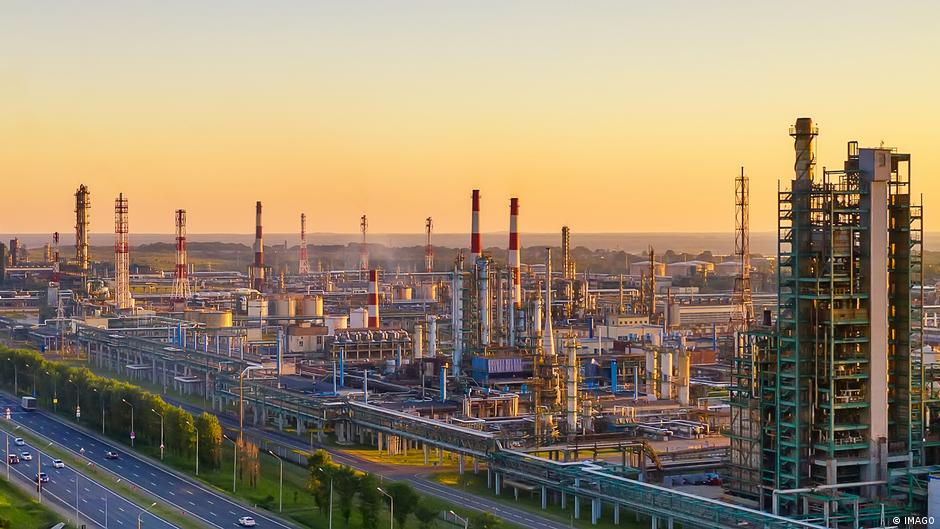
Drone damage has halted a major Yaroslavl refinery, deepening Russia’s fuel strain and raising risks for payments, logistics and digital services.

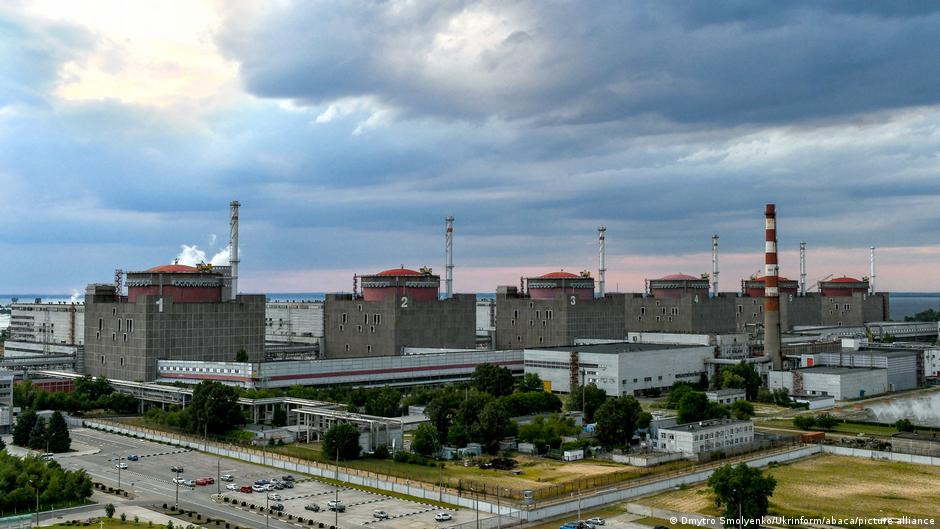
Zaporizhzhia Nuclear Plant's repeated power outages amid conflict expose risks to energy security, digital infrastructure, and cybersecurity in the fintech sector.

Russia's petroleum product production index fell nearly 22% in June amid ongoing infrastructure disruptions, impacting fuel availability and market dynamics.

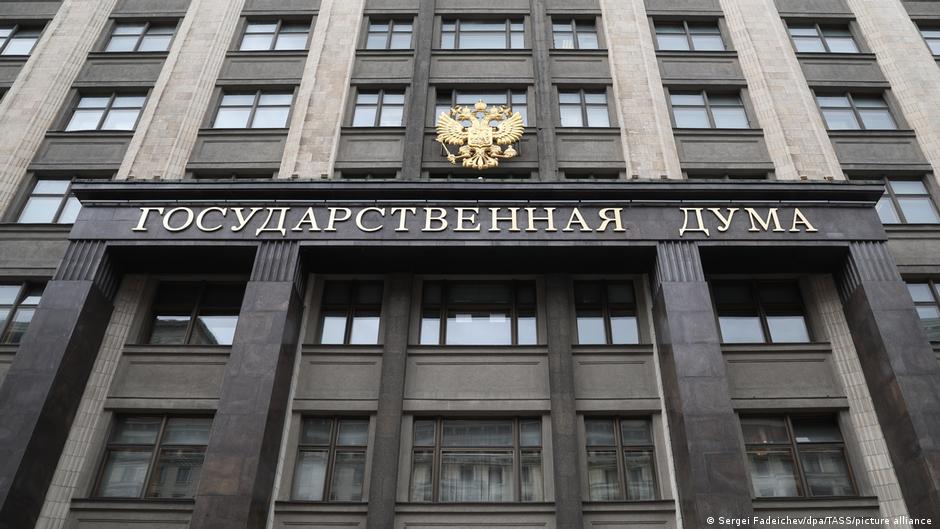
Russia's State Duma amends fuel dampener laws to stabilize prices, expand supply, and introduce new compensation schemes, affecting energy markets and fintech-related trading mechanisms.

The Saratov oil refinery in Russia has ceased operations after drone attacks damaged key processing units, intensifying fuel shortages and impacting the digital economy.

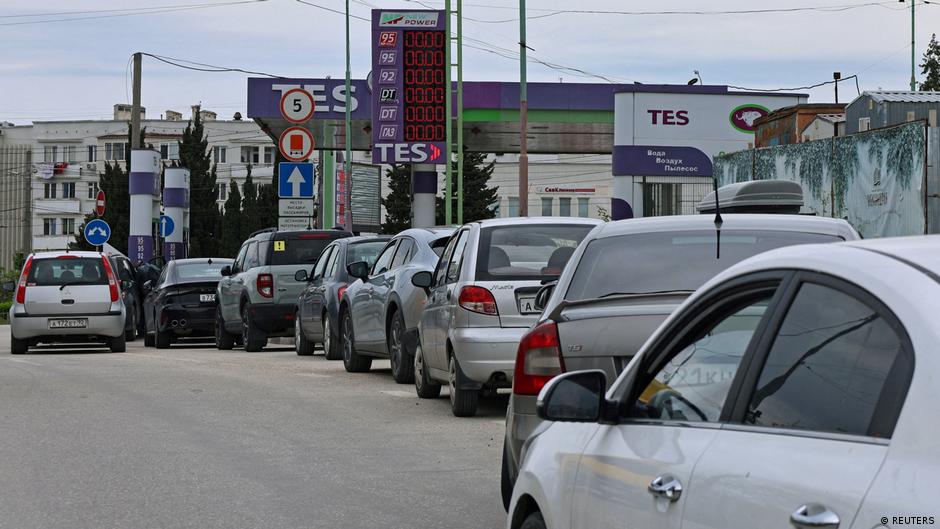
Fuel prices in Crimea nearly doubled in early July amid Russia's export ban on diesel and ongoing supply shortages affecting energy markets and digital payment trends.

Russia authorizes use of higher-sulfur Euro-3 fuels domestically until 2026 to address supply disruptions caused by attacks on refineries, excluding exports to EAEU states.

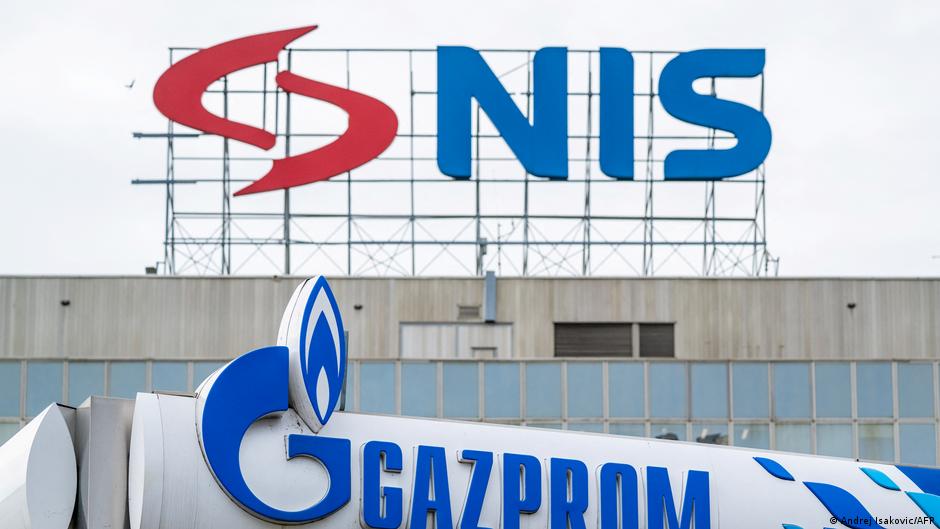
The US has once again extended a 30-day license allowing Serbian oil company NIS, controlled by Gazprom, to operate under sanctions while the sale of Gazprom’s stake faces delays.

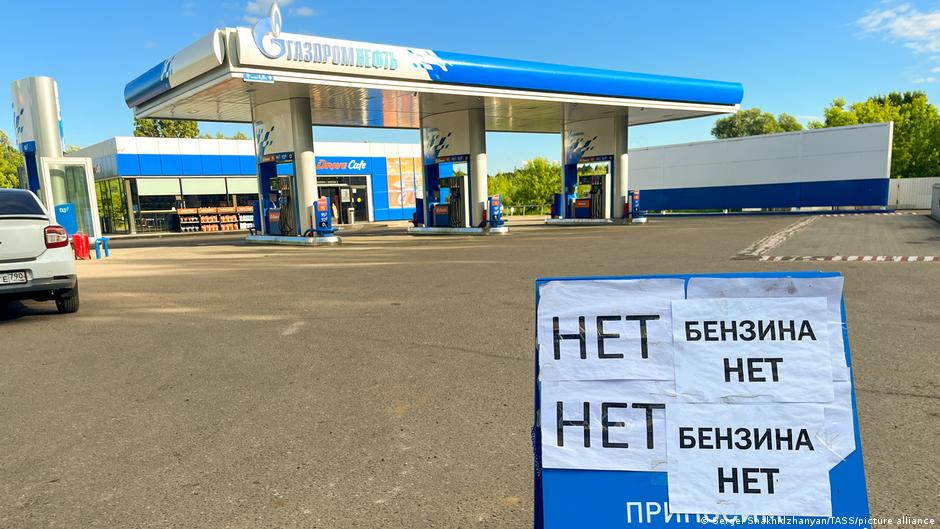
Russia imposes fuel purchase limits in 53 regions due to refinery attacks, disrupting oil production and challenging digital payment systems linked to fuel sales.

Russia plans 1-2 month export restrictions on diesel and jet fuel amid refinery shutdowns caused by Ukrainian drone attacks, impacting fuel markets and digital economy sectors.

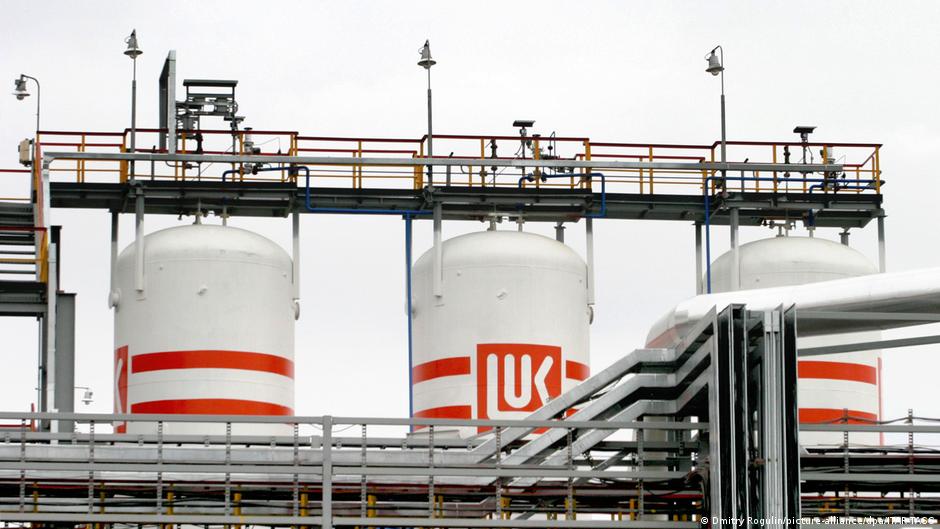
Ukrainian drone strikes have forced Lukoil’s Nizhny Novgorod refinery to shut down over half its primary processing capacity, disrupting Russia’s fuel production and impacting energy and fintech sectors.

The UK has authorized indefinite imports of diesel and kerosene refined from Russian oil in third countries, easing sanctions to stabilize fuel supplies amid rising energy costs and geopolitical tensions.