Russian Petroleum Product Output Drops Nearly 22% in June Amid Market Disruptions
Russia’s fuel production index fell significantly in June, reflecting ongoing operational challenges despite signs of partial market stabilization.
In June 2026, Russia’s index of petroleum product production declined by almost 22% year-on-year, highlighting a steep contraction in the country’s fuel output amid continuing geopolitical and operational difficulties. This data, released by the national statistics agency, underscores the strain on one of Russia’s key industrial sectors, with implications for energy markets and the digital economy.
Production Decline and Market Context
The petroleum product production index, which is part of Russia’s overall industrial production index, dropped by 21.8% compared to June 2025, according to Rosstat’s figures shared on July 22. This marks a further decline from May 2026 when the year-on-year drop was 13.5%. The index is calculated based on the value of a basket of representative petroleum products produced, adjusted to constant 2023 prices.
Notably, Russia does not publish data on petroleum product output in physical volume terms, following government decisions aimed at limiting the dissemination of such information.
"Monthly production indexes are computed by Rosstat as the ratio of the value of a basket of representative goods in constant base-period prices," analysts explained, emphasizing the methodology behind the data.
While production volumes have fallen sharply, fuel prices in Russia have shown a moderating growth trend. For the week ending July 20, gasoline prices increased by 1.7%, down from a 2.3% rise in the previous week. Diesel prices also grew more slowly, with a 1.9% rise compared to a 3.2% increase the week before.
Geopolitical Impact and Industry Constraints
The summer of 2026 has seen intensified disruptions to Russia’s petroleum infrastructure, amid escalating drone strikes reportedly conducted by Ukrainian forces targeting Russian oil storage and refinery facilities. According to Reuters estimates, these attacks have led to the full or partial shutdown of roughly 25% of Russian refining capacity.
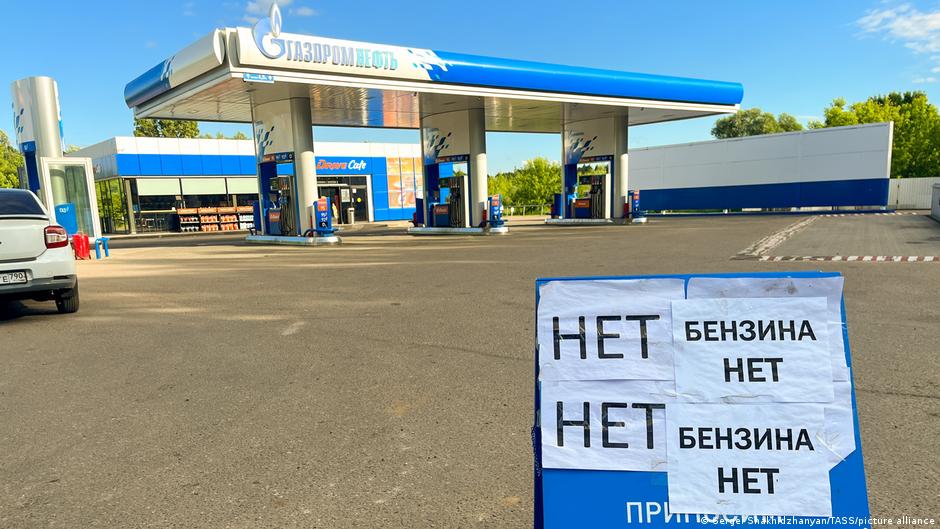
This unprecedented impact on operational capacity has triggered localized fuel shortages, prompting some regional authorities to impose restrictions on fuel sales. The situation has compounded challenges for digital payment systems and fintech firms engaged in fuel retail and logistics, as supply uncertainties affect transaction volumes and payment flows.
Industry observers note that the downturn in petroleum product output and its ripple effects on pricing and availability could accelerate shifts in the Russian energy market, including greater adoption of digital technologies to optimize supply chains and payment mechanisms.
Despite the challenges, government officials have stated that the fuel market has "partially stabilized." However, ongoing geopolitical tensions and infrastructure vulnerabilities continue to pose risks for production recovery and market balance.