Russian Missile and Drone Strikes on Kyiv Raise Cybersecurity and Digital Infrastructure Concerns
Massive Russian attacks on Kyiv and other Ukrainian cities trigger fires and casualties, highlighting vulnerabilities in digital and urban infrastructure.
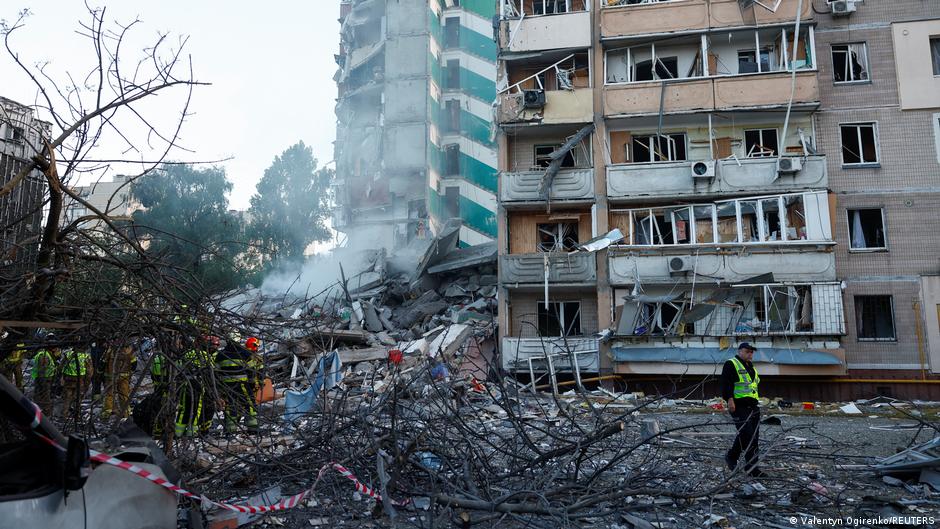
In the early hours of May 14, Russian forces launched a large-scale missile and drone barrage targeting Kyiv, Ukraine’s capital, causing multiple fires and significant structural damage. At least nine people have been hospitalized and rescue operations continue to extract survivors from collapsed residential buildings.
The attacks, which also affected other key Ukrainian regions including Kharkiv, Poltava, Sumy, Donetsk, Odessa, Mykolaiv, Dnipro, and Cherkasy, underscore growing challenges for Ukraine’s digital economy and critical infrastructure amid ongoing conflict.
Implications for Digital Infrastructure and Fintech Security
The use of drones and guided bombs in densely populated urban environments not only risks lives but threatens citywide digital services, payment systems, and banking operations reliant on stable infrastructure. Kyiv’s residential and commercial areas experienced fires and damage, including to business centers and fuel stations, highlighting risks to smart urban systems integrating fintech and digital economy tools.
"The scale and precision of drone and missile strikes pose a significant threat to critical infrastructure, including digital financial networks essential for economic resilience," cybersecurity experts warn.
Earlier reports indicate that over 890 drones were launched by Russian forces across Ukraine within 24 hours before the Kyiv attacks, with Ukraine’s air defense systems intercepting most. Despite effective countermeasures, the sheer volume of attacks raises concerns about the vulnerability of digital banking platforms and payment channels that rely on uninterrupted network availability and power supply.
The strikes also caused debris impacts on residential high-rises, with fires igniting on rooftops and inside apartments. Damage to non-residential spaces and commercial zones could disrupt digital payment acceptance points and fintech service providers operating within these areas. Furthermore, the attacks on transport infrastructure and fuel stations risk interrupting logistics and operational continuity for fintech-dependent businesses.
In the broader context, these developments highlight the critical importance of integrating cybersecurity measures and disaster response capabilities into Ukraine’s digital economy frameworks. As fintech adoption grows, resilience against physical and cyber threats becomes vital to maintaining trust and functionality in payment ecosystems and digital banking services.
Authorities in Kyiv continue to monitor the situation closely, prioritizing emergency response efforts and recovery of essential infrastructure, including telecommunications and power grids crucial for digital financial services.