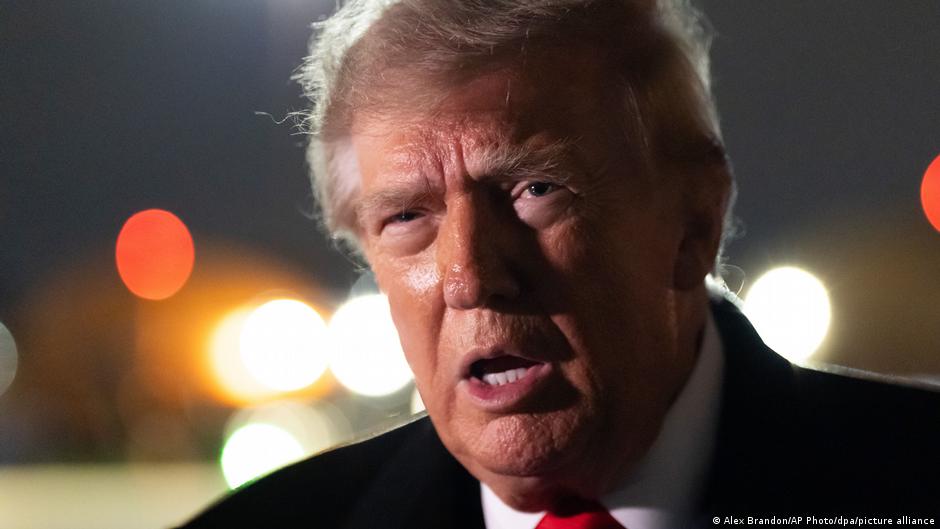
US Labor Secretary Resigns Amid Scandal as White House Considers Wider Cabinet Shakeup
Labor Secretary Lori Chavez-Deremer leaves Trump administration following misconduct allegations, signaling potential executive branch instability impacting regulatory oversight.
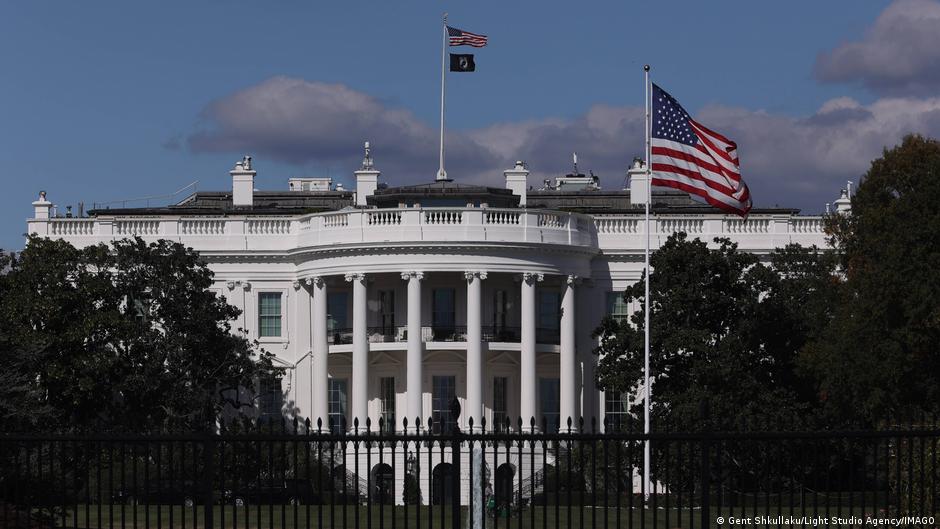
The United States Labor Secretary Lori Chavez-Deremer has resigned from her position within the Trump administration amid multiple allegations of misconduct, sparking concerns about potential disruptions in federal leadership that could have implications for regulatory frameworks affecting fintech and digital economy sectors.
Announced in the early hours of April 21 by White House Communications Director Stephen Chung via social media platform X, Chavez-Deremer's departure marks another high-profile exit in a series of recent cabinet changes. She is set to transition into the private sector, with Keith Sonderling appointed as acting Labor Secretary following her resignation.
Context and Impact on Digital Economy Oversight
Chavez-Deremer's resignation comes after an internal investigation within the Department of Labor revealed allegations of inappropriate relationships with a security staff member, misuse of official travel for personal activities—including attending UFC mixed martial arts events, concerts, and visiting family—and demands for staff to purchase alcohol. These abuses of position have raised questions about the integrity and oversight capabilities of the department during a critical period for labor markets and employment policies.
"It was an honor to serve in this historic administration and to work for the greatest president," Chavez-Deremer stated on platform X following her resignation announcement.
Such leadership instability may affect the department's regulatory focus on workplace policies, including those related to emerging trends in digital labor platforms, gig economy protections, and cybersecurity requirements for employee data—all pivotal areas as fintech companies and digital payment platforms increasingly intersect with workforce regulations.
Moreover, the White House is reportedly considering further cabinet reshuffles, potentially impacting other key figures such as Commerce Secretary Howard Lutnik, FBI Director Asha Patel, and Army Secretary Daniel Driscoll, the latter involved in negotiations related to the Ukraine conflict. This signals a broader executive branch turnover amidst rising scrutiny of officials' performance and public perception.
Previously, Attorney General Pam Bondi was dismissed in early April following dissatisfaction over handling sensitive legal matters, and Department of Homeland Security Secretary Kristi Noem resigned in March, highlighting a trend of high-level departures that may affect continuity in regulatory policies.
Political analysts suggest these developments could influence the stability of agencies overseeing fintech regulation, digital banking compliance, and cybersecurity enforcement, as leadership changes often delay policymaking and enforcement activities critical to the rapidly evolving digital financial landscape.
As the Biden administration had previously emphasized strengthening digital economy oversight, these recent events within the Trump administration's cabinet underscore the challenges governments face in maintaining consistent regulatory strategies during periods of political transition.
Industry stakeholders in fintech and digital payments sectors are closely monitoring these changes for potential impacts on regulatory clarity, enforcement vigor, and federal support for innovation and security enhancements.