Wildberries Warehouses Targeted in Multiple Russian Regions Amid Ongoing Conflict
Key Wildberries logistics hubs in Saint Petersburg, Tver, and Crimea were attacked, disrupting supply chains and raising cybersecurity concerns in Russia’s digital economy.
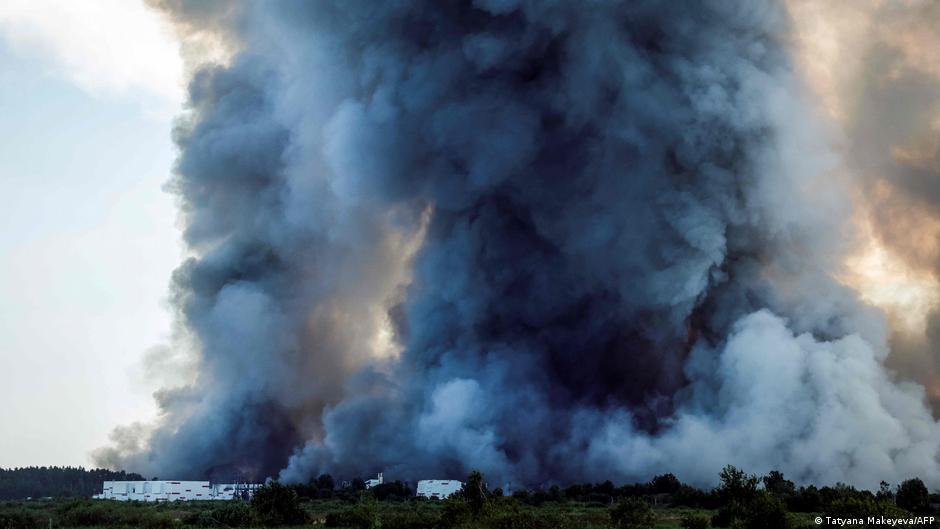
Recent attacks on Wildberries (WB) logistics centers in Russia and annexed Crimea highlight the vulnerabilities of critical supply chains amid ongoing geopolitical tensions. On the night of July 24, multiple warehouses operated by Wildberries, a leading Russian e-commerce and fintech platform, were reportedly targeted by Ukrainian strikes in the Leningrad region near Saint Petersburg, Tver, and Simferopol in Crimea.
Impact on Logistics and Digital Commerce Infrastructure
According to open-source intelligence and eyewitness reports, a major Wildberries warehouse located in Novosaratovka village near Saint Petersburg caught fire following an attack. This facility, which serves the greater Saint Petersburg metropolitan area, is crucial for the company's extensive e-commerce operations.
Visual evidence circulated on social media platforms showed large plumes of black smoke over the city, indicating fires at multiple points. Videos purporting to show the moment of attack in Leningrad were also shared widely, underlining the scale and precision of these strikes.
As a result, Wildberries temporarily halted operations at its logistic complexes in Shushary and Utkina Zavod, both located within Saint Petersburg, pending further safety assessments. A company spokesperson assured that updates on operational resumption would be provided as available.
Further attacks were reported on Wildberries logistics hubs in Tver and Simferopol. The Simferopol sorting center was evacuated per safety protocols, emphasizing the priority given to employee security amidst these disruptions.
"The attacks have significantly disrupted our logistic operations in key regions, impacting delivery timelines and supply chain stability," stated a company brief.
Additionally, unverified reports emerged of an attack on an electrical substation in Sudak, Crimea, which allegedly caused power outages and water supply disruptions across much of the city, though independent confirmation remains pending.
Broader Implications for Fintech and Digital Economy
These attacks exemplify the risks faced by digital commerce enterprises that rely on integrated logistics and payment infrastructures. Wildberries, as a leading marketplace platform, combines e-commerce with digital banking and payment services, making such disruptions a potential strain on Russia’s fintech ecosystem.
Previous attacks have damaged multiple Wildberries warehouses across Russia, including large facilities in Elektrostal near Moscow (250,000 sq. m), Kotovsk in Tambov region (108,000 sq. m), Krasnodar (100,000 sq. m), and Nevinnomyssk in Stavropol region (94,000 sq. m). As of late July, these strikes reportedly affected approximately 10% of Wildberries’ logistical infrastructure, totaling over 550,000 square meters.
The consequences extend beyond physical damage, presenting cybersecurity and operational challenges. The interruption of logistics networks impacts payment flows, customer trust, and the broader digital economic activities that depend on stable supply chains.
Notably, Ukrainian President Volodymyr Zelensky justified some of these attacks as retaliation against Russian strikes on civilian infrastructure in Ukraine. He alleged that certain Wildberries logistics centers were involved in distributing sanctioned components for drone and navigation equipment production, underscoring the complex intersection of commerce, technology, and conflict.
This evolving situation raises questions about the resilience of fintech platforms operating within conflict zones and highlights the necessity for enhanced cybersecurity and operational safeguards in the digital economy.