Colombia Declares Emergency After 7.4 Magnitude Earthquake Impacting Infrastructure and Economy
The earthquake has severely damaged infrastructure, posing challenges to Colombia’s digital economy and financial systems.
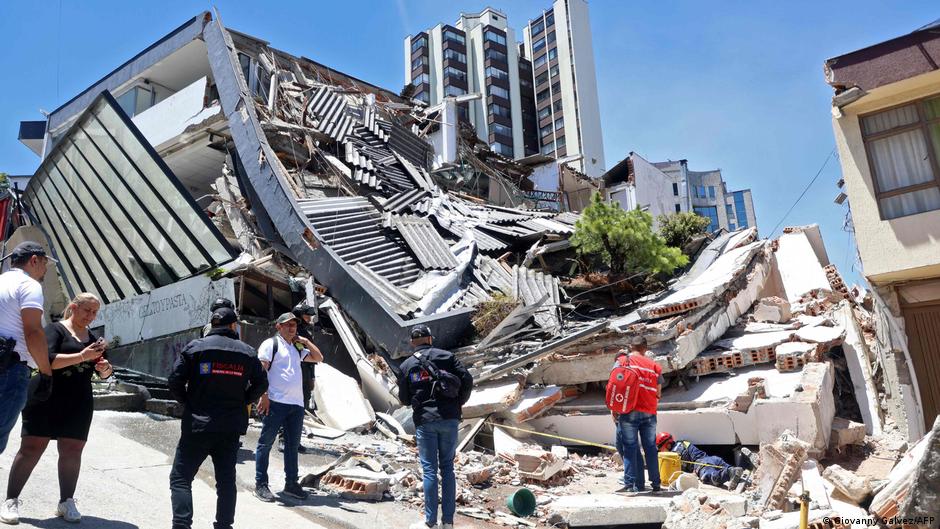
Colombia’s newly inaugurated President Abelardo de la Espriella declared a nationwide state of emergency following a powerful 7.4 magnitude earthquake that struck the western region of the country on August 10. The seismic event resulted in at least 132 fatalities and over 570 injuries, with extensive damage reported across multiple cities including Pereira, Cali, and Manizales.
Impact on Infrastructure and Digital Economy
The earthquake’s impact extends beyond the tragic human toll, deeply affecting Colombia’s critical infrastructure and indirectly its fast-growing digital economy. Over 1,500 residential buildings were significantly damaged, and approximately 60 structures collapsed entirely. Notably, 18 hospitals and 52 schools sustained damage, raising concerns about the continuity of essential public services including healthcare and education.
Given the country's increasing reliance on digital banking and fintech services, such infrastructure disruptions could trigger temporary interruptions in payment processing and digital transactions. Power outages and internet service instability following natural disasters often pose cybersecurity risks, as system weaknesses can be exploited by malicious actors during crises.
"All institutional resources will be mobilized to adequately respond to the catastrophe," stated President De la Espriella, emphasizing immediate rescue efforts for those trapped under rubble.
The epicenter, located near San José del Palmar at a depth of approximately 103 kilometers, was accompanied by numerous aftershocks. The Colombian Geological Service identified this as the strongest earthquake recorded in the country during the 21st century.
International Aid and Economic Outlook
In response to the crisis, the U.S. Department of State announced a $15.5 million emergency assistance package to support Colombia’s disaster response efforts. This aid underscores the strategic partnerships focused on enhancing regional stability and economic resilience.
President De la Espriella, who assumed office just three days prior to the earthquake, had earlier prioritized economic deregulation and strengthening security, particularly targeting armed groups involved in the narcotics trade. His administration’s approach to fostering economic growth through deregulation may now face challenges due to the immediate need for reconstruction and emergency management.
As Colombia works to restore critical infrastructure, the fintech sector and digital banking platforms will play a crucial role in facilitating relief fund distribution and economic continuity. However, stakeholders must remain vigilant against potential cybersecurity threats during this vulnerable period.
The earthquake’s timing, amid leadership transition and ongoing reforms, highlights the importance of integrating disaster resilience into Colombia’s evolving digital economy strategies.