Cyberattacks on Ukraine and Russia Alert Apps Expose Digital Trust Risks
False radiation and nuclear warnings highlight how attacks on public digital infrastructure can undermine confidence across the wider online economy.
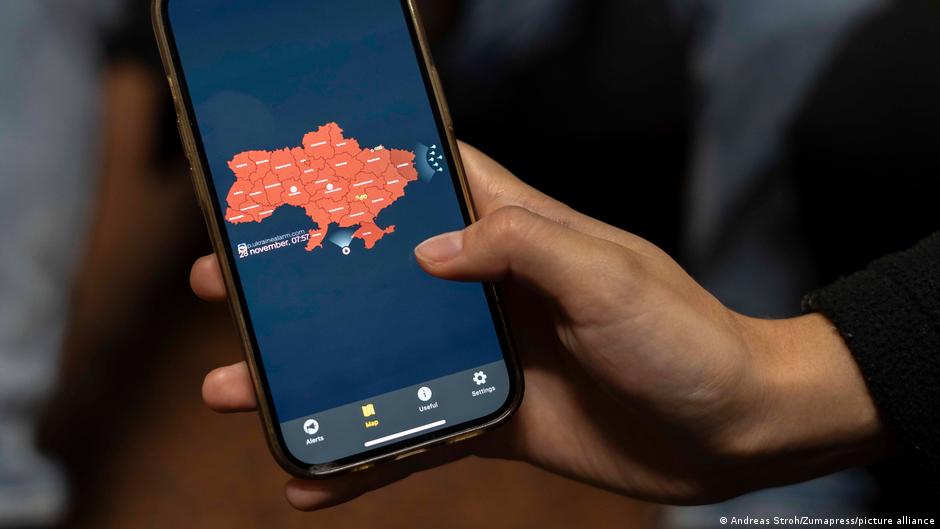
Government alert applications in Ukraine and Russia were hit by cyberattacks that sent false warnings to users, disrupting essential public services and highlighting the broader economic risks created when trusted digital platforms are compromised.
Ukraine’s official Air Raid Alert application, which is used to notify the public about security threats, came under attack on the evening of Sunday, November 1. Users received fabricated notifications warning of radiation and chemical dangers, as well as the threat of street fighting in Kyiv.
The Ukrainian Air Force was among the first authorities to respond. The military said the application had probably been subjected to “hostile interference” and stressed that there was no radiation threat. Ukraine’s State Emergency Service said the nationwide warning system continued to operate normally, with genuine alerts still being transmitted to regional administrations and outdoor warning systems.
The application’s developers later confirmed that the service had been breached. They said unauthorized parties had interfered with its operation, prompting the team to disable push notifications and temporarily suspend the application. Users were also urged not to follow links contained in suspicious notifications.
“We disabled push notifications and temporarily suspended the application,” the developers said after confirming unauthorized interference.
Public-service breaches carry wider digital economy risks
The attack did not directly target a bank, payment processor or cryptocurrency platform. Even so, the incident illustrates a central challenge for the digital economy: services that depend on instant notifications must preserve the authenticity of every message they deliver.
Push alerts are widely used beyond emergency applications. Digital banks rely on them to confirm payments, report account activity and flag suspected fraud. Cryptocurrency exchanges use similar channels for login warnings, withdrawals and changes to security settings. If users become accustomed to fraudulent or manipulated messages, they may ignore legitimate notifications or act on malicious ones.
The Ukrainian developers’ warning about suspicious links also reflects a common connection between infrastructure breaches and financially motivated cybercrime. A false emergency message can create urgency, making recipients more likely to open a link before verifying its origin. The source report did not state that funds or account credentials were stolen, but the incident demonstrates how compromised communications could potentially provide an entry point for phishing and other forms of digital fraud.
During the night of November 2, the Ukrainian application team reported that the service was being restored gradually. Users began receiving air-raid notifications again, although some functions remained temporarily unavailable. The developers said the application does not store users’ personal data and that additional cybersecurity measures were being introduced.
The absence of stored personal data may limit one category of exposure, but the disruption shows that operational integrity is itself a critical digital asset. For technology providers and investors, cybersecurity performance is increasingly measured not only by whether customer records are protected, but also by whether platforms can resist message manipulation, isolate compromised functions and restore services quickly.
Russian emergency app sends false nuclear claims
Russia’s Emergency Situations Ministry reported a cyberattack at almost the same time. The ministry said its mobile application had been subjected to a “massive cyberattack” that allowed attackers to distribute false information claiming that nuclear warheads had been launched toward Russia.
According to the ministry, technical specialists were working to eliminate the vulnerability and return the service to normal operation. No further details were provided in the source about the attack method, the identity of the hackers or whether the incidents in the two countries were technically connected.
The near-simultaneous disruption of two state-linked mobile services places renewed attention on the resilience of digital public infrastructure. Emergency applications sit outside the conventional financial system, but they share many of the same dependencies as mobile banking and payment platforms: secure software development, protected notification channels, reliable authentication and rapid incident response.
For technology companies and publicly traded cybersecurity providers, attacks of this kind can reinforce demand for products that protect mobile applications, cloud infrastructure and communications systems. They can also increase scrutiny of software vendors whose platforms support sensitive public or financial services. The incidents do not establish a direct effect on technology stocks or cryptocurrency markets, but they add to the operational-risk backdrop considered by investors assessing cyber resilience.
The immediate priority for authorities in both countries is restoring reliable alerts and ensuring that users can distinguish official warnings from fabricated messages. For the wider digital economy, the lesson is equally important: when hackers compromise a trusted notification channel, the damage can extend beyond a temporary outage to confidence in the systems through which governments, banks and technology platforms communicate.