US Gas Transit Plan Raises Sanctions and Payment-System Questions
A proposed US-brokered revival of Russian gas flows through Ukraine could create new compliance, escrow and settlement challenges.
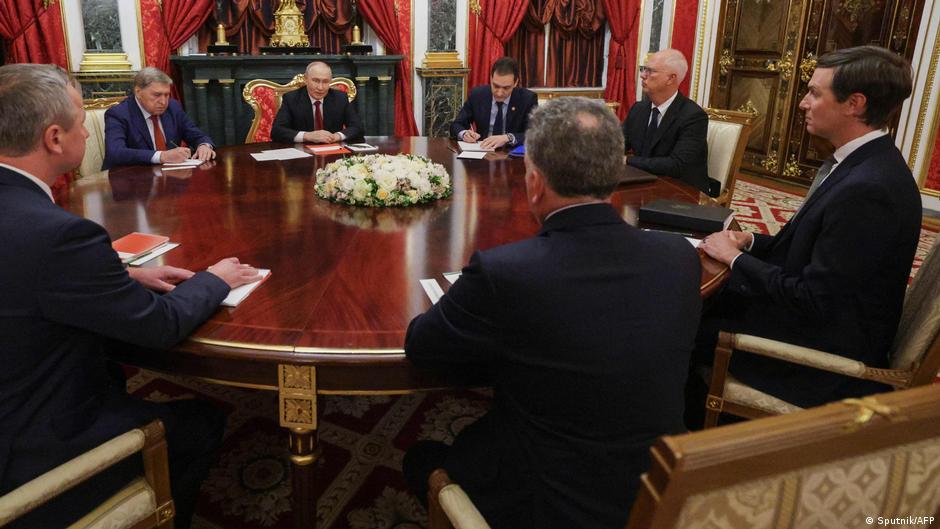
The United States is pressing for a rapid resumption of Russian natural gas supplies to Europe through Ukraine as part of negotiations on an energy truce between Moscow and Kyiv, The Wall Street Journal reported on Sunday, Nov. 1, citing US, European and Ukrainian officials.
The proposal would place an American intermediary between Russian suppliers and European buyers, adding a financial architecture intended to navigate sanctions while opening potentially profitable opportunities for US investors. Beyond its geopolitical significance, the plan would create a complex test for cross-border payments, digital banking controls and the compliance systems used by financial institutions serving energy markets.
European officials fear that restarting the route could undermine the bloc’s policy of abandoning Russian energy. Existing European Union legislation calls for Russian gas imports to be phased out by the end of 2027, while leaders of the largest European countries have repeatedly said they do not want to restore dependence on Russian supplies.
A new intermediary and ring-fenced payments
US negotiators Jared Kushner and Steve Witkoff discussed the idea during trips to Moscow and Kyiv in September, according to the newspaper. Under the proposal, Russian gas would be sold through a US intermediary, a structure expected to bypass European sanctions and create attractive investment opportunities for American participants.
The White House has also proposed directing revenue from Russian gas sales to Europe into a special account in a third jurisdiction, one US official said. The mechanism would be designed to restrict the use of the proceeds for military purposes.
The proposed structure would make payment governance central to the energy deal, with banks and intermediaries required to verify counterparties, control access to revenue and demonstrate compliance across jurisdictions.
Such an arrangement would put operational pressure on the financial infrastructure behind commodity trading. Banks handling settlements would need to reconcile the proposed exemption or workaround with European sanctions, while monitoring the destination and permitted use of funds held in the special account. Digital banking platforms, transaction-monitoring providers and cybersecurity teams could therefore become important to the credibility of any agreement.
The report did not specify whether the account would use conventional banking rails, tokenized deposits, stablecoins or other crypto assets. Any use of digital assets would add further questions about wallet screening, custody and sanctions enforcement. Even without crypto, the plan highlights a wider trend in which programmable controls, automated compliance and near-real-time monitoring are becoming increasingly relevant to politically sensitive cross-border payments.
Energy costs and the digital economy
Washington is seeking a comprehensive agreement to halt strikes on energy facilities before trilateral talks among the United States, Russia and Ukraine scheduled for November in Abu Dhabi. The Trump administration expects European resistance to the gas proposal may ultimately be less severe than public statements suggest, according to the Journal’s sources.
US officials believe Russia’s return to the European gas market could give Russian President Vladimir Putin an additional incentive to support an energy truce. Ukraine, meanwhile, would receive additional income from transporting gas across its territory.
For Europe’s digital economy, the outcome could matter through energy prices as well as payments. Data centers, telecommunications networks, cryptocurrency mining operations and other electricity-intensive businesses are exposed to wholesale energy costs. Lower or more stable gas prices could ease operating expenses for some technology companies, while renewed geopolitical dependence and uncertainty could increase risk premiums for European assets.
Technology stocks could react to those competing forces, particularly shares of data-center operators, cloud infrastructure providers, industrial software companies and cybersecurity vendors. The report offered no market forecasts, however, and the eventual effect would depend on the terms of an agreement, regulatory approval and the volume and price of any restored supplies.
Europe remains resistant
The initiative is facing serious opposition in Europe. Russian gas now accounts for about 11% of European consumption, down from 45% before Russia’s full-scale invasion of Ukraine. At the same time, US liquefied natural gas supplies currently cover about 30% of European gas consumption, according to the newspaper.
Some European officials have sharply criticized the proposal in private conversations. The US administration nevertheless believes that high energy prices and risks to energy security could make European governments more receptive.
That tension leaves financial firms facing two possible policy directions: continued investment in systems supporting Europe’s separation from Russian energy, or the rapid construction of a tightly controlled settlement channel for renewed trade. Either path would require banks, payment processors and compliance technology providers to adapt to sanctions rules that can differ across jurisdictions and change with diplomatic negotiations.
Cybersecurity would also be a material concern. A revived transit route and its supporting payment infrastructure would connect strategically important energy assets, financial accounts and multiple national authorities. Protecting transaction data, account permissions and operational systems would be essential, particularly as Washington seeks a broader halt to attacks on energy facilities.
The proposal therefore extends beyond pipelines and commodity volumes. Its viability may depend on whether policymakers can design a payment and oversight mechanism that satisfies US negotiators, provides transit revenue to Ukraine, limits Russia’s use of proceeds and addresses Europe’s sanctions and energy-security concerns.