Drone Attacks in Belgorod Cause Damage and Injuries Amid Rising Security Concerns
Ukrainian drone strikes hit Belgorod, damaging residential and critical infrastructure and injuring 13, highlighting risks to regional digital and energy assets.
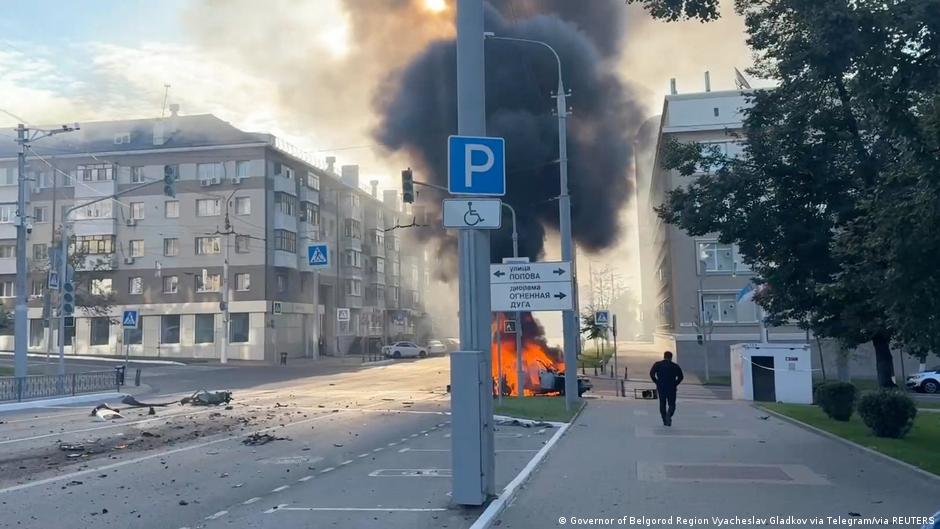
In the early hours of August 9, the Russian border city of Belgorod was targeted by a series of drone attacks, resulting in significant damage to residential buildings and critical infrastructure, and causing 13 reported injuries, including two children. The incident underscores growing cybersecurity and physical threats faced by regional energy and administrative facilities amidst ongoing tensions.
Impact on Infrastructure and Regional Security
The acting governor of Belgorod Oblast, Alexander Shuvaev, confirmed that multiple unmanned aerial vehicles (UAVs) struck the city around 2:00 a.m. Moscow time. According to initial reports, at least four multi-story residential buildings, an administrative office, as well as social and commercial properties sustained damage. The full extent of the destruction is still being assessed.
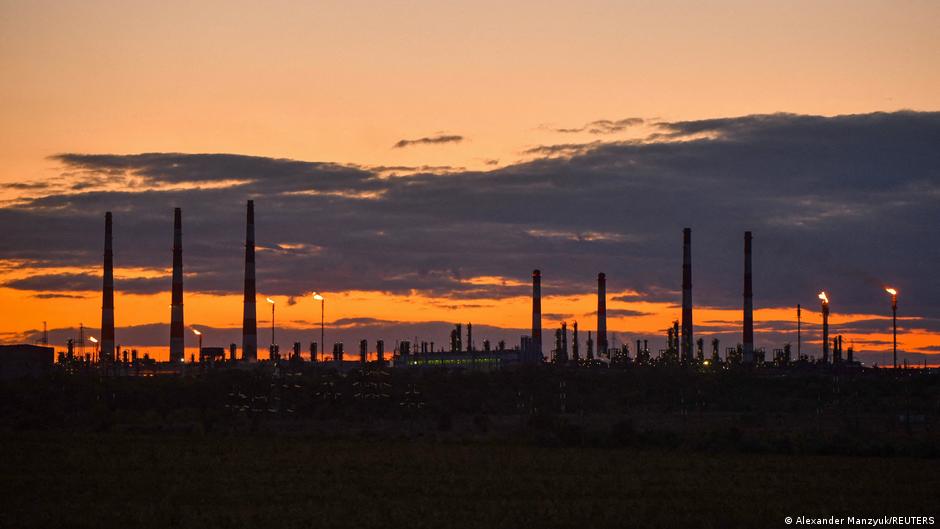
Open-source intelligence (OSINT) analysis suggests that among the targeted sites were key regional assets such as the local branch of the Federal Security Service (FSB) and the Belgorod Thermal Power Plant (TPP). Photographic evidence indicates damage to the upper floors of a residential building situated approximately 600 meters from the TPP, raising concerns about potential disruptions to critical energy supply and infrastructure security.
Local eyewitnesses reported observing dozens of strike drones flying over Belgorod, with footage circulating on social media showing fires, explosions, and thick smoke plumes across the cityscape. The use of UAVs to target urban centers and strategic facilities highlights evolving threats in the digital and physical domains, particularly to sectors underpinning regional stability.
“The attack demonstrates how drone technology can challenge traditional security measures, threatening not only military but also civilian infrastructure and essential services,” an OSINT analyst noted.
Fintech and Digital Economy Implications
While the immediate impact is physical, the attacks have broader ramifications for the fintech and digital economy sectors. The Belgorod TPP, being an essential energy provider, supports digital banking operations, payment processing centers, and cybersecurity infrastructure critical to regional financial services. Any disruption can cascade into operational challenges for digital transactions and financial networks.
Moreover, the targeting of government security offices like the FSB branch raises concerns about the resilience of cybersecurity frameworks protecting sensitive financial data and digital payment systems. As geopolitical conflicts increasingly leverage technologies such as UAVs, fintech companies and digital banks must reassess risk management strategies and invest in enhanced cyber-physical security measures.
The evolving security landscape also impacts investor confidence in regional tech stocks and fintech ventures. Increased risk of infrastructure attacks can lead to heightened regulatory scrutiny and necessitate greater transparency regarding operational security protocols.
Although the Ukrainian General Staff and the Russian Ministry of Defense had not commented at the time of reporting, this incident adds to a pattern of drone operations that blur the lines between cyber warfare and physical attacks, signaling a new frontier in conflict with significant implications for the digital economy.
Authorities continue to evaluate the damage and assess the necessary recovery steps. Meanwhile, the incident serves as a critical case study for regional stakeholders in understanding the intersection of emerging military technologies and their impact on fintech, digital banking, and cybersecurity resilience.