Drone Attacks in Russia and Ukraine Highlight Growing Cybersecurity and Digital Warfare Risks
Recent drone and missile strikes in Russian and Ukrainian regions underscore evolving threats to digital infrastructure and payment security.
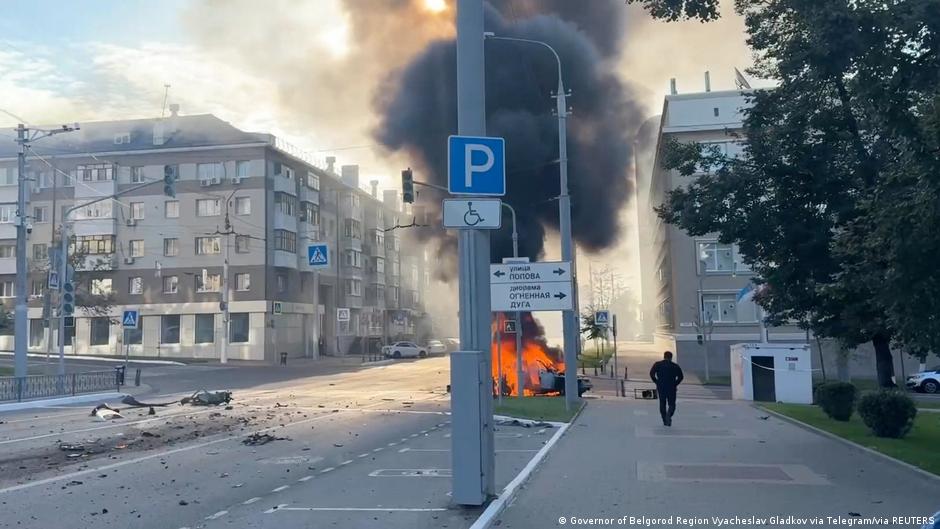
Recent military actions involving drone and missile strikes across Russian and Ukrainian territories have brought to light the increasing intersection of warfare with digital economy vulnerabilities, particularly in fintech, digital banking, and cybersecurity sectors.
Escalation of Drone Strikes and Its Impact on Critical Infrastructure
On the night of July 27, the Belgorod region in Russia experienced a large-scale drone attack attributed to Ukrainian forces, resulting in 12 civilian casualties, including two children. Several residential buildings suffered fires, and numerous apartments and vehicles were damaged. The regional mayor confirmed the temporary shutdown of utilities in two multi-story buildings, forcing residents to relocate to emergency shelters.
Similarly, the Rostov region reported attacks causing the deaths of two individuals and injuries to five others in Rostov-on-Don. These incidents not only pose immediate human risks but also threaten the stability of essential digital infrastructure, including telecommunications and power grids that underpin digital banking and payment systems.
Concurrently, Russian forces launched missile and drone strikes targeting Ukraine, focusing on several oblasts including Dnipropetrovsk, Sumy, Chernihiv, Zaporizhzhia, Kharkiv, and Kherson. The ongoing aerial assaults highlight the dual nature of modern conflict, where physical destruction is often accompanied by attempts to disrupt digital networks and economic activities.
"These drone attacks demonstrate how cyber-physical warfare increasingly jeopardizes secure payment systems and digital banking infrastructures, making cybersecurity a top priority for financial institutions operating in conflict zones."
For fintech companies and digital economy stakeholders, the implications are significant. Disruptions to power and communication services can undermine the reliability of electronic payment processing, digital wallets, and online banking platforms. Moreover, the heightened risk environment calls for enhanced cybersecurity measures to protect against potential cyberattacks exploiting physical infrastructure damage.
Investors and tech industry observers have also noted that such escalations contribute to volatility in tech stocks, especially firms involved in cybersecurity, satellite communications, and drone technology. The military use of drones underscores the growing importance of drone detection and mitigation solutions, creating new market opportunities within the digital economy.
As the conflict persists, the fintech sector must adapt to the evolving threat landscape, reinforcing digital resilience strategies that encompass both cyber and physical dimensions. The intersection of drone warfare and digital payments highlights the urgent need for coordinated responses to safeguard critical financial infrastructure amid geopolitical instability.