North Korea Tests Advanced Tactical and Cruise Missiles with AI Navigation Capabilities
Pyongyang demonstrates enhanced missile technology incorporating AI for precision targeting near South Korean border.
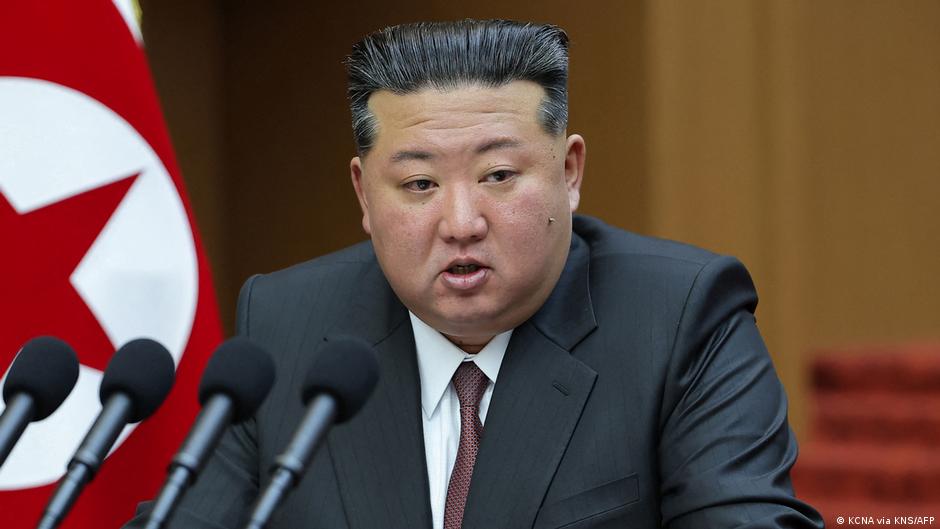
North Korea has conducted a series of missile tests featuring tactical ballistic rockets, artillery rockets, and high-precision cruise missiles, signaling a continued effort to modernize its military capabilities. These tests were closely overseen by Supreme Leader Kim Jong Un, who expressed significant satisfaction with the outcomes.
Missile Innovations Highlight AI-Driven Navigation
According to reports, the launches were part of Pyongyang's strategic plan to enhance its artillery and missile forces over a five-year national defense development program. The tests, conducted on May 26, involved multiple missile platforms designed for contemporary combat scenarios.
"The tactical cruise missile tested will be deployed with long-range artillery units near the southern border," the North Korean news agency noted, emphasizing the missile’s advanced features.
One of the standout technologies incorporated in these cruise missiles is a multi-system navigation approach. This includes terrain mapping and artificial intelligence (AI)-based guidance systems that enable the missiles to hit targets with high precision within a 100-kilometer radius. This level of navigation sophistication marks a notable advancement in Pyongyang’s missile technology.
South Korean military intelligence confirmed the launch of several short-range ballistic and artillery rockets from the Chonju area in the North Pyongan province, with trajectories directed toward the Yellow Sea. The timing and nature of these tests underscore a focused military modernization effort amid regional tensions.
Implications for Regional Security and Technology Trends
The integration of AI into missile navigation reflects a broader trend where digital technologies are increasingly pivotal in military applications. Such advancements raise critical questions about cybersecurity, autonomous systems in defense, and the potential for escalating arms races involving smart weaponry.
From a fintech and digital economy perspective, the utilization of AI in missile guidance parallels the growing influence of artificial intelligence in sectors such as digital payments, banking security, and algorithm-driven financial markets. The dual-use nature of AI technologies underscores the need for robust frameworks to manage risks across both civilian and military domains.
Kim Jong Un’s praise for the tests as a "clear signal" of military superiority highlights the regime’s commitment to leveraging cutting-edge technology to reinforce its strategic posture. Observers note that these developments may impact regional security dynamics and necessitate enhanced monitoring of digital innovations in defense systems.