Russian Military Strike on Zaporizhzhia Causes Fatalities and Infrastructure Damage
Combined missile and aerial bomb attacks by Russian forces kill five and injure 20 in Zaporizhzhia, impacting critical infrastructure.
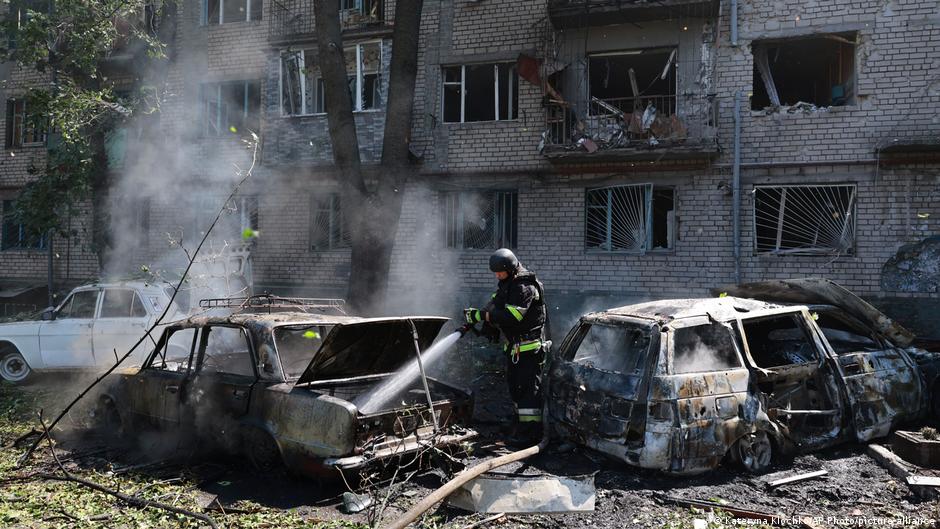
Russian armed forces launched a combined missile and aerial bombing attack on the Ukrainian city of Zaporizhzhia in the early hours of August 11, resulting in five fatalities and 20 injuries, according to Ivan Fedorov, head of the Zaporizhzhia regional military administration.
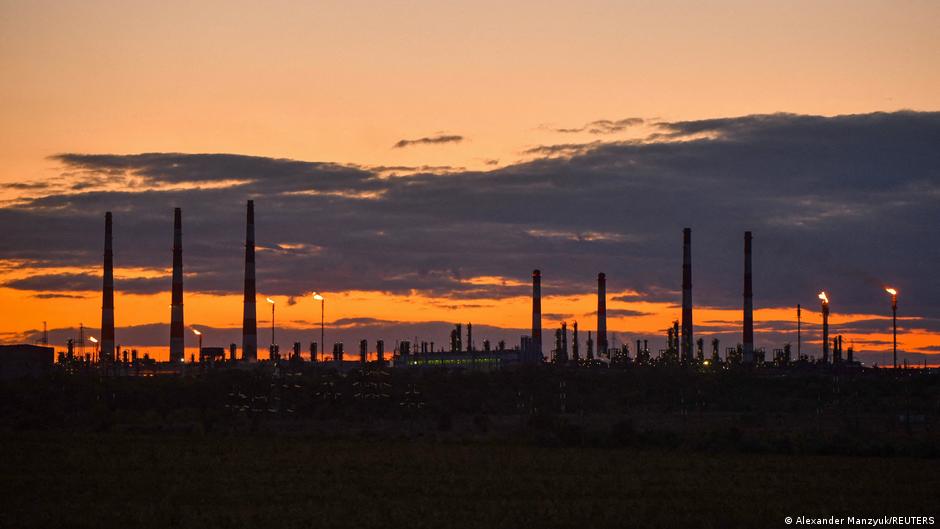
The strike targeted both industrial facilities and critical infrastructure, causing significant damage to residential buildings, non-residential structures, and a garage cooperative. The attacks also resulted in power outages and multiple fires across the city.
Implications for Infrastructure and Digital Services
The combined use of Russian missiles and aerial bombs not only inflicted human casualties but also severely disrupted essential infrastructure. These disruptions have direct consequences for the region's digital economy, particularly regarding power-dependent digital banking services, payment processing, and telecommunications networks.
"The outage of electricity and damage to industrial sites severely hinder the operation of digital services, highlighting the vulnerability of critical infrastructure during wartime," said an expert on digital resilience in conflict zones.
Video footage released by Fedorov shows burning buildings and vehicles, underscoring the scale of destruction. The damage to infrastructure threatens the continuity of fintech operations in the area, which rely heavily on stable power and communications.
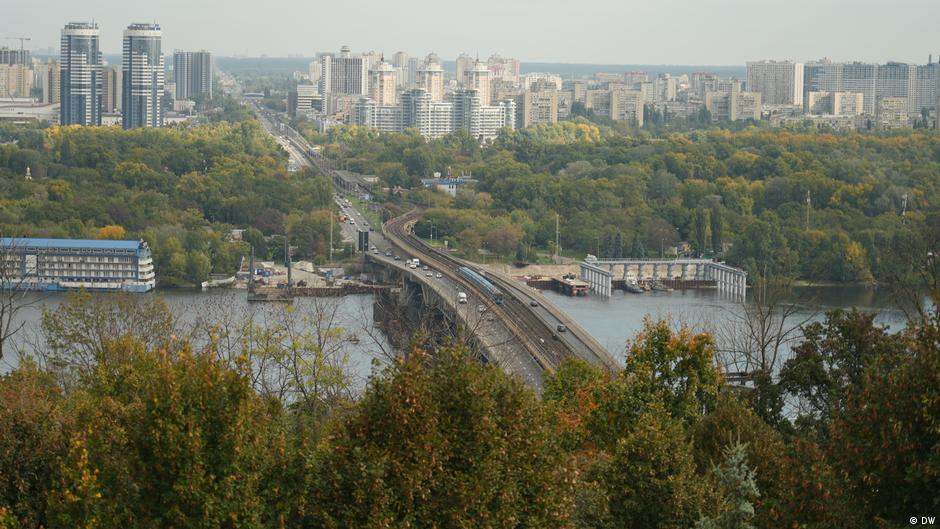
Simultaneously, Kyiv experienced repeated air raid alerts overnight due to the threat of ballistic weapon deployment by Russian forces. By 01:20 local time, one person was reported injured in the Ukrainian capital, according to the Kyiv city military administration. Medical teams were dispatched to the Shevchenkivskyi district to attend to casualties.
Additional instability was reported in the Poltava region, where debris from a Russian unmanned aerial vehicle (UAV) fell onto a high-rise building's roof. Fortunately, there were no casualties reported from this incident.
Earlier on August 10, Russian forces carried out strikes on Zaporizhzhia using precision-guided aerial bombs, followed by continued UAV attacks that injured at least 26 local residents.
Broader Fintech Sector Risks Amid Conflict
The ongoing hostilities and repeated strikes on urban centers like Zaporizhzhia and Kyiv pose significant risks to Ukraine's fintech ecosystem. Power outages and infrastructure damage disrupt payment processing systems and digital banking platforms, while increasing cybersecurity threats as critical infrastructure becomes more vulnerable during conflict.
Financial technology companies operating in conflict zones must prioritize disaster recovery and resilience strategies to mitigate operational risks. Additionally, investors in regional tech stocks face heightened uncertainty due to the volatility induced by military actions.