Ukraine Gains Upper Hand Over Russia as Drone Strikes Deepen Impact on Russian Territory
Ukraine intensifies long-range drone operations, shifting momentum in conflict and affecting Russia’s security landscape.
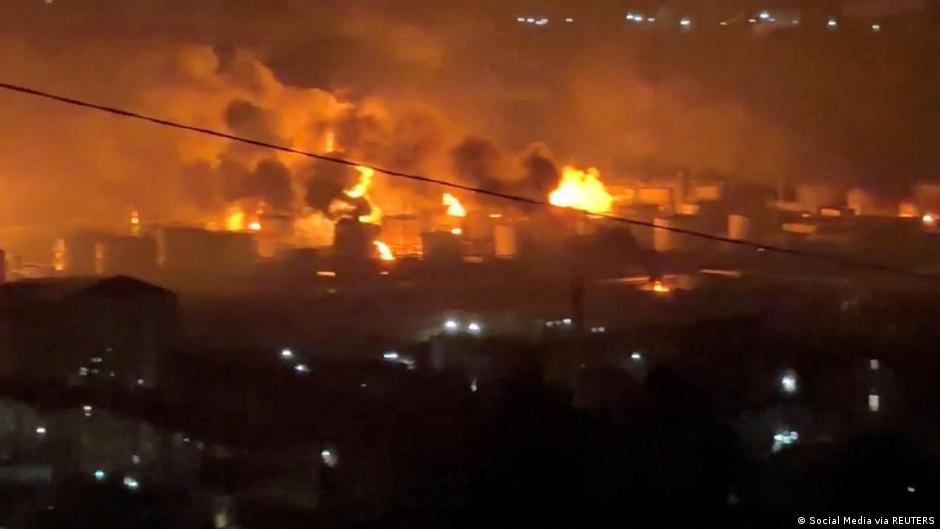
Recent analyses reveal a significant shift in the ongoing conflict between Ukraine and Russia, with Ukraine increasingly gaining the initiative through expanded and intensified drone strikes deep within Russian territory. According to reports, Ukrainian forces conducted more drone attacks than Russia in March 2026, signaling an evolving dynamic that could have profound implications for the digital economy, cybersecurity, and regional stability.
Enhanced Drone Capabilities Reshape Conflict Dynamics
The scale, range, and intensity of Ukraine's operations involving long-range drones have grown considerably, enabling strikes on military and economic targets nearly 2,000 kilometers from the Ukrainian border. This expanded operational reach means that approximately 70% of the Russian population now lives within the effective range of Ukrainian drone attacks.
"Almost every action by Ukraine increasingly inflicts significant damage on Russia," noted analysts tracking the conflict’s progression.
These developments follow a period in which Russian spring offensives failed to achieve anticipated gains, while in April 2026, Russian forces reportedly lost more territory than they captured—the first such occurrence since August 2024. Estimates suggest Russia has relinquished control over areas totaling approximately 133 square kilometers in the past month.
Moreover, human losses are staggering. Since the onset of the full-scale invasion, Russia is estimated to have suffered 1.4 million killed or severely wounded personnel, with monthly military casualties around 35,000. This attrition further stresses Russia’s military sustainability and cybersecurity postures.
Strategic and Economic Implications for Fintech and Digital Security
The intensifying drone campaign underscores the growing role of unmanned aerial vehicles (UAVs) and cyber warfare tactics in modern conflicts, with direct consequences for fintech and digital infrastructure security. Ukrainian drone strikes targeting economic centers and critical infrastructure not only impact physical assets but also disrupt digital networks underpinning financial services and communications.
These developments highlight the importance of robust cybersecurity frameworks and adaptive risk management strategies for businesses operating in or near conflict zones. The ability of Ukrainian forces to project power deep into Russian territory via drones introduces new variables for assessing regional digital threats and potential spillover impacts on international tech markets.
From a financial market perspective, increased volatility is likely in tech stocks associated with defense, cybersecurity, and drone technologies, as investors respond to shifting geopolitical risks. Similarly, the conflict accelerates focus on digital banking resilience and secure payment systems immune to disruption from hybrid warfare tactics.
Looking ahead, military experts emphasize the next few months as critical. The ability of Russia to counter Ukraine’s drone advantages or to mobilize significant forces for a summer offensive will shape the trajectory of the conflict and, by extension, the stability of digital and financial ecosystems in the region.
European Union officials acknowledge Ukraine's strengthened position compared to the previous year, signaling increased international support that may bolster Ukraine’s digital and military capabilities. This evolving landscape necessitates continuous monitoring by fintech innovators, cybersecurity professionals, and investors focused on the intersection of technology and geopolitical risk.