US Sanctions Cuba’s State Oil Company, Impacting Energy Trade and Digital Finance Channels
Washington targets Cuba’s state oil firm CUPET amid escalating geopolitical tensions, signaling risks for energy payments and digital transactions.
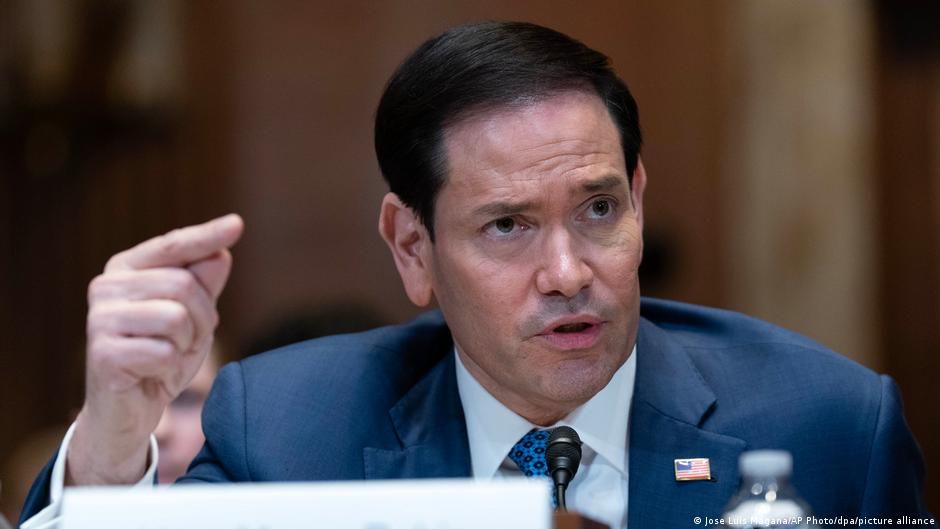
The US Department of State has imposed sanctions on Cuba's state-owned oil and gas company, Union Cuba Petroleo (CUPET), marking a significant escalation in economic pressure on Havana. The announcement was made by Secretary of State Marco Rubio on June 11, highlighting the use of energy resources as instruments of social control by Cuba's communist elite.
Implications for Fintech and Digital Economy
CUPET’s inclusion on the US sanctions list prohibits all US persons and entities from conducting business with the firm, extending to foreign individuals and companies as well. This move disrupts not only traditional energy trade but also threatens the growing intersection between energy payments and digital financial systems.
Energy firms today increasingly rely on digital banking infrastructure and fintech platforms to facilitate cross-border transactions and manage supply chains. Sanctioning a major player like CUPET increases the risk exposure for fintech companies and digital payment providers operating in Latin America and the Caribbean, potentially forcing them to implement stricter compliance and monitoring measures.
"As long as the Cuban regime uses energy trade to enforce its corrupt and oppressive agenda, the US will continue to limit its access to global financial systems," said Marco Rubio.
Furthermore, the sanctions may accelerate Cuba's pivot towards alternative financial technologies, including cryptocurrencies and decentralized finance platforms, to bypass traditional banking restrictions imposed by the US embargo. This shift could have implications for cybersecurity and regulatory oversight in the region.
Geopolitical Context and Economic Fallout
The sanctions come amid a broader US strategy to pressure Cuba’s government, following recent economic sanctions against Cuban President Miguel Diaz-Canel and members of former leader Raul Castro's family. The White House's moves are seen as attempts to restrict Cuba’s ability to leverage energy resources for political control.
Since the US embargo against Cuba began in 1962, the island has faced increasing economic hardship. The current crisis, marked by fuel shortages and electricity outages, has been exacerbated by the recent cessation of oil supplies from Venezuela, Cuba’s main supplier, following US sanctions on Venezuelan President Nicolas Maduro.
These developments reinforce concerns over the stability of energy supply chains and the security of payment systems linked to sanctioned entities. Fintech firms must navigate complex regulatory landscapes while ensuring compliance without compromising transaction efficiency in volatile geopolitical environments.