Ballistic Missile Strikes on Kyiv Raise Security Concerns for Ukraine’s Digital Infrastructure
Recent missile attacks in Kyiv caused casualties and property damage, highlighting risks to critical infrastructure amid ongoing conflict.
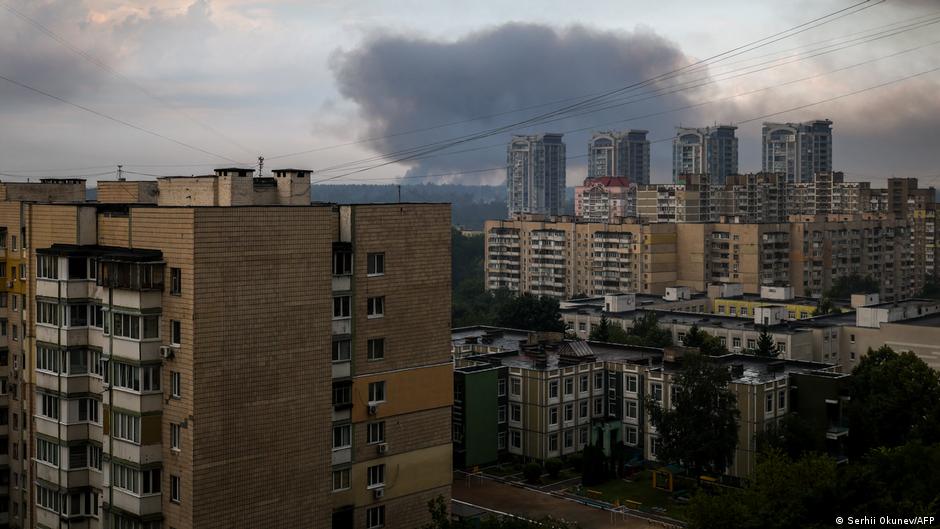
On the night of August 20, Kyiv was targeted by ballistic missiles launched by the Russian military, resulting in at least five fatalities and multiple injuries. The strikes damaged residential buildings and a children’s hospital, raising serious concerns about the resilience of critical infrastructure amid ongoing hostilities.
Impact on Urban Infrastructure and Digital Services
The missile attack inflicted significant damage on two multi-story residential buildings in Kyiv, including a five-story and a nine-story building, with upper floors destroyed and windows shattered. Fires broke out at these sites, compounding the destruction. In addition, a children's hospital sustained damage, and vehicles on its premises caught fire. Fires were also reported in non-residential buildings located in the Darnytskyi and Sviatoshynskyi districts.
These attacks not only cause tragic loss of life and injuries but also threaten the stability of urban services and critical infrastructure. Damage to medical facilities, transportation hubs, and residential areas can disrupt digital networks and emergency response systems essential for maintaining connectivity and public safety.
"14 of the injured were hospitalized, while others received outpatient care or aid at the scene," said Kyiv Mayor Vitali Klitschko, underscoring the gravity of civilian impact.
Furthermore, missile debris landed near a five-story building in the Solomianskyi district, and reports from Ukrainian Telegram channels indicate additional strikes on warehouses in Brovary, a Kyiv oblast suburb. Such attacks on infrastructure hubs may have indirect effects on the region’s logistics and supply chains, which increasingly rely on digital management and monitoring systems.
Broader Implications for Ukraine’s Digital Economy and Security
As Ukraine continues to integrate fintech solutions and digital banking technology into its economy, the stability of its cyber-physical infrastructure remains a critical challenge. Missile strikes and physical attacks on urban centers risk disrupting power supplies, telecommunications, and internet connectivity—all vital for secure payment systems and digital financial services.
The ongoing conflict highlights the necessity for enhanced cybersecurity measures and resilient infrastructure designs that can withstand physical and cyber attacks. The impact on tech stocks and investor confidence may also be influenced by the evolving security situation, as companies operating in Ukraine face increased operational risks.
In the realm of cryptocurrency, which has gained prominence in Ukraine amid financial instability, interruptions to digital infrastructure could affect transaction speeds, security, and accessibility, increasing the sector’s vulnerability to fraud and cyberattacks.
In conclusion, the missile attacks on Kyiv serve as a stark reminder of the intertwined nature of physical security and digital economy resilience in conflict zones. Safeguarding critical infrastructure is essential to protecting not only lives but also the technological backbone supporting Ukraine’s financial and digital sectors.