Drone Attacks on Crimea Highlight Vulnerabilities in Regional Infrastructure and Security
Recent drone strikes on Crimea’s key facilities underscore risks to energy and transport hubs with implications for digital security and economic stability.

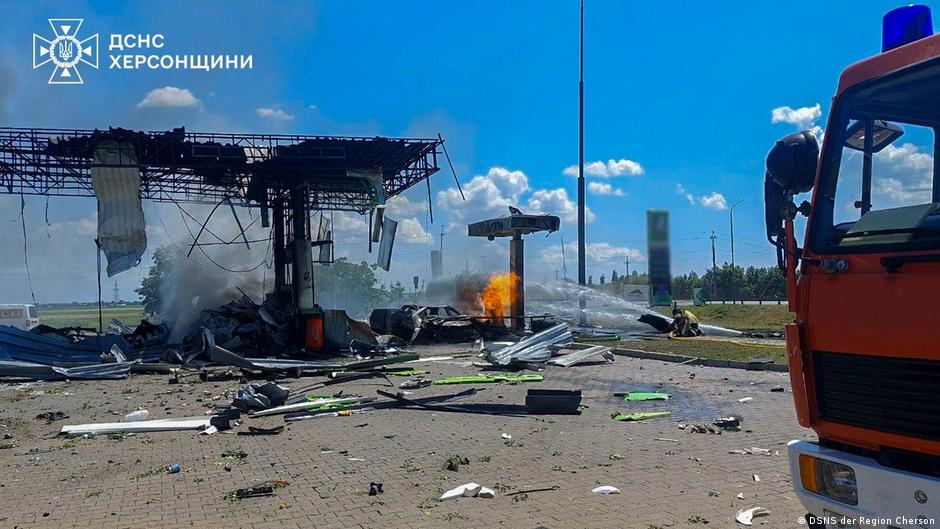
On the night of June 20-21, drone attacks by the Ukrainian Armed Forces targeted Russian-annexed Crimea, focusing on critical infrastructure including the port of Kerch and the city of Sevastopol. Multiple facilities suffered fires and operational disruptions, drawing attention to vulnerabilities in regional security and the potential ripple effects on the digital economy and fintech sectors.
Impact on Energy, Transport, and Security Infrastructure
According to reports, a railway terminal in Kerch used for the storage and transshipment of petroleum products and liquefied gas caught fire following the drone strikes. The terminal, known as the "TES-Terminal," is critical for regional energy logistics. Additional fires were reported at a military base near Kerch and in the village of Kurortnoye, where an air defense facility is located.
In Sevastopol, air defense systems intercepted four unmanned aerial vehicles (UAVs) near Balaklava and Cape Fiolent. Authorities stated no casualties were reported and that military units are actively neutralizing threats using a range of weaponry, including small arms.
"The military in Sevastopol is actively repelling the Ukrainian drone attack using air defense and mobile fire groups," declared the region’s appointed governor.
Temporary closures were imposed on the Crimean Bridge, a vital transport artery linking Crimea to mainland Russia. Traffic was restricted to ensure safety and facilitate security checks, highlighting how critical transport infrastructure is susceptible to disruptions from drone-enabled attacks.
Broader Implications for Digital Economy and Fintech
These drone attacks reveal an emerging threat vector for not only physical infrastructure but also the broader digital and financial ecosystems. The energy and transport sectors are foundational to digital banking operations, payment processing networks, and crypto-mining activities that demand stable power and secure logistics.
Disruptions to petroleum product storage and gas distribution stations can lead to cascading effects on energy availability, influencing the operational costs and risk profiles of fintech companies and data centers operating in or reliant on the region. Moreover, the targeted use of drones represents an escalation in cybersecurity concerns, as such technology can be leveraged for espionage or to disrupt critical digital services.
Investors in tech stocks focusing on robotics, cybersecurity, and energy infrastructure should monitor these developments closely, as the conflict may accelerate demand for innovative drone defense systems and energy security solutions.
With drone warfare becoming an increasingly prevalent tool in modern conflicts, the fintech sector must also consider the potential for indirect impacts—ranging from supply chain interruptions to increased regulatory scrutiny around digital asset security and infrastructure resilience.
In summary, the recent drone strikes on Crimea expose significant vulnerabilities in key regional infrastructure, emphasizing the need for enhanced cybersecurity measures and resilient digital economy frameworks to mitigate operational risks in geopolitically sensitive areas.