Rumen Radev’s Progressive Bulgaria Coalition Leads Parliamentary Elections with Anti-Corruption Platform
The left-centrist coalition led by former Bulgarian president Rumen Radev gains over 40% support amid calls for judicial reform and anti-corruption measures.
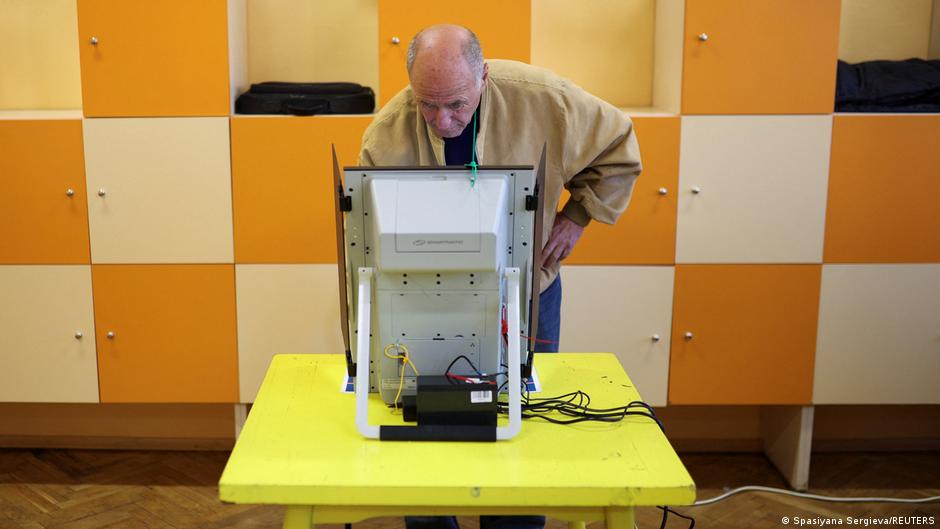
In Bulgaria’s recent parliamentary elections, the left-centrist coalition "Progressive Bulgaria," headed by former president Rumen Radev, is leading with preliminary results showing more than 40% of voter support. This outcome reflects growing public demand for government transparency and systemic reforms in the face of ongoing political unrest.
Official data released after processing approximately one-third of ballots indicate that Progressive Bulgaria secured around 44.6% of the vote. Meanwhile, center-right alliances such as the Citizens for European Development of Bulgaria (GERB), led by ex-prime minister Boyko Borisov, and the liberal coalition "We Continue the Change – Democratic Bulgaria" are polling between 12% and 13%.
Political Upheaval and Its Economic Implications
These snap elections mark the eighth parliamentary vote in Bulgaria over the past five years, triggered by the resignation of the conservative-led government amid mass protests beginning in December 2025. Demonstrators demanded an independent judiciary and an end to endemic corruption, issues that have significant implications for Bulgaria’s investment climate and digital economy growth.
Radev’s coalition has made the anti-corruption fight the centerpiece of its campaign, aiming to restore public trust and overhaul institutions. Observers note that the coalition’s electorate is split between voters with pro-Russian sympathies and those primarily concerned with tackling corruption. This dynamic illustrates the complex geopolitical and internal challenges Bulgaria faces as it navigates economic modernization and digital integration.
“The coalition’s commitment to anti-corruption and judicial independence may reshape Bulgaria’s regulatory environment, impacting fintech development and investor confidence.”
Political stability is crucial for Bulgaria’s fintech sector, which depends on transparent governance frameworks and efficient regulatory oversight. The ongoing political shifts could affect digital banking initiatives, cybersecurity policies, and the development of blockchain and crypto regulation in Bulgaria’s emerging digital economy.
Furthermore, Radev’s stance on military aid, particularly his calls for reducing support to Ukraine, reflects a broader geopolitical balancing act that could influence Bulgaria’s international partnerships and EU integration efforts—factors that weigh heavily on foreign direct investment and tech sector growth prospects.
Voter turnout in the election was reported at 43.4%, with five parties surpassing the 4% parliamentary threshold, indicating a fragmented political landscape. The economic and technological implications of Bulgaria’s evolving political scene will be closely monitored by investors and digital economy stakeholders.