Russia Signs Military-Technical Cooperation Pact with Taliban Amid Geopolitical Shifts
The agreement may impact regional security dynamics and has potential implications for defense technology transfers between Russia and the Taliban.
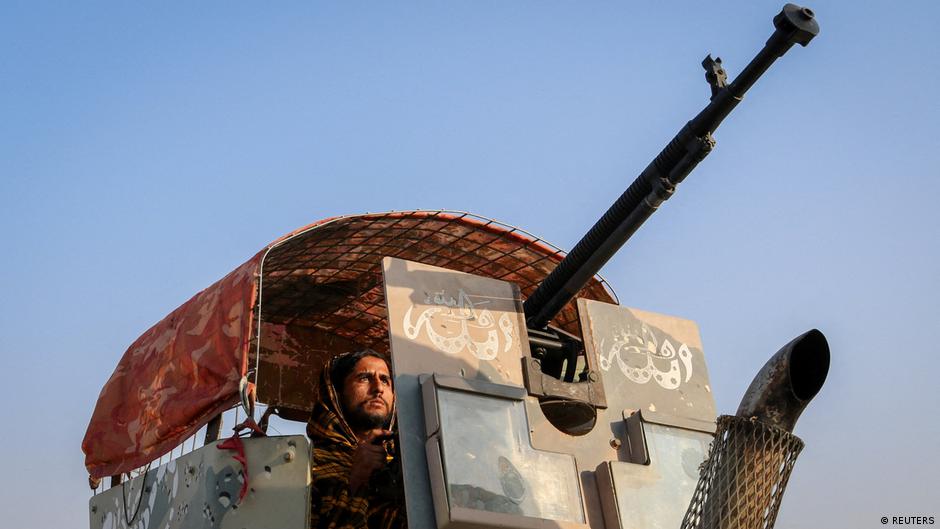
Russia has formalized a military-technical cooperation agreement with the Taliban, the ruling radical Islamist movement in Afghanistan. The pact, signed during the International Security Forum near Moscow, marks a significant development in Moscow's engagement with Kabul's new leadership and raises questions about future arms transfers and defense technology collaborations.
Details and Context of the Agreement
The document was signed on May 27 during the security forum held in the Moscow region, though specific terms were not disclosed. Historically, such agreements often involve the exchange of military hardware, licenses for the production or use of weaponry, and joint development of defense technologies. This collaboration could potentially extend Russia's influence in Afghanistan and reshape the military landscape in Central Asia.
According to experts, while the agreement signals an official partnership, some analysts consider the move largely symbolic. Russia's geopolitical calculus includes maintaining influence in Afghanistan to counterbalance Western withdrawal and expanding ties with regional powers. Yet the scope of practical military cooperation remains uncertain given Afghanistan's limited defense infrastructure and ongoing instability.
"The pact reflects a strategic alignment but lacks immediate operational groundwork for extensive military collaboration," said a regional security analyst.
The signing followed a high-level meeting between Russian Security Council Secretary Sergey Shoigu and Afghanistan’s Defense Minister Mohammad Yaqoob, a senior Taliban figure and son of the group's founder, Mullah Mohammed Omar. During their discussions, Yaqoob emphasized growing bilateral relations, while Shoigu called on Western countries to unfreeze Afghan assets and support the country’s reconstruction efforts.
Implications for Regional Security and Digital Economy
While primarily a military agreement, the deal's ripple effects could extend into the digital realm, affecting fintech and cybersecurity sectors. Increased military cooperation may accelerate the introduction of Russian defense technologies in Afghanistan, potentially including communications and cyber-defense systems. This could influence digital security frameworks across the region, impacting both governmental and private-sector cybersecurity protocols.
Moreover, as Afghanistan seeks to stabilize its economy under the Taliban, digital payment platforms and banking innovations could become pivotal in managing funds and aid. Russia’s engagement with Afghanistan might foster new opportunities for Russian fintech companies to assist in developing secure digital financial infrastructures, which are critical in a country facing sanctions and international isolation.
However, the agreement also raises concerns around the potential proliferation of technology and weapons that could destabilize the region, complicating international efforts to monitor arms flows and enforce sanctions.
The Kremlin’s decision to remove the Taliban from its terrorist organizations list and accept its ambassador in Moscow demonstrates a strategic shift in Russia's foreign policy, signaling a readiness to integrate Afghanistan into its geopolitical sphere. This development has implications for investors and stakeholders in the defense technology and cybersecurity industries, as shifts in alliances often influence tech stock valuations and security market forecasts.