Russian Air Strikes on Kramatorsk Impact Civilian Infrastructure Amid Ongoing Conflict
Russian forces launched multiple air bomb attacks on Kramatorsk and nearby Bilenke, causing casualties and damaging residential buildings.
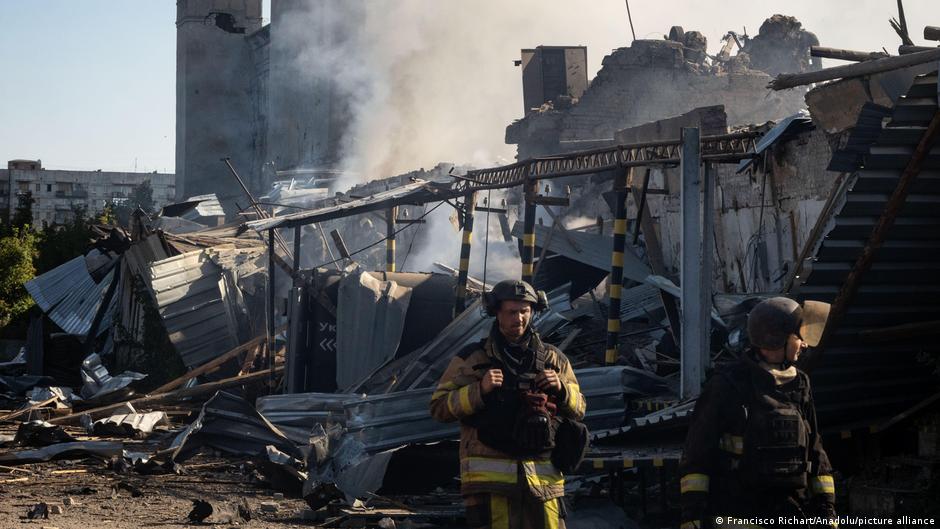
On the evening of August 13, Russian military forces carried out a series of air strikes on the city of Kramatorsk and the adjacent urban-type settlement of Bilenke in Ukraine's Donetsk region. Preliminary reports indicate that air-dropped bombs were used in these attacks, resulting in at least one confirmed fatality and 15 injuries.
Vadym Filashkin, head of the regional military administration, stated that eight strikes occurred between 20:30 and 20:56 local time. The attacks targeted residential areas, with damage reported to multi-story apartment buildings, including the partial collapse of a nine-story building accompanied by fire outbreaks. Rescue operations are ongoing as people may remain trapped under rubble.
Infrastructure Damage and Regional Stability Concerns
Kramatorsk, situated near the frontline, has faced repeated aerial bombardments in recent weeks. Earlier incidents include an attack on July 31 when four air bombs struck the city, killing one and injuring 11, with fires spreading over 685 square meters. The previous day, five FAB bombs were dropped, one hitting a multi-story residential building and causing injuries to six civilians. On the night of July 20, multiple bombardments of residential areas further resulted in casualties.
“The repeated targeting of civilian infrastructure raises grave concerns about the humanitarian impact and regional stability,” said an expert on conflict zones.
These continuous strikes not only exacerbate the humanitarian crisis but also undermine the stability needed for economic recovery, including the digital economy and fintech sectors in the region. Destruction of infrastructure disrupts payment systems, internet connectivity, and access to digital banking services, complicating efforts to maintain financial operations and cybersecurity resilience amid conflict.
As the conflict persists, the resilience of Ukraine's digital payment networks and fintech innovations faces significant challenges. Ongoing damage to critical infrastructure threatens the operational continuity of tech platforms, crypto exchanges, and digital banking providers that have been pivotal during wartime economic adaptation.