Russian Military Strike in Zaporizhzhia Disrupts Power, Raises Cybersecurity Concerns in Regional Infrastructure
Russian attack on Zaporizhzhia causes power outages and fires, highlighting vulnerabilities in digital and energy infrastructure.
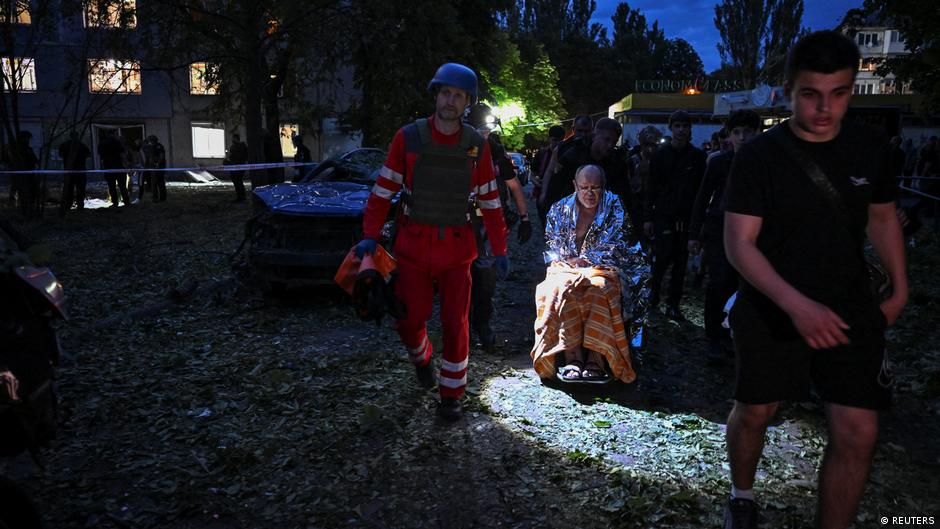
On the night of June 7th, a Russian military strike targeted the Ukrainian city of Zaporizhzhia, resulting in a fire outbreak and partial power outages in one of its districts. Ivan Fedorov, head of the Zaporizhzhia Regional Military Administration, confirmed the incident and noted that emergency services and energy workers are actively responding to restore electricity.
The attack underscores escalating risks to critical infrastructure, especially in regions where digital economy and energy systems are increasingly interdependent. Authorities had earlier warned about the potential use of precision-guided aerial bombs and ballistic missiles in the area, reflecting a tactical shift with significant implications for the cybersecurity of energy and communication networks.
Implications for Digital Economy and Infrastructure Security
The sustained military aggression has direct consequences for fintech operations, digital banking services, and cybersecurity protocols in Zaporizhzhia and broader eastern Ukraine. Power outages disrupt payment systems and online financial services, while damage to physical infrastructure raises concerns about the resilience of digital platforms reliant on uninterrupted energy supply.
"The power disruption highlights vulnerabilities in our regional infrastructure that are critical for maintaining digital financial services and secure communications," an industry analyst commented.
Earlier, on June 4th, Russian drone attacks targeted a residential area in Zaporizhzhia, damaging a multi-story building and nearby vehicles, resulting in casualties. Such attacks on civilian infrastructure further strain technological networks and underscore the urgency for fortified cybersecurity measures and robust backup systems in fintech and digital service sectors.
Financial institutions and tech companies operating in conflict zones face mounting challenges in safeguarding user data and ensuring transaction continuity. The Zaporizhzhia incident serves as a reminder for heightened cybersecurity investments and strategic contingency planning amidst geopolitical instability.
As tensions persist, the interplay between military actions and digital infrastructure resilience remains a critical concern for stakeholders across fintech, digital banking, and cybersecurity domains.