Drone Attacks in Dnipro Highlight Growing Cybersecurity and Infrastructure Risks in Digital Economy
Seven people injured in drone strikes on Dnipro expose vulnerabilities impacting urban payments and digital banking systems.
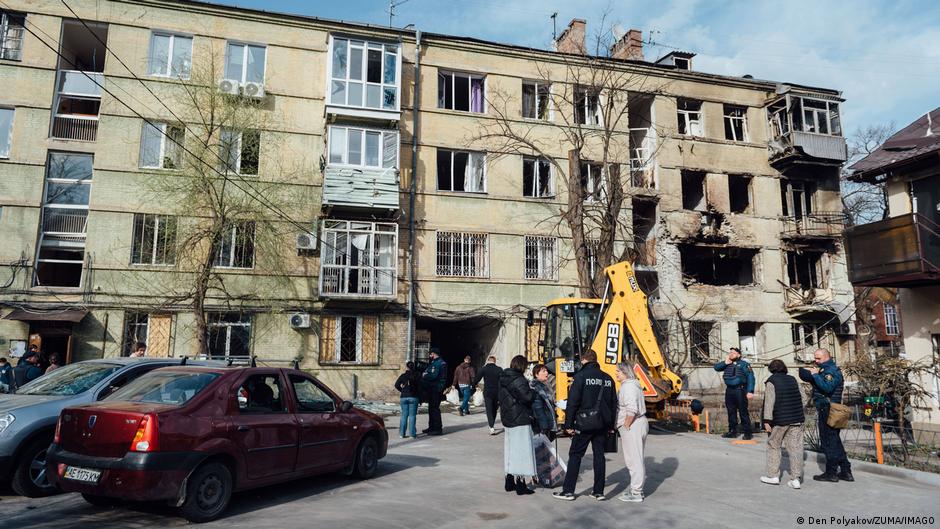
On the night of April 23, a series of drone attacks targeted various districts of Dnipro, Ukraine, resulting in injuries to seven individuals, including two young girls aged 9 and 14. Local authorities reported that the strikes caused fires in several apartments of a high-rise building, as well as damage to a store and a vehicle.
The attacks underscore the escalating risks that critical urban infrastructure faces amid ongoing conflicts, with significant implications for the fintech sector, particularly digital payment systems and banking services that rely on stable and secure environments.
Impact on Urban Infrastructure and Digital Economy
Alexander Ganja, head of the Dnipropetrovsk Regional Military Administration, confirmed in a Telegram post that among those injured, five were hospitalized with moderate injuries, including the two children. Specifically, the strikes hit apartments on the fourth and fifth floors of a residential building, igniting fires that quickly spread. The attacks also damaged nearby commercial properties and vehicles.
"The safety of residents and the security of urban infrastructure are paramount to maintaining trust in digital payment and banking services," said a regional cybersecurity analyst.
Dnipro had been previously targeted by drone and ballistic missile strikes on April 16, resulting in four deaths and 34 injuries. These attacks also damaged residential buildings, garages, vehicles, and an educational institution, further destabilizing the city's infrastructure.
Repeated assaults pose a growing threat to the digital economy, as disruptions in electricity, telecommunications, and physical infrastructure can impede digital banking operations, e-commerce, and the processing of electronic payments. Financial institutions in conflict zones face heightened cybersecurity challenges, including protecting transaction data and ensuring the continuity of financial services.
As cities like Dnipro endure continued attacks, there is an urgent need for enhanced cybersecurity measures, resilient digital infrastructure, and contingency planning within the fintech sector to mitigate risks associated with physical and cyber threats.
Moreover, the broader implications for tech stocks and investment in digital banking platforms in conflict-affected regions are significant, as investor confidence may waver amidst ongoing instability. Strengthening the intersection between physical security and digital resilience is becoming increasingly critical for sustaining the growth and stability of the digital economy in Ukraine and similar contexts.