EU Reaffirms Long-Term Support for Ukraine Amid Geopolitical Tensions
European Union pledges sustained backing and sanctions on Russia, signaling a strategic commitment to Ukraine's future integration and stability.
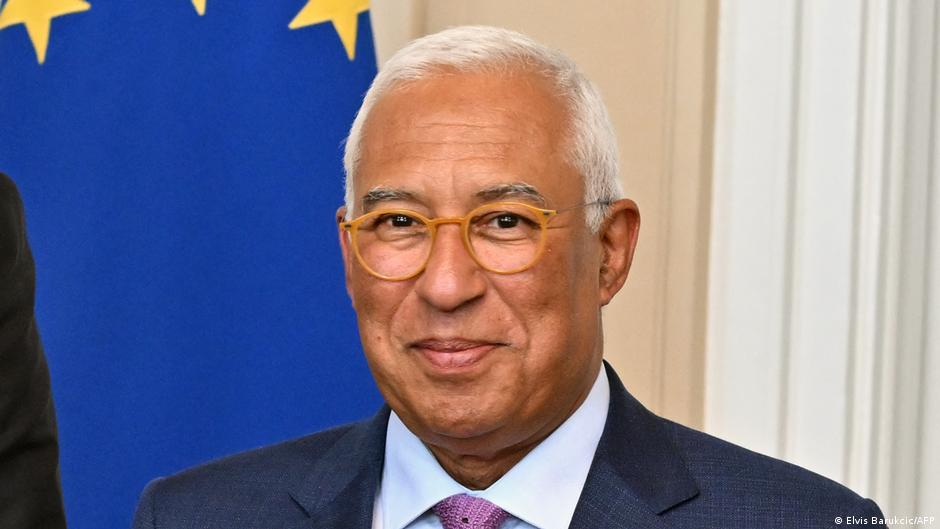
On Ukraine's Independence Day, the European Union underscored its unwavering support for Kyiv, affirming a multifaceted commitment that extends beyond the current conflict. European Council President António Costa articulated the EU's position, emphasizing that Ukraine's future membership in the union represents the best guarantee of security and democratic stability both for Ukraine and Europe.
Strategic Support and Sanctions
In a statement released on August 24, marking Ukraine’s Independence Day, Costa confirmed the EU's readiness to continue providing aid "as long as necessary," encompassing wartime assistance, peace negotiations, and post-conflict reconstruction.
"We will continue to provide as much support as needed and for as long as required—during the war, peace negotiations, and rebuilding," Costa declared.
Further, the EU signaled its determination to maintain and intensify sanctions pressure on Russia until Moscow ceases hostilities and commits sincerely to peace talks. Costa stressed that the EU will sustain this pressure "until Russia stops the killings and moves from the battlefield to the negotiating table." This stance reflects the EU's leveraging of economic and diplomatic tools to influence the geopolitical landscape.
Implications for the Digital Economy and Fintech
The EU's ongoing support for Ukraine carries significant implications for the fintech and digital economy sectors, particularly in areas such as digital banking, payments infrastructure, and cybersecurity. Continued aid and integration efforts could accelerate Ukraine's adoption of EU digital standards, fostering greater interoperability and security in financial transactions.
Moreover, persistent sanctions on Russia maintain pressure on its financial networks, potentially disrupting illicit finance flows and cyber threats targeting European and global fintech ecosystems. This environment heightens the importance of robust cybersecurity measures and innovation in digital payments to safeguard economic resilience.
Global Leadership Engagement
António Costa is set to personally participate in the "Coalition of the Willing" meeting in Kyiv on August 24, alongside other global leaders including UK Prime Minister Rishi Sunak on his first foreign trip since taking office. The summit will feature notable participants such as German Chancellor Friedrich Merz, French President Emmanuel Macron, and leaders from Northern Europe and the Baltic states.
This high-profile gathering symbolizes a unified front supporting Ukraine's sovereignty and strategic alignment with Western institutions. The coalition aims to coordinate diplomatic, economic, and security efforts that may also influence digital economy policies and investment flows in the region.
In sum, the EU's recommitment to Ukraine amid ongoing conflict signals not only geopolitical resolve but also potential advancements in digital integration and financial sector resilience, critical areas for the broader European fintech landscape.