Business
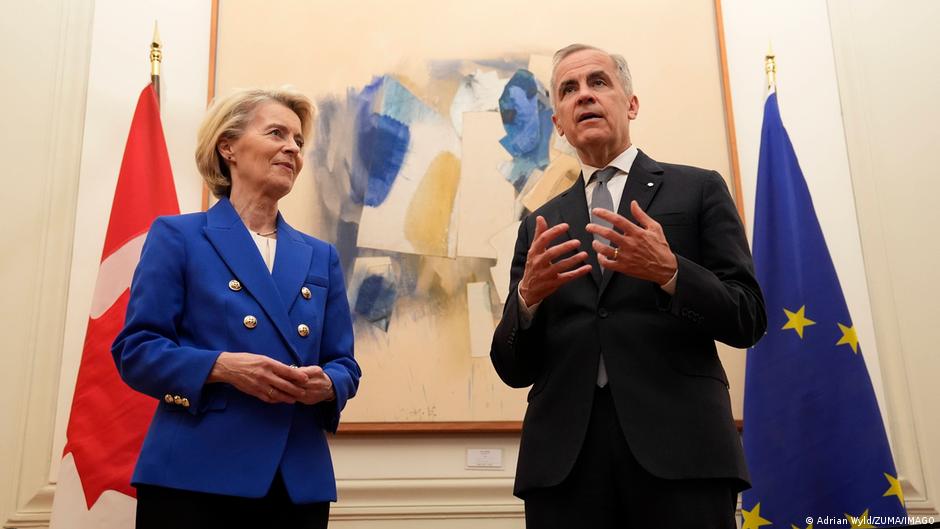
Canada Seeks Role in EU Ukraine Loan as Digital Trade Ties Deepen
Canada is negotiating entry into the EU’s €90 billion Ukraine loan while pursuing AI, supercomputing and digital trade ties with Brussels.
Editorial Team · Sep 14, 2026
Canada is negotiating entry into the EU’s €90 billion Ukraine loan while pursuing AI, supercomputing and digital trade ties with Brussels.

Hungary’s veto on key EU negotiation clusters delays Ukraine’s integration into digital economy frameworks, affecting fintech, payments, and cybersecurity progress.
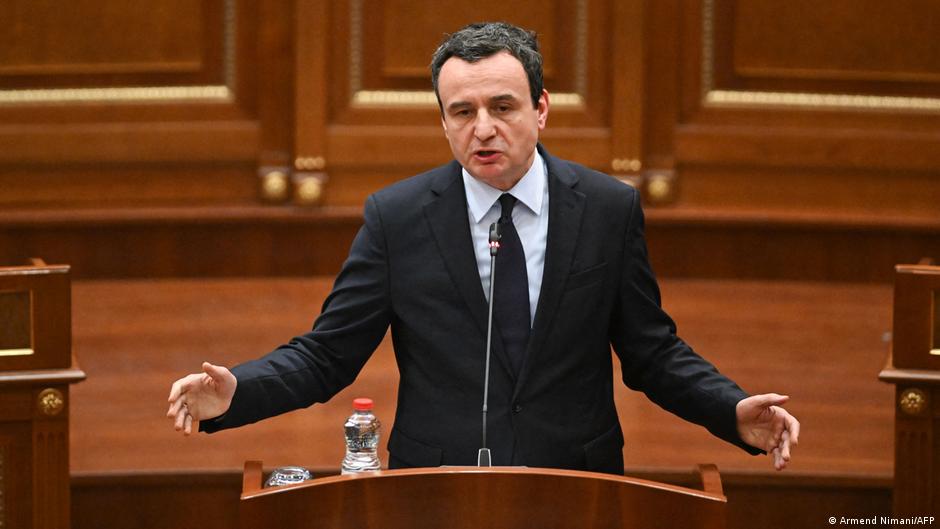
Kosovo’s Vetëvendosje party wins snap elections with 43%, but must form a coalition amid political instability affecting digital economy reforms and fintech development.

Armenia’s recent parliamentary elections reinforce Prime Minister Pashinyan’s EU-oriented agenda, with major implications for the country’s fintech, digital banking, and cybersecurity sectors.
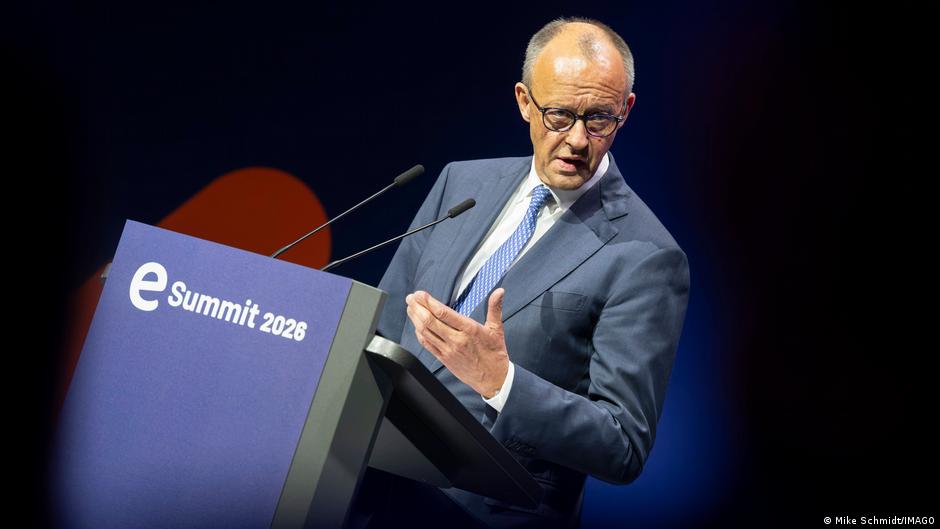
Sources close to Chancellor Friedrich Merz deny rumors of his early replacement, stressing constitutional complexities amid political challenges affecting Germany's digital economy.
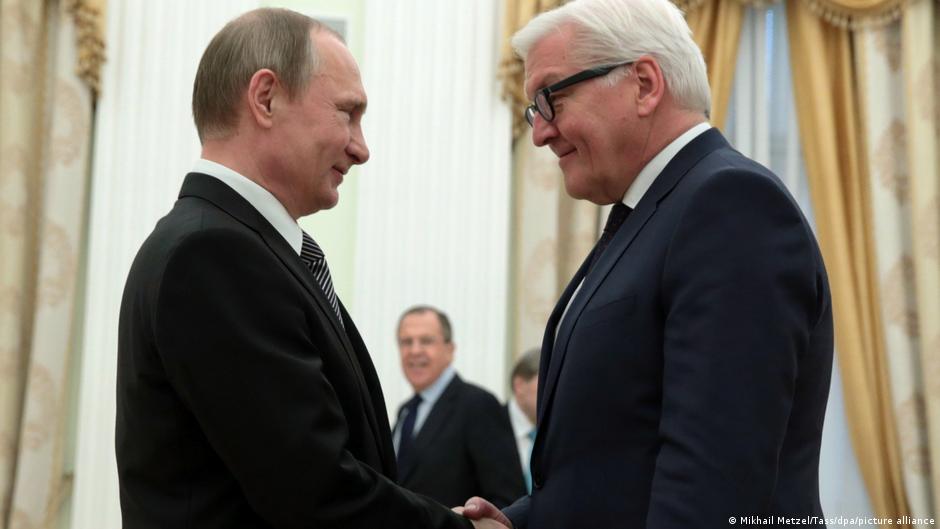
Germany considers President Steinmeier alongside ex-Chancellor Schröder to represent the EU in peace talks with Russia, a move with potential fintech and digital economy ramifications amid the Ukraine conflict.
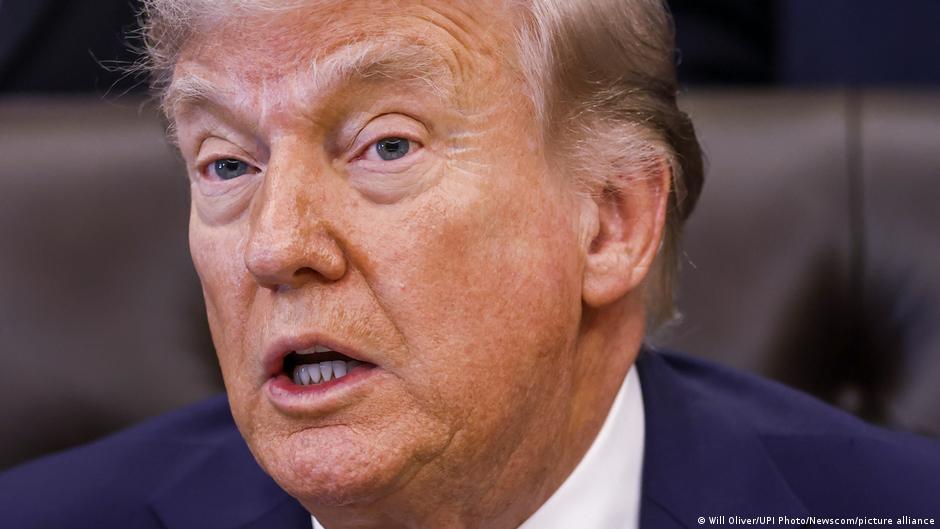
US President Trump sees Putin's possible attendance at the 2026 G20 Miami summit as beneficial but is uncertain about Russia's official invitation and participation.
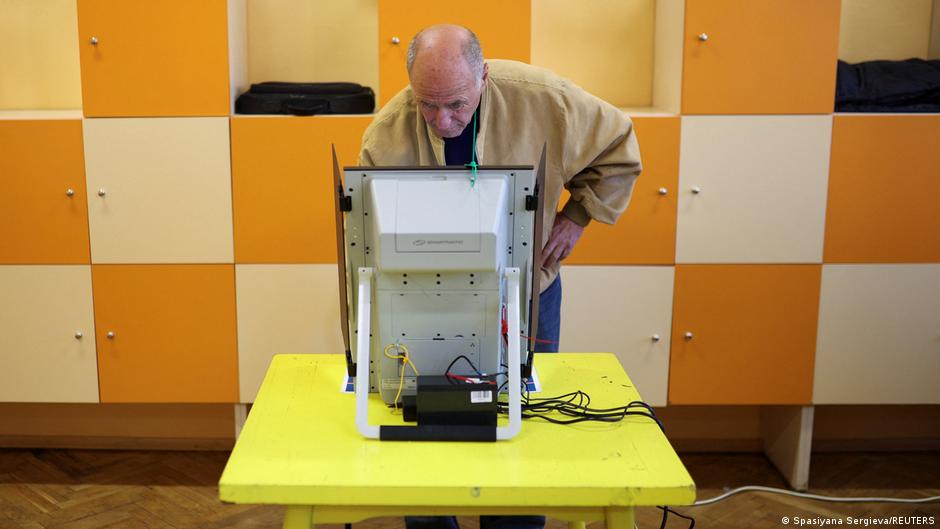
Bulgaria’s Progressive Bulgaria coalition, led by ex-president Rumen Radev, leads elections with over 40% amid anti-corruption and judicial reform demands, impacting the digital economy landscape.