Georgia Opposition Launches New Protest Wave as Political Risks Mount
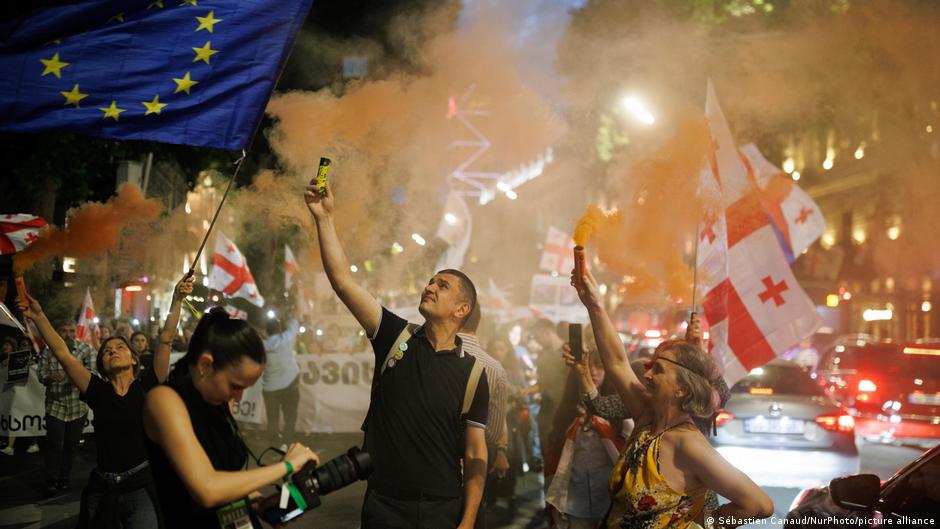
Georgia’s opposition has launched a new protest wave, increasing political uncertainty for the country’s banks, fintech sector and digital economy.

Georgia’s opposition has launched a new protest wave, increasing political uncertainty for the country’s banks, fintech sector and digital economy.

Bulgaria’s presidential race heads to a runoff amid low turnout, Black Sea drone incidents and growing concern over digital infrastructure security.

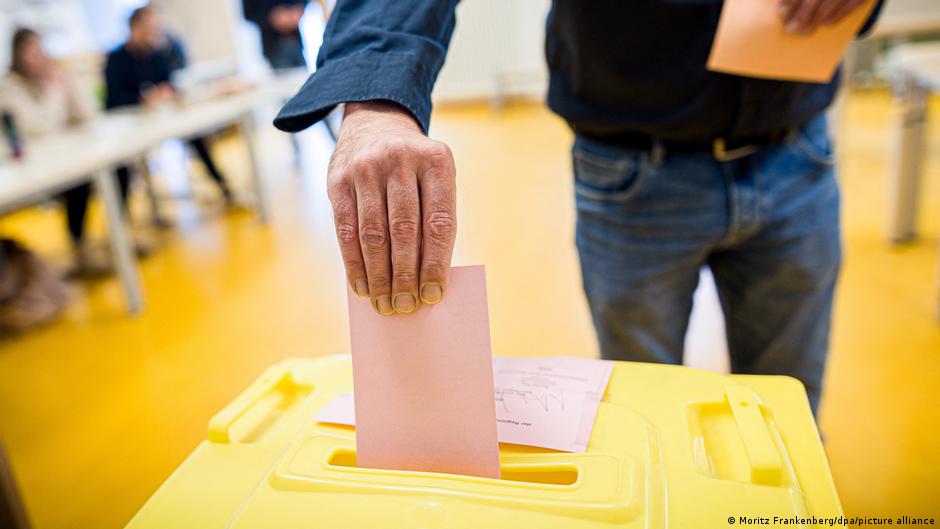
Germany’s economy minister says the Left Party’s Berlin win could hurt investor confidence and Germany’s appeal as a business location.

AfD lost all three Lower Saxony runoff bids, while Greens held Hanover and gained ground in major cities with digital economy stakes.

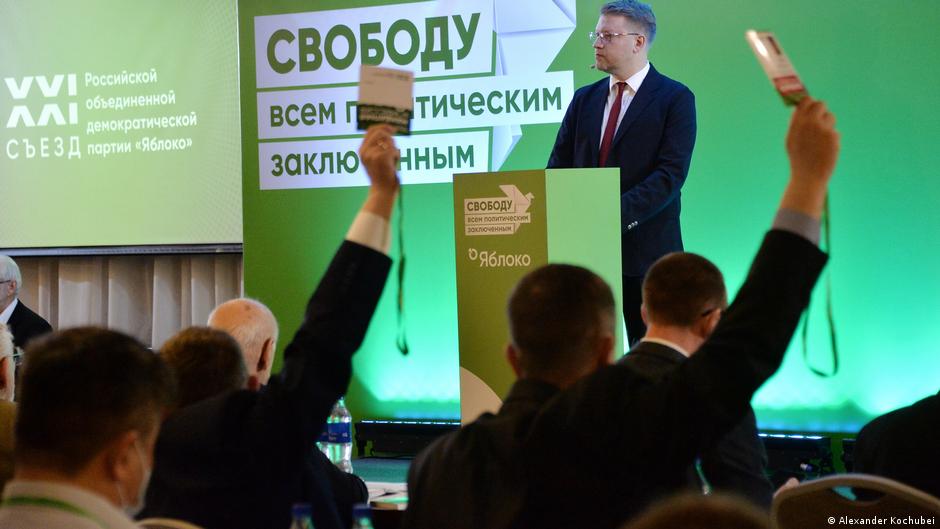
Yabloko’s 6.2% Novgorod result may preserve its route to future Duma ballots, a governance signal for Russia’s regulated digital economy.

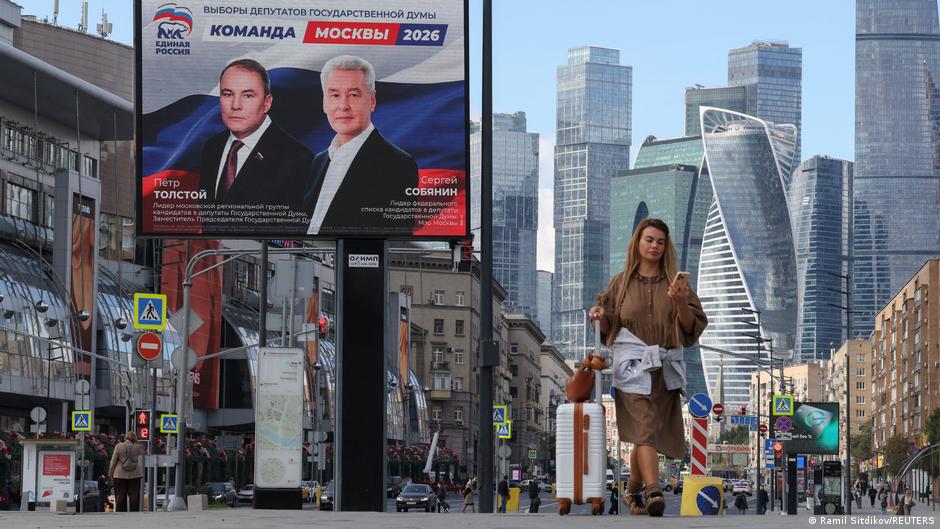
United Russia’s early Duma lead signals policy continuity for Russia’s payments, digital banking, crypto and cybersecurity sectors.

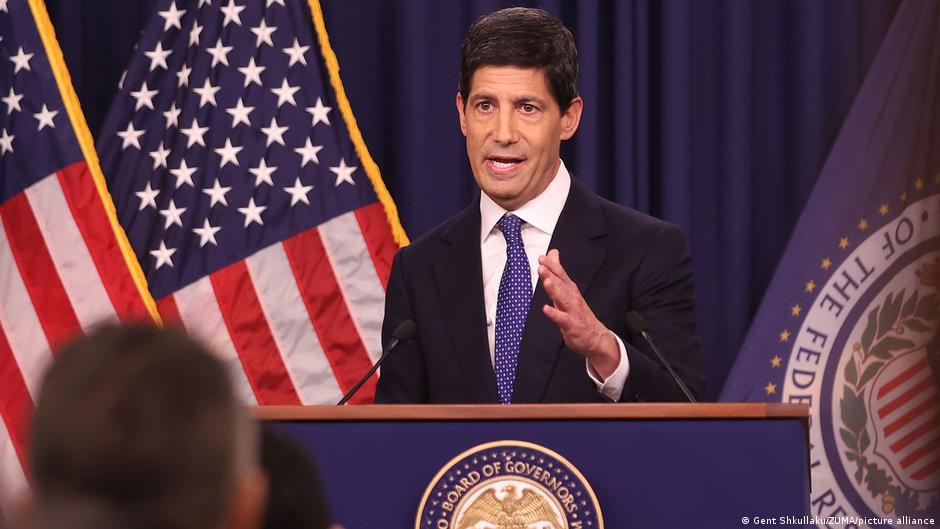
The Fed lifted rates to 3.75%-4%, its first increase in three years, putting fintech, crypto, payments and tech stocks under pressure.

AfD won 43.8% in Saxony-Anhalt, but coalition uncertainty raises policy risk around energy, sanctions and the digital economy.

Darlin Graham Norton was appointed to fill her late brother Lindsey Graham’s Senate seat, securing a fragile Republican majority and influencing fintech and digital economy policies.

Far-right businessman Abelardo de la Espriella wins Colombia's presidency, promising economic deregulation and enhanced security cooperation with the U.S.

King Charles III visits the US amid geopolitical tensions, aiming to restore US-UK ties while economic and security concerns impact fintech and defense sectors.

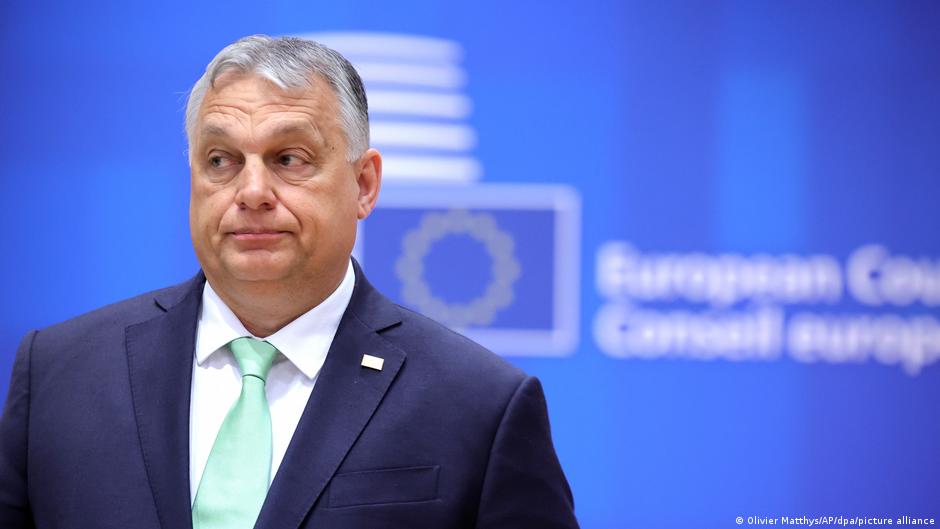
Outgoing Hungarian PM Viktor Orban declines parliamentary mandate amid leadership changes and new government plans to reverse key policies affecting EU relations and digital economy prospects.