Business
Greens Hold Hanover as AfD Loses Key Local Runoffs in Lower Saxony
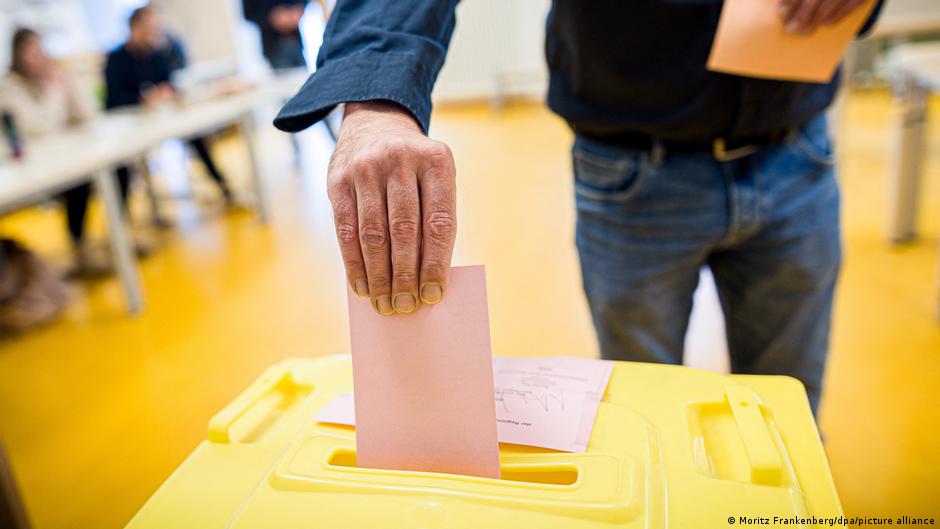
AfD lost all three Lower Saxony runoff bids, while Greens held Hanover and gained ground in major cities with digital economy stakes.
Editorial Team · Sep 28, 2026
AfD lost all three Lower Saxony runoff bids, while Greens held Hanover and gained ground in major cities with digital economy stakes.
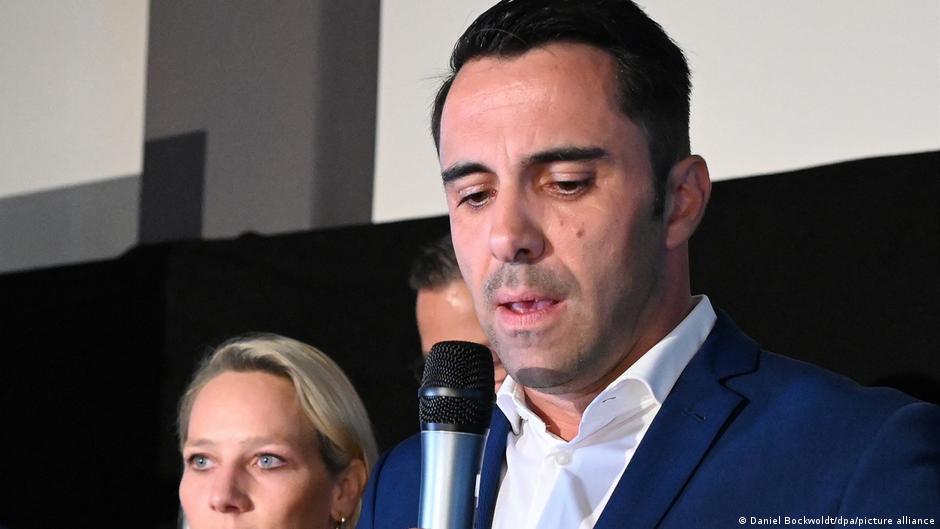
The CDU’s historic defeat in Mecklenburg-Vorpommern adds political risk for fintech, digital banking and tech investors watching Germany.

The Left Party’s Berlin win could reshape the city’s housing, governance and investment climate for fintech and digital economy firms.
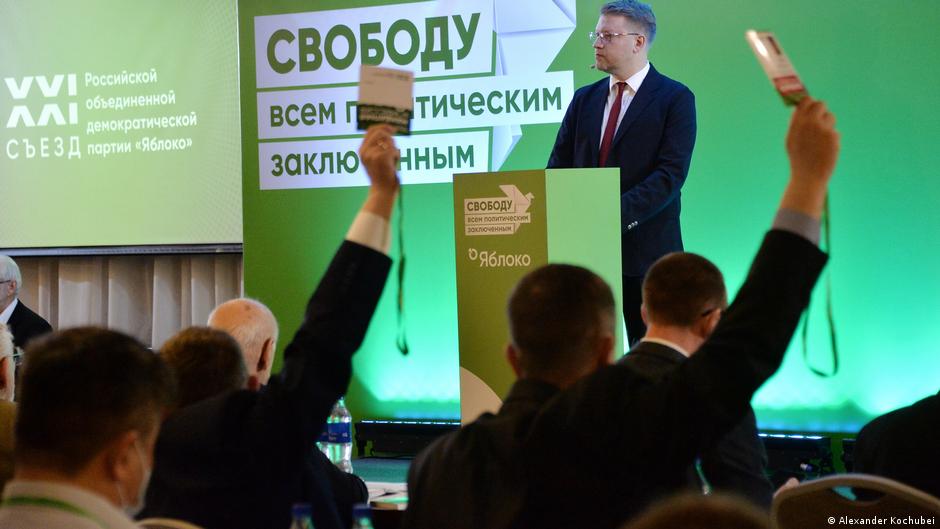
Yabloko’s 6.2% Novgorod result may preserve its route to future Duma ballots, a governance signal for Russia’s regulated digital economy.
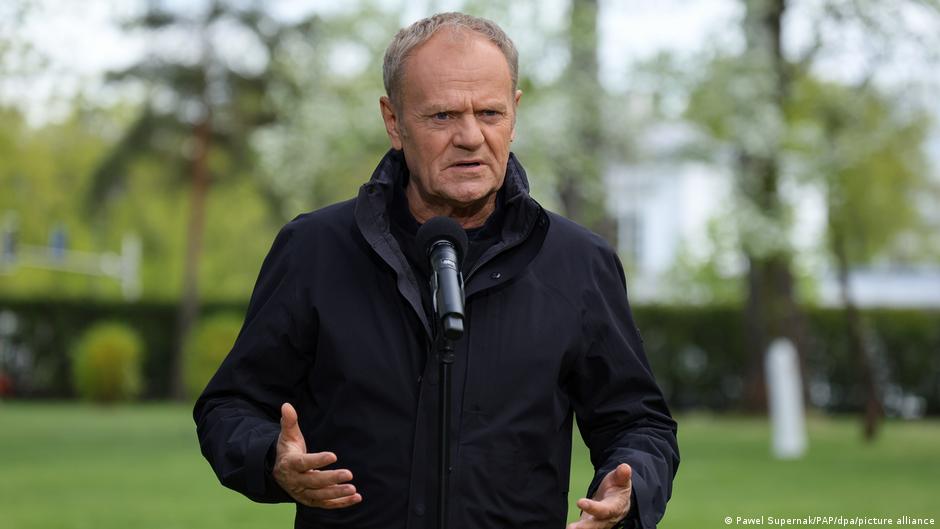
European leaders reacted sharply to AfD’s projected win in Saxony-Anhalt, a result that could heighten political risk for fintech and digital markets.
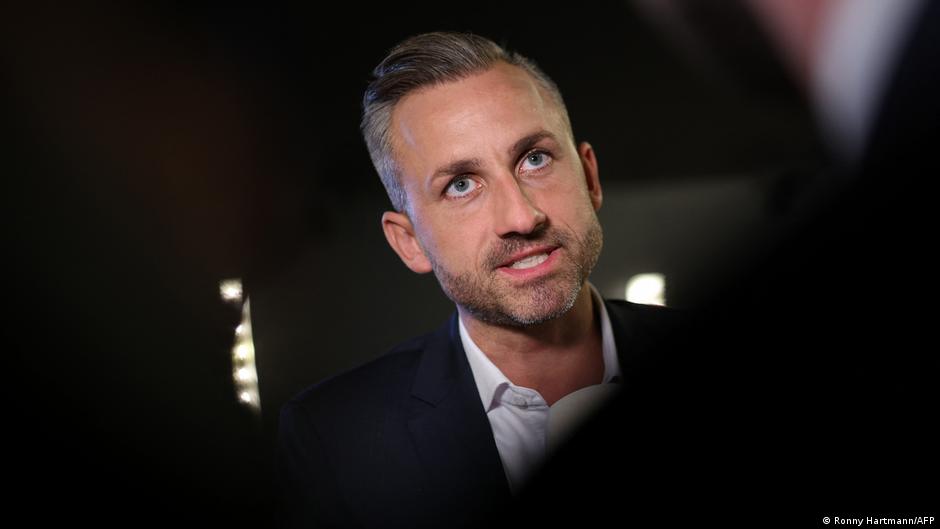
AfD won 43.8% in Saxony-Anhalt, but coalition uncertainty raises policy risk around energy, sanctions and the digital economy.
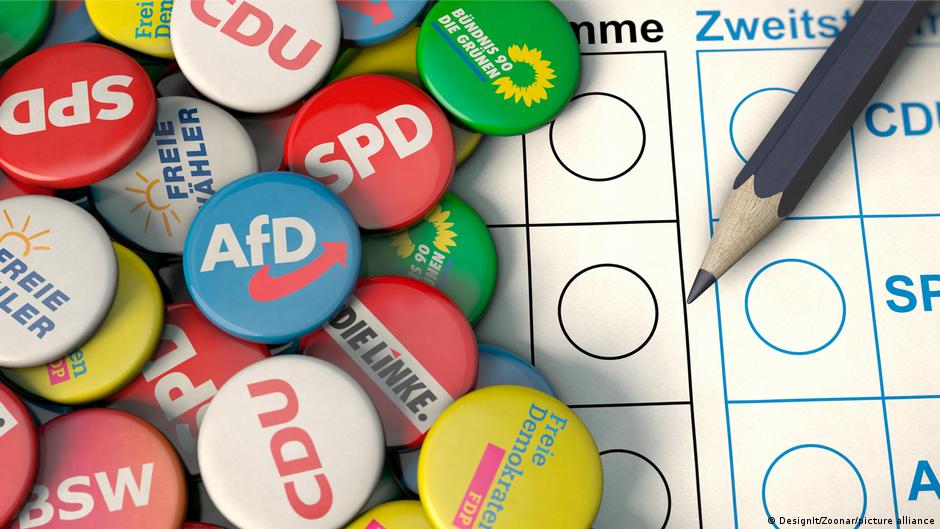
Support for Germany's CDU/CSU drops to 20% with far-right AfD leading polls; upcoming regional elections may reshape political and fintech sector landscapes.
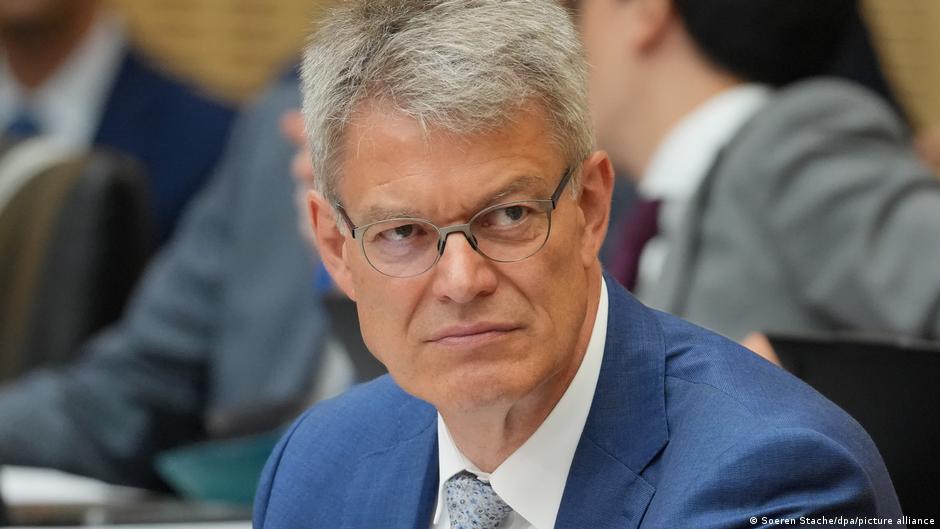
Germany’s Transport Minister Patrick Schnieder resigns amid political tensions; Chancellor Friedrich Merz to nominate Steffen Bilger as successor, with key transport and digital economy decisions pending.

A Kremlin-linked bot network disseminates fake news mimicking German media to influence voter sentiment ahead of September regional elections.
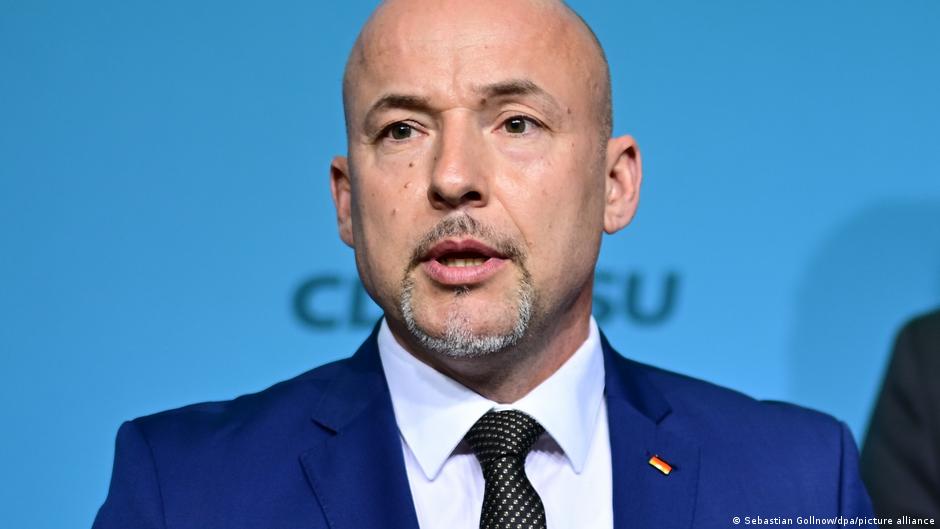
German politician Alexander Hoffmann urges Ukraine to share advanced drone technologies to enhance Germany's defense capabilities through a formal government agreement.
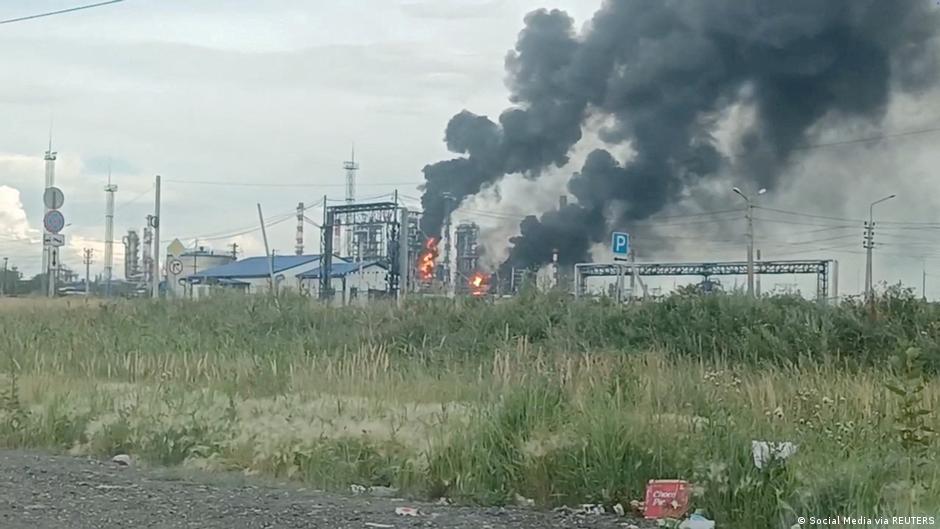
The Saratov oil refinery in Russia has ceased operations after drone attacks damaged key processing units, intensifying fuel shortages and impacting the digital economy.
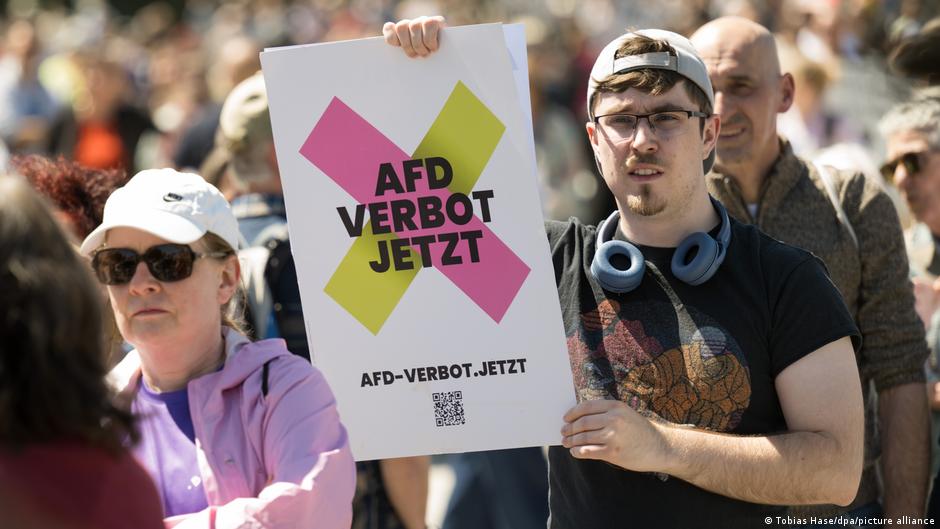
A poll finds 45% of Germans oppose banning the far-right AfD, which leads the CDU/CSU by 8%, signaling political shifts that could impact fintech and digital economy sectors.
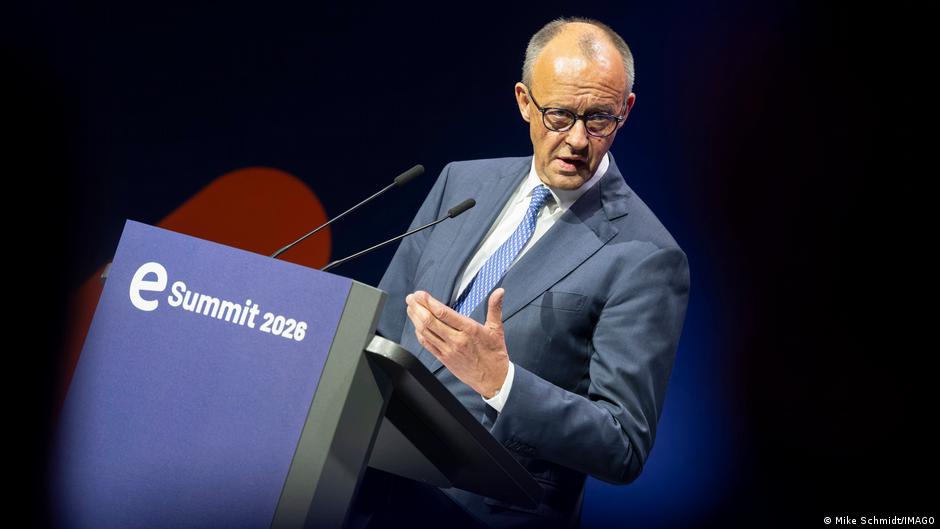
Sources close to Chancellor Friedrich Merz deny rumors of his early replacement, stressing constitutional complexities amid political challenges affecting Germany's digital economy.
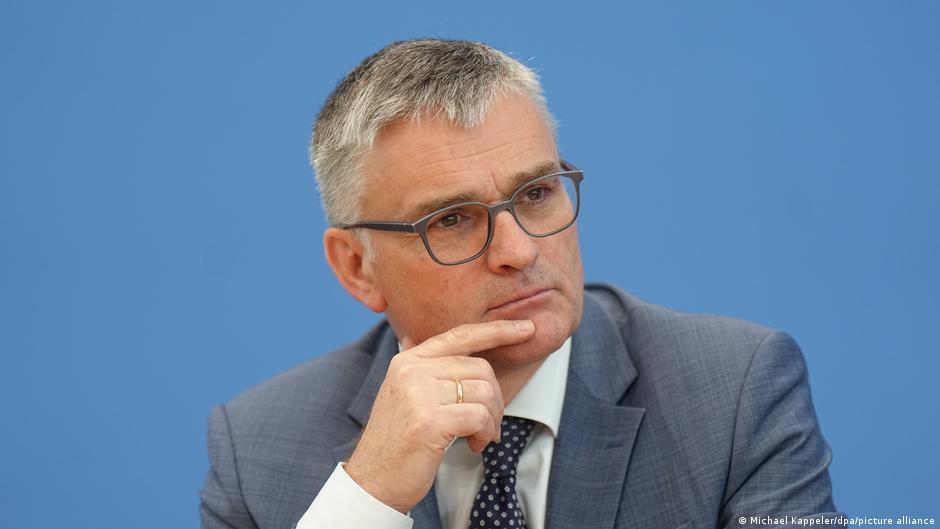
Germany accelerates its own long-range missile development after US declines Tomahawk deployment, aiming to counter Russian Iskander threats and strengthen European defense.
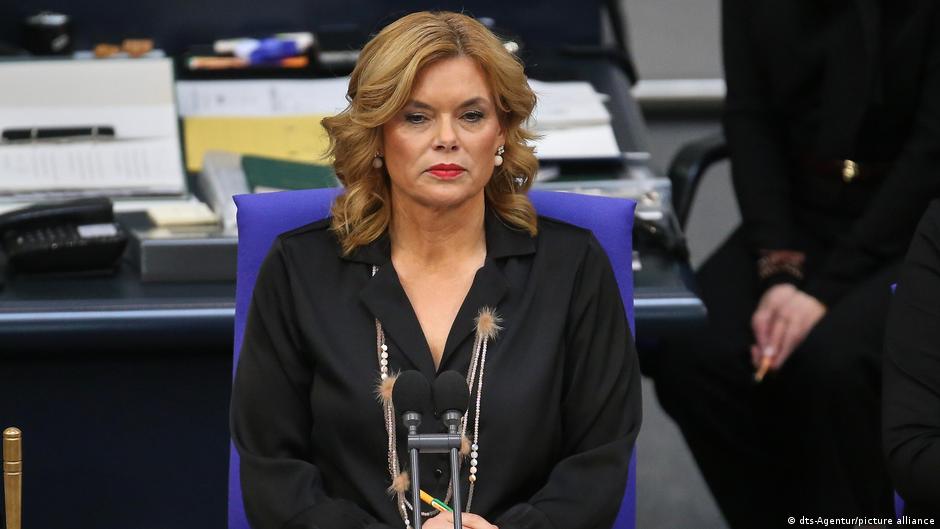
A phishing attack compromised the Signal account of German Bundestag chair Julia Klöckner, affecting CDU leadership communications and exposing cybersecurity vulnerabilities in political digital messaging.