Drones Strike Moscow Residential Building, Highlighting Emerging Cybersecurity Risks
A drone crashed into a residential building in Moscow, exposing growing cybersecurity risks for urban fintech and digital infrastructure.

A drone crashed into a residential building in Moscow, exposing growing cybersecurity risks for urban fintech and digital infrastructure.

Jean-Luc Mélenchon confirms his candidacy for France's 2027 presidential election, highlighting potential impacts on fintech regulation and digital economy policies.

The UK plans to join an EU €90 billion loan program for Ukraine, enhancing defense cooperation and fintech integration between London and Brussels.

Iran has submitted a 14-point peace plan to the US demanding sanctions relief and naval guarantees, with significant implications for fintech, digital payments, and regional stability.

The US announces a major troop reduction in Germany, exceeding 5,000 soldiers, impacting NATO dynamics and defense-related tech sectors amid escalating geopolitical tensions.

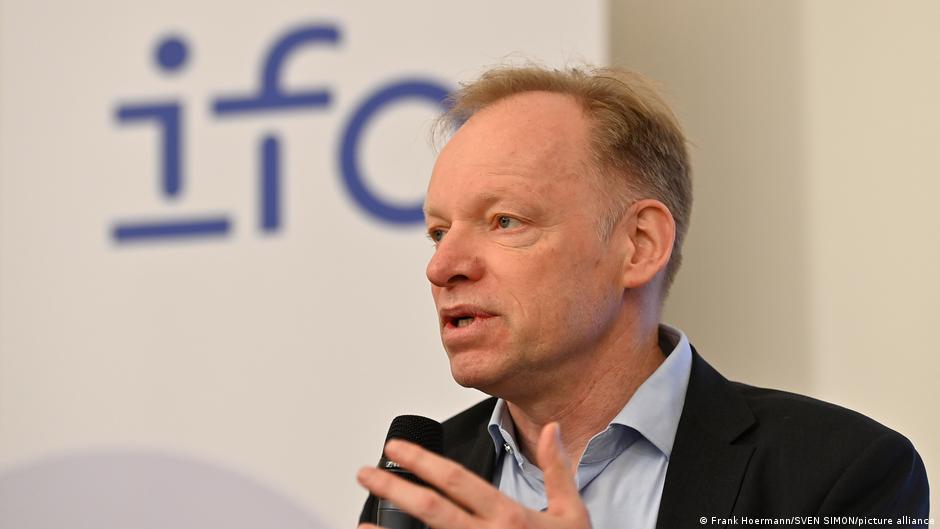
The ifo Institute warns Germany faces recession in 2026 due to US auto tariffs, with significant impacts on fintech, cross-border payments, and digital banking.

The US plans to withdraw 5,000 troops from Germany within a year, a move with potential implications for transatlantic cybersecurity and fintech collaboration.

Russian drone strikes targeted Ukrainian cities damaging infrastructure and causing civilian injuries across Mykolaiv, Kharkiv, Kherson, Sumy, and Ternopil.

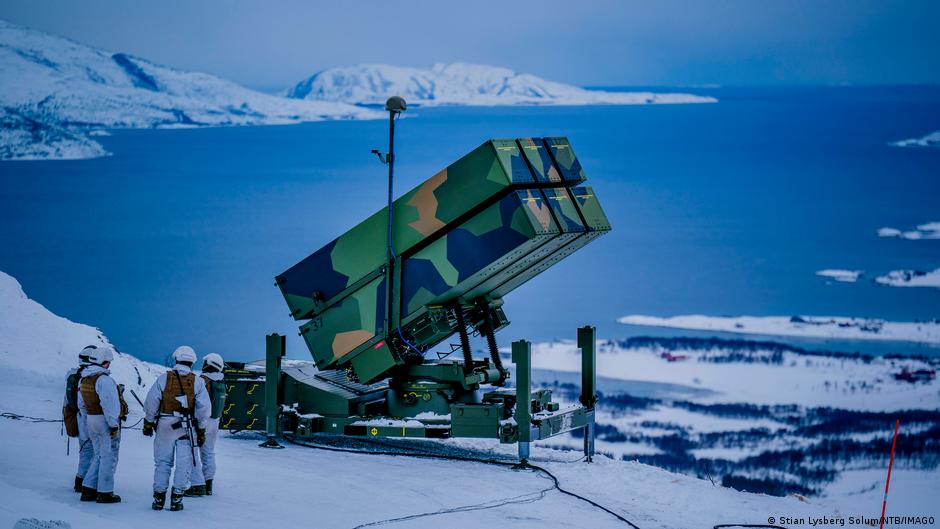
US warns European allies of significant delays in missile system ammunition shipments due to urgent replenishment amid conflict with Iran, impacting defense supply chains and allied readiness.

The EU-Mercosur free trade agreement starts provisional implementation, offering new opportunities and challenges for fintech, digital payments, and tech sectors across Europe and South America.

Italy and Germany call for adherence to international law after Israel intercepts a humanitarian flotilla bound for Gaza, highlighting challenges in aid delivery and digital economy impacts.

Oxfam reports a 56% rise in CEO pay in Germany's top companies since 2019, while worker wages remain below pre-pandemic levels, intensifying income inequality.