
Business
UK Detains Two Latvian Nationals After Breach at RAF Molesworth Base
British counterterrorism police detained two Latvian nationals after a breach at RAF Molesworth, a NATO and US intelligence site.
Editorial Team · Oct 9, 2026
British counterterrorism police detained two Latvian nationals after a breach at RAF Molesworth, a NATO and US intelligence site.
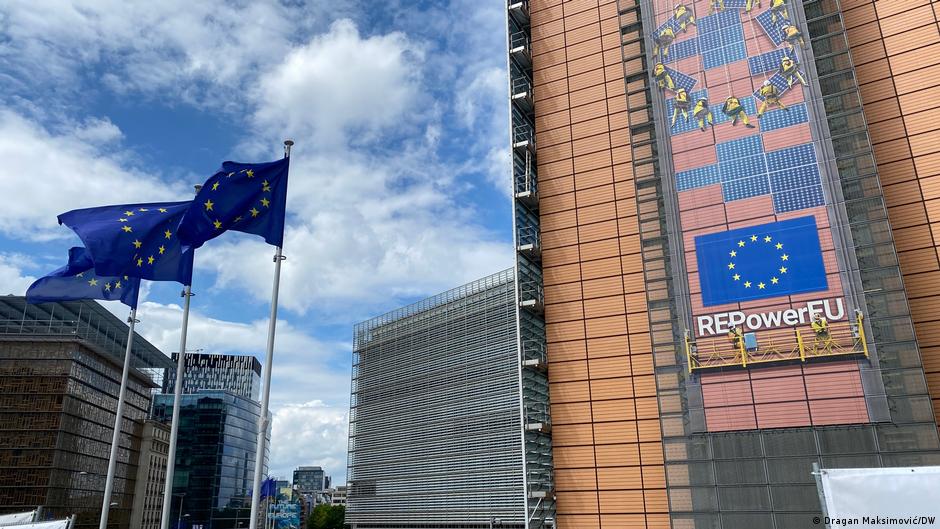
The European Parliament approved a €115 million Agile programme to fund SMEs, startups and scaleups developing disruptive defence technologies.

Flavio Bolsonaro led Brazil’s first presidential round with 47.03%, setting up an Oct. 25 runoff with Lula and raising market scrutiny.

Germany’s economy minister says the Left Party’s Berlin win could hurt investor confidence and Germany’s appeal as a business location.

The Left Party’s Berlin win could reshape the city’s housing, governance and investment climate for fintech and digital economy firms.

Georgia detained former defense minister Giorgi Baramidze in a treason case that adds political risk for fintech and digital-economy investors.
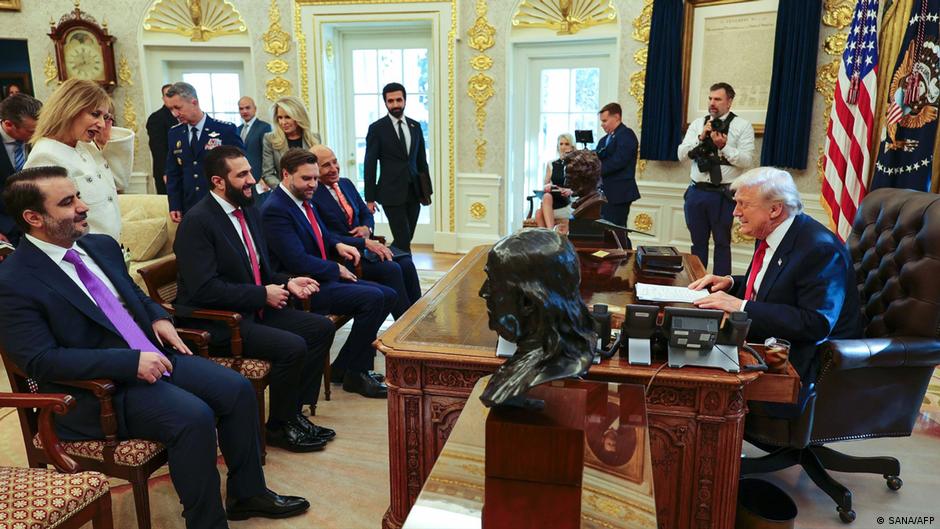
The US removal of Syria from the terrorism sponsor list opens pathways for economic integration, fintech growth, and digital banking expansion amid complex regional geopolitics.
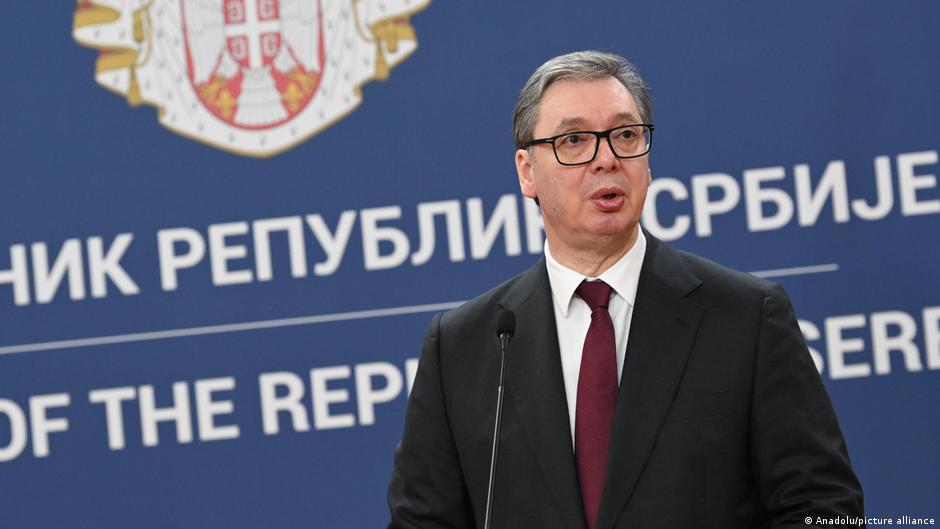
Serbia will hold early parliamentary elections in October 2023 amid widespread protests demanding government accountability and anti-corruption measures.
Uzbekistan launches a national navigation system and unified digital platform to enhance fintech, public administration, and digital infrastructure, aiming to boost IT exports and startup growth.
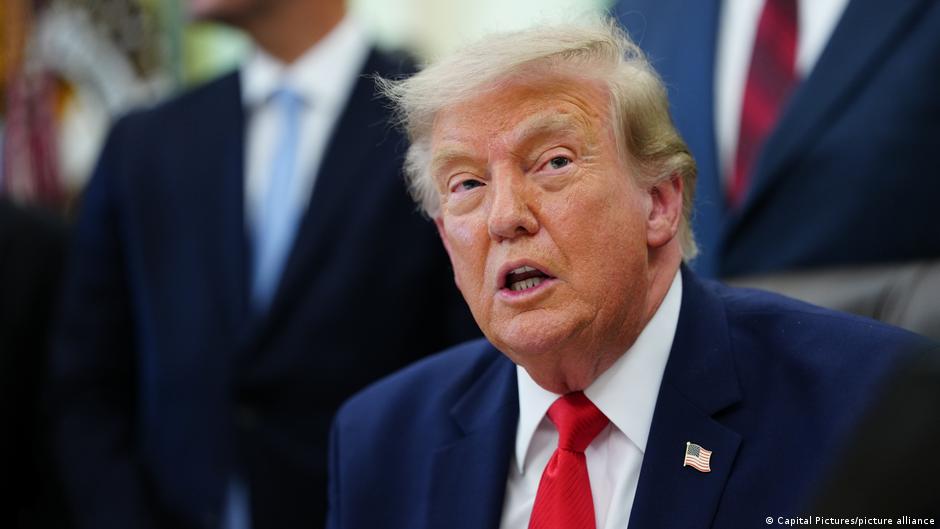
The US announces a historic agreement with Hamas for full disarmament, marking a key step toward peace and potential growth in the region's digital economy and fintech sectors.
Montenegro will end visa-free entry for Russian and Belarusian citizens after October 2026, impacting fintech, digital payments, and cross-border economic ties amid EU integration efforts.
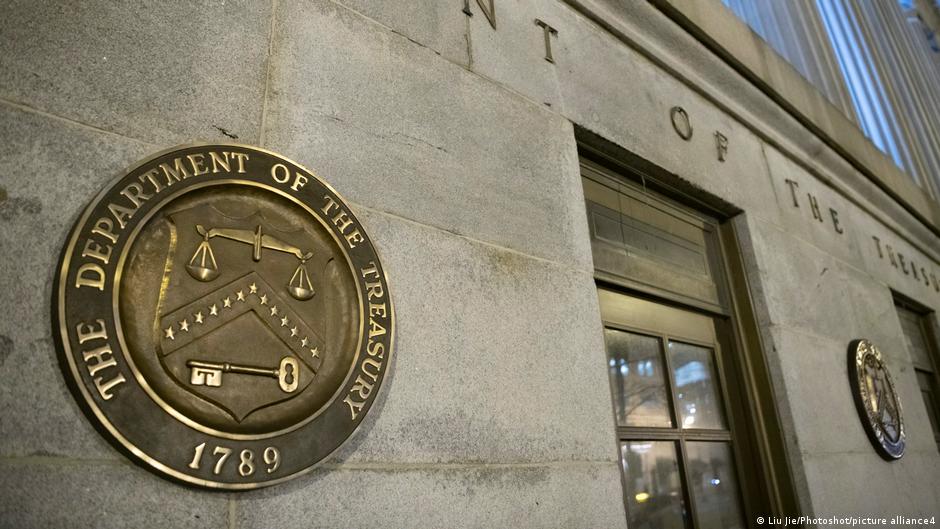
The US lifts sanctions on Miami-based Bel-Kap-Steel, linked to Belarusian steel giant BMZ, amid significant releases of political prisoners and broader easing of penalties.

Hungary’s veto on key EU negotiation clusters delays Ukraine’s integration into digital economy frameworks, affecting fintech, payments, and cybersecurity progress.

Russian missile and drone strikes on Kyiv and Kharkiv raise concerns about the resilience of Ukraine's digital economy, fintech hubs, and cybersecurity infrastructure amid ongoing conflict.
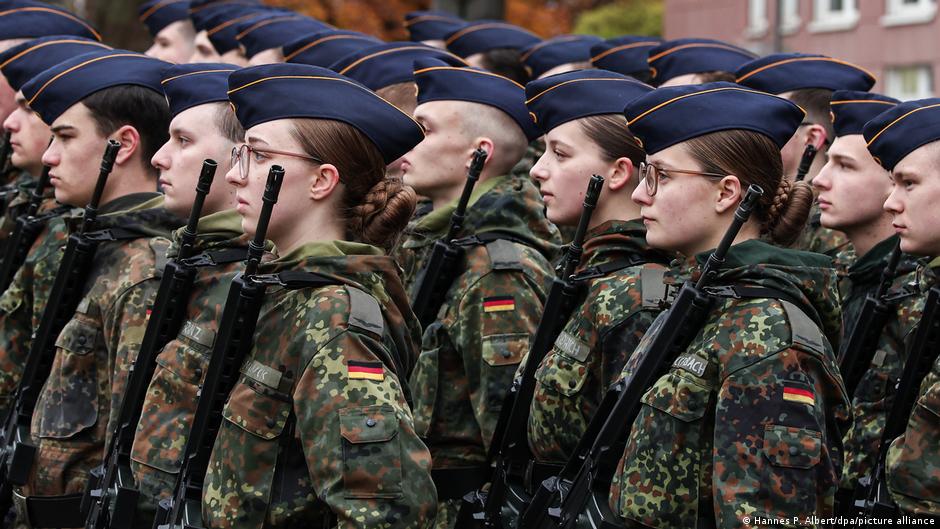
Germany reports a sharp rise in military service refusals amid security challenges and conscription reforms, impacting the digital economy and cybersecurity workforce.
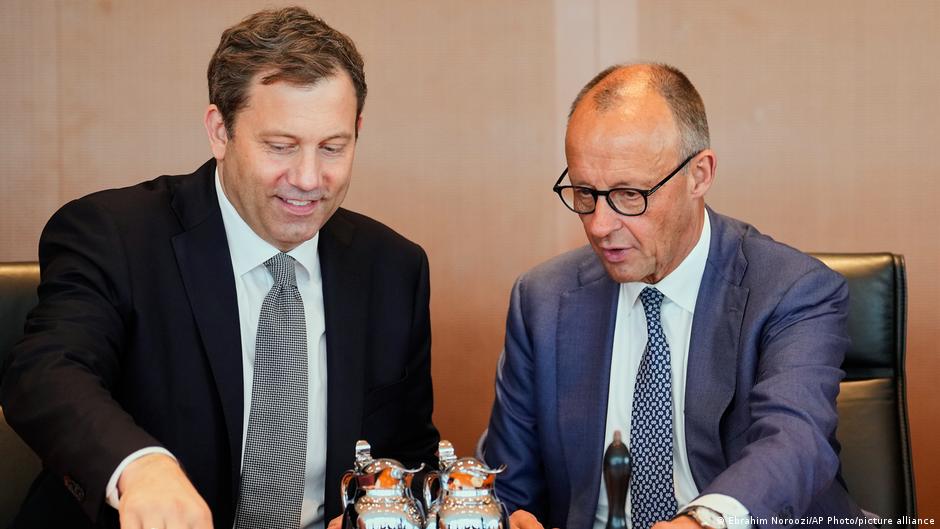
Germany's 2027 budget boosts defense spending and borrowing amid security concerns, raising fintech sector worries about future funding for digital innovation and economic growth.

Russian drone and air strikes on Sumy kill 4 and injure 27, threatening the city's digital infrastructure and fintech ecosystem amid ongoing conflict.

Yulia Navalnaya awarded European Prize by Bavaria's SPD for her courageous resistance to Russia's authoritarian regime and advocacy for human rights.
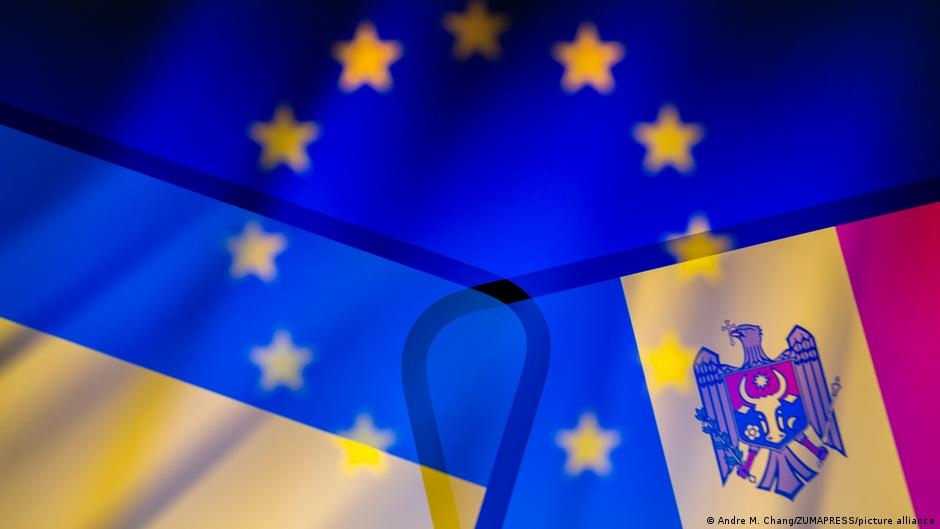
The EU has started formal accession talks with Ukraine and Moldova, initiating evaluations that will impact digital economy sectors like fintech, payments, and cybersecurity.

Germany’s workforce is projected to shrink by 4.3 million by 2036 due to baby boomer retirements and reduced migration, posing risks for its fintech and digital economy sectors.

A US judge has ruled the Trump-era $100,000 H-1B visa fee unlawful, easing access to tech talent critical for the fintech and digital economy sectors.
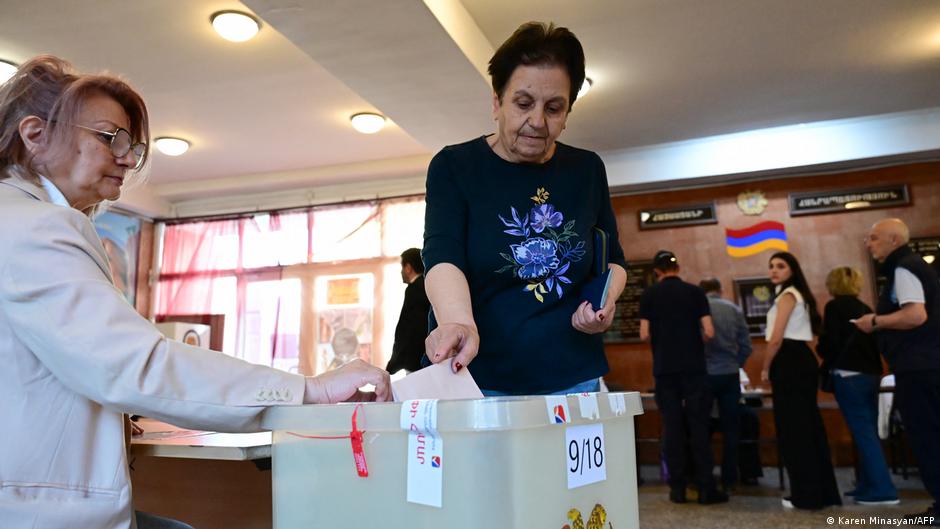
Armenia’s recent parliamentary elections reinforce Prime Minister Pashinyan’s EU-oriented agenda, with major implications for the country’s fintech, digital banking, and cybersecurity sectors.
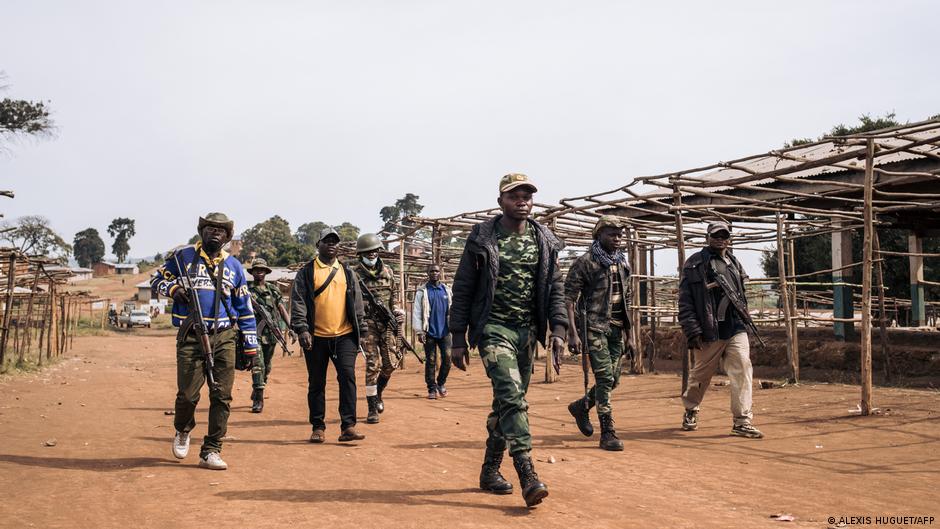
Recent rebel attacks in DR Congo’s Ituri province have caused significant casualties and highlight challenges to fintech growth and digital infrastructure development in the region.
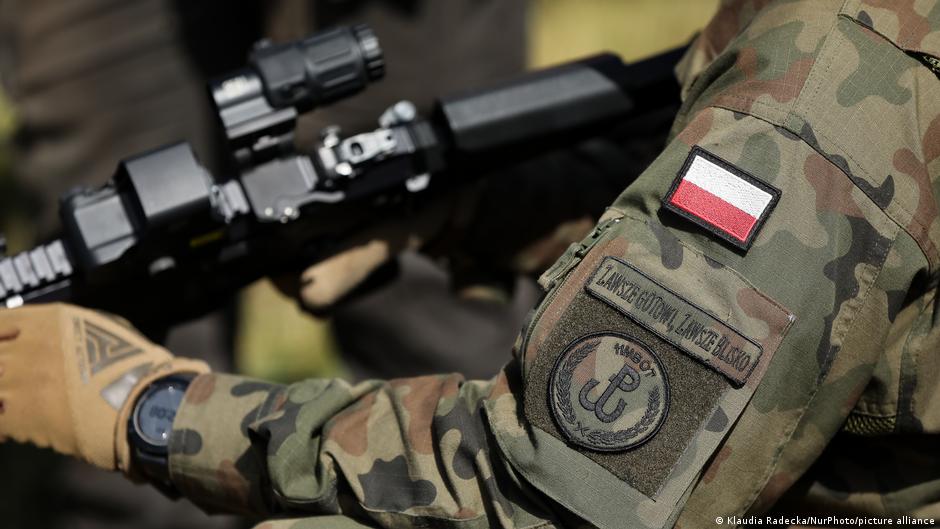
Poland has signed a €43.7 billion EU loan agreement under SAFE to modernize its defense forces and enhance cybersecurity, despite earlier presidential veto concerns.

Hungary's new leadership seeks to unlock €35 billion in EU funds frozen due to previous governance issues, with significant implications for its fintech and digital economy sectors.
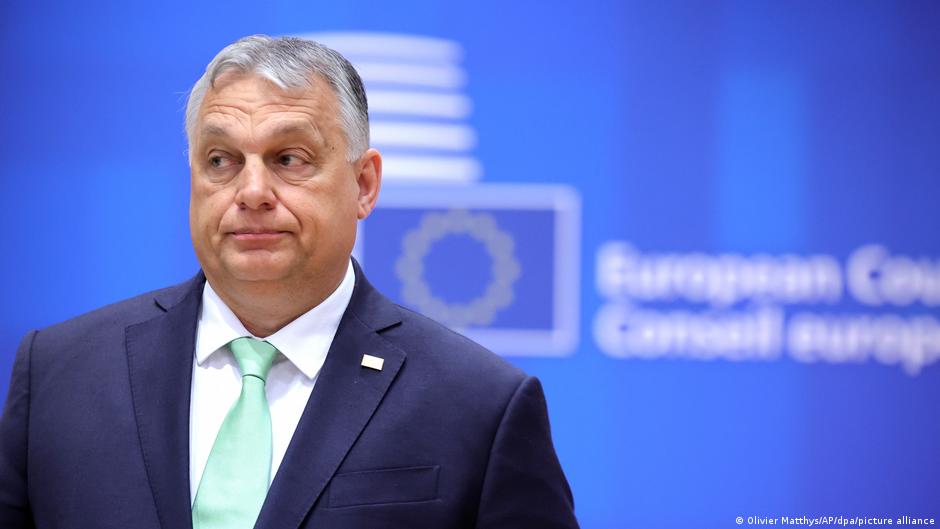
Outgoing Hungarian PM Viktor Orban declines parliamentary mandate amid leadership changes and new government plans to reverse key policies affecting EU relations and digital economy prospects.

The US-mediated truce extension between Israel and Lebanon offers potential stability to enhance fintech and digital economy growth in the region.
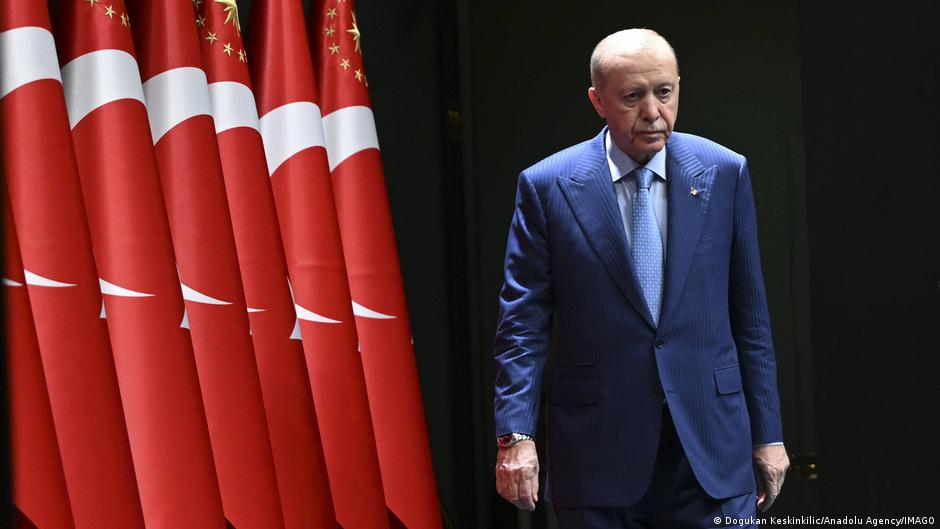
Turkey intensifies efforts to restart Russia-Ukraine peace talks, aiming to mitigate regional conflicts impacting fintech, digital banking, and cybersecurity.

Pope Leo XIV denounces exploitation and war, linking religious manipulation to broader impacts on global stability and economic systems amid his Africa tour.