US Army Secretary Resigns Amid Pentagon Rift, Raising Questions for Defense Tech
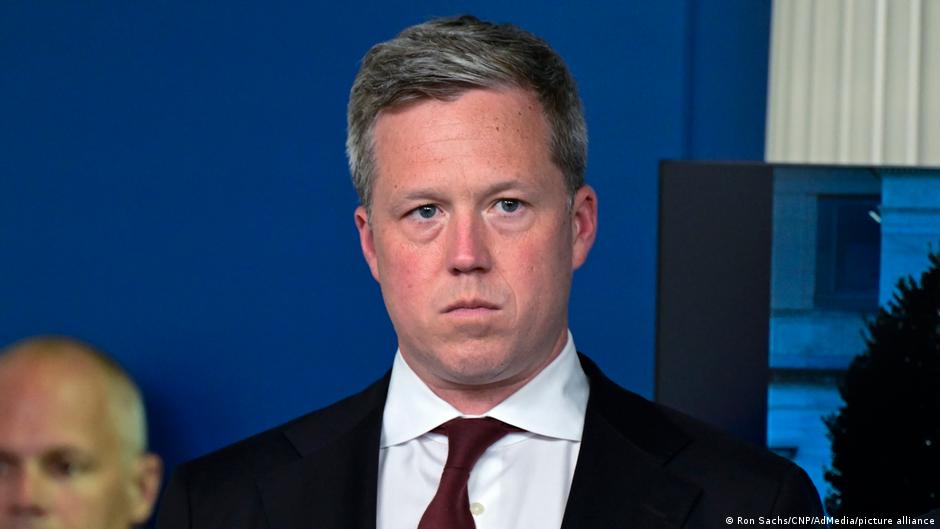
Daniel Driscoll's reported resignation adds uncertainty around Pentagon procurement, cybersecurity priorities and defense-tech market signals.

Daniel Driscoll's reported resignation adds uncertainty around Pentagon procurement, cybersecurity priorities and defense-tech market signals.

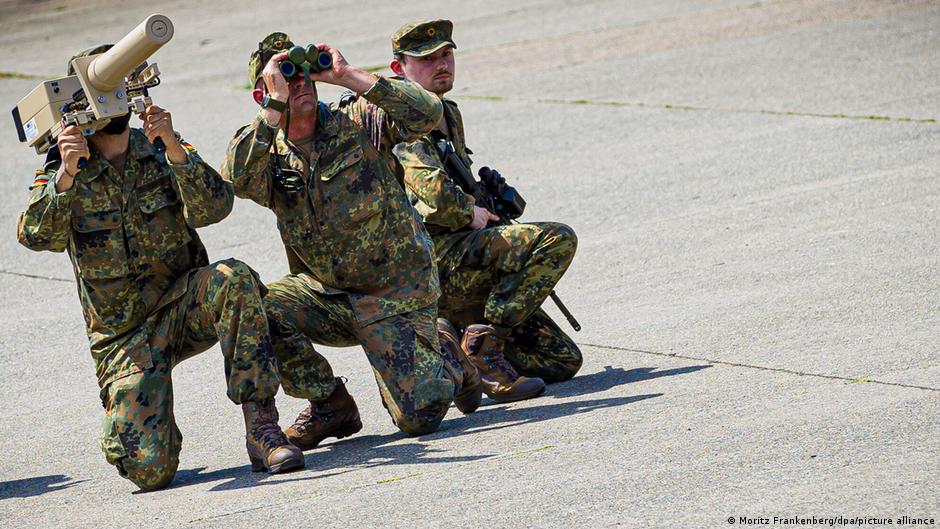
Germany reports a surge in drone activity near military bases, prompting new research and counter-UAV tech initiatives to address evolving hybrid security threats.

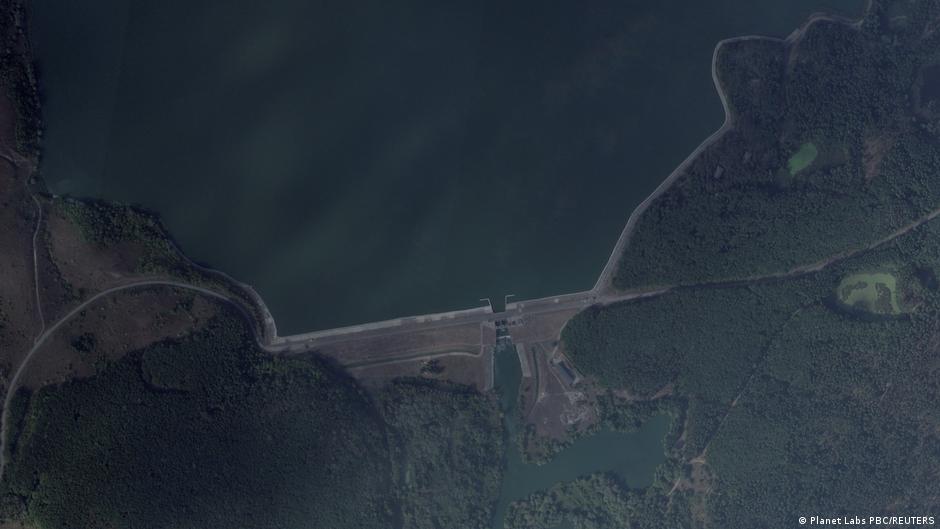
Repeated attacks on the Belgorod reservoir have caused severe water level drops, exposing critical infrastructure vulnerabilities and raising cybersecurity concerns.

Ukraine reports Russia’s use of a North Korean ballistic missile, urging allies to enhance air defense amid growing regional security and digital economy risks.

UK Prime Minister Andy Burnham commits to transferring Stone Cloak electronic warfare system IP to Ukraine, enabling mass production and enhancing digital defense capabilities amid ongoing conflict.

German politician Alexander Hoffmann urges Ukraine to share advanced drone technologies to enhance Germany's defense capabilities through a formal government agreement.

The EU has summoned the Russian envoy after missile strikes on a Kyiv arms exhibition and Latvian consulate, highlighting growing concerns over drone warfare and digital defense technologies.

CIA Director John Ratcliffe highlights how AI-powered drones drastically cut Russian soldier survival times in Ukraine, reshaping warfare and defense tech investment landscapes.

Germany's record €124.7 billion defense budget for 2026 will boost cybersecurity and digital infrastructure, influencing fintech and digital banking sectors amid NATO commitments.

Russia authorizes use of higher-sulfur Euro-3 fuels domestically until 2026 to address supply disruptions caused by attacks on refineries, excluding exports to EAEU states.

The US and Iran agree to halt attacks until June 30 ahead of talks on reopening the Strait of Hormuz, impacting energy markets and fintech sectors.

Lithuania, Poland, and France conduct joint military exercises near the Suwalki Corridor to strengthen defense and ensure NATO connectivity, highlighting security implications for fintech and digital infrastructure.

The US plans to cut fighter jets and naval vessels supplied to NATO by about a third, signaling a strategic pivot that impacts defense operations and associated technology sectors.

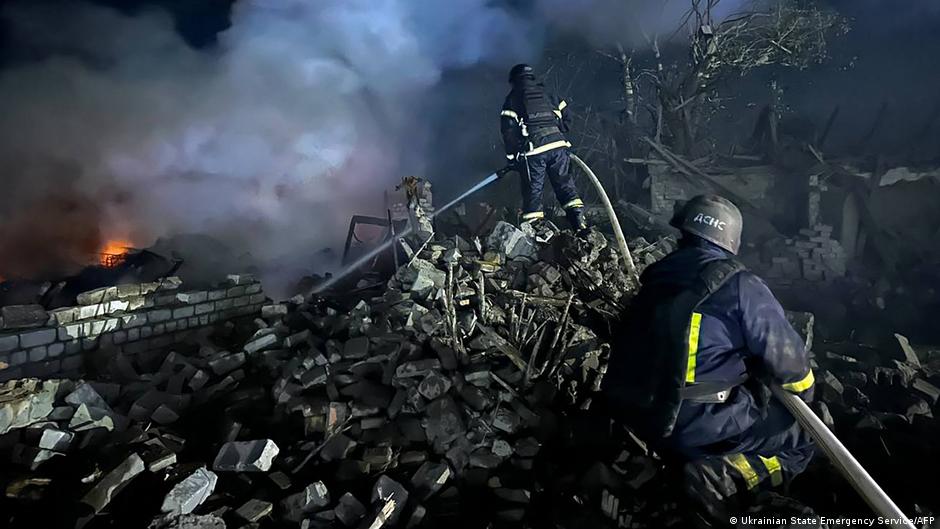
Russian drone strikes in Ukraine's Dnipropetrovsk region damage infrastructure and injure civilians, spotlighting cybersecurity challenges for fintech and digital economy sectors.

22 countries, including the US and Europe, condemn Iran's IRGC for orchestrating attacks on dissidents and Jewish communities, with major cybersecurity and fintech implications.

The U.S. Congress approved $70 billion to fund immigration agencies, highlighting significant impacts on digital infrastructure, fintech, and cybersecurity within government operations.

US Central Command intercepted four Iranian drones targeting the Strait of Hormuz, highlighting risks to maritime security and the technological dynamics shaping regional conflicts.

Latvian Defense Minister resigns after drone incursions linked to Ukraine expose vulnerabilities in national airspace security and raise concerns for digital defense strategies.

The potential relocation of US troops from Germany to Poland may accelerate digital defense investments and impact cybersecurity and fintech sectors in Eastern Europe.

A drone crashed into a residential building in Moscow, exposing growing cybersecurity risks for urban fintech and digital infrastructure.

France and Poland are jointly developing a military satellite to provide secure communications for Poland's armed forces, reducing reliance on external systems like Starlink.