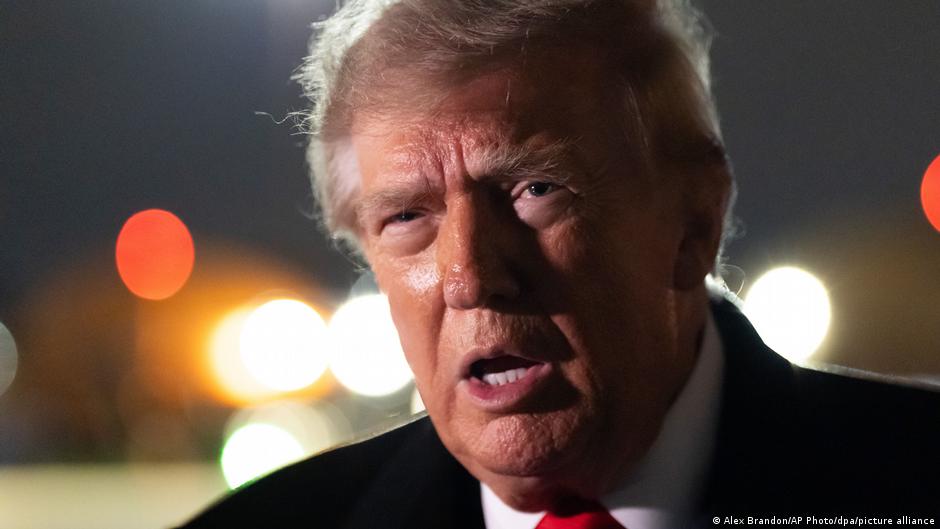
Trump Delays Russia Sanctions, Citing Ukraine Talks and Iran
Trump postponed sweeping Russia sanctions, leaving payment firms, crypto platforms and tech investors exposed to uncertainty over energy trade and compliance.

Trump postponed sweeping Russia sanctions, leaving payment firms, crypto platforms and tech investors exposed to uncertainty over energy trade and compliance.

A reported US plan to restore Russian gas flows to Europe could reshape cross-border payments, sanctions compliance and the outlook for digital finance and tech stocks.

A bipartisan Senate group warns Trump’s Russian diesel deal could fund Moscow’s war while offering little relief to U.S. fuel consumers.

EU states agreed to open internal-market and competitiveness accession clusters for Ukraine and Moldova, advancing reforms tied to digital economy rules.

A bipartisan House bill would seek to ban Russian oil purchases, raising compliance questions for payments, banking and digital finance firms.

The EU rejected Ukraine’s request to fast-track part of a €90 billion loan, keeping pressure on wartime financing and digital finance stability.

Lithuania’s proposed property curbs add new compliance pressure for banks, fintech firms and digital platforms handling high-risk transactions.

German and Austrian raids over alleged Russia auto exports put sanctions compliance, bank monitoring and cross-border payments in focus.

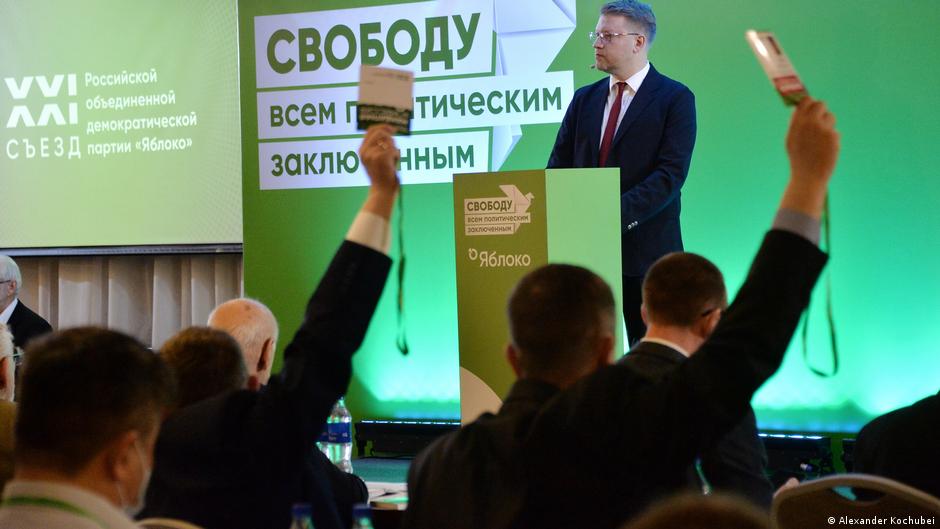
Yabloko’s 6.2% Novgorod result may preserve its route to future Duma ballots, a governance signal for Russia’s regulated digital economy.

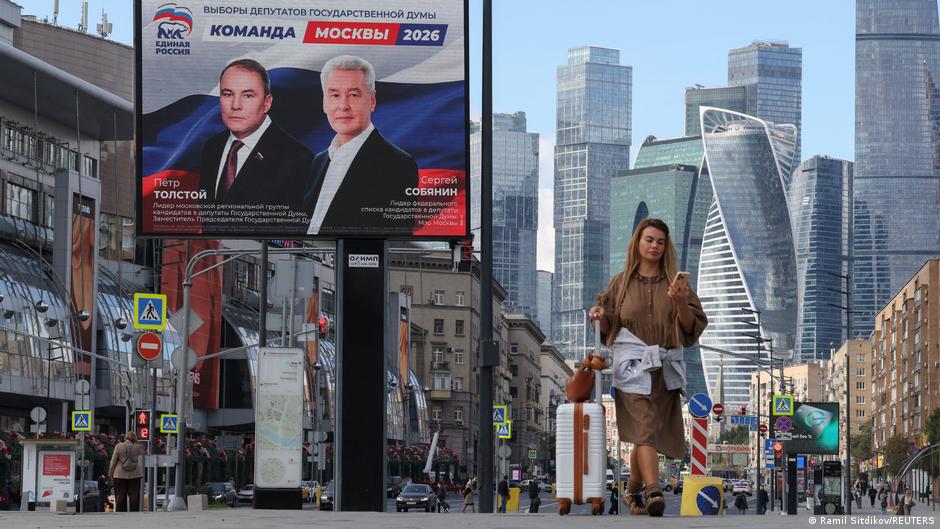
United Russia’s early Duma lead signals policy continuity for Russia’s payments, digital banking, crypto and cybersecurity sectors.

Trump signed the Graham sanctions bill, giving the White House broad powers over Russian energy tariffs, banks and sanctions evasion networks.

The House advanced a Graham-linked sanctions bill that could reshape energy trade, payment compliance, crypto monitoring and fintech risk.

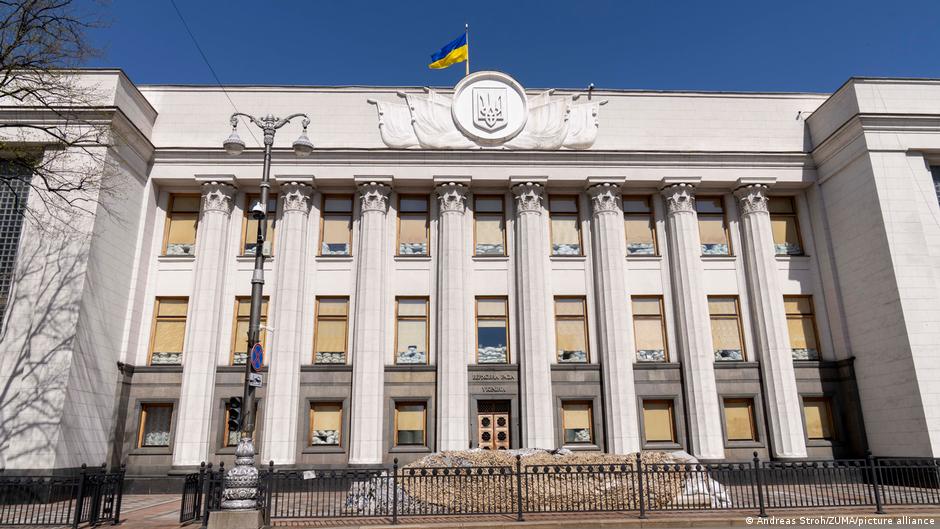
Ukraine’s parliament will review seven difficult bills linked to Western aid as Kyiv seeks to close a wartime budget gap.

The US Senate approved stringent sanctions targeting Russia's energy and financial sectors, impacting global fintech, compliance, and energy trade dynamics.

The US Senate advances a bill imposing heavy tariffs on Russia, with broad implications for fintech, digital banking, and sanctions compliance.

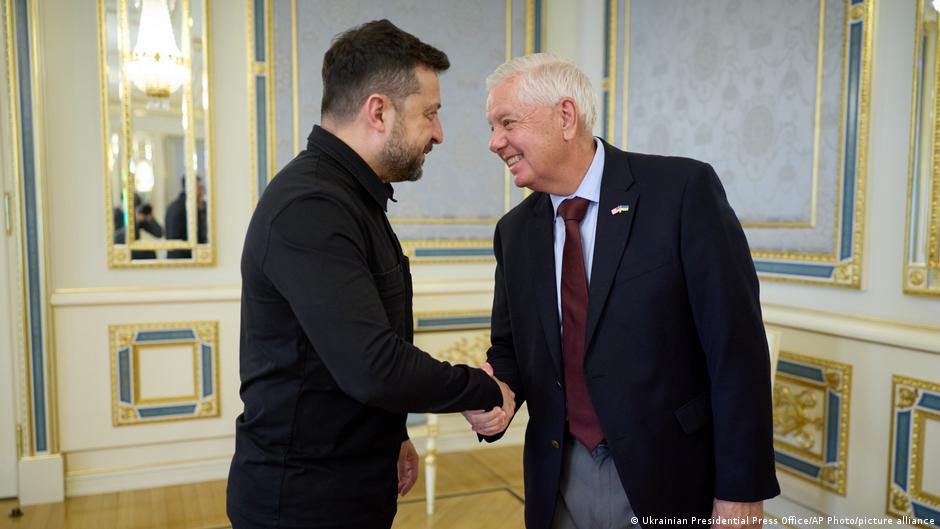
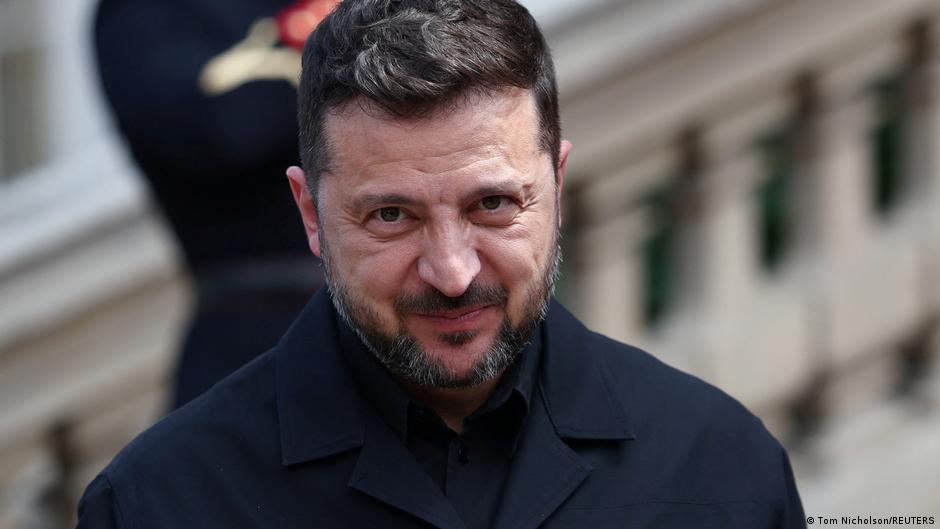
President Zelensky visits Washington where the US Senate will vote on new sanctions against Russia, underscoring rising geopolitical tensions impacting fintech and global payments.

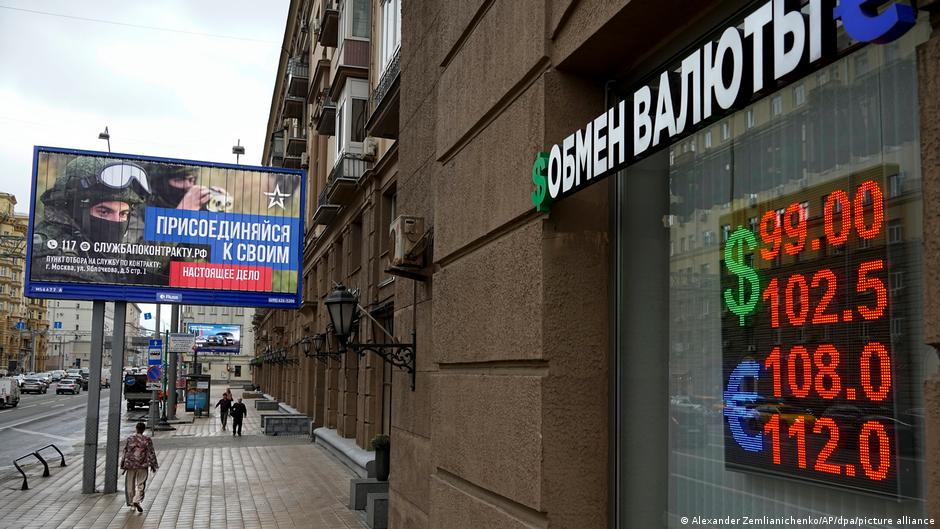
Russia proposes expanding military contract eligibility to convicts of serious crimes amid mobilization efforts, including banditry and drug smuggling charges.

Darlin Graham Norton was appointed to fill her late brother Lindsey Graham’s Senate seat, securing a fragile Republican majority and influencing fintech and digital economy policies.

Russia proposes ending mandatory medical exams for contract soldiers, reflecting recruitment struggles amid ongoing conflict and raising questions about military digital monitoring.

Russian anti-war activist Ilya Shkolny was granted asylum in Germany after multiple rejections, highlighting challenges for political refugees amid ongoing geopolitical tensions.

The EU has started formal accession talks with Ukraine and Moldova, initiating evaluations that will impact digital economy sectors like fintech, payments, and cybersecurity.

The U.S. Congress approved $70 billion to fund immigration agencies, highlighting significant impacts on digital infrastructure, fintech, and cybersecurity within government operations.

The US House has passed a bill boosting military aid to Ukraine and expanding presidential powers to impose sanctions on Russia, pending Senate approval.

The EU plans to restrict US cloud service providers like Microsoft and Google from government contracts to enhance digital sovereignty and address data security concerns.

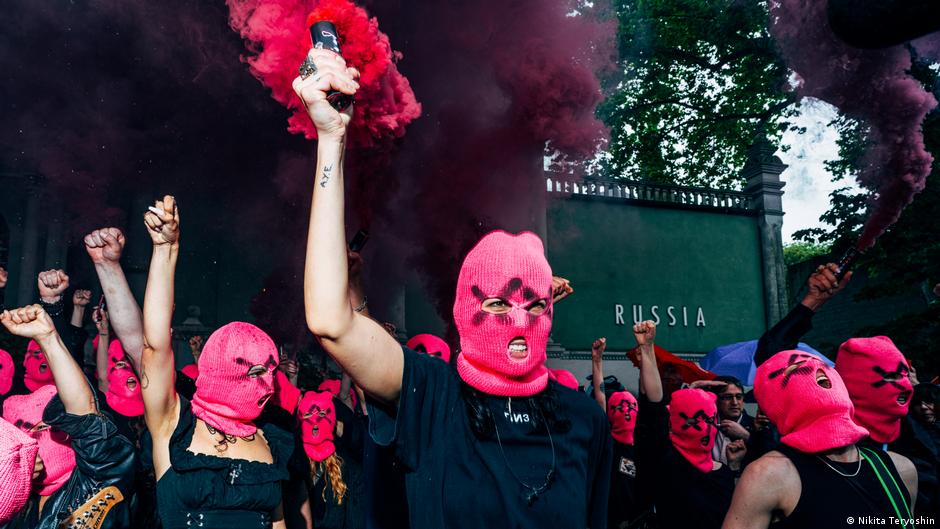
Pussy Riot and Femen protested the Russian pavilion at the Venice Biennale, demanding representation by pro-Ukrainian political prisoners amid EU sanctions and geopolitical tensions.

The EU warns Serbia may lose €1.5 billion in reform funds due to democratic backsliding, risking setbacks in digital economy and fintech sector development.

Germany's Koblenz military museum restricts access for Uzbek citizens and others amid enhanced security laws, highlighting the intersection of security and digital access.