US Gas Transit Plan Raises Sanctions and Payment-System Questions
A US proposal to revive Russian gas transit through Ukraine would test sanctions compliance, escrow controls and cross-border payment infrastructure.

A US proposal to revive Russian gas transit through Ukraine would test sanctions compliance, escrow controls and cross-border payment infrastructure.

Ukraine has reportedly paused strikes on Russian refineries, linking US election politics with fuel prices, Starlink dependence and digital-economy risk.

Washington is reviewing sanctions on RDIF as Moscow seeks a role for the fund in Russian diesel deliveries, raising new payment and compliance questions.

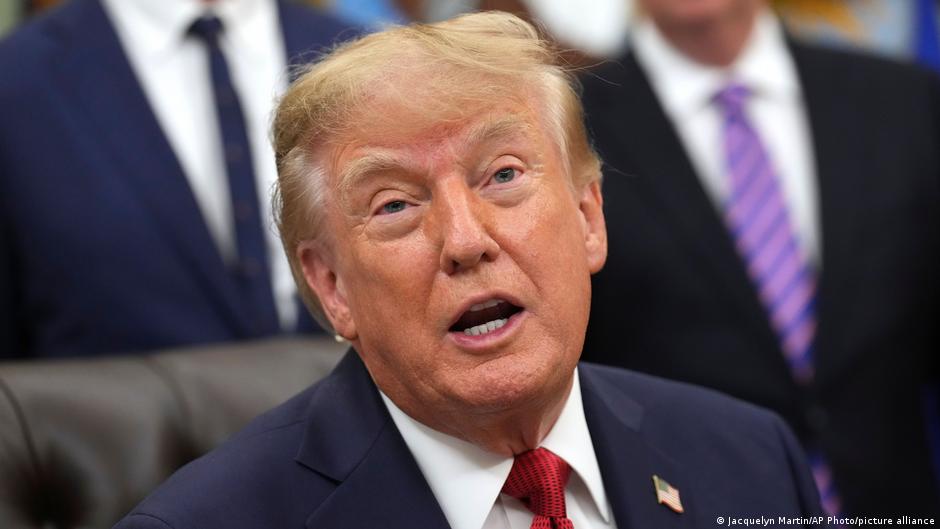
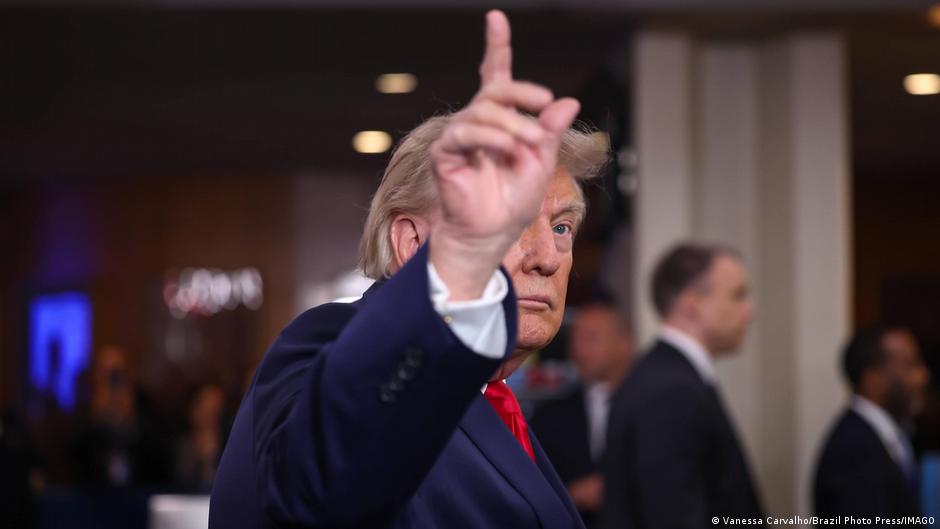
A bipartisan Senate group warns Trump’s Russian diesel deal could fund Moscow’s war while offering little relief to U.S. fuel consumers.

Reported U.S. pressure on Ukraine over refinery strikes raises questions for energy markets, payments compliance, crypto risk and tech stocks.

Ukraine said 28 people were killed in a Russian missile and drone barrage, raising fresh concerns over sanctions, payments and digital resilience.

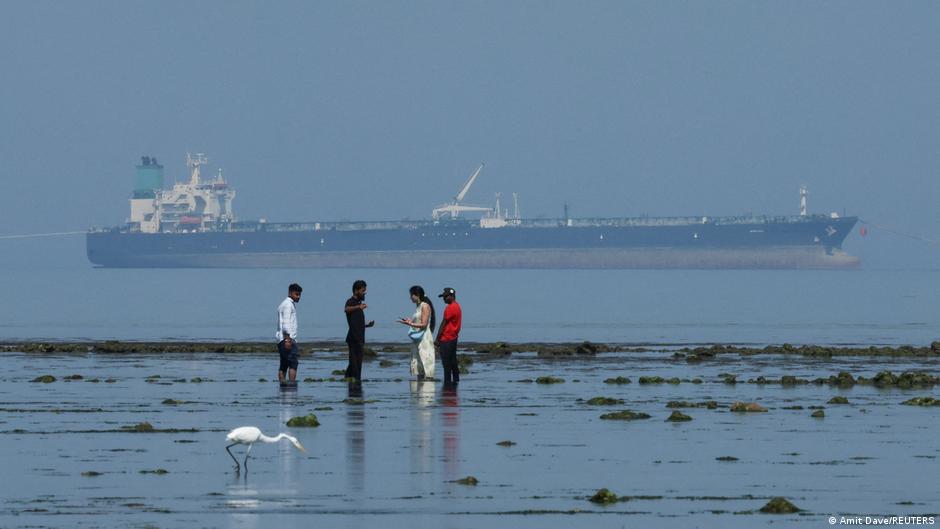
Yemen’s new offensive near Mocha raises risks for Red Sea shipping, energy markets, payments and digital finance across the region.

Yemen’s mobilization call adds pressure to Red Sea trade routes, energy costs and market risk as Houthi forces advance near Bab el-Mandeb.

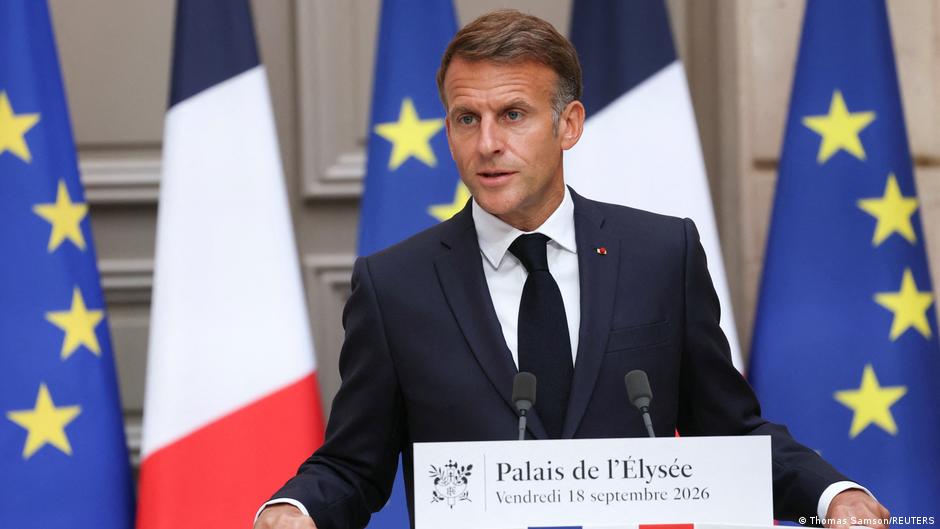
Macron says a Russian mobilization of about 300,000 people is credible and warns Europe faces rising hybrid and cyber threats.

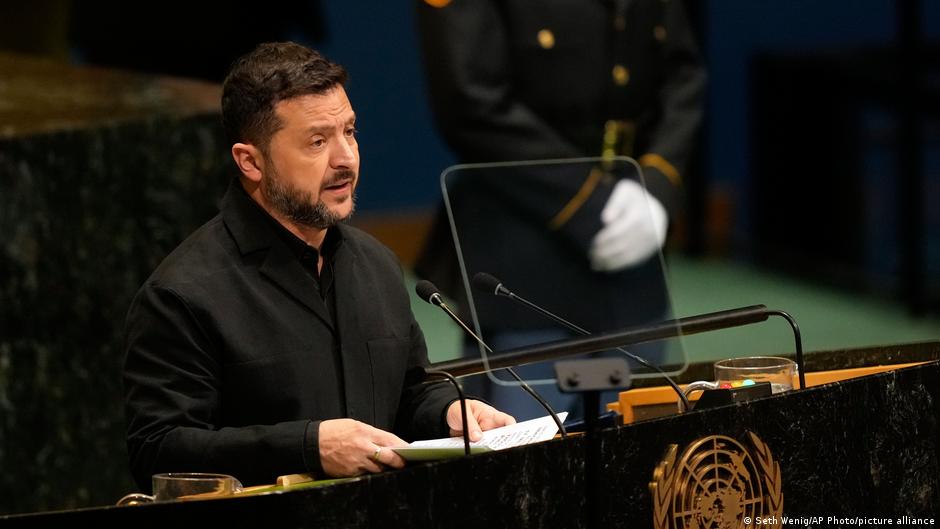
Zelenskyy told the UN that Putin is spreading war globally and said Ukraine is targeting Russia’s ability to finance and prolong the conflict.

U.S.-Iran talks at the UN raised market focus on Hormuz shipping, sanctions, frozen assets, cybersecurity risk and fintech exposure.

Saudi Arabia said it intercepted a Houthi missile aimed at Riyadh, adding pressure to oil routes, payments, crypto markets and tech stocks.

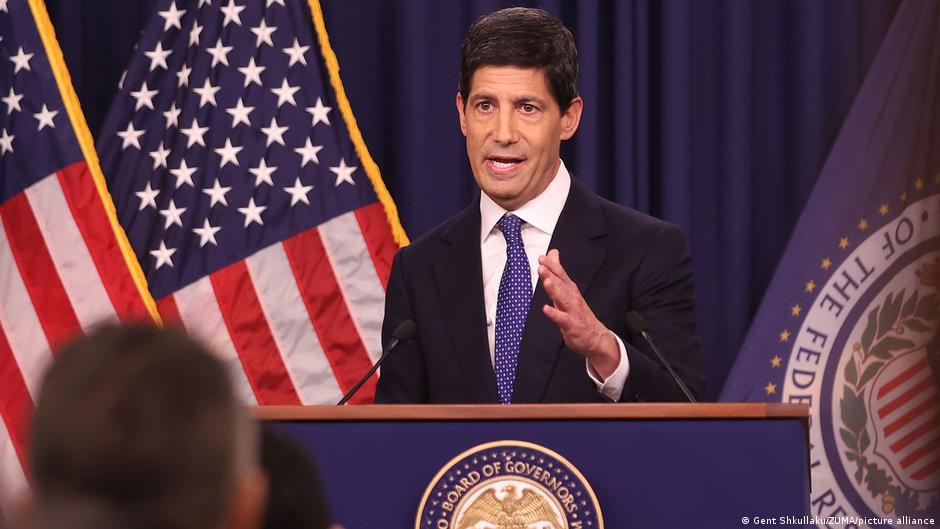
The Fed lifted rates to 3.75%-4%, its first increase in three years, putting fintech, crypto, payments and tech stocks under pressure.

A Saudi pipeline halt could cut global oil supply by 4%, raising volatility risks for fintech, crypto, digital banking and tech stocks.

Russia is expected at the G20 energy meeting in Houston as energy security risks ripple through payments, banking, crypto and tech markets.

US military deaths in the Iran conflict have reached 17, intensifying geopolitical risks that impact fintech, digital payments, crypto markets, and cybersecurity worldwide.

US strikes on Iran continue for the ninth night, disrupting Gulf trade routes and impacting energy supply chains, with significant implications for fintech and cybersecurity sectors.

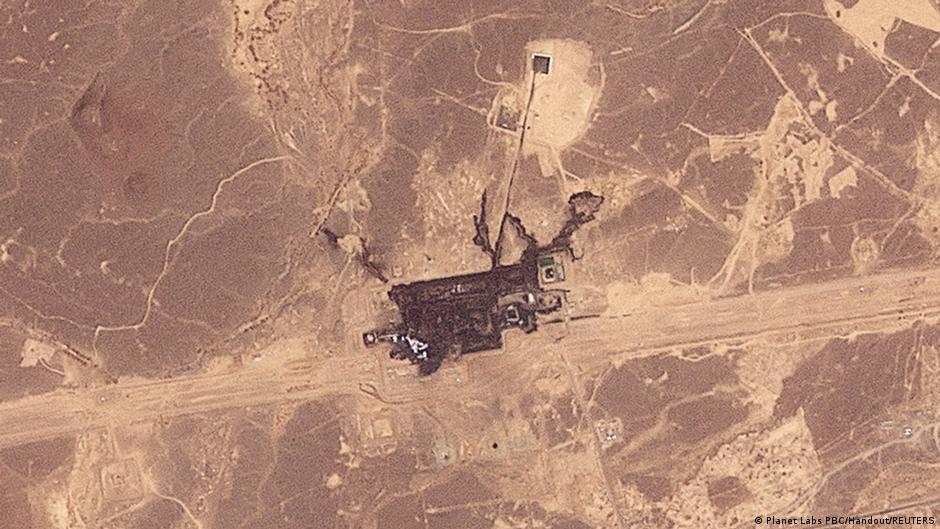
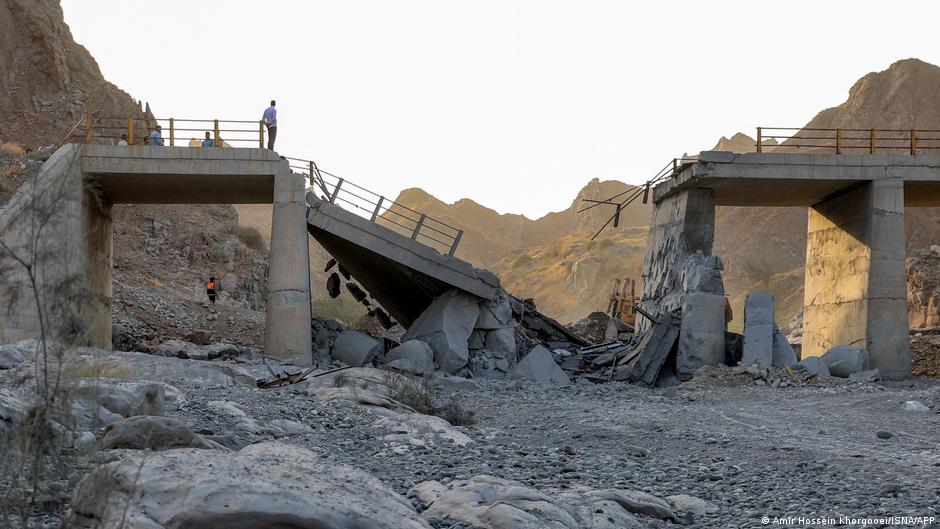
The US military intensified strikes on Iranian infrastructure, targeting bridges, airports, and energy sites, escalating regional tensions with implications for fintech and digital economy stability.

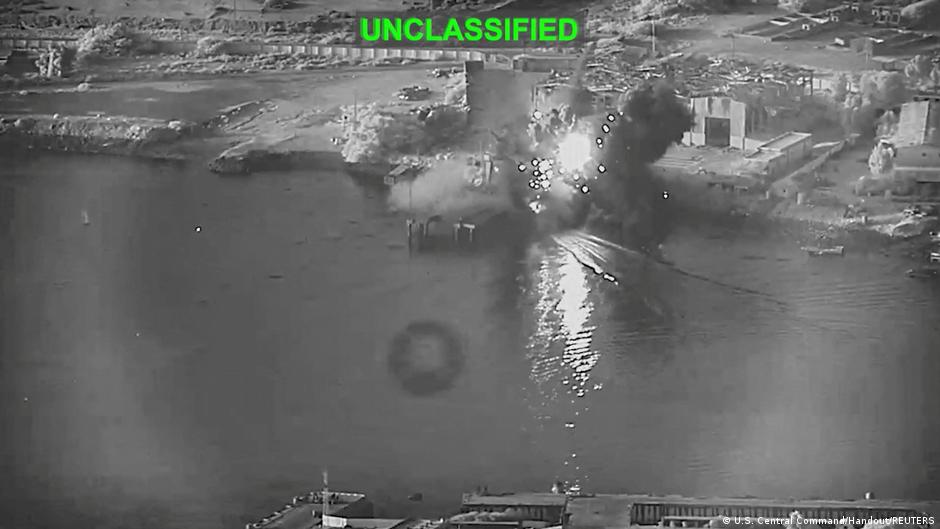
US military strikes on Iran target maritime infrastructure in the Strait of Hormuz, raising risks for global trade, energy markets, and fintech payment ecosystems amid escalating tensions.

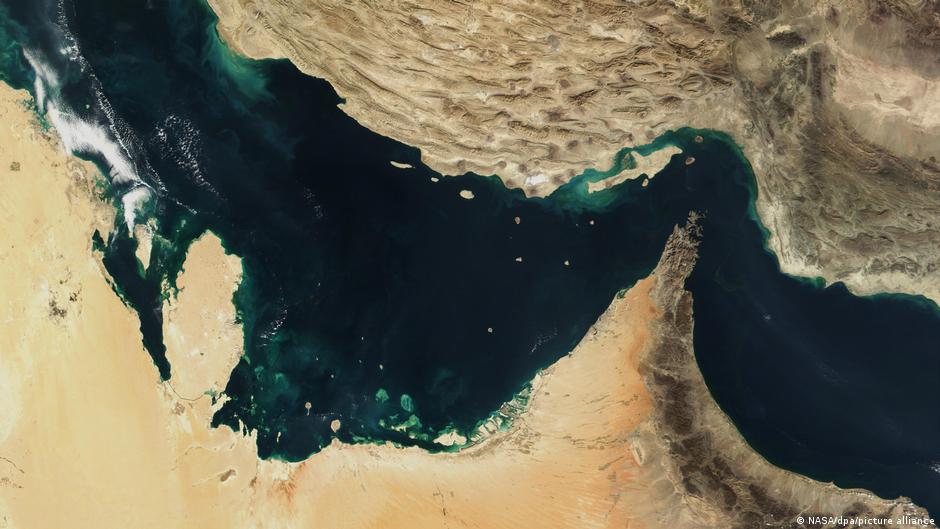
US strikes on Iran triggered Tehran's closure of the Strait of Hormuz, threatening global energy flows and digital payment systems amid escalating regional conflict.

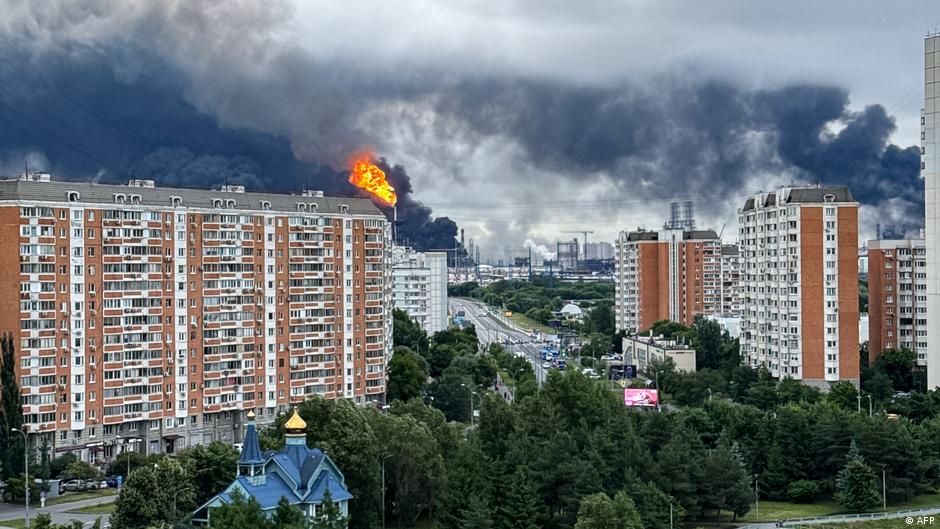
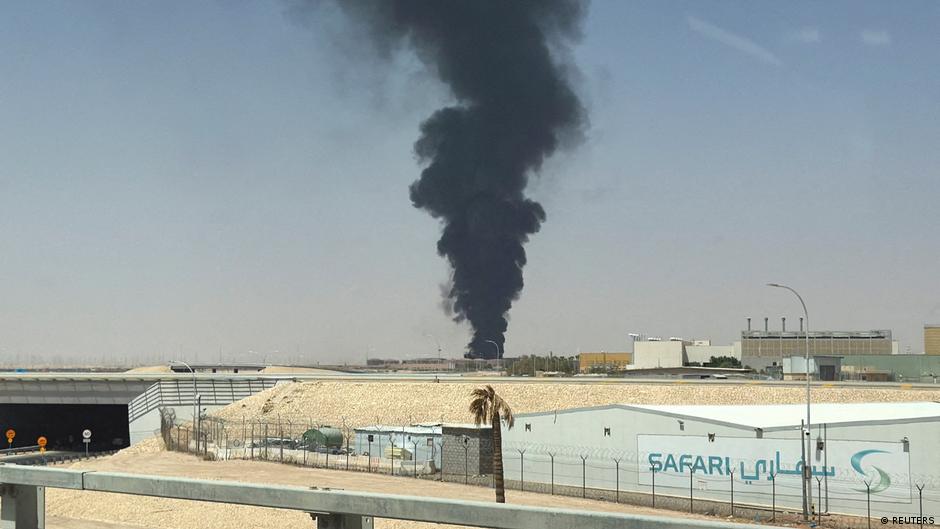
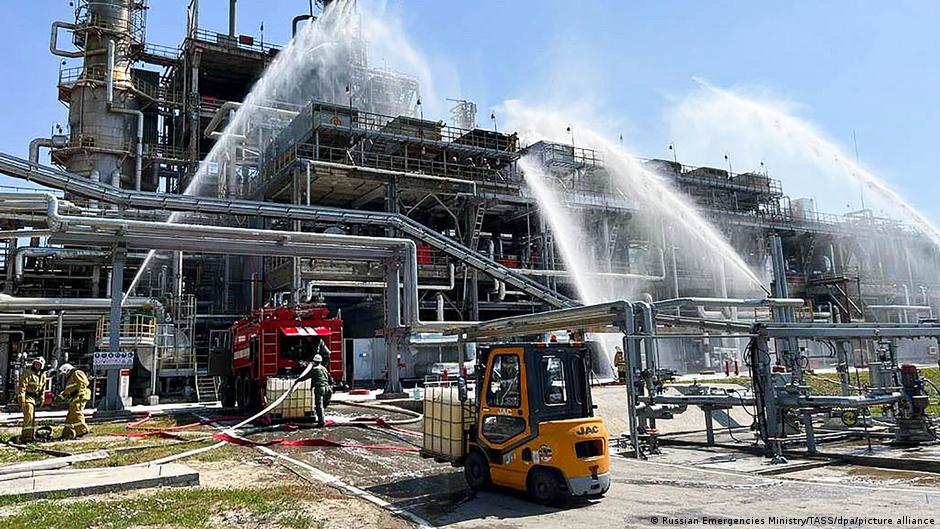
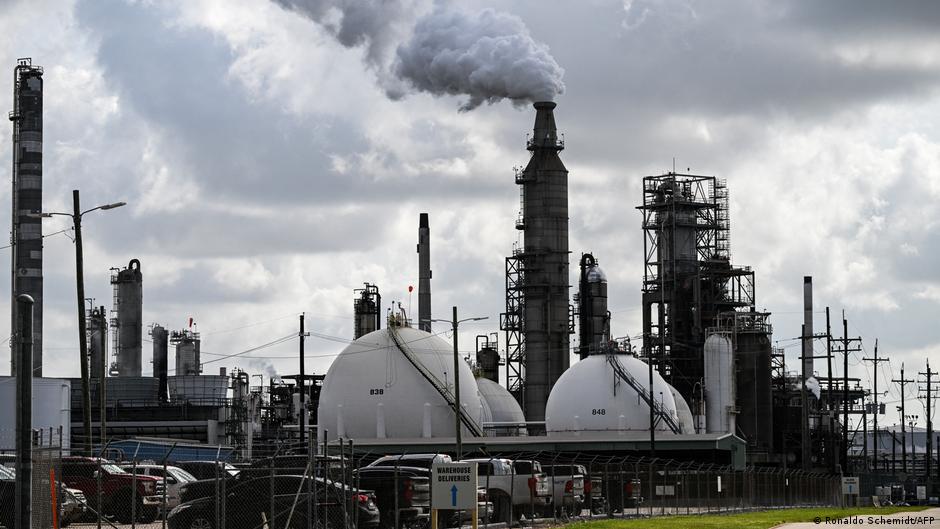
Drone strikes on oil facilities in Rostov and Saratov regions have ignited fires, exposing vulnerabilities in Russia's energy infrastructure with potential fintech and economic repercussions.

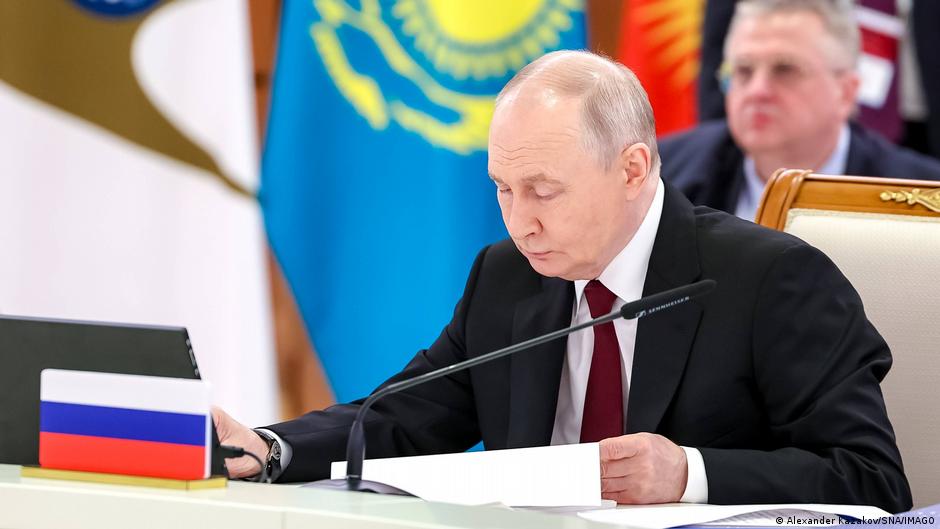
Putin warns Armenia of tariff hikes and economic sanctions if it leaves the Eurasian Economic Union, urging a referendum amid rising geopolitical tensions and trade restrictions.

Russia plans 1-2 month export restrictions on diesel and jet fuel amid refinery shutdowns caused by Ukrainian drone attacks, impacting fuel markets and digital economy sectors.

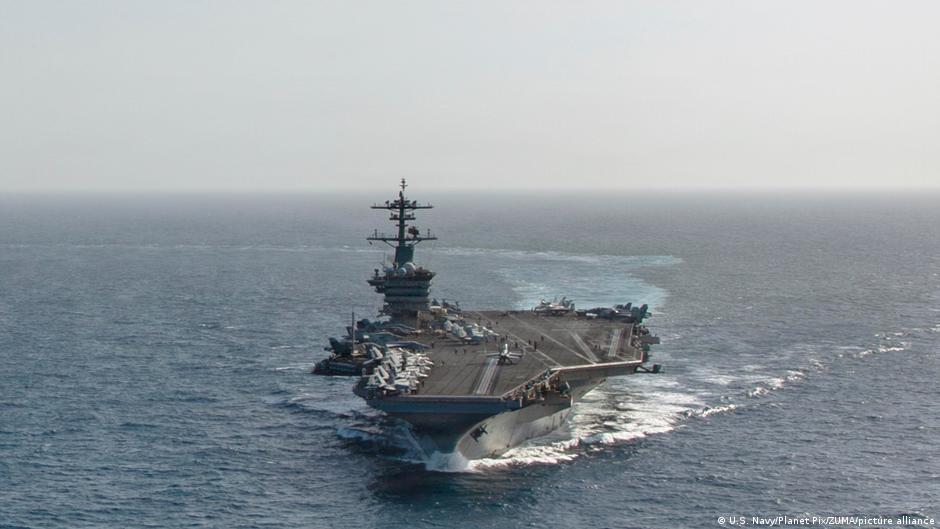
US military launched defensive strikes on Iranian missile sites and mine-laying vessels amid a fragile ceasefire, raising implications for fintech, cybersecurity, and tech stocks.

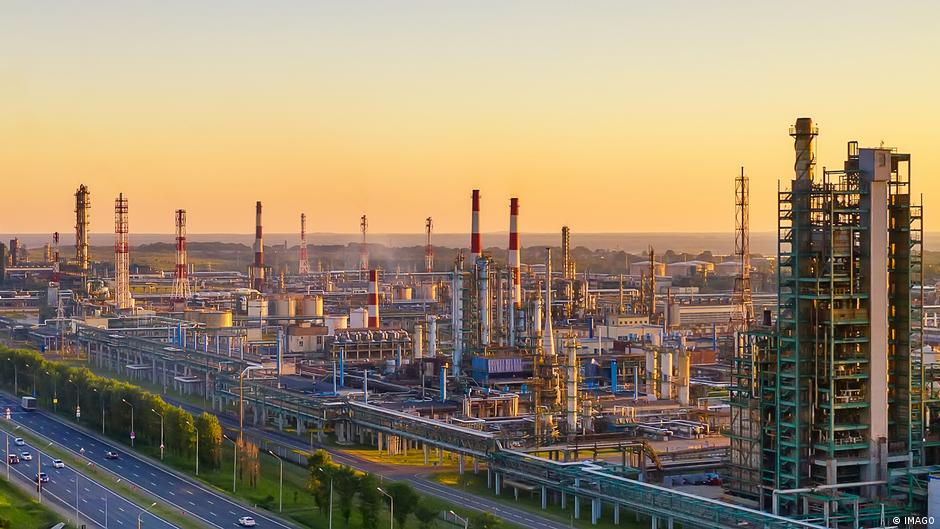
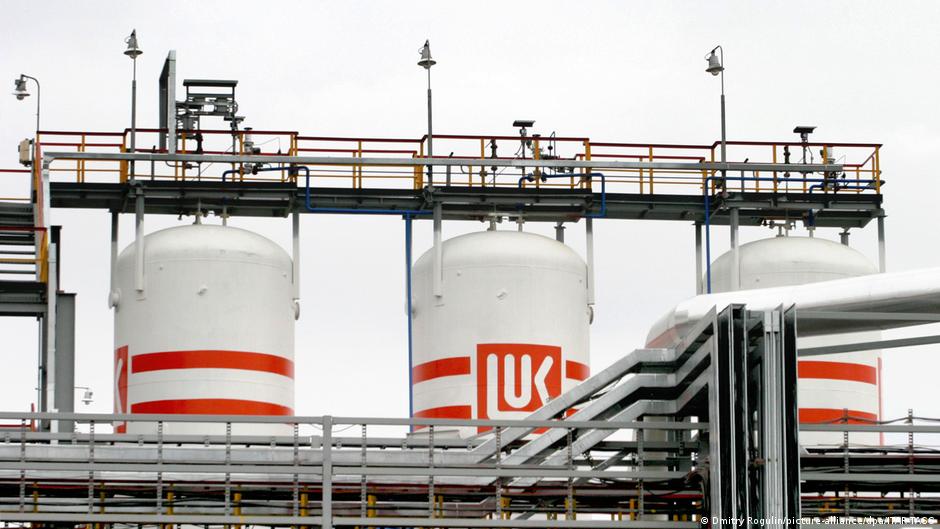
Ukrainian drone strikes have forced Lukoil’s Nizhny Novgorod refinery to shut down over half its primary processing capacity, disrupting Russia’s fuel production and impacting energy and fintech sectors.

The UK has authorized indefinite imports of diesel and kerosene refined from Russian oil in third countries, easing sanctions to stabilize fuel supplies amid rising energy costs and geopolitical tensions.

The US has ended its temporary waiver on sanctions for Russian oil shipments, impacting global energy payments and fintech compliance requirements amid geopolitical tensions.

Global oil stocks fell by a record 200 million barrels in April amid Middle East conflict, tightening supplies and raising energy market volatility with broad fintech sector implications.

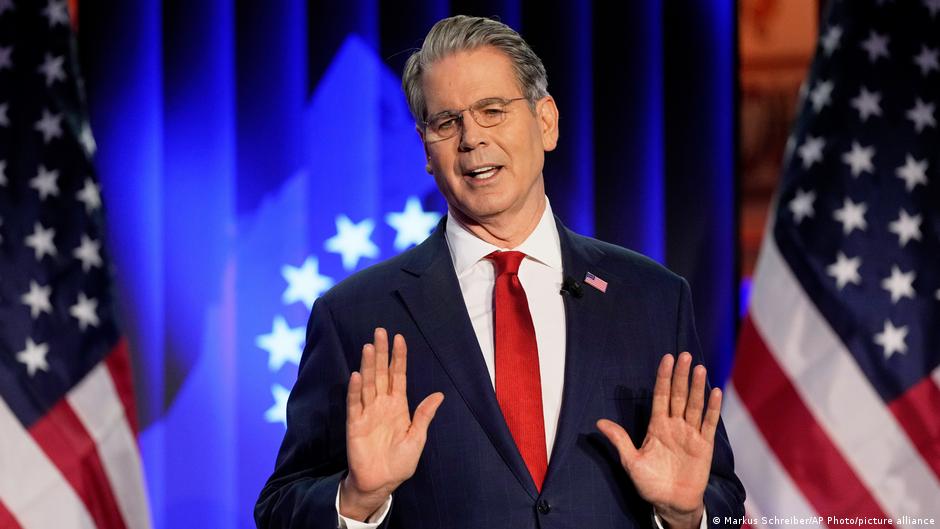
US Treasury Secretary Scott Bessent confirms no further extensions for sanctions exemptions on Russian and Iranian oil shipments already at sea.

Lufthansa plans to cancel 20,000 flights and retire older aircraft to reduce aviation fuel consumption by over 40,000 tons amid the ongoing energy crisis.

The US has extended its waiver on sanctions for Russian oil shipments until May 16, raising concerns about sanction evasion and implications for fintech compliance and digital payments.