Trump Delays Russia Sanctions, Citing Ukraine Talks and Iran
Trump postponed sweeping Russia sanctions, leaving payment firms, crypto platforms and tech investors exposed to uncertainty over energy trade and compliance.

Trump postponed sweeping Russia sanctions, leaving payment firms, crypto platforms and tech investors exposed to uncertainty over energy trade and compliance.

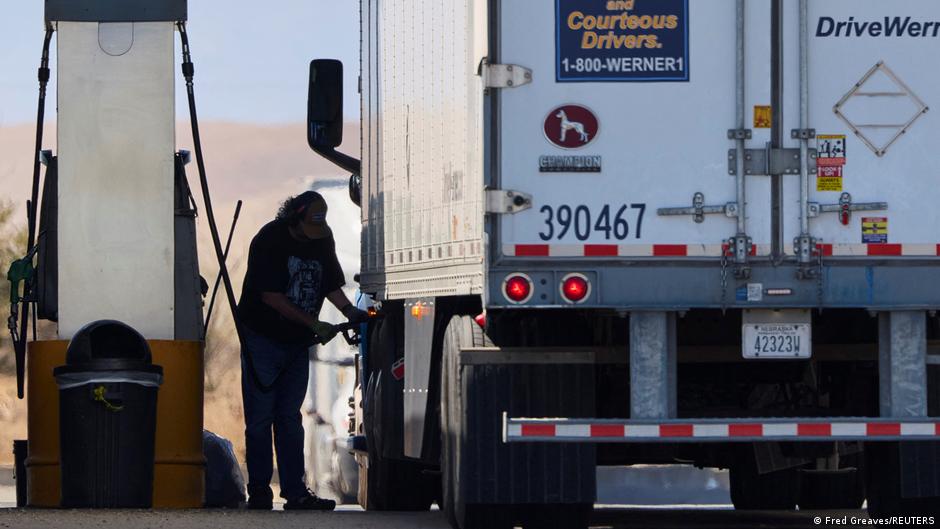
A bipartisan Senate group warns Trump’s Russian diesel deal could fund Moscow’s war while offering little relief to U.S. fuel consumers.

Reported U.S. pressure on Ukraine over refinery strikes raises questions for energy markets, payments compliance, crypto risk and tech stocks.

A bipartisan House bill would seek to ban Russian oil purchases, raising compliance questions for payments, banking and digital finance firms.

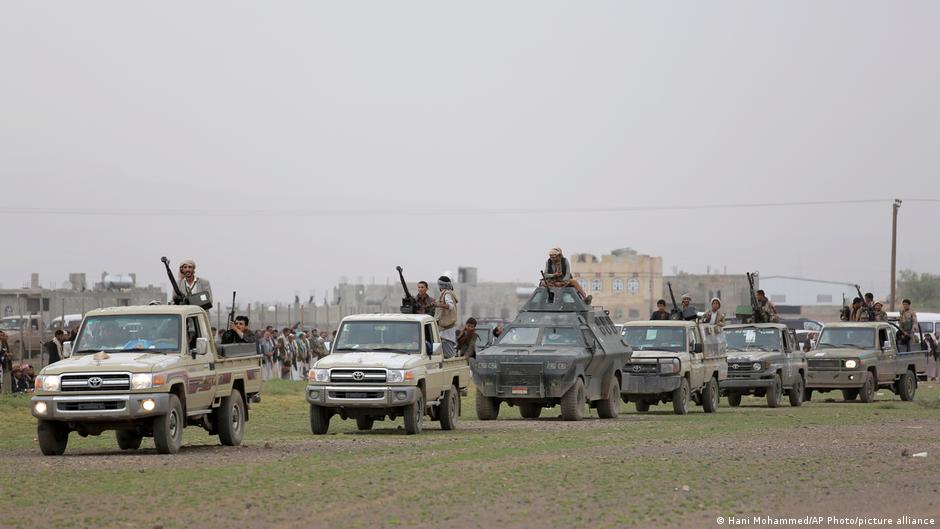
Yemen’s new offensive near Mocha raises risks for Red Sea shipping, energy markets, payments and digital finance across the region.

Russia’s flag registry grew 36% as sanctioned shadow-fleet vessels moved under pressure from open registries and compliance regimes.

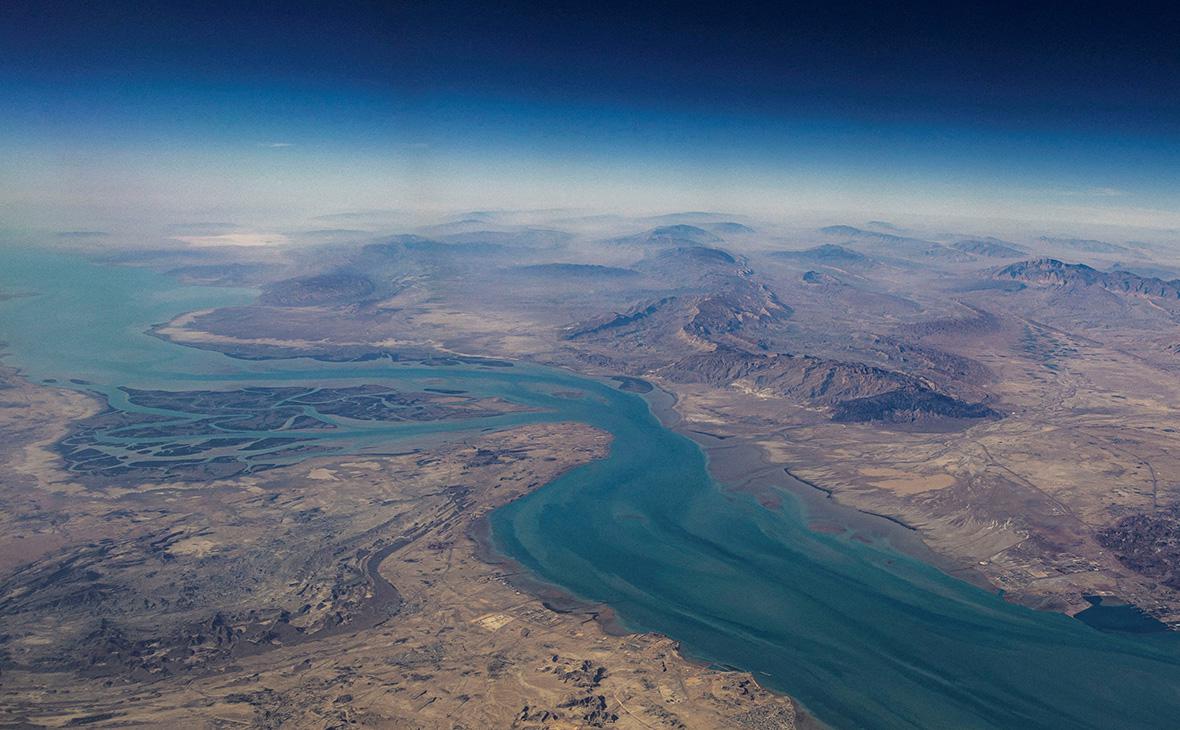
U.S.-Iran talks at the UN raised market focus on Hormuz shipping, sanctions, frozen assets, cybersecurity risk and fintech exposure.

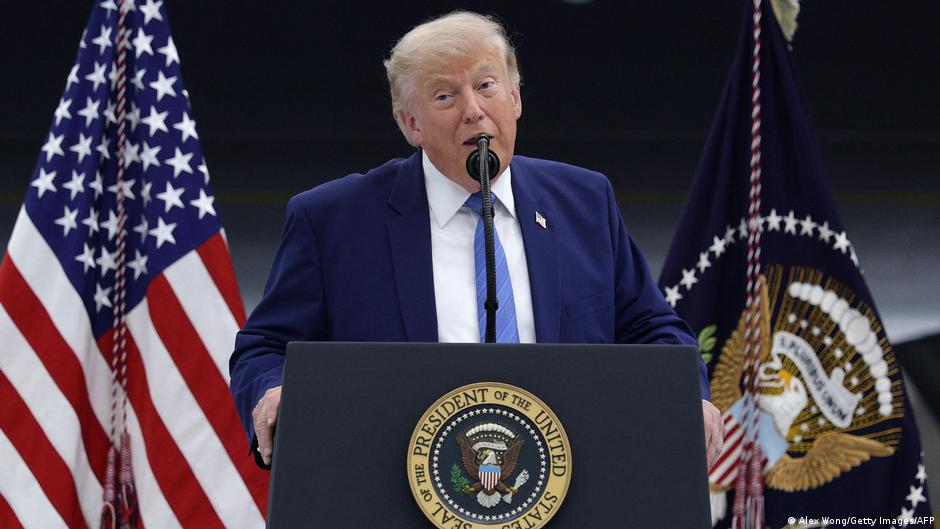
Trump signed the Graham sanctions bill, giving the White House broad powers over Russian energy tariffs, banks and sanctions evasion networks.

The House advanced a Graham-linked sanctions bill that could reshape energy trade, payment compliance, crypto monitoring and fintech risk.

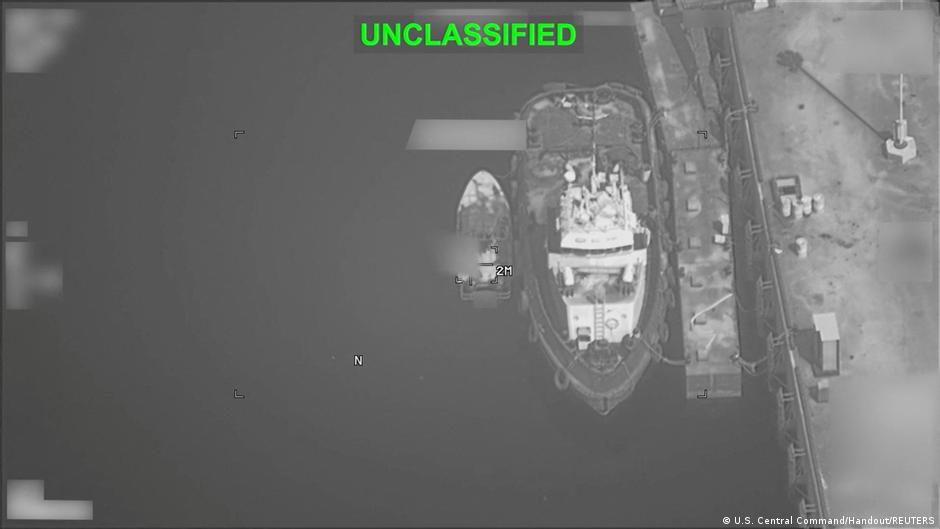
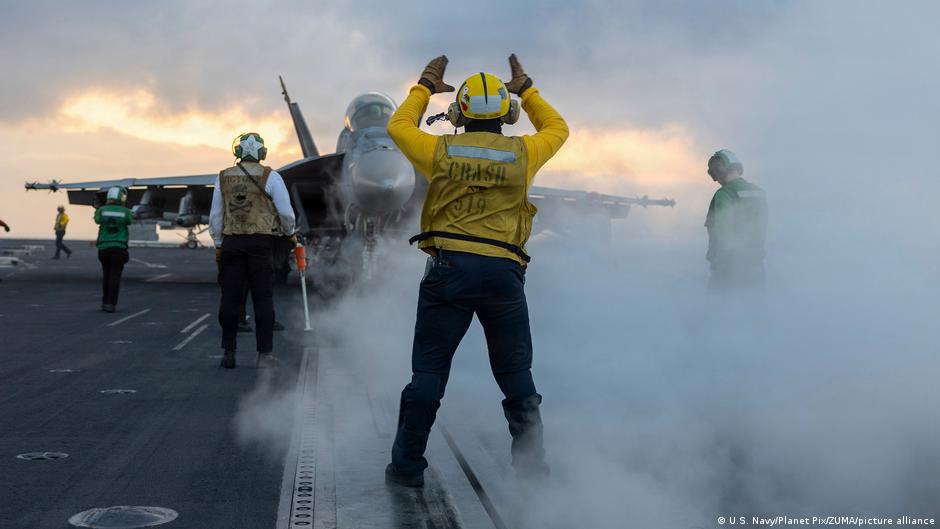
CENTCOM said five Iranian oil tankers were destroyed after missile attacks on a U.S. Navy ship, raising Gulf energy and finance risks.

The US Senate approved stringent sanctions targeting Russia's energy and financial sectors, impacting global fintech, compliance, and energy trade dynamics.

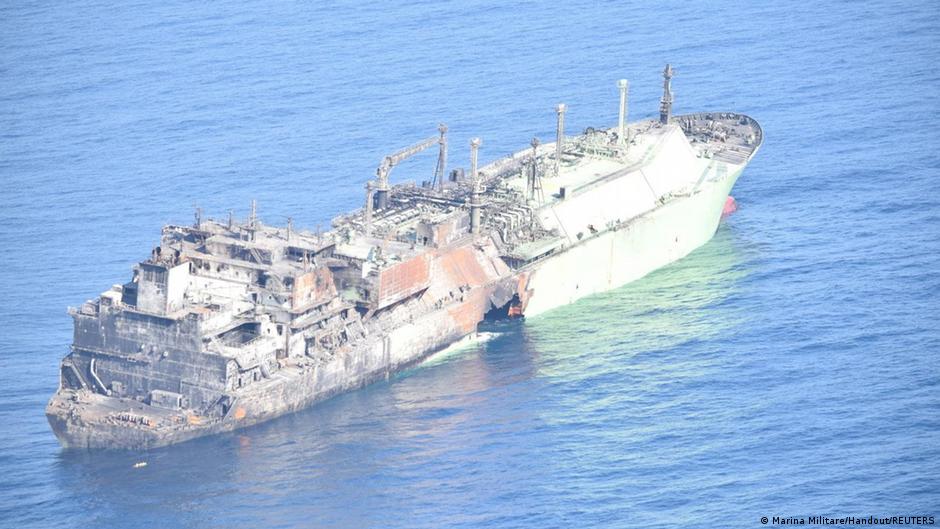
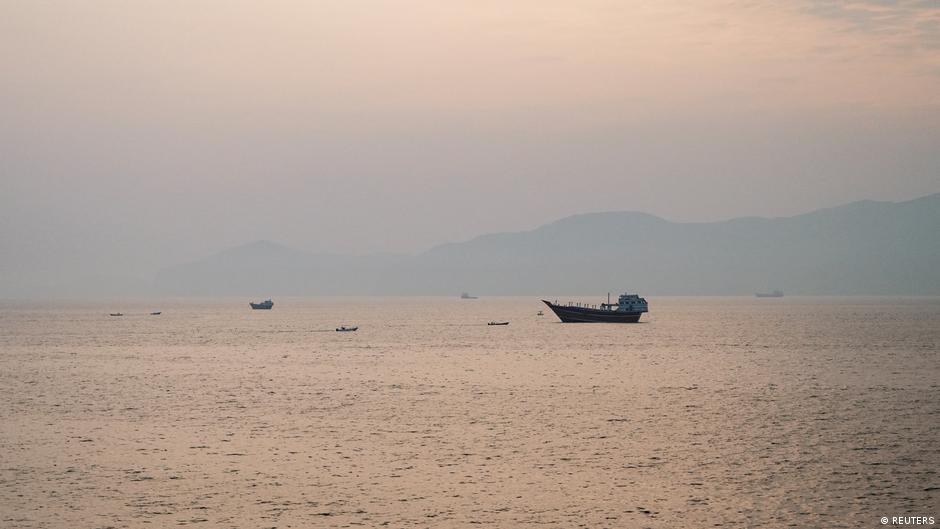
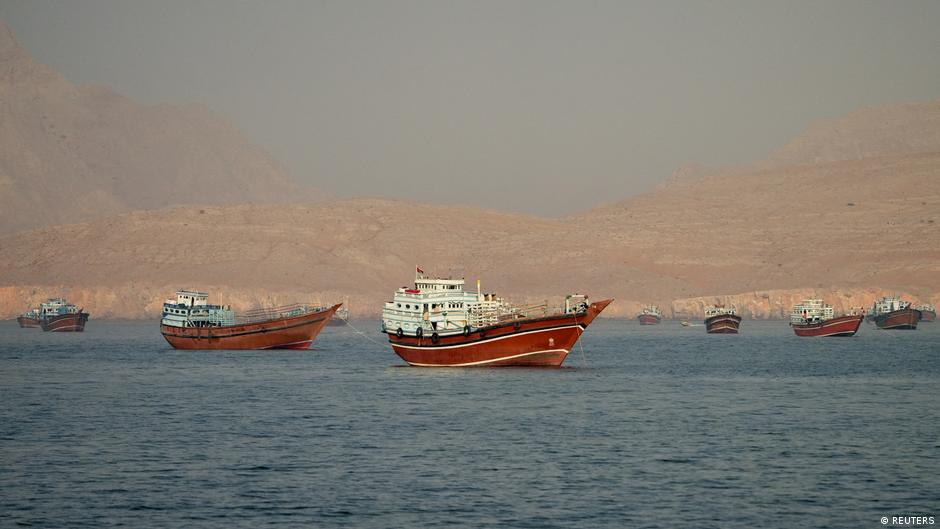
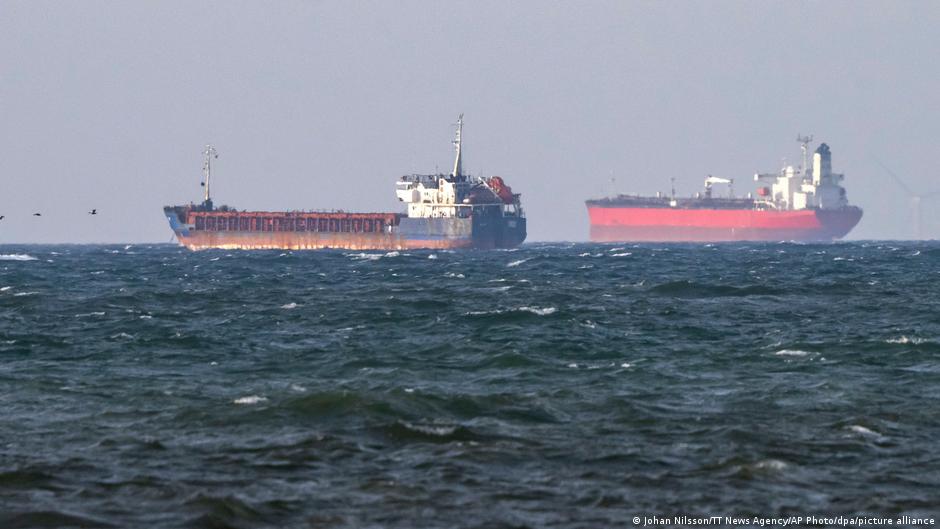
Iran’s Revolutionary Guard mined and attacked an oil tanker in the Strait of Hormuz, impacting global energy trade and digital financial networks connected to maritime oil shipments.

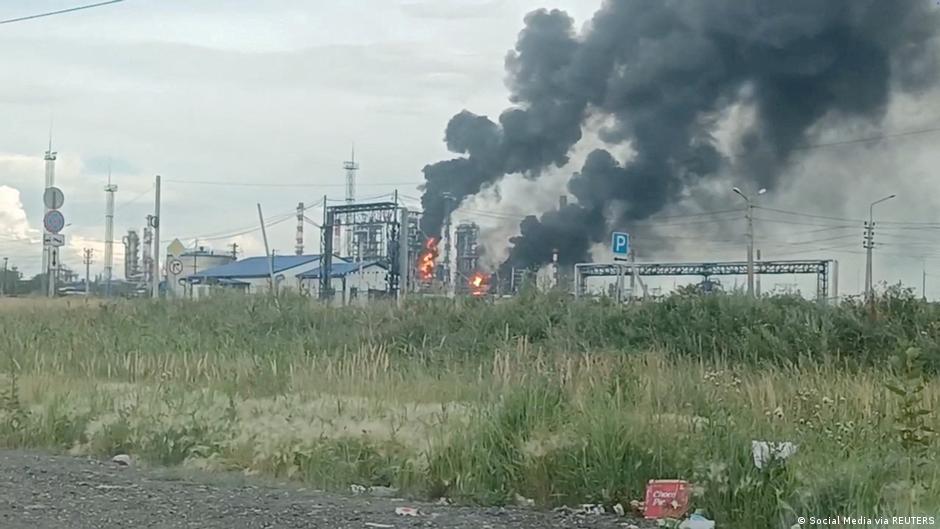
The Saratov oil refinery in Russia has ceased operations after drone attacks damaged key processing units, intensifying fuel shortages and impacting the digital economy.

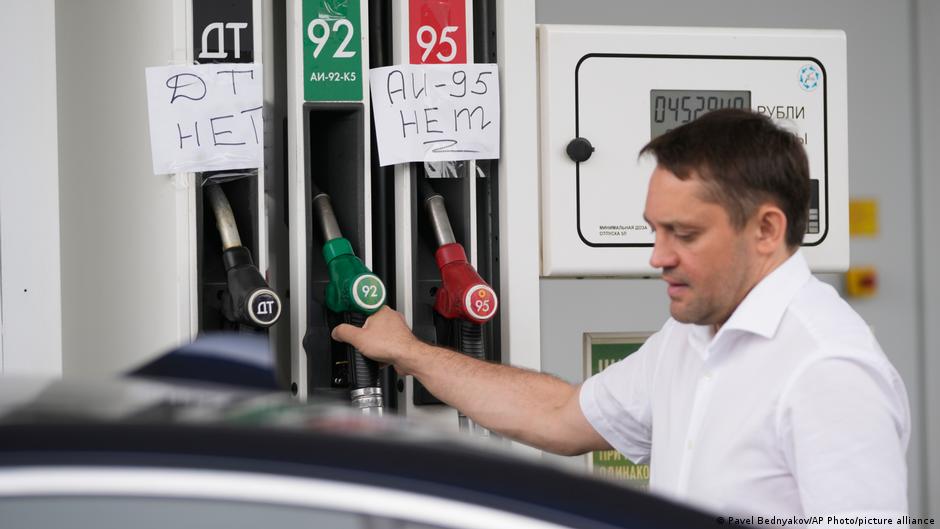
Russia authorizes use of higher-sulfur Euro-3 fuels domestically until 2026 to address supply disruptions caused by attacks on refineries, excluding exports to EAEU states.

US airstrikes on Iranian military sites followed Iran's drone attack on a commercial vessel in the Strait of Hormuz, escalating risks to maritime security and impacting global trade and fintech sectors.

The US may impose fees on ships passing through the Strait of Hormuz amid Iran deal uncertainty, affecting energy trade and digital payment systems in a key maritime corridor.

Germany urges Turkey to exclude Russian gas in future EU energy deals, impacting fintech and digital payments as Turkey aims to become a regional gas hub.

Pakistan announces the Strait of Hormuz will reopen immediately following a US-Iran peace deal, signaling shifts in global trade and fintech opportunities.

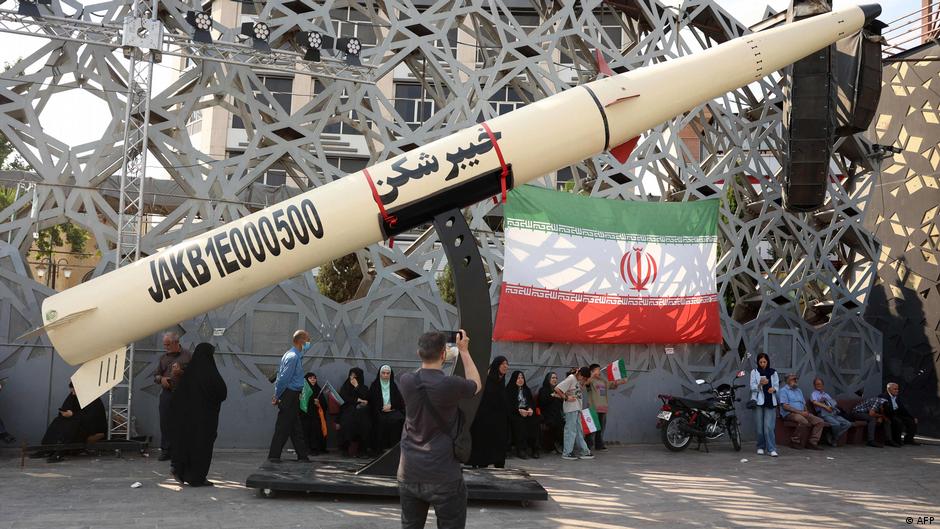
Iran has replenished its missile arsenal to three-quarters of pre-conflict levels, likely aided by Russian weapons transfers during a truce with the US, impacting regional security and energy markets.

The US sanctions on Cuba’s state oil company CUPET disrupt energy trade and pose challenges for fintech, digital payments, and cybersecurity in the region.

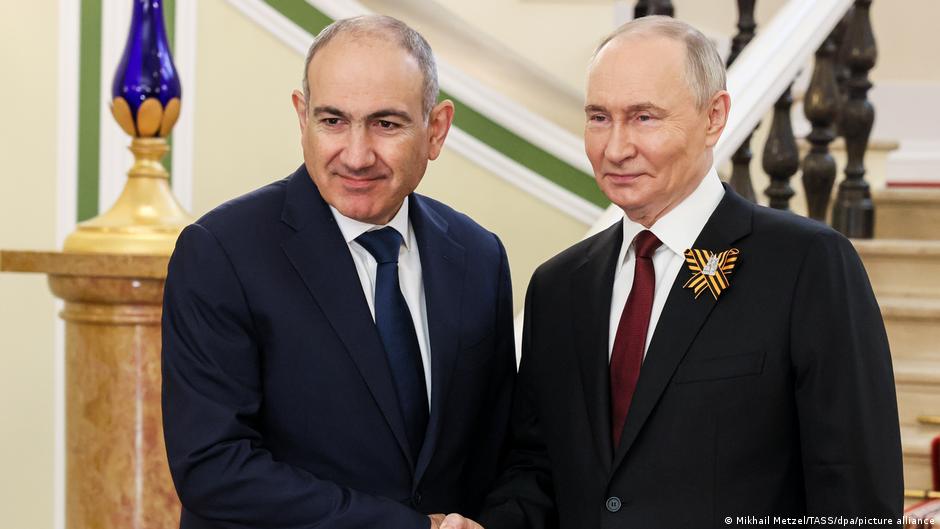
Russia warns Armenia that deepening EU ties may end duty-free gas and oil supplies, threatening energy security and economic cooperation amid geopolitical tensions.

The US has ended its temporary waiver on sanctions for Russian oil shipments, impacting global energy payments and fintech compliance requirements amid geopolitical tensions.

The US has extended its waiver on sanctions for Russian oil shipments until May 16, raising concerns about sanction evasion and implications for fintech compliance and digital payments.

Trump rejects NATO help securing Strait of Hormuz, calling alliance ineffective. European nations lead peaceful mission to protect vital shipping lanes amid Middle East tensions.

Russia's Deputy Foreign Minister says the UN proposal to monitor the Strait of Hormuz lacks support from key parties and its future is uncertain.