US Senate Passes Stricter Sanctions on Russia, Impacting Energy and Financial Sectors
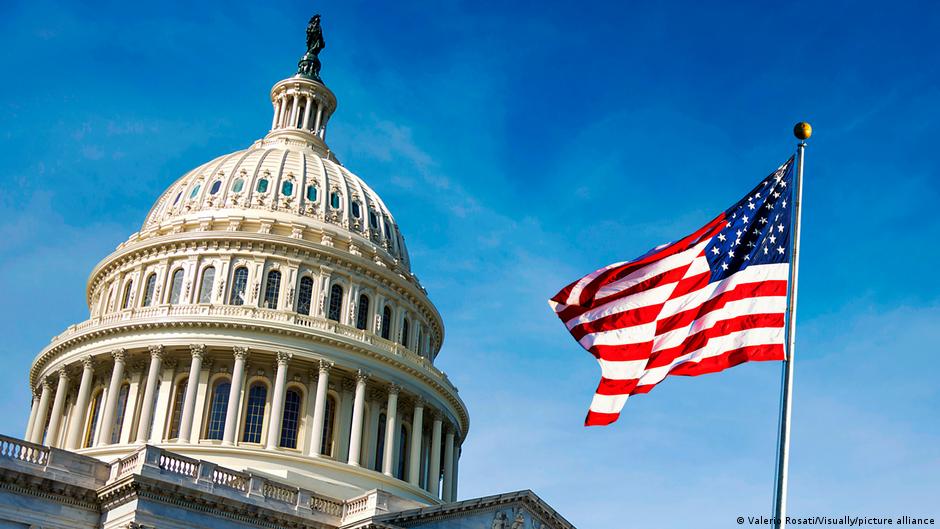
The US Senate approved stringent sanctions targeting Russia's energy and financial sectors, impacting global fintech, compliance, and energy trade dynamics.

The US Senate approved stringent sanctions targeting Russia's energy and financial sectors, impacting global fintech, compliance, and energy trade dynamics.

The US Senate advances a bill imposing heavy tariffs on Russia, with broad implications for fintech, digital banking, and sanctions compliance.

Russia’s July oil and gas revenues could rise 60% year-on-year due to global price increases, despite sanctions aiming to limit its energy export earnings.

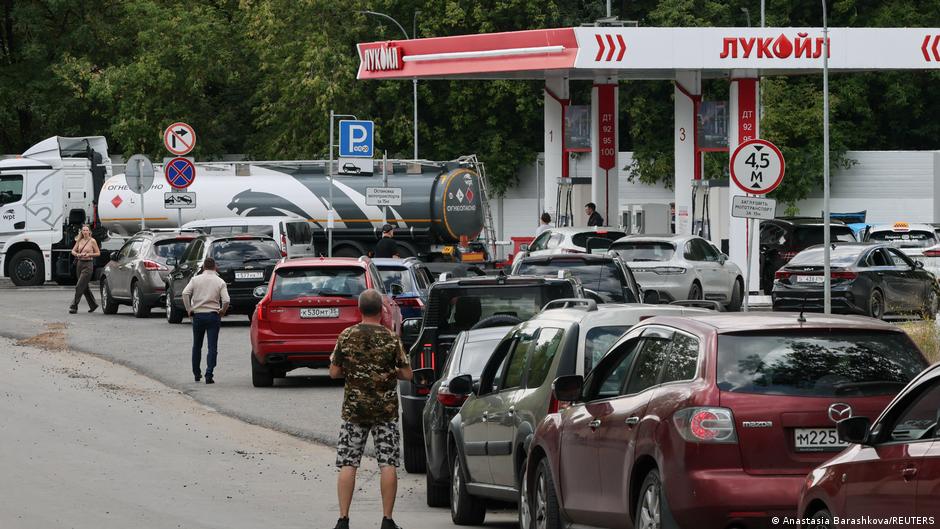
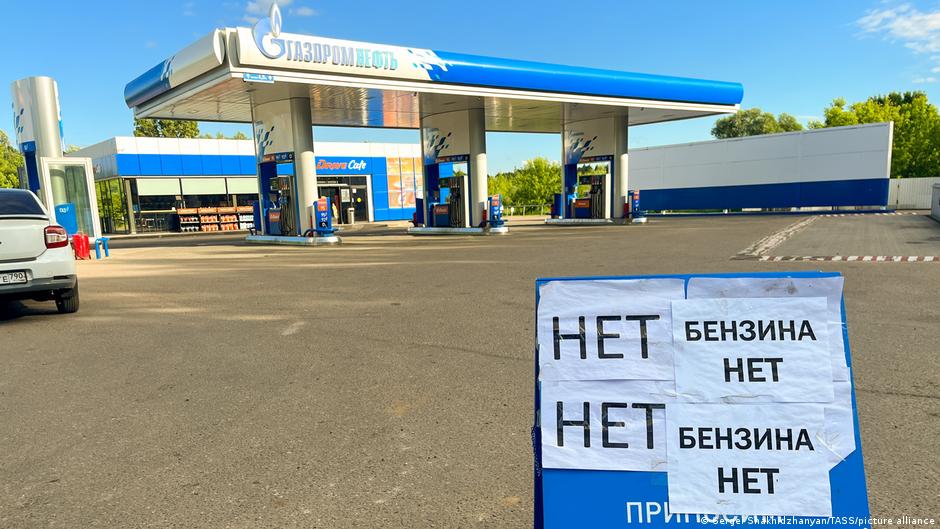
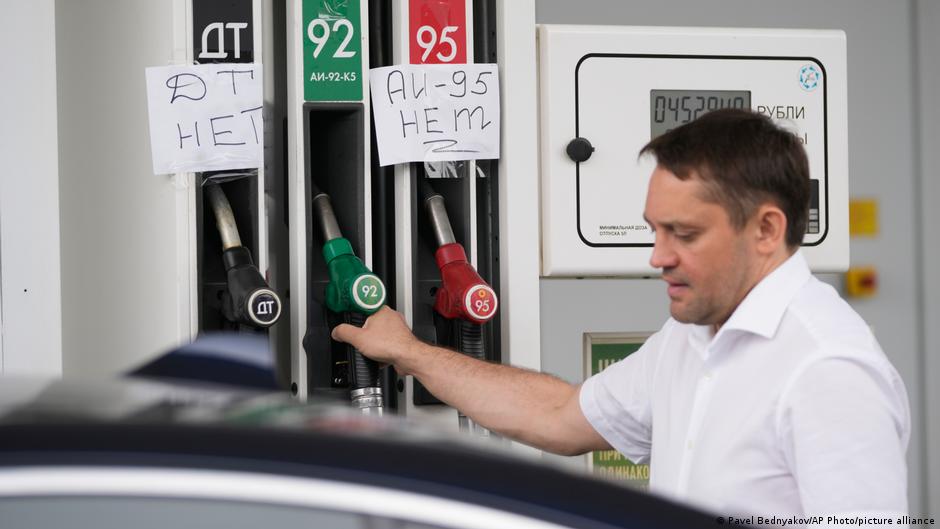
Russia's petroleum product production index fell nearly 22% in June amid ongoing infrastructure disruptions, impacting fuel availability and market dynamics.

Russian missile strikes on Kyiv damage critical infrastructure, raising concerns over fintech resilience, cybersecurity, and economic stability amid ongoing conflict.

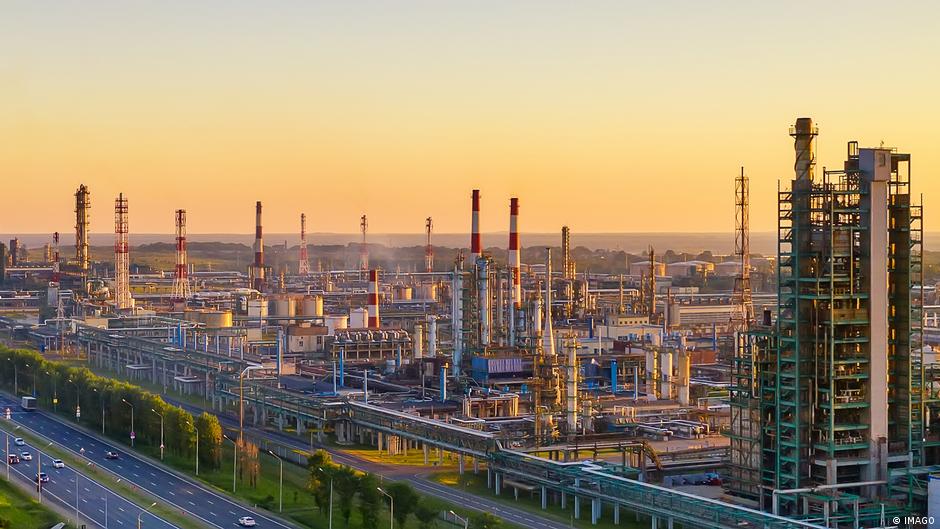
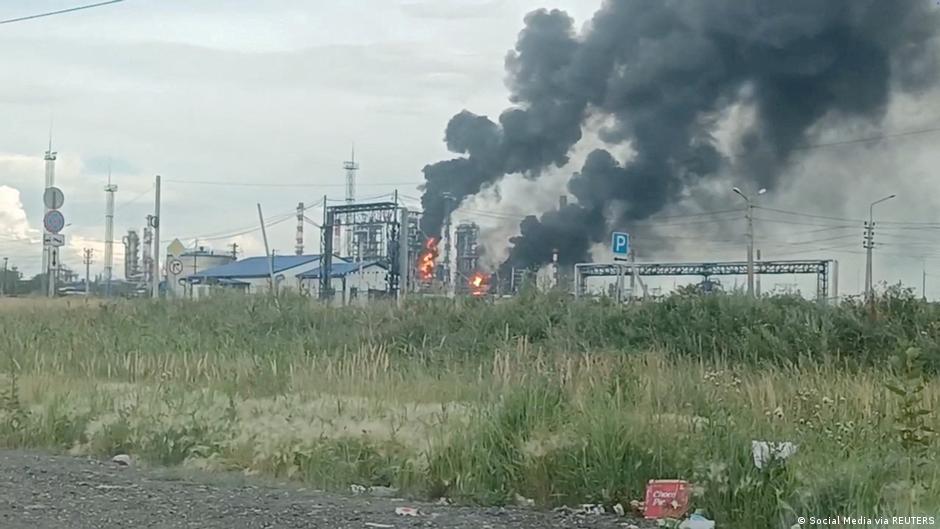
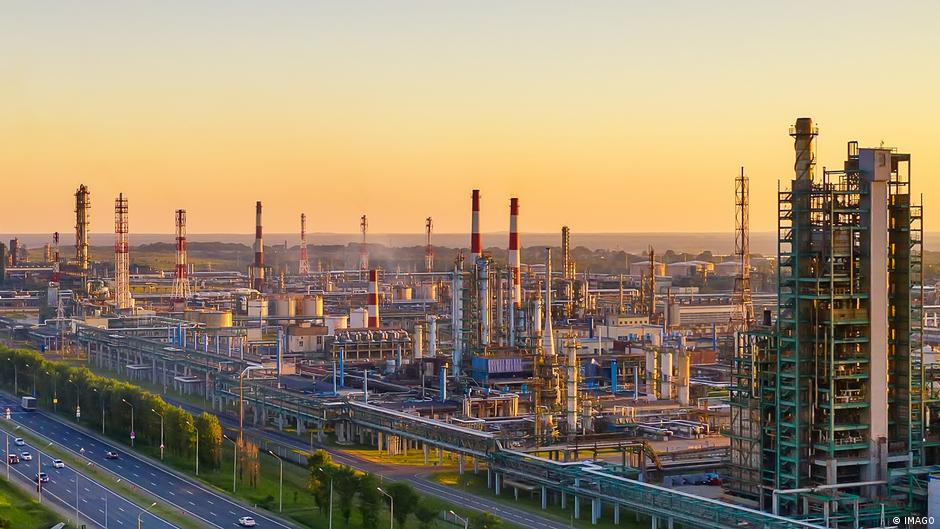
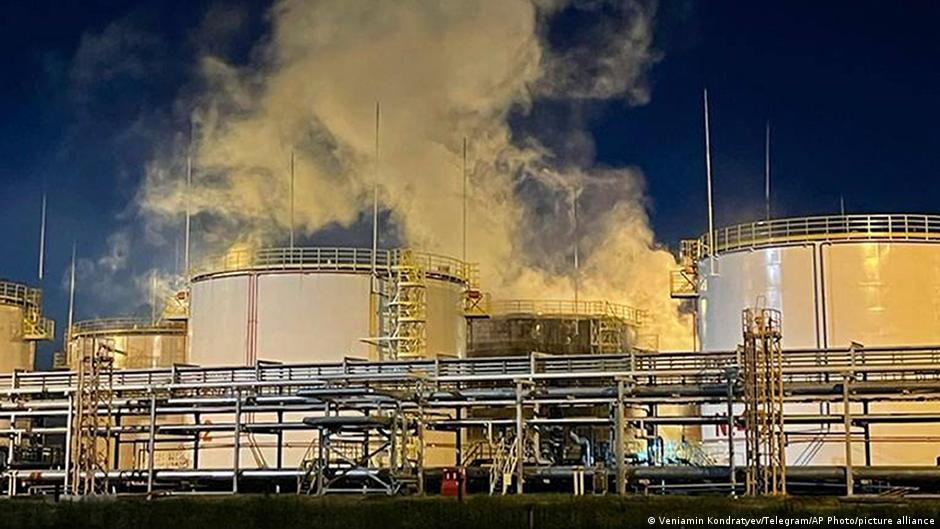
The Saratov oil refinery in Russia has ceased operations after drone attacks damaged key processing units, intensifying fuel shortages and impacting the digital economy.

Russia authorizes use of higher-sulfur Euro-3 fuels domestically until 2026 to address supply disruptions caused by attacks on refineries, excluding exports to EAEU states.

France and Italy question the EU's proposed ban on Russian combatants' entry, fearing it may extend to all Russian nationals, complicating fintech compliance amid sanctions.

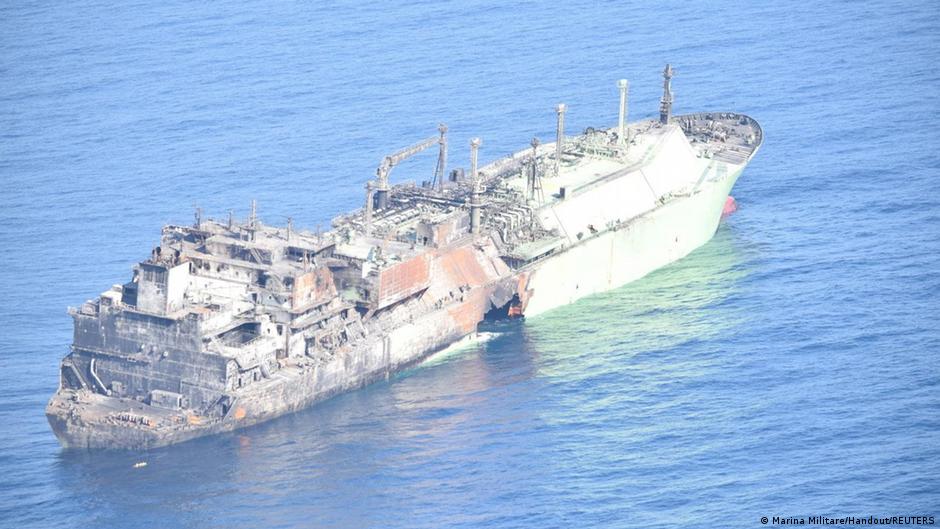
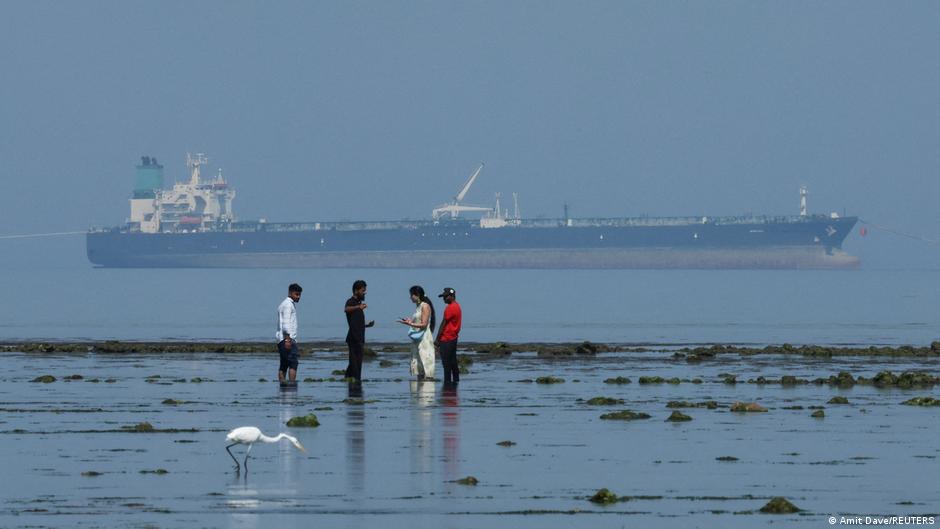
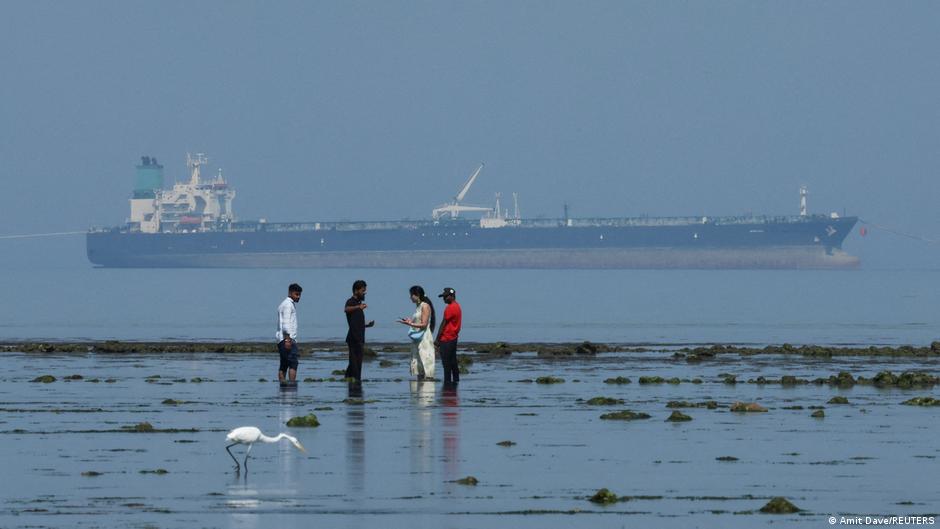
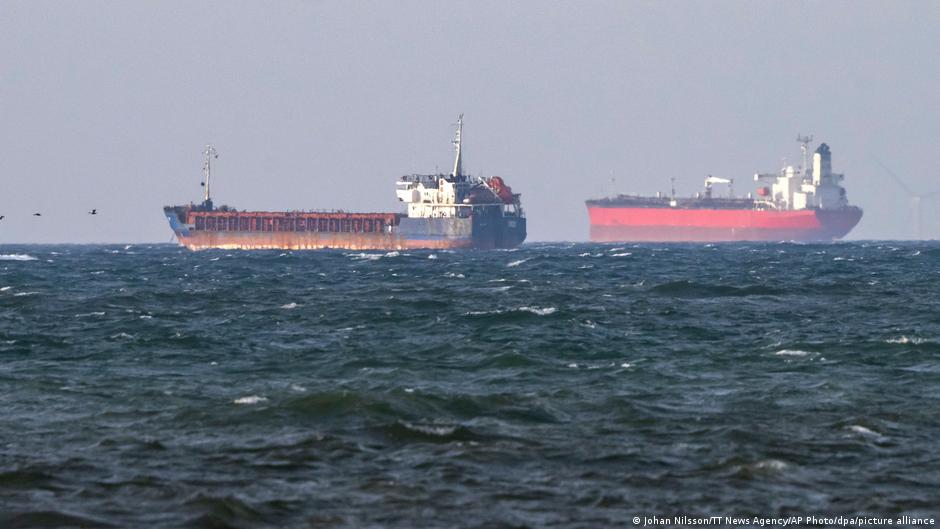
Russia’s maritime oil exports hit a record high since early 2026 amid US sanctions easing for Iran, pressuring global prices and intensifying competition on markets like India.

Germany urges Turkey to exclude Russian gas in future EU energy deals, impacting fintech and digital payments as Turkey aims to become a regional gas hub.

Russia plans 1-2 month export restrictions on diesel and jet fuel amid refinery shutdowns caused by Ukrainian drone attacks, impacting fuel markets and digital economy sectors.

The UK has authorized indefinite imports of diesel and kerosene refined from Russian oil in third countries, easing sanctions to stabilize fuel supplies amid rising energy costs and geopolitical tensions.

The US has ended its temporary waiver on sanctions for Russian oil shipments, impacting global energy payments and fintech compliance requirements amid geopolitical tensions.

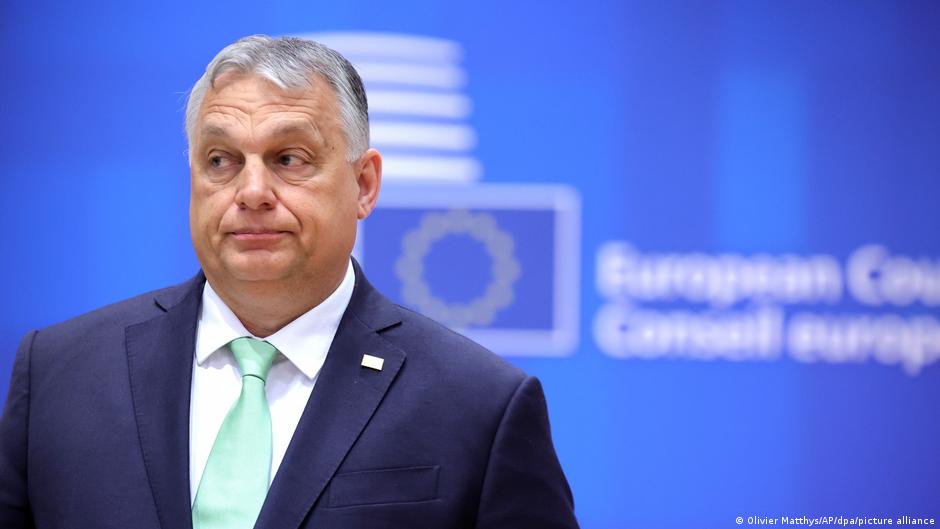
Outgoing Hungarian PM Viktor Orban declines parliamentary mandate amid leadership changes and new government plans to reverse key policies affecting EU relations and digital economy prospects.

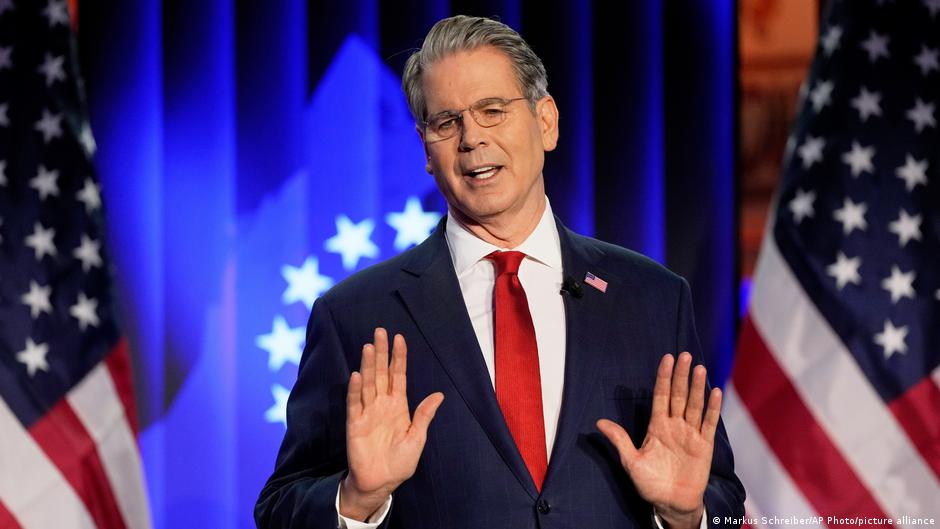
US Treasury Secretary Scott Bessent confirms no further extensions for sanctions exemptions on Russian and Iranian oil shipments already at sea.

Drone strikes on Russian oil depots ignite fires without casualties, raising cybersecurity and operational risks for critical energy infrastructure amid ongoing conflict.

The US has extended its waiver on sanctions for Russian oil shipments until May 16, raising concerns about sanction evasion and implications for fintech compliance and digital payments.

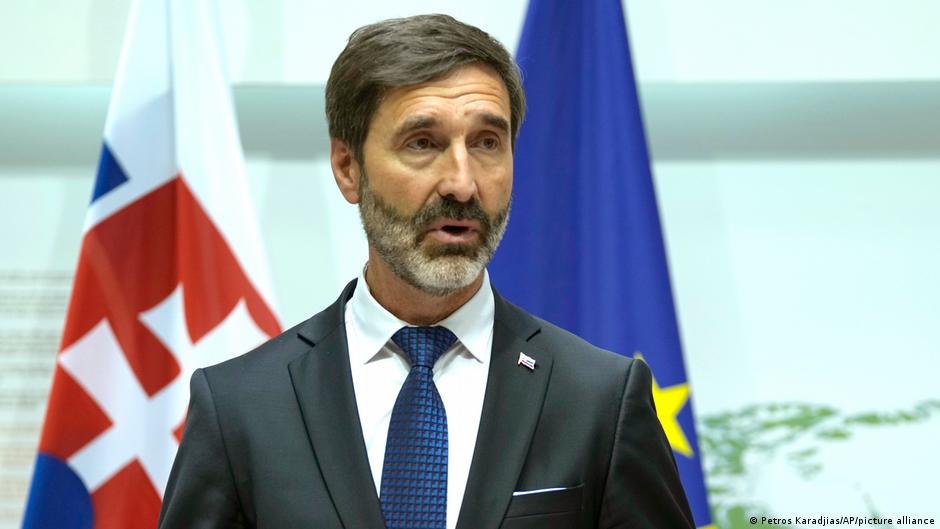
Slovakia will block the EU's 20th sanctions package on Russia until Russian oil flows resume via the Druzhba pipeline through Ukraine, impacting EU energy and financial policies.