CDU Rout in Mecklenburg-Vorpommern Adds Policy Risk for German Markets
The CDU’s historic defeat in Mecklenburg-Vorpommern adds political risk for fintech, digital banking and tech investors watching Germany.

The CDU’s historic defeat in Mecklenburg-Vorpommern adds political risk for fintech, digital banking and tech investors watching Germany.

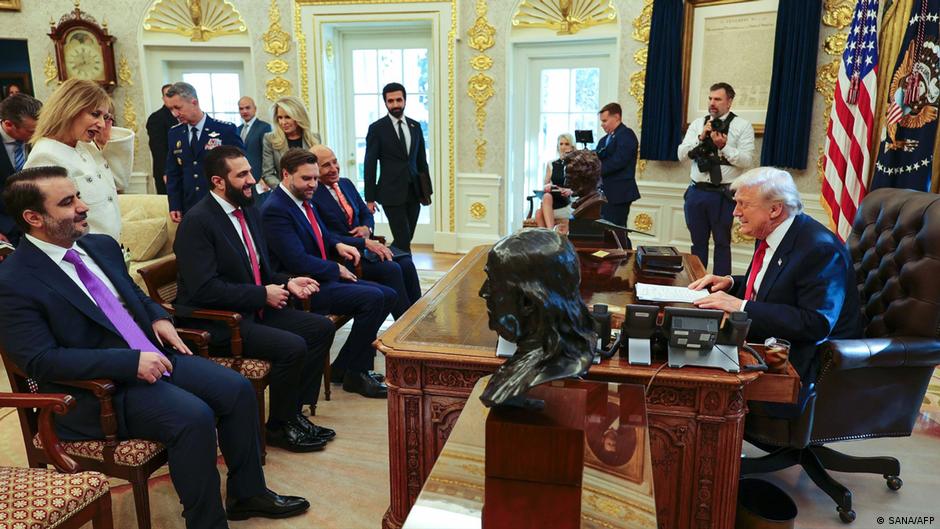
The US removal of Syria from the terrorism sponsor list opens pathways for economic integration, fintech growth, and digital banking expansion amid complex regional geopolitics.

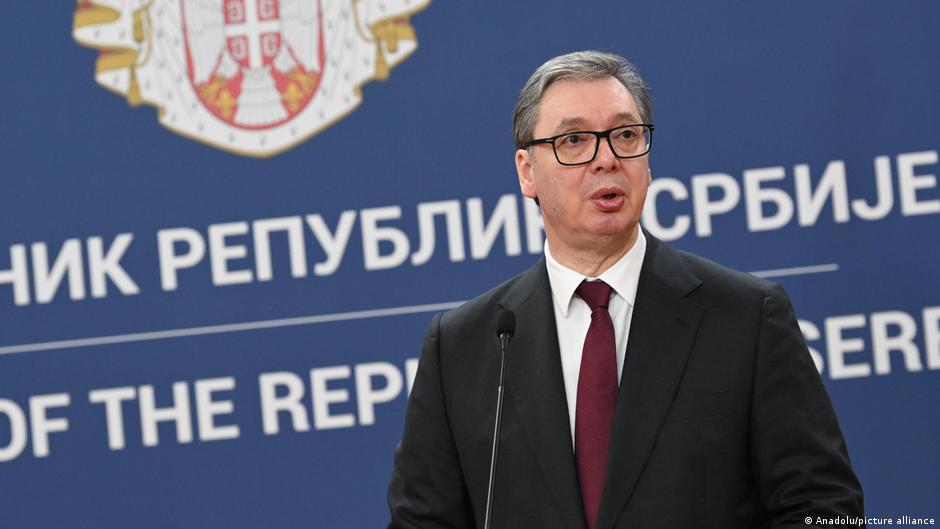
Serbia will hold early parliamentary elections in October 2023 amid widespread protests demanding government accountability and anti-corruption measures.

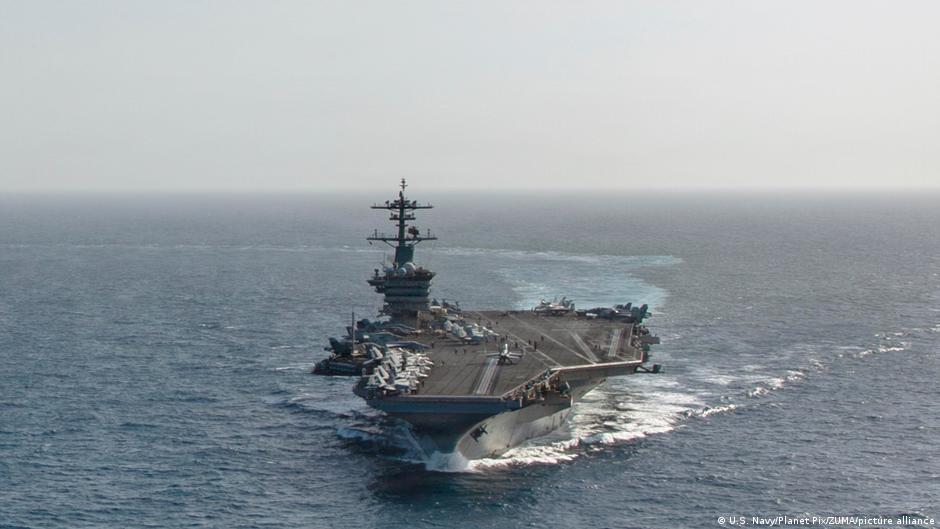
US-Iran conflict over the Strait of Hormuz threatens oil trade routes and digital payment systems, with Oman caught in diplomatic crossfire amid escalating military tensions.

Jared Kushner’s talks with Hamas leaders highlight how Middle East geopolitical tensions affect fintech, digital banking, and cybersecurity amid ongoing Gaza conflict.

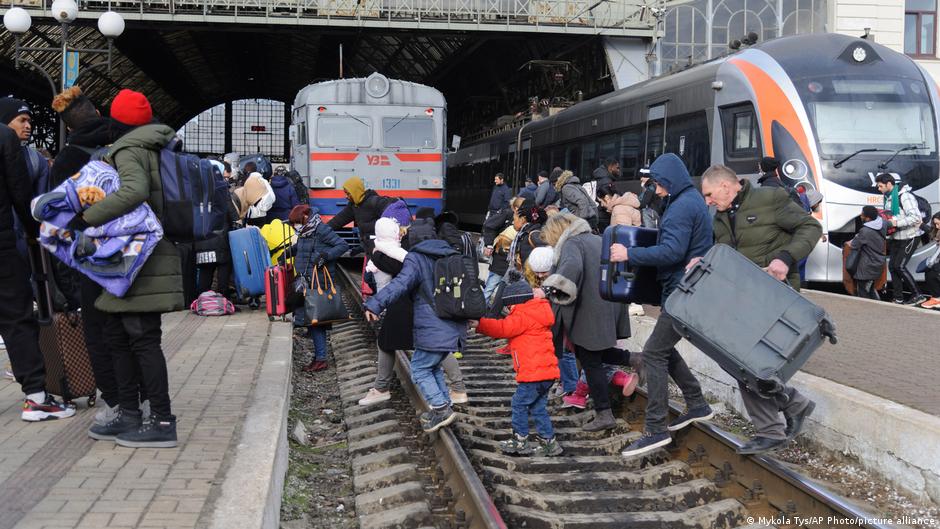
Over 8.4 million Ukrainians live abroad amid conflict, driving demand for fintech services, digital payments, and secure cross-border financial solutions.

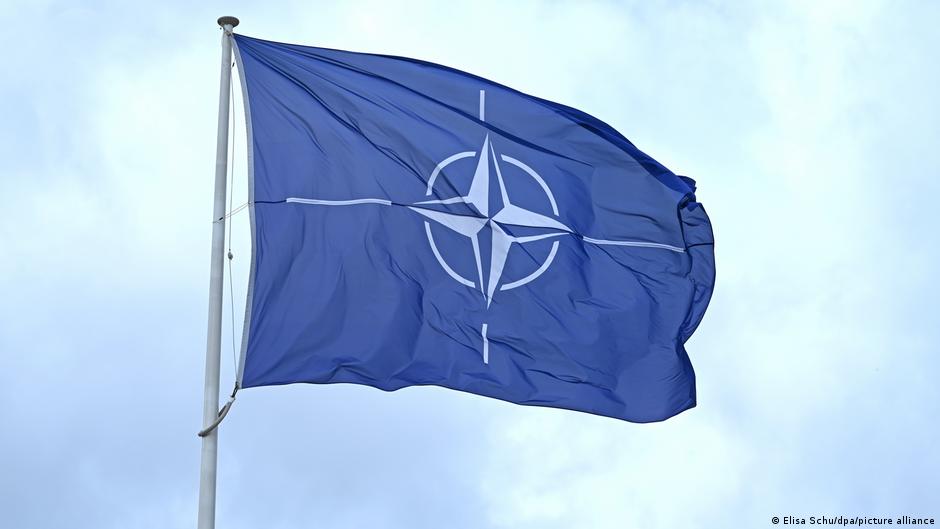
NATO considers deploying tactical nuclear weapons in Finland, Poland, and Lithuania, raising security and digital economy concerns amid Russian threats.

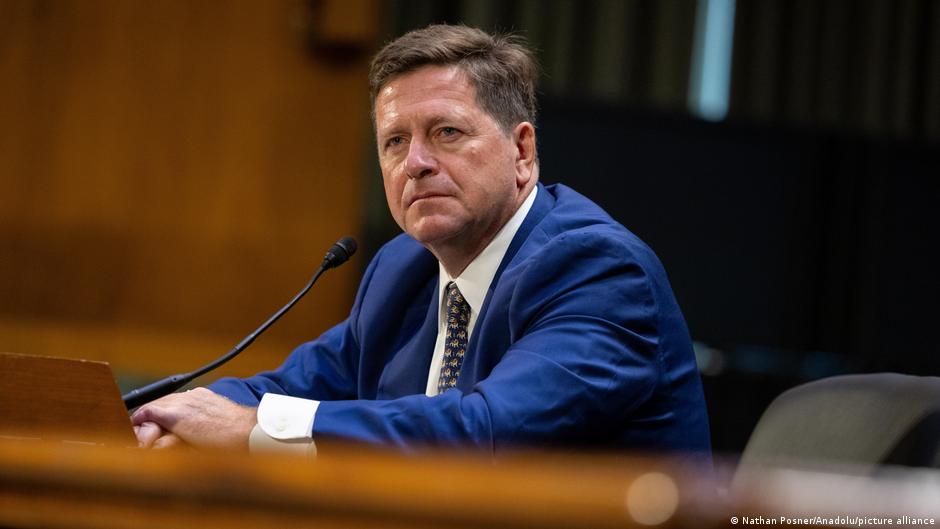
Jay Clayton is confirmed as US Director of National Intelligence, bringing legal and regulatory expertise but no prior intelligence experience to the role amid bipartisan concerns.

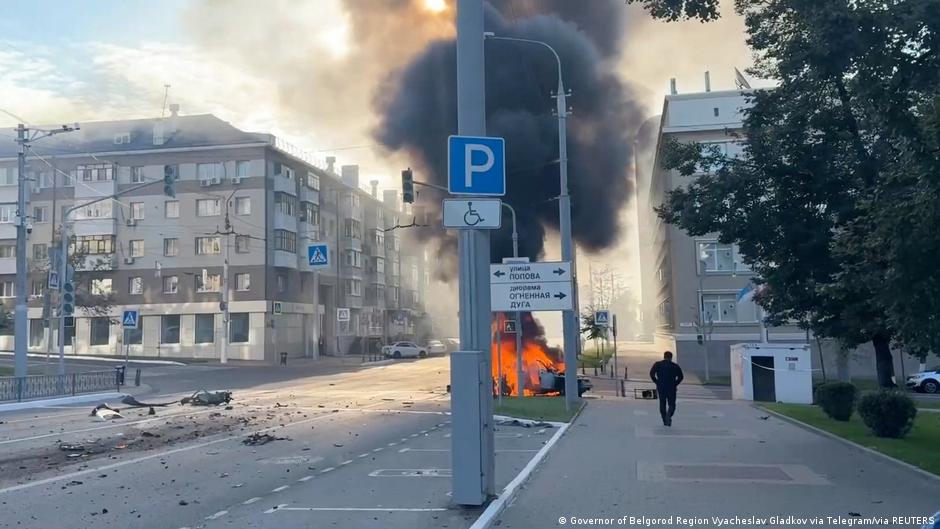
Recent drone attacks in Russian and Ukrainian regions expose vulnerabilities in digital infrastructure, emphasizing cybersecurity and fintech challenges amid conflict.

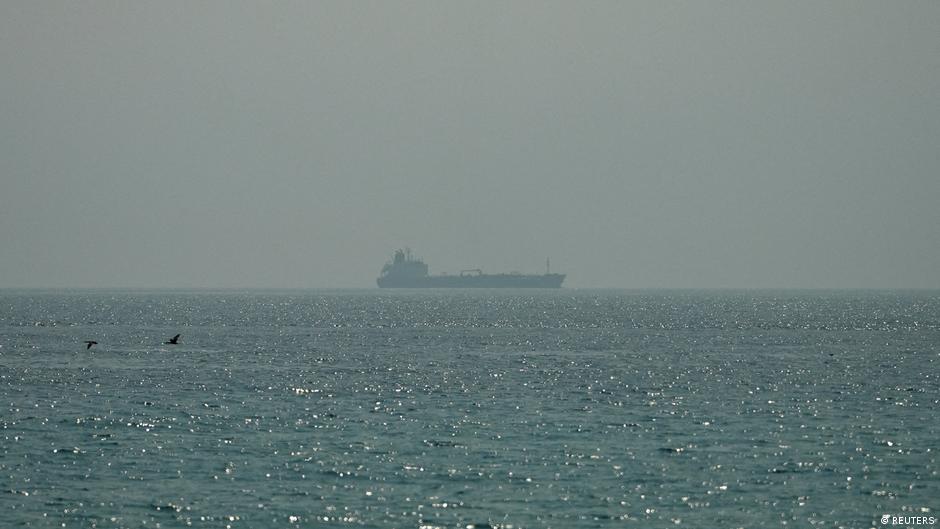
Iran’s Revolutionary Guard mined and attacked an oil tanker in the Strait of Hormuz, impacting global energy trade and digital financial networks connected to maritime oil shipments.

US strikes on Iran continue for the ninth night, disrupting Gulf trade routes and impacting energy supply chains, with significant implications for fintech and cybersecurity sectors.

The death of Iran’s Supreme Leader Ali Khamenei and subsequent regional tensions pose risks to digital banking, payments, and cybersecurity in the Middle East’s fintech sector.

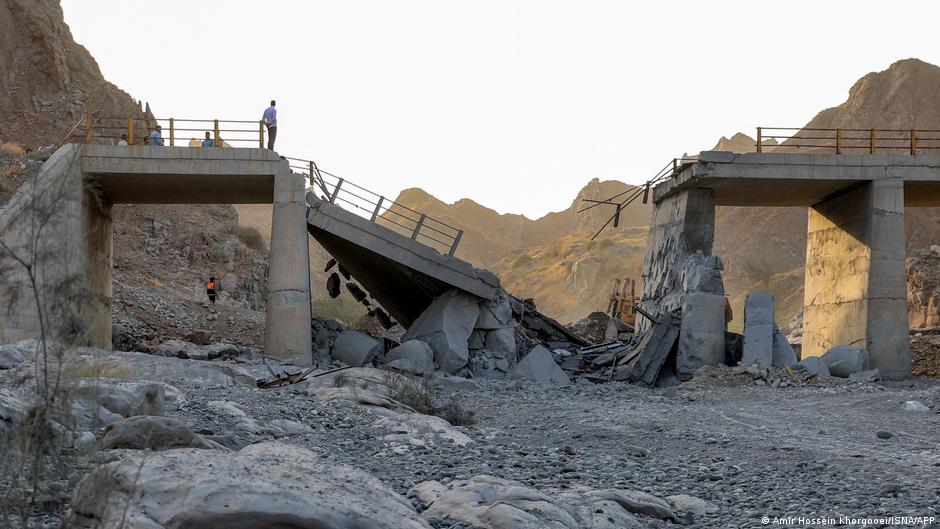
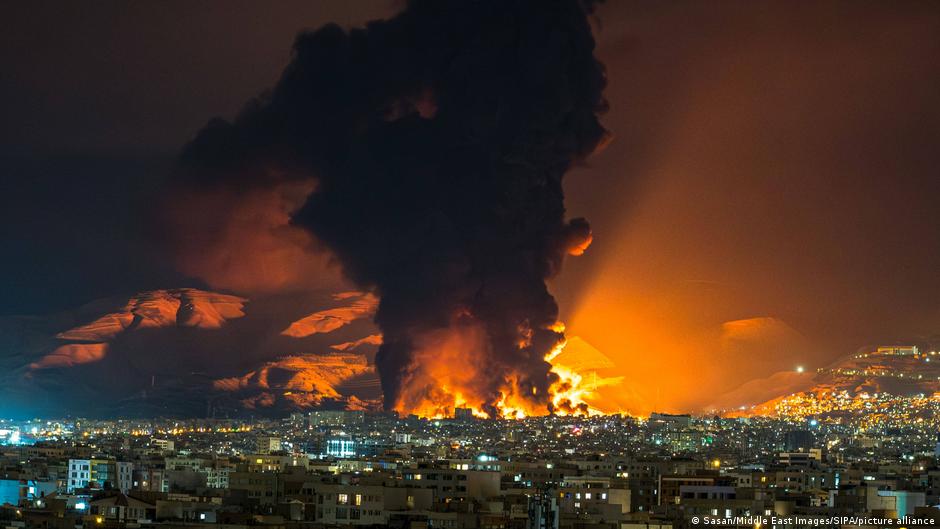
US military strikes on Iran target maritime infrastructure in the Strait of Hormuz, raising risks for global trade, energy markets, and fintech payment ecosystems amid escalating tensions.

Ukraine’s Zelensky proposes a National Pantheon and European Order amid tensions with Poland, affecting regional digital economy cooperation and fintech development.

The US and Iran agree to halt attacks until June 30 ahead of talks on reopening the Strait of Hormuz, impacting energy markets and fintech sectors.

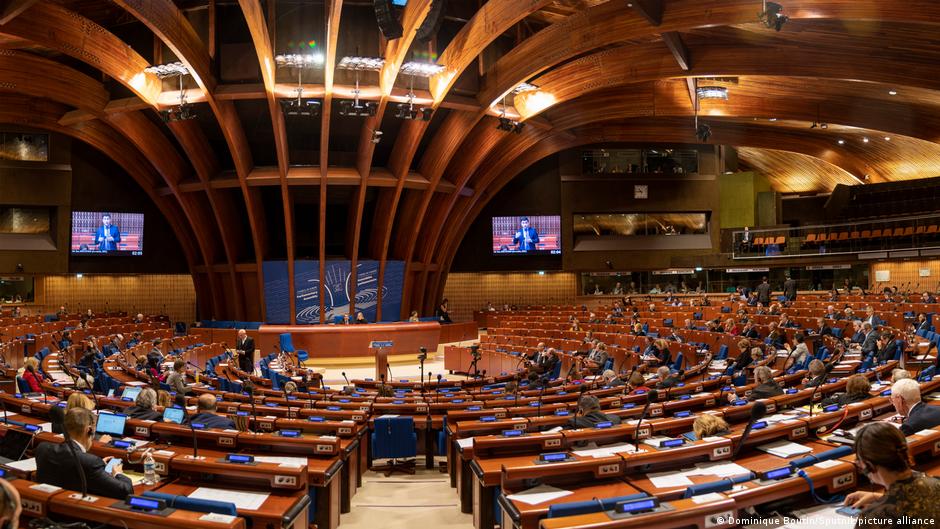
The Council of Europe’s Parliamentary Assembly criticized Georgia for democratic backsliding and urged reforms amid political tensions affecting governance and the digital economy.

Russia launched ballistic missile strikes on Kyiv following the G7's pledge to increase support for Ukraine, raising concerns about the impact on Ukraine’s digital infrastructure and fintech sector.

Eduardo Bolsonaro was sentenced to over four years for lobbying US sanctions against Brazil, highlighting political risks that could affect Brazil's fintech and digital economy sectors.

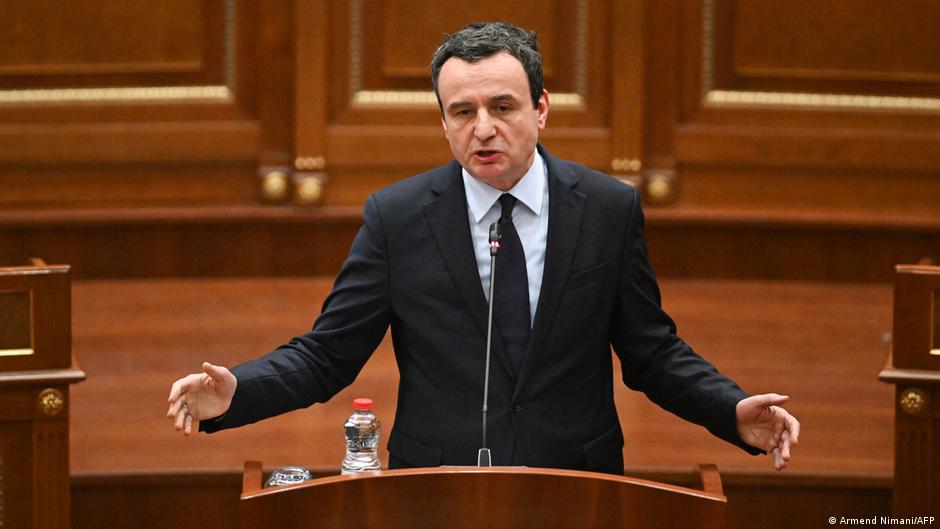
Kosovo’s Vetëvendosje party wins snap elections with 43%, but must form a coalition amid political instability affecting digital economy reforms and fintech development.

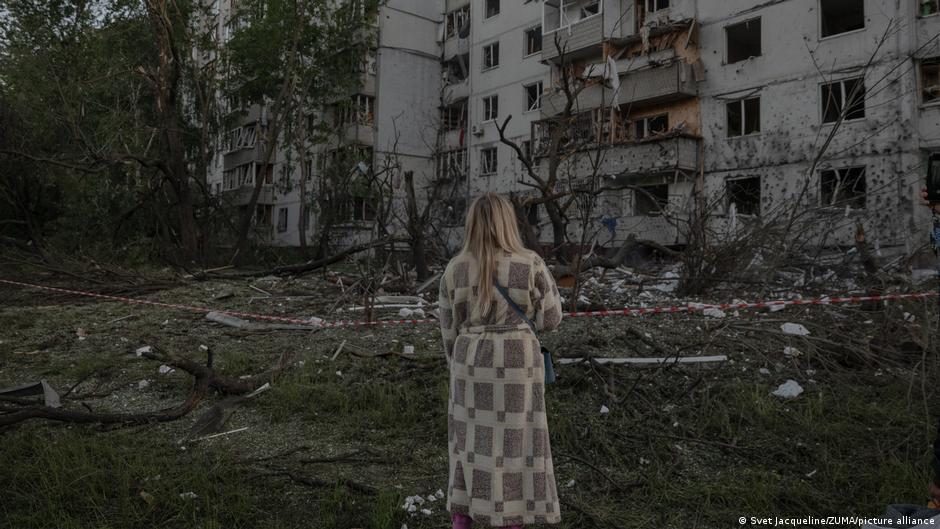
Russian military strike in Zaporizhzhia causes power outages and fires, raising concerns about digital infrastructure and cybersecurity in the region's fintech and energy sectors.

US military launched defensive strikes on Iranian missile sites and mine-laying vessels amid a fragile ceasefire, raising implications for fintech, cybersecurity, and tech stocks.

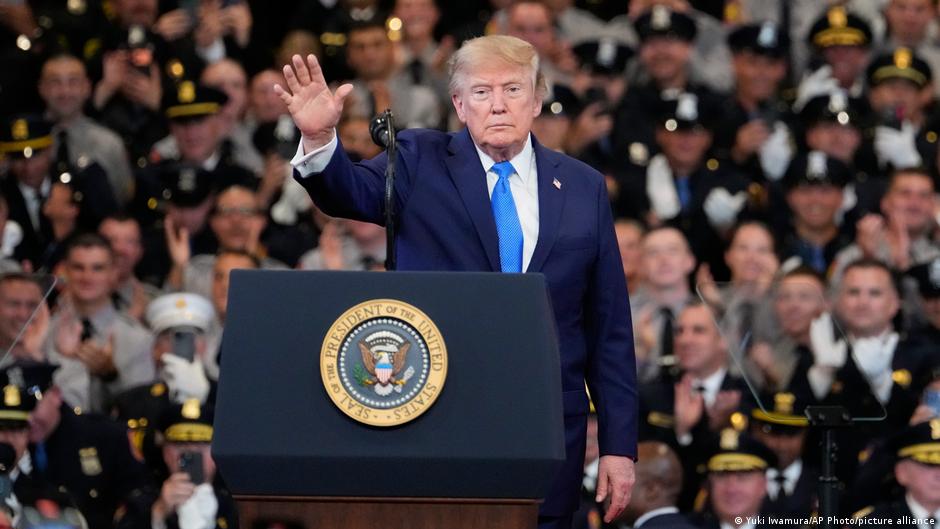
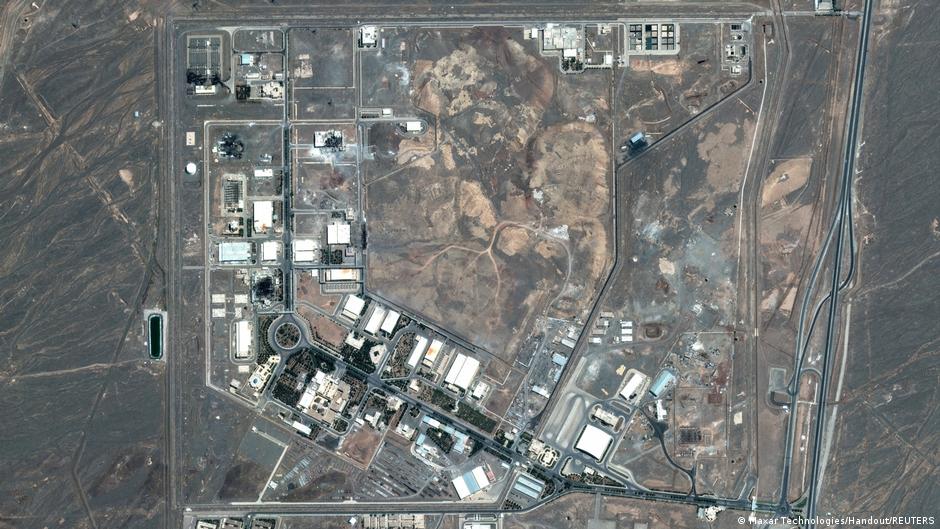
Trump's statement on Iran's uranium stocks underscores geopolitical risks impacting fintech, digital banking, and cybersecurity amid escalating tensions.

UN peacekeeping forces have fallen to their lowest levels since 2000 due to funding shortfalls and geopolitical tensions, threatening global conflict resolution efforts and impacting security across sectors.

Violent clashes erupted in Belgrade during student protests against the Serbian government, raising concerns over political stability and its impact on the digital economy and fintech sector.

US charges former Cuban leader Raul Castro over 1996 killing of US citizen pilots amid rising geopolitical tensions that may impact digital finance and cross-border payments.

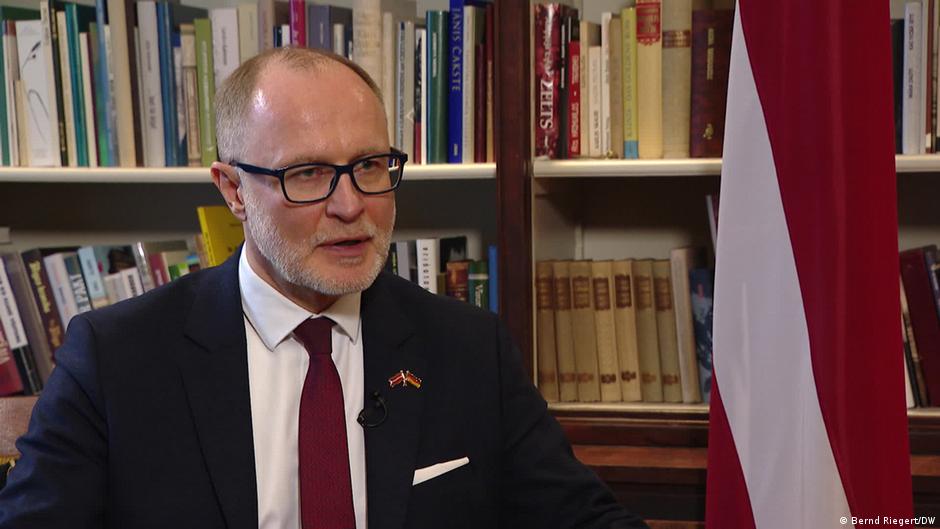
Latvian Defense Minister resigns after drone incursions linked to Ukraine expose vulnerabilities in national airspace security and raise concerns for digital defense strategies.

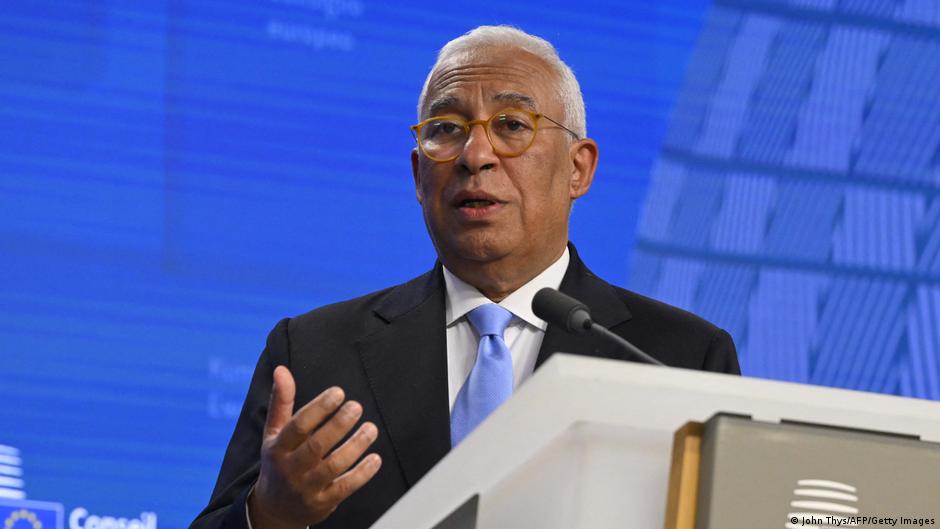
EU leaders prepare for possible negotiations with Russia amid geopolitical tensions affecting fintech, digital banking, and cybersecurity sectors.

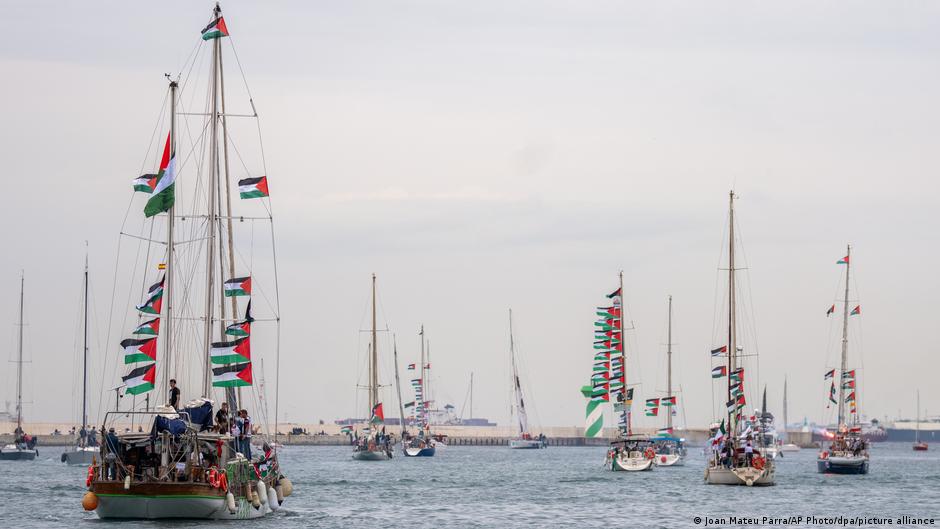
Italy and Germany call for adherence to international law after Israel intercepts a humanitarian flotilla bound for Gaza, highlighting challenges in aid delivery and digital economy impacts.

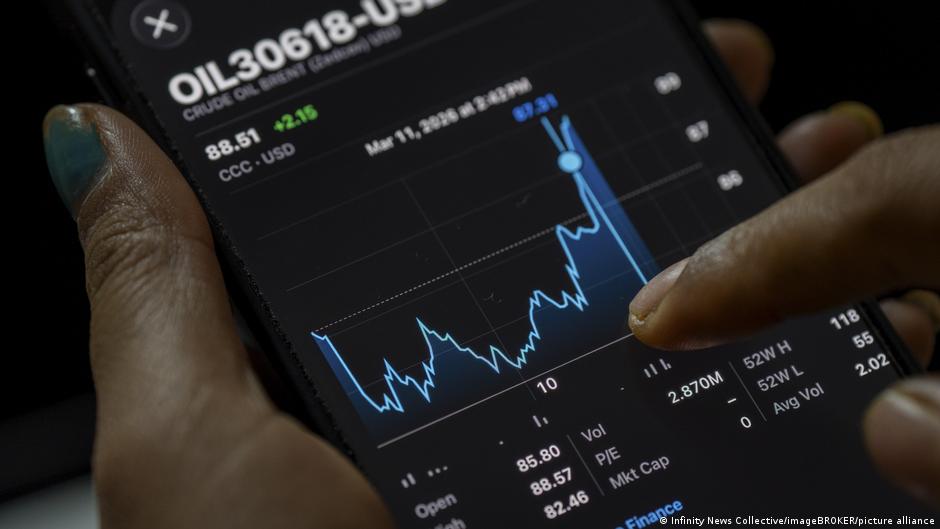
US-Iran tensions cause Brent oil prices to surge over $119, impacting fintech, digital banking, and tech stocks through increased volatility and inflation risks.

Alexander Eichwald was expelled from Germany’s AfD after a speech mimicking Hitler’s style, revealing extremist tensions that may affect Germany’s fintech and digital economy sectors.

Geopolitical tensions in Iran trigger aviation fuel shortages, forcing airlines to cut flights and prompting calls for coordinated EU response amid economic and fintech sector impacts.

Germany authorized millions in arms exports to Israel during its conflict with Iran, raising issues around export restrictions and implications for defense and fintech sectors.