Georgia Opposition Launches New Protest Wave as Political Risks Mount
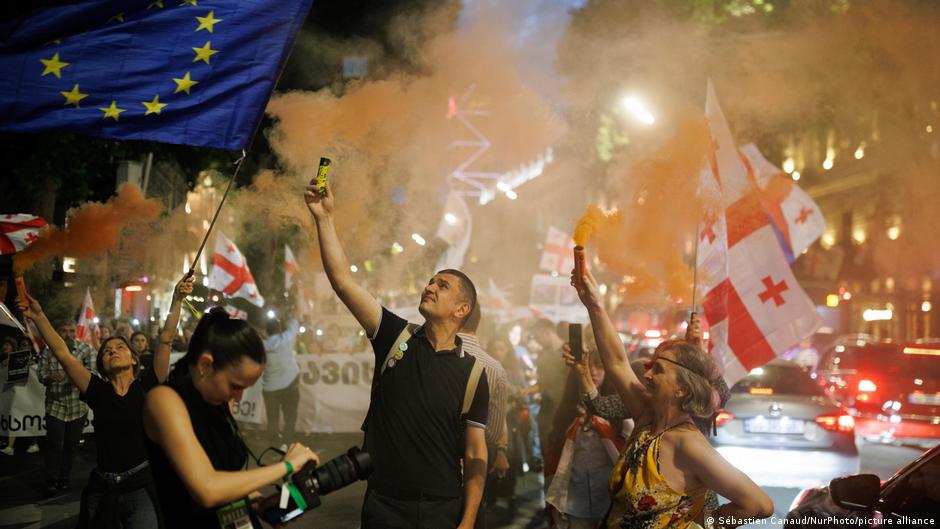
Georgia’s opposition has launched a new protest wave, increasing political uncertainty for the country’s banks, fintech sector and digital economy.

Georgia’s opposition has launched a new protest wave, increasing political uncertainty for the country’s banks, fintech sector and digital economy.

Bulgaria’s presidential race heads to a runoff amid low turnout, Black Sea drone incidents and growing concern over digital infrastructure security.

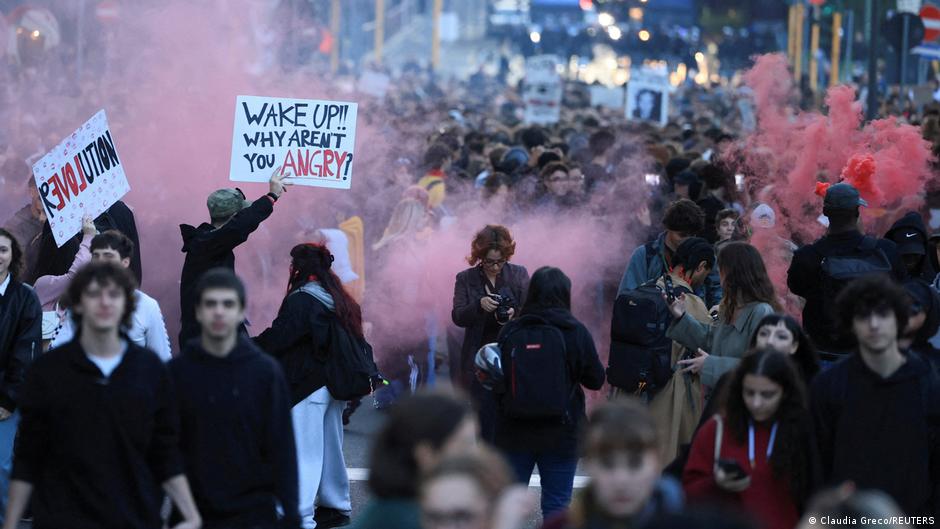
Italy’s cost-of-living protests intensified security around retailers and transport hubs while highlighting digital surveillance and operational risks for fintech firms.

Audi’s planned $4 billion Georgia factory shows how tariffs are shifting industrial capital and creating potential demand for payments, software and cybersecurity services.

Kyiv says Starshield remains speed-limited despite Trump’s claim of restored access, exposing risks around private digital infrastructure and network resilience.

Trump says SpaceX restored Starlink access in Ukraine, highlighting the strategic and financial risks tied to privately controlled digital infrastructure.

Reported Starlink restrictions in Ukraine expose strategic risks around private control of satellite networks used for defense and critical digital infrastructure.

Four Canadian soldiers were killed and dozens injured after strong winds drove a wildfire toward troops exercising at Base Wainwright in Alberta.

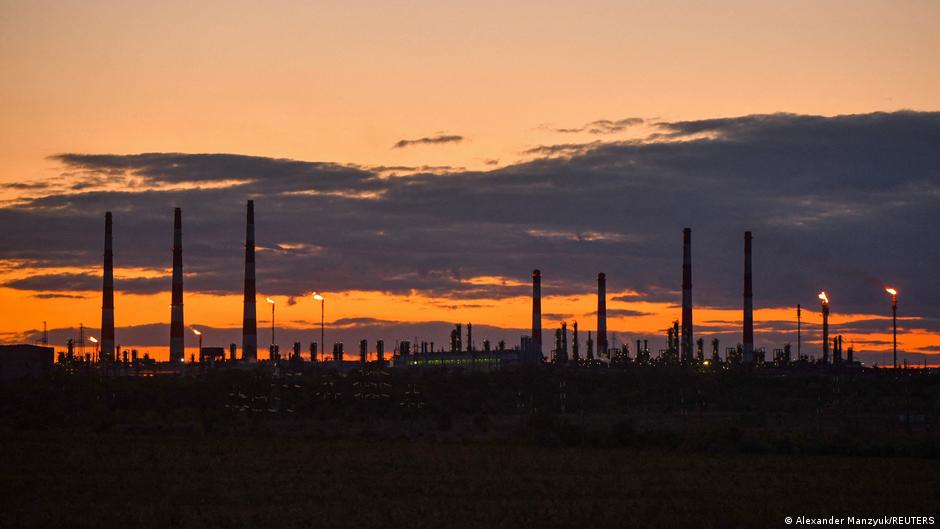
A reported US plan to restore Russian gas flows to Europe could reshape cross-border payments, sanctions compliance and the outlook for digital finance and tech stocks.

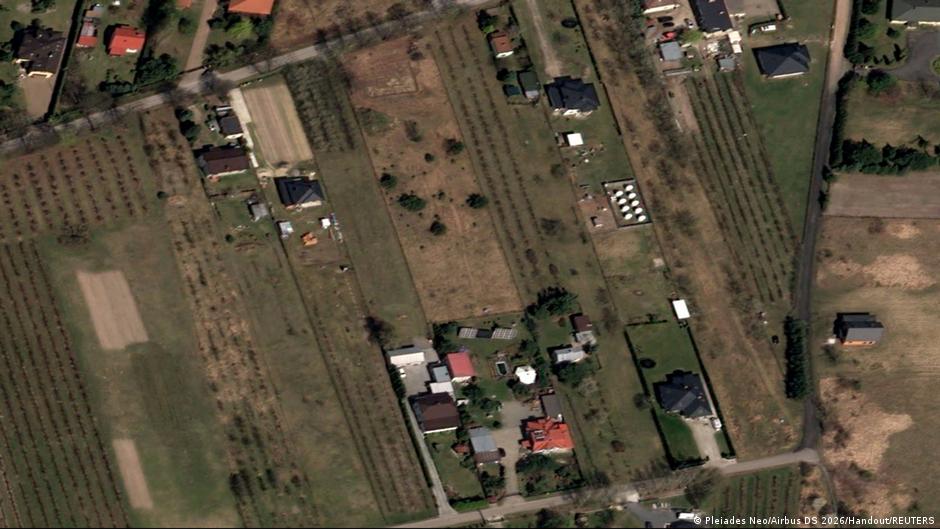
A probe into an arson attack on a Polish Starlink facility is focusing on a Turkish crime group and possible links to Russian intelligence.

Russia designated two StopTime musicians as foreign agents, highlighting regulatory risks for creators relying on social platforms and digital services.

Five drone incursions in one day highlight physical, operational and cybersecurity risks for Moldova’s banks, payment networks and digital economy.

ECB approval allows UniCredit to expand its Commerzbank stake, opening a path to control with implications for payments, digital banking and cybersecurity.

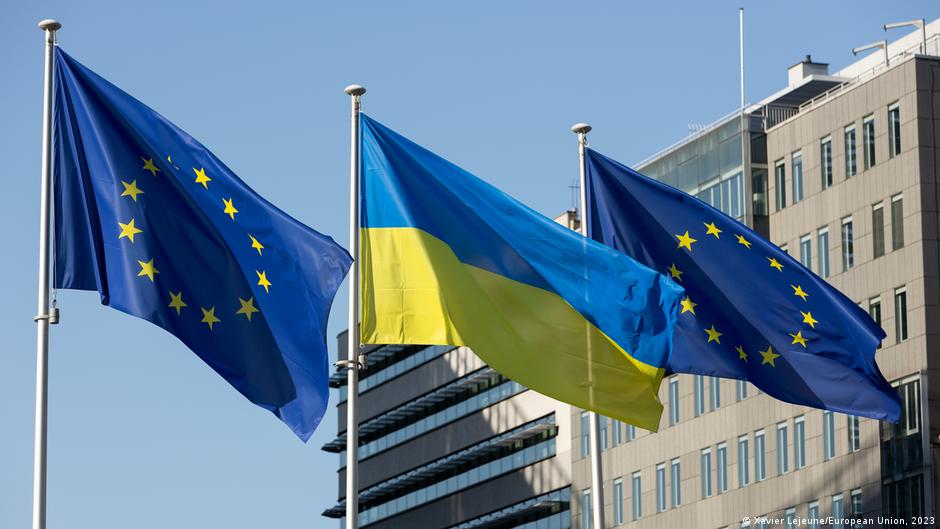
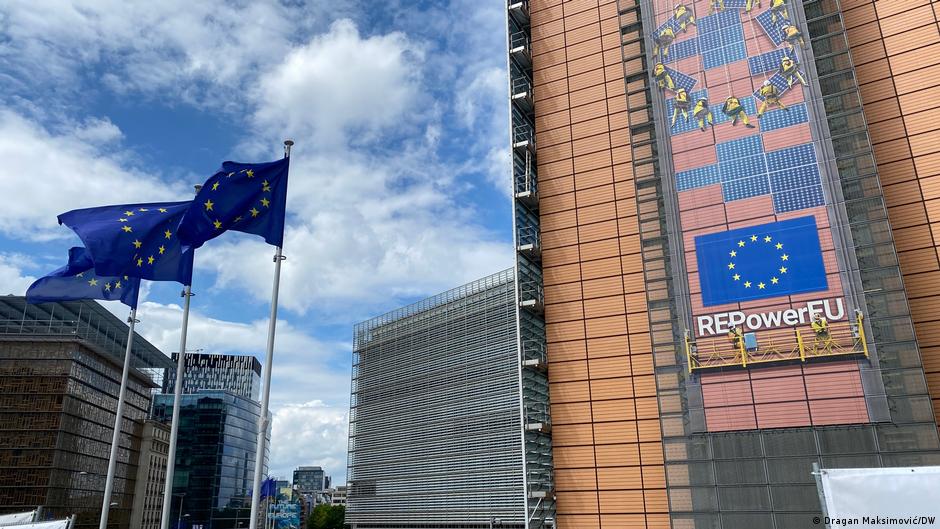
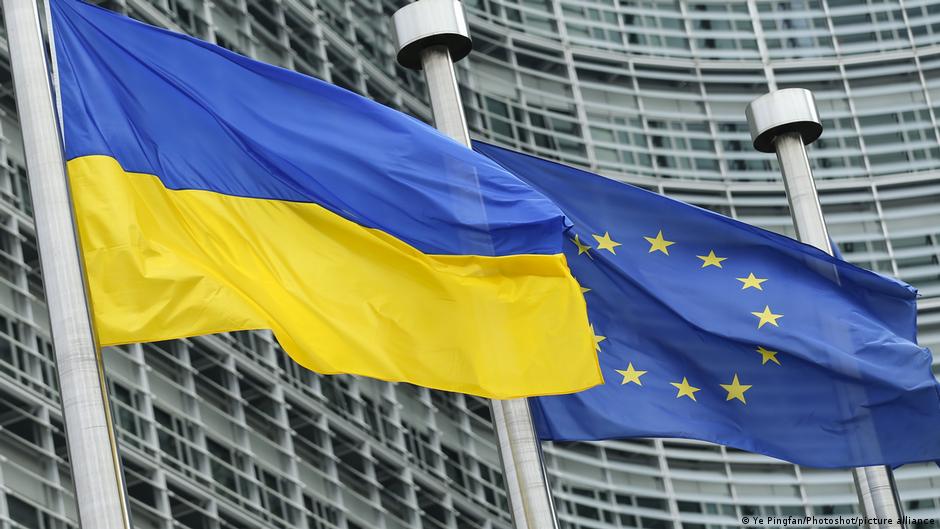
EU states agreed to open internal-market and competitiveness accession clusters for Ukraine and Moldova, advancing reforms tied to digital economy rules.

Germany’s long-term welfare data intensify debate over public spending, labor rules and the digital systems behind benefits and payments.

Ukraine will meet Trump envoys on a new war plan as sanctions, Starlink access and data center strikes put digital infrastructure in focus.

The European Parliament approved a €115 million Agile programme to fund SMEs, startups and scaleups developing disruptive defence technologies.

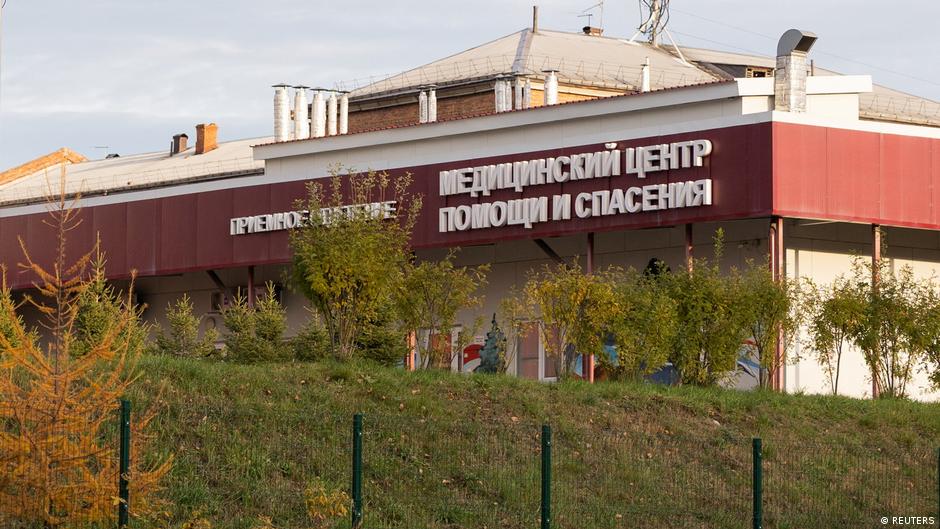
Trump plans a Putin call as the WHO asks Russia for more details on reports from Irkutsk, raising wider risk questions for markets and digital infrastructure.

Trump said the U.S. is monitoring reports from Irkutsk, as quarantine reports and border precautions raise digital-economy risk questions.

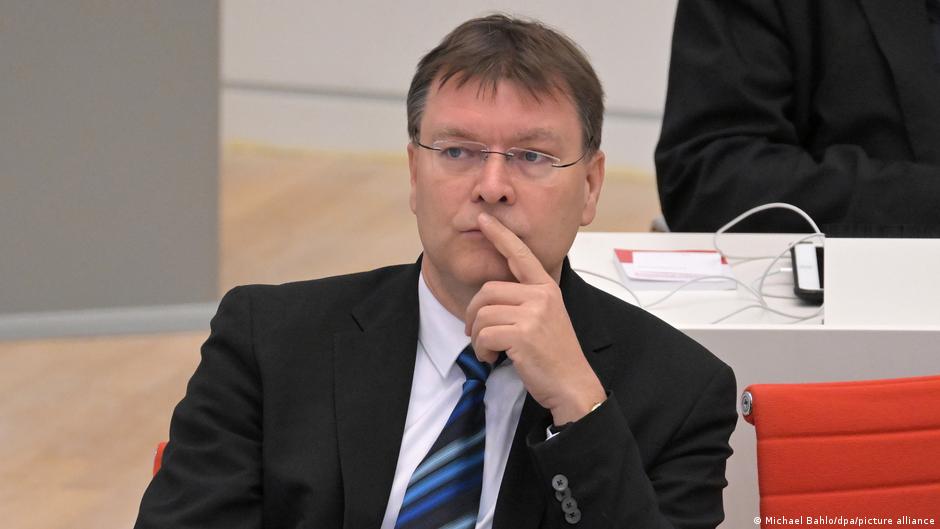
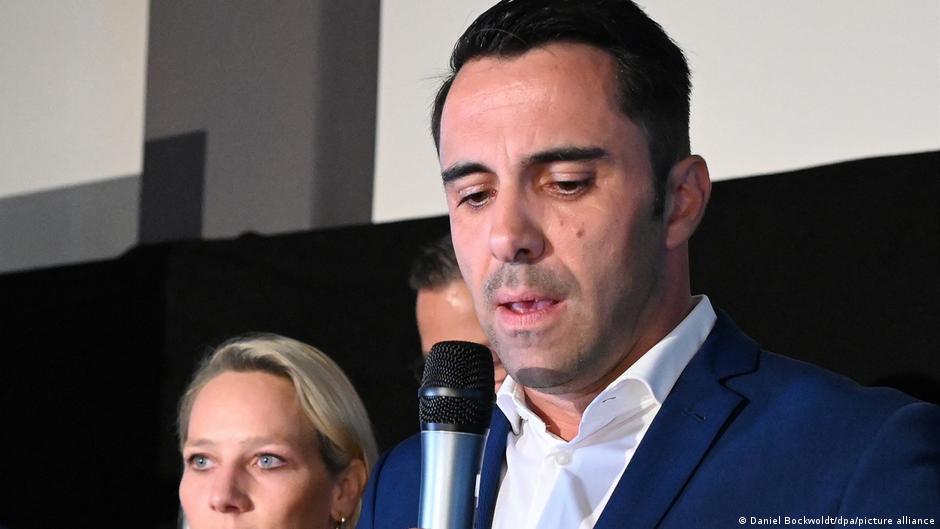
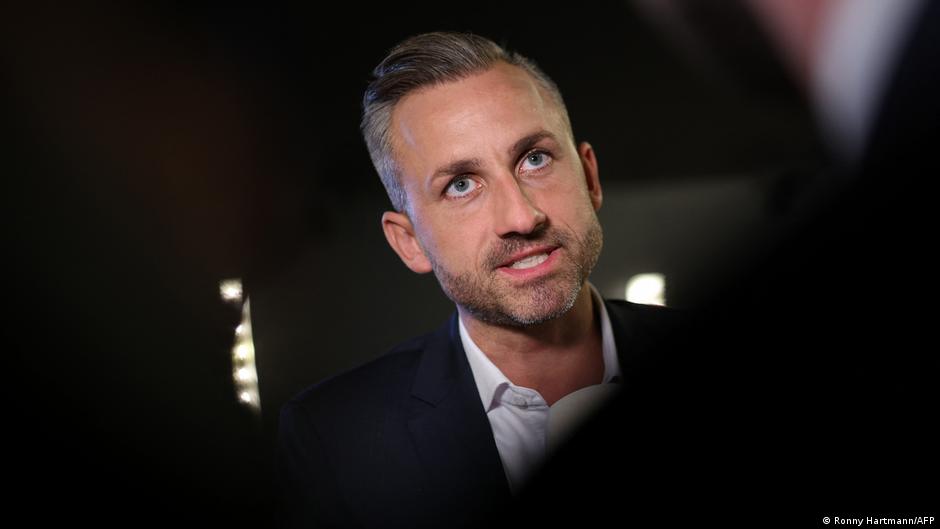
BSW lawmaker Sven Hornauf plans Belarus and Russia trips to revive sister-city ties, raising wider questions for compliance and security.

Western embassies are weighing Kyiv relocation plans as Russian strikes hit energy infrastructure and data centers, raising risks for Ukraine’s digital economy.

Maria Kolesnikova urges the EU to use diplomacy and sanctions to free Belarusian political prisoners and limit Russia’s influence.

The EU rejected Ukraine’s request to fast-track part of a €90 billion loan, keeping pressure on wartime financing and digital finance stability.

Seoul’s warning to Kyiv over North Korean prisoners adds diplomatic risk to future tech, cyber and reconstruction finance cooperation.

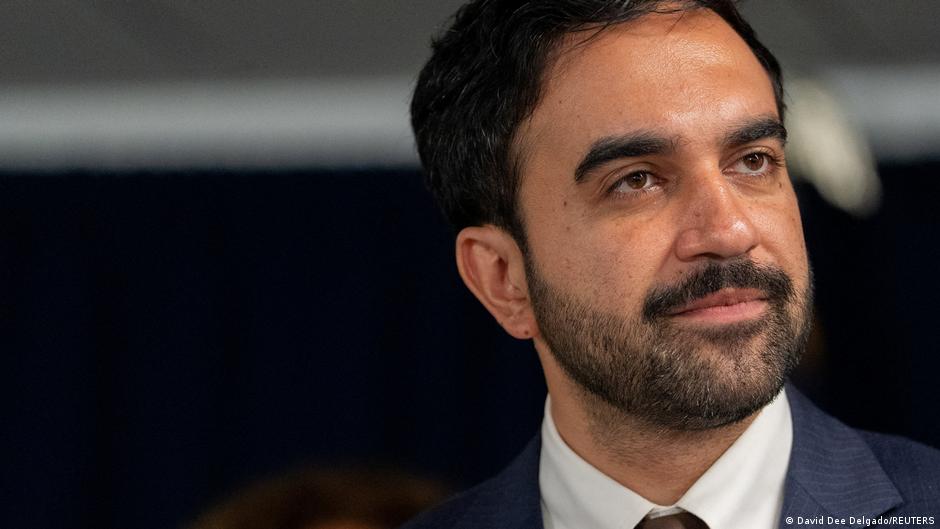
New York Mayor Zohran Mamdani proposed raising hate-crime funding to $29 million, with added synagogue security and Jewish cultural support.

Dutch police detained a 24-year-old Amsterdam man in a ShinyHunters probe, spotlighting cyber risk for fintech, telecom and tech firms.

Russian forces struck Kyiv again overnight after daytime attacks killed two people and injured 26, adding pressure on urban and digital infrastructure.

The EU will add €710 million in humanitarian aid, with major allocations for Africa, Ukraine, Lebanon and Palestinian territories.

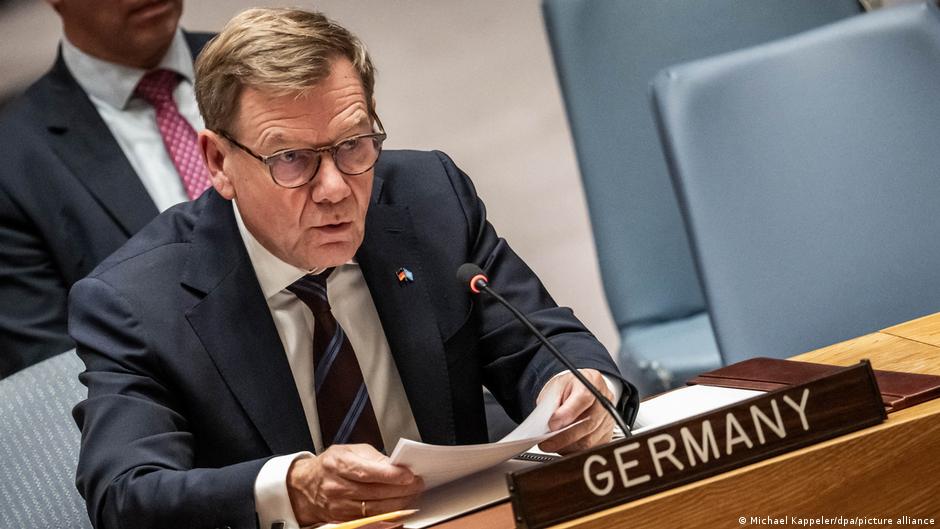
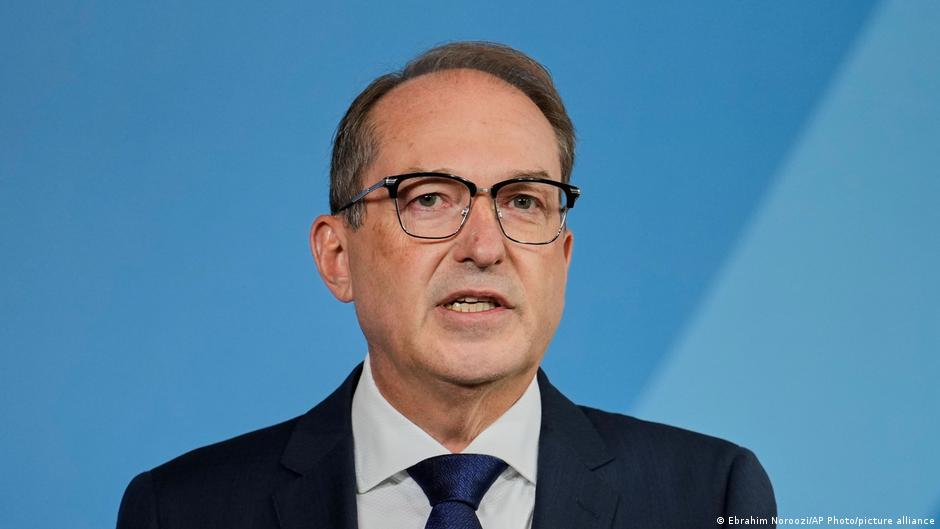
Germany’s Johann Wadephul says Putin’s possible G20 attendance would test Moscow’s readiness for Ukraine talks, with sanctions risks still central.

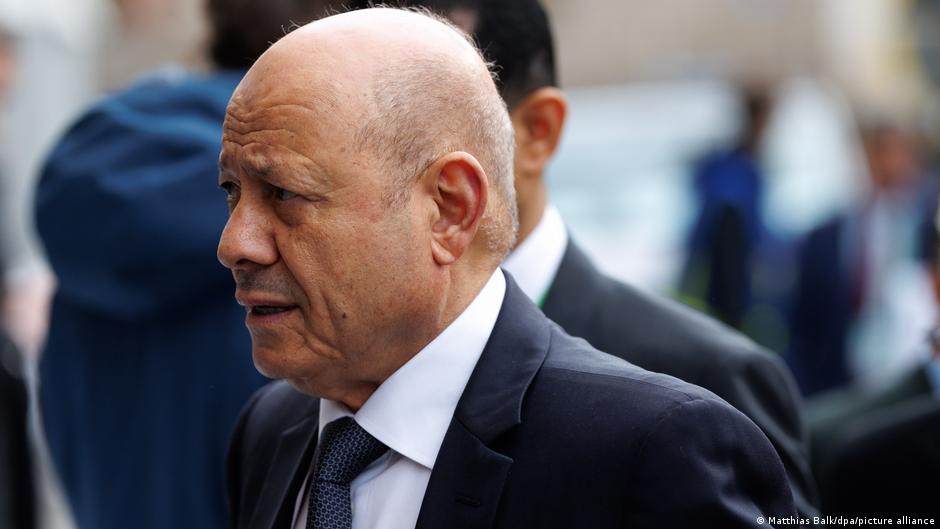
Yemen’s mobilization call adds pressure to Red Sea trade routes, energy costs and market risk as Houthi forces advance near Bab el-Mandeb.

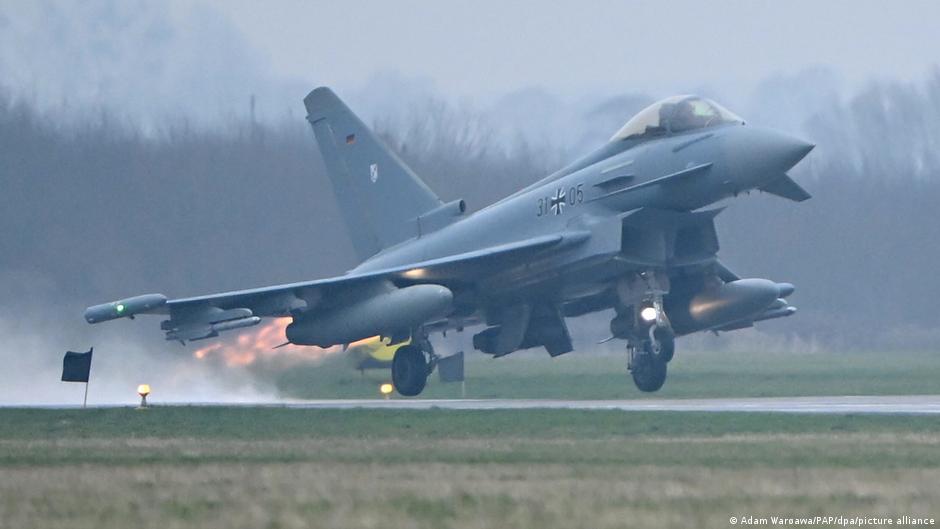
Germany deployed four Eurofighters to Latvia for election-period airspace security, highlighting NATO risks tied to digital and financial resilience.

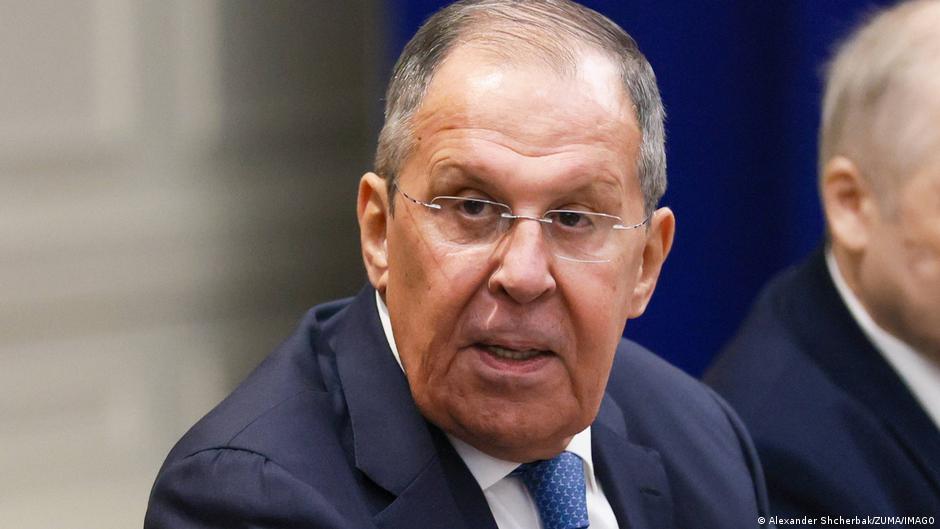
Lavrov rejected any pause for Ukraine talks as Rubio urged ceasefire diplomacy, keeping geopolitical risk in focus for fintech and digital markets.

German investigators are probing whether a drone near the Wunstorf air base carried explosives, raising infrastructure security concerns.

The CDU’s historic defeat in Mecklenburg-Vorpommern adds political risk for fintech, digital banking and tech investors watching Germany.

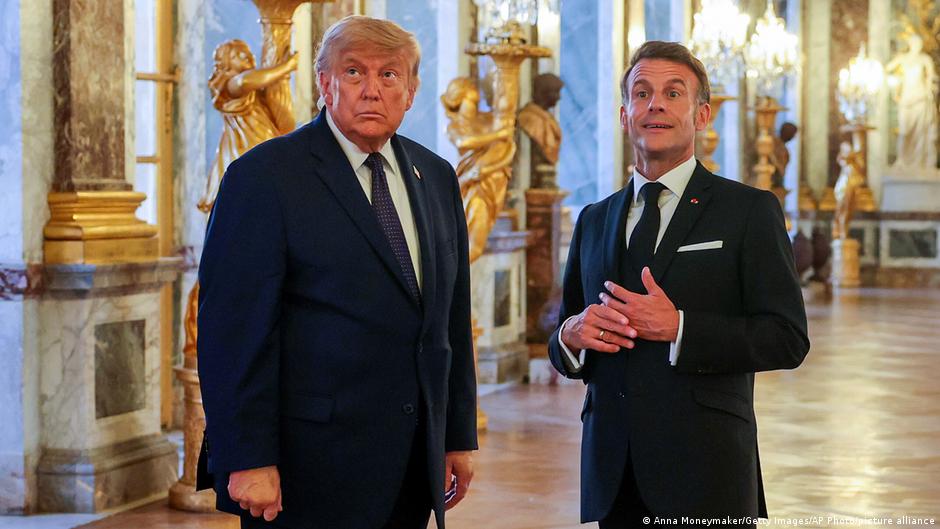
Macron says France and the U.S. will push for a moratorium on strikes against Ukraine’s energy and civilian infrastructure.
The discovery of 572 sets of remains at Chemmani has renewed scrutiny of Sri Lanka’s wartime disappearances and accountability mechanisms.

The Left Party’s Berlin win could reshape the city’s housing, governance and investment climate for fintech and digital economy firms.

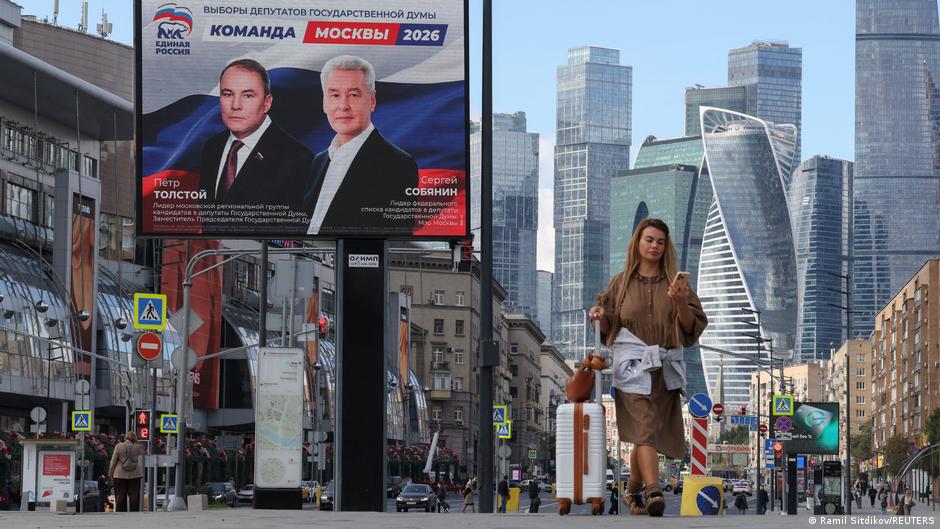
United Russia’s early Duma lead signals policy continuity for Russia’s payments, digital banking, crypto and cybersecurity sectors.

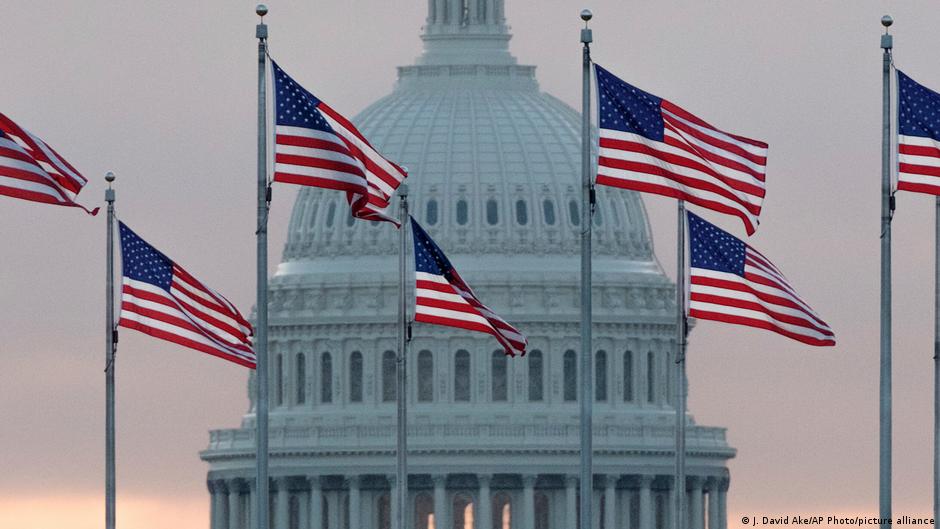
The House advanced a Graham-linked sanctions bill that could reshape energy trade, payment compliance, crypto monitoring and fintech risk.

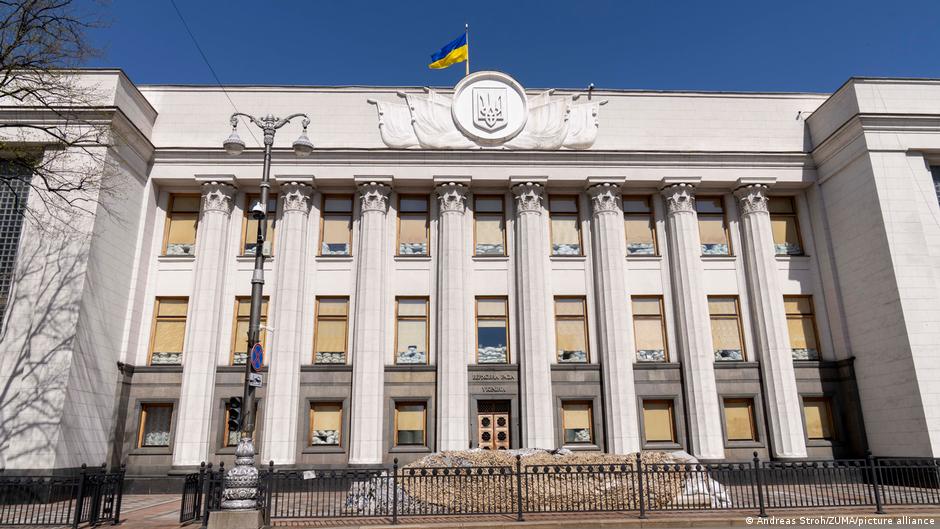
Ukraine’s parliament will review seven difficult bills linked to Western aid as Kyiv seeks to close a wartime budget gap.

China urged the U.S. to stop preparing for war in space after Washington confirmed orbital weapons, raising risks for digital infrastructure.

Russia is expected at the G20 energy meeting in Houston as energy security risks ripple through payments, banking, crypto and tech markets.

Lukashenko says Belarus will inspect all armed forces up to mobilization readiness, adding risk for payments, crypto and regional tech exposure.

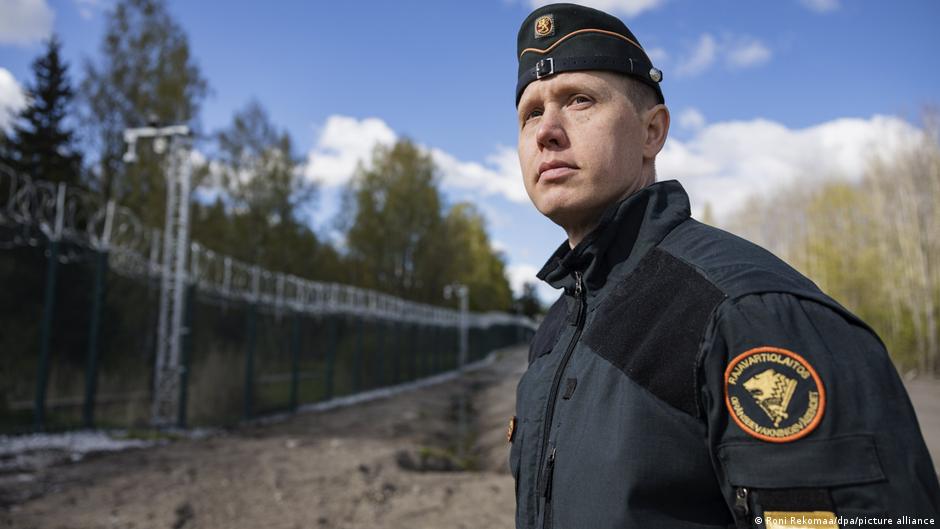
Finland completed a 200-kilometer Russia border fence, adding technical surveillance as Europe links physical security with digital risk.

AfD won 43.8% in Saxony-Anhalt, but coalition uncertainty raises policy risk around energy, sanctions and the digital economy.

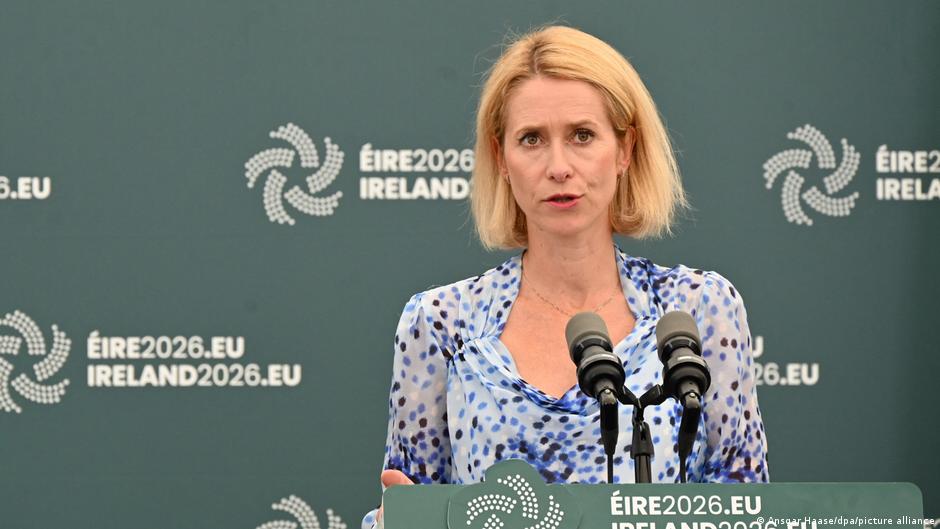
Kaja Kallas cancelled a planned EU defence expert group after German and Italian objections, delaying a forum tied to Europe’s security tech agenda.

Putin backed using medically unfit volunteers for rear drone defense, signaling new pressure on Russia’s manpower, infrastructure and tech sectors.

Germany plans drone defenses and a Cyberdome after the Leipzig incident, raising stakes for payments, fintech, logistics and digital infrastructure.

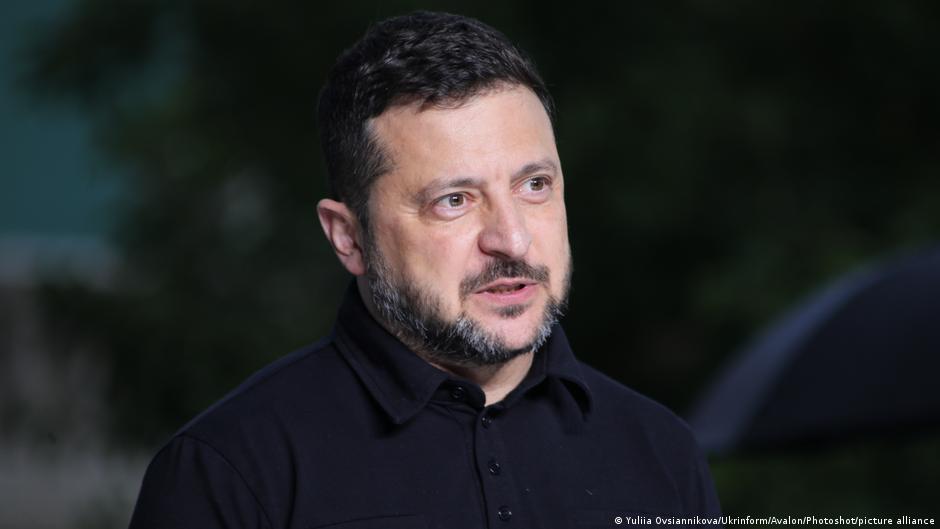
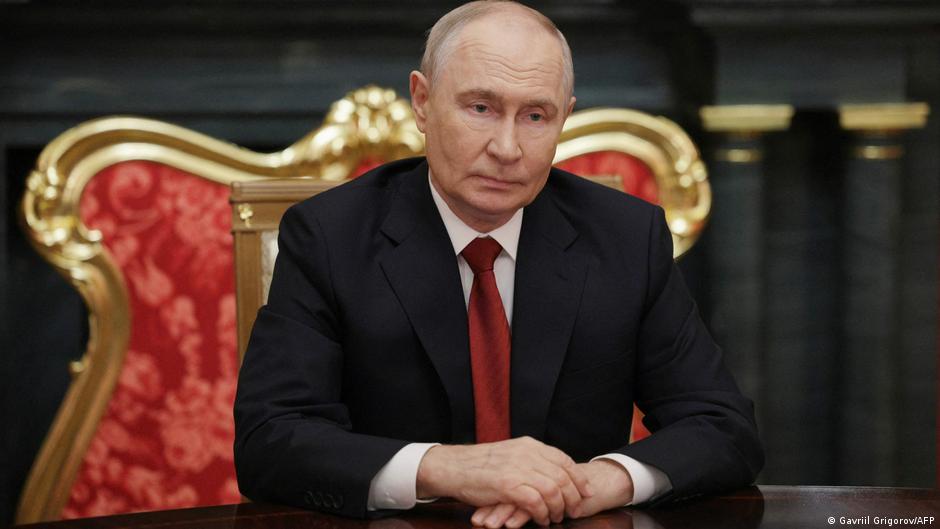
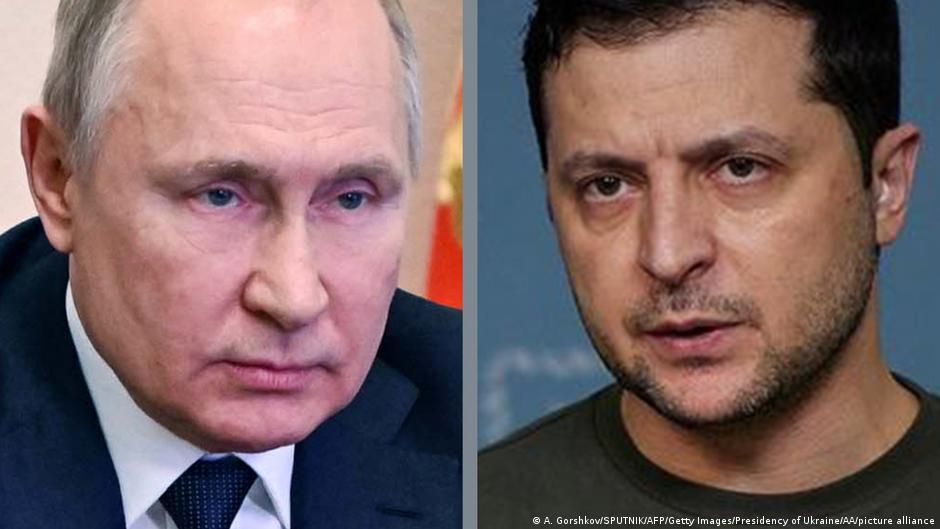
Putin said peace through diplomacy is possible, while Zelensky said U.S. envoys will visit Kyiv and Moscow to discuss a possible agreement.

Putin told Pashinyan that Armenia’s move toward EU membership would amount to leaving the EEU, escalating a dispute with implications for trade and finance.