CDU Rout in Mecklenburg-Vorpommern Adds Policy Risk for German Markets
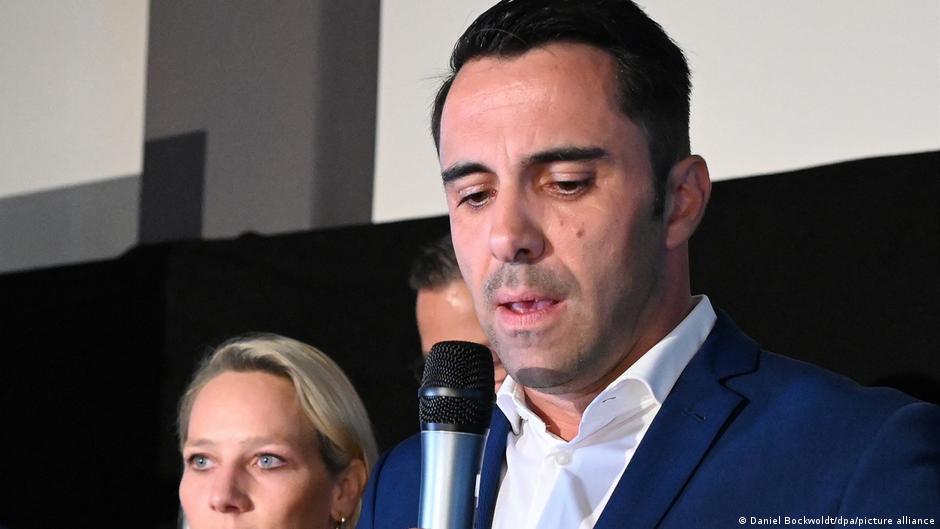
The CDU’s historic defeat in Mecklenburg-Vorpommern adds political risk for fintech, digital banking and tech investors watching Germany.

The CDU’s historic defeat in Mecklenburg-Vorpommern adds political risk for fintech, digital banking and tech investors watching Germany.

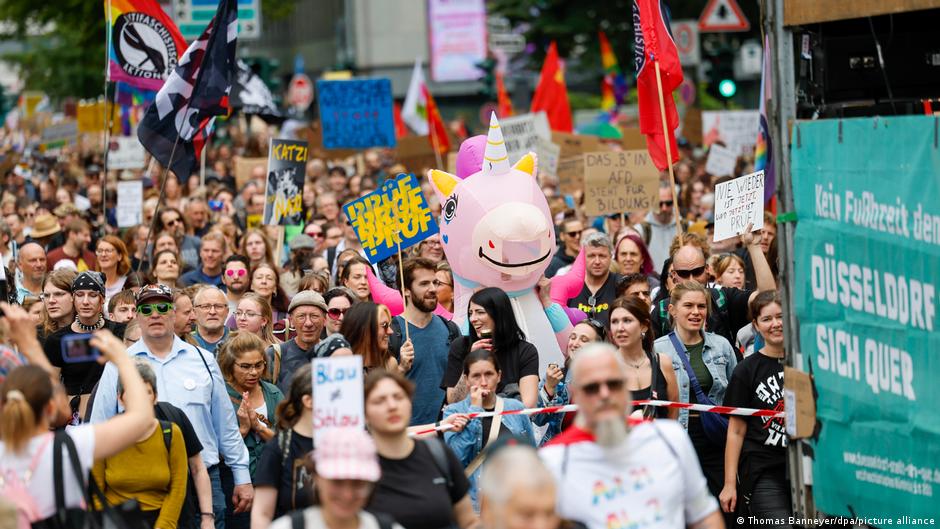
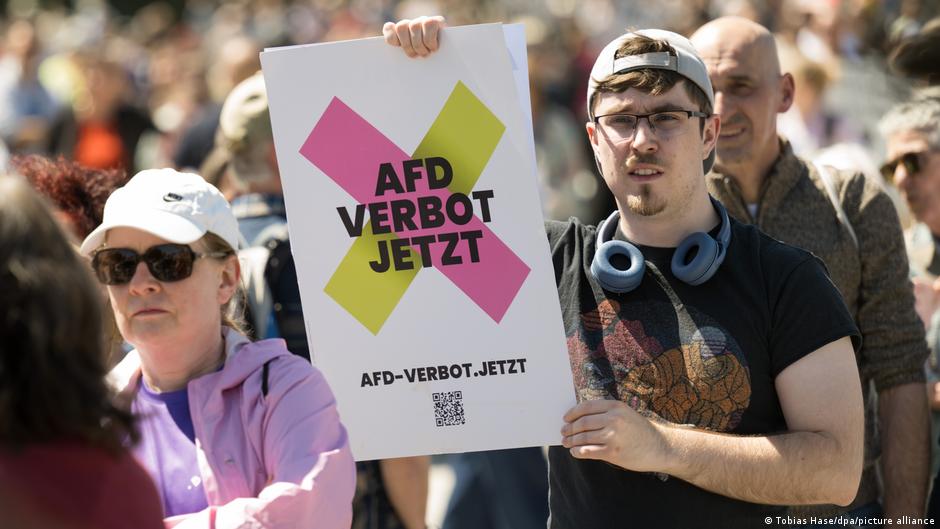
Mass protests against right-wing extremism in Germany underline political risk questions for fintech, digital banking and tech investors.

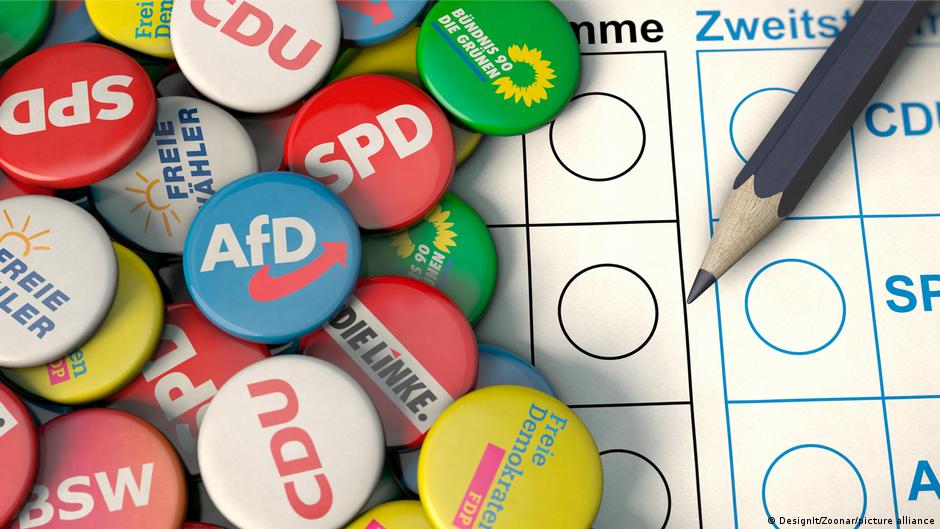
AfD won 43.8% in Saxony-Anhalt, but coalition uncertainty raises policy risk around energy, sanctions and the digital economy.

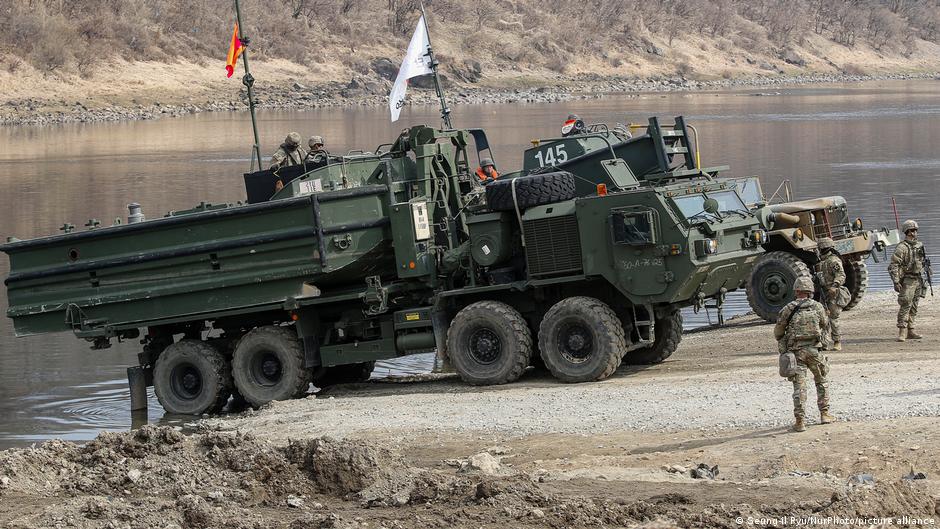
The US will reduce joint military exercises with South Korea, citing costs and diplomacy with North Korea, impacting regional stability vital to fintech and cybersecurity sectors.

Qatar denies holding Iranian pilots after airspace violation amid Middle East conflict, emphasizing adherence to international law and ongoing diplomatic efforts.

Support for Germany's CDU/CSU drops to 20% with far-right AfD leading polls; upcoming regional elections may reshape political and fintech sector landscapes.

Venezuela freed 131 political prisoners and agreed on judicial reforms after reconciliation talks, potentially impacting the country's fintech and digital economy sectors.

Germany responds to rising hybrid warfare threats by establishing a UAV research center and enhancing airport drone defenses following explosive drone incidents.

Venezuela's government and opposition will hold talks to discuss earthquake relief and election reforms, impacting the country's fintech and digital economy sectors.

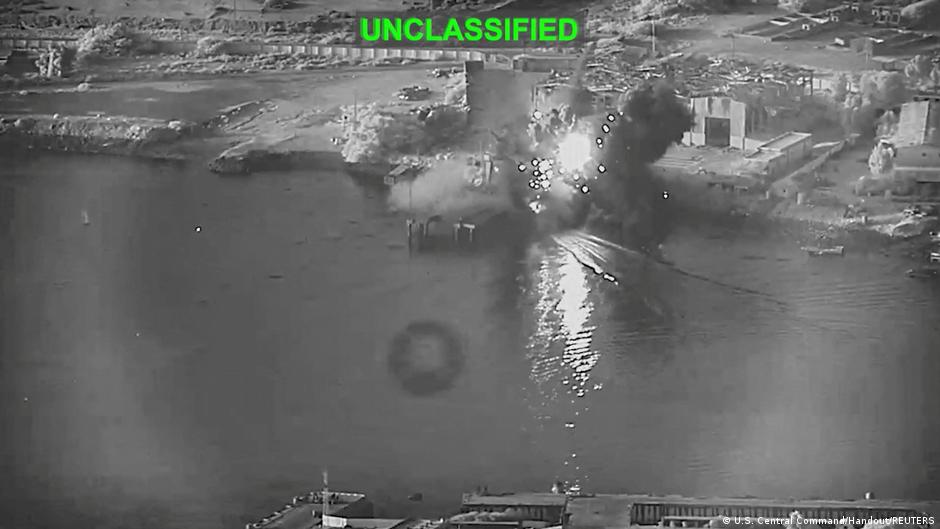
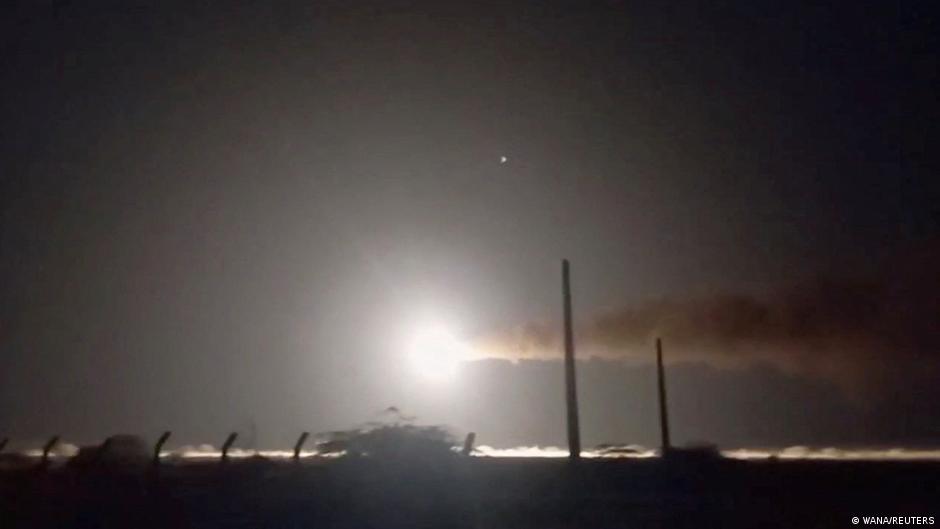
US strikes on Iran continue for the ninth night, disrupting Gulf trade routes and impacting energy supply chains, with significant implications for fintech and cybersecurity sectors.

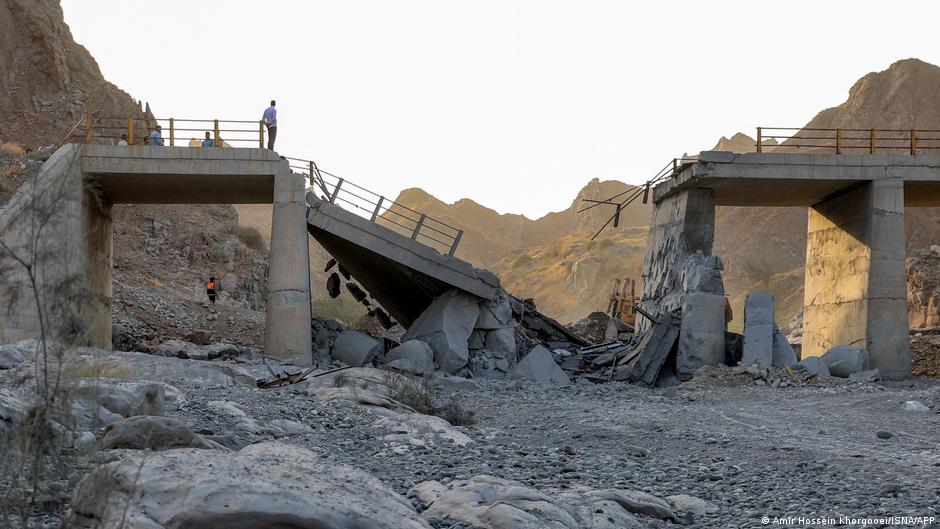
The US military intensified strikes on Iranian infrastructure, targeting bridges, airports, and energy sites, escalating regional tensions with implications for fintech and digital economy stability.

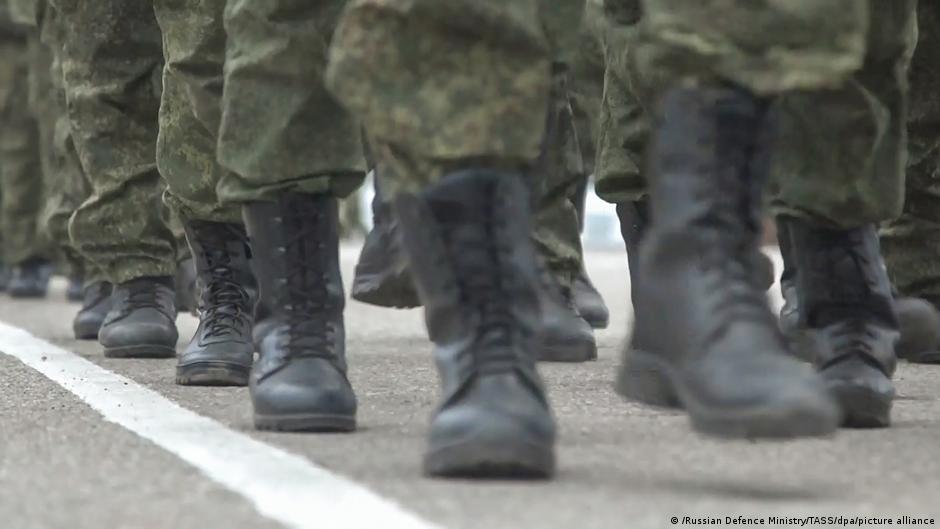
CIA Director John Ratcliffe highlights how AI-powered drones drastically cut Russian soldier survival times in Ukraine, reshaping warfare and defense tech investment landscapes.

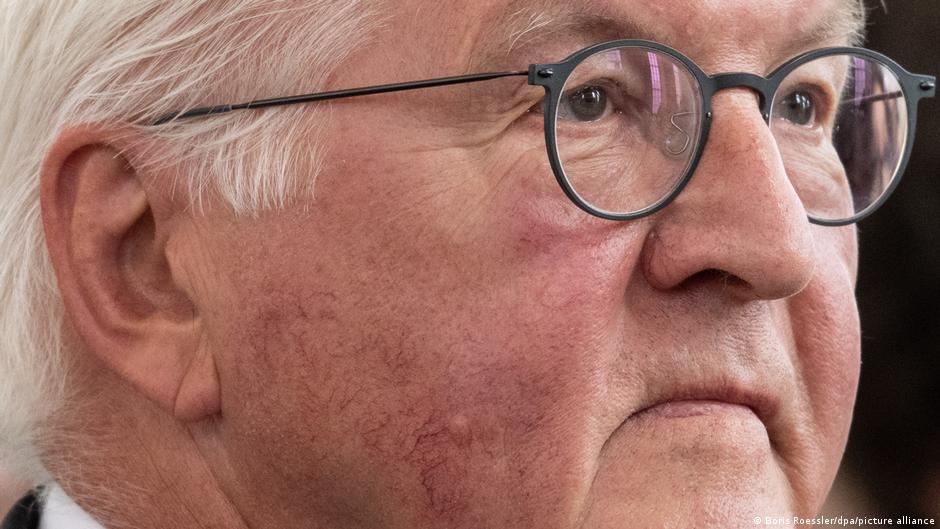
German President Steinmeier urges Europe to uphold international order amidst geopolitical challenges, emphasizing the impact on digital economy, fintech, and cybersecurity.

A poll finds 45% of Germans oppose banning the far-right AfD, which leads the CDU/CSU by 8%, signaling political shifts that could impact fintech and digital economy sectors.

Poland deported 11 individuals linked to Russia-funded protests aimed at influencing Ukrainian refugee communities, highlighting risks in digital payment systems used in geopolitical campaigns.

US envoy Stephen Whitlock arrives in Switzerland to resume Iran nuclear deal talks amid regional conflicts affecting financial and digital economy prospects.

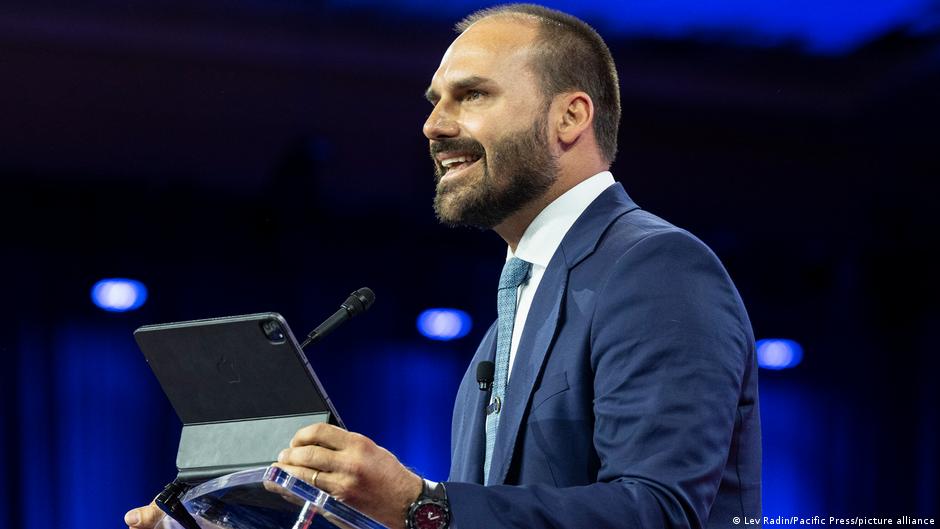
Eduardo Bolsonaro was sentenced to over four years for lobbying US sanctions against Brazil, highlighting political risks that could affect Brazil's fintech and digital economy sectors.

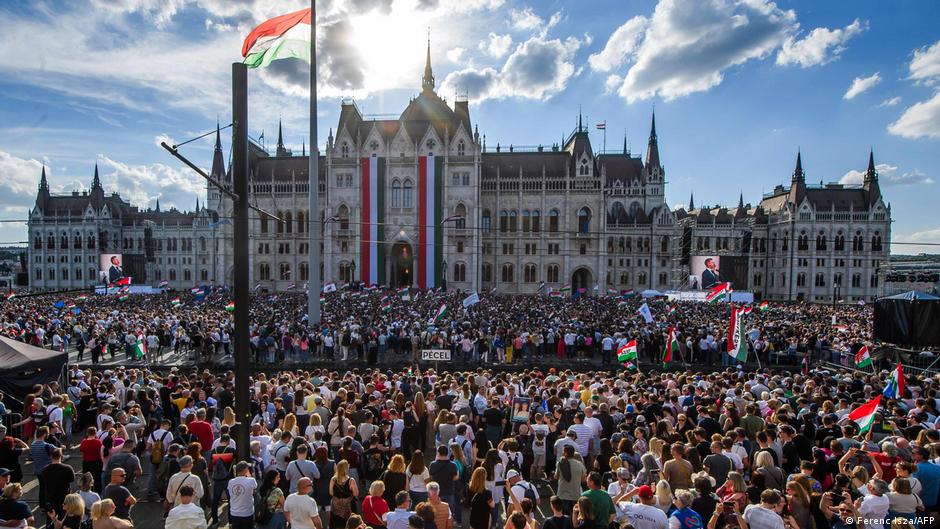
Hungary limits prime minister terms to two four-year periods, preventing Viktor Orbán’s return and impacting political dynamics in fintech and digital economy sectors.

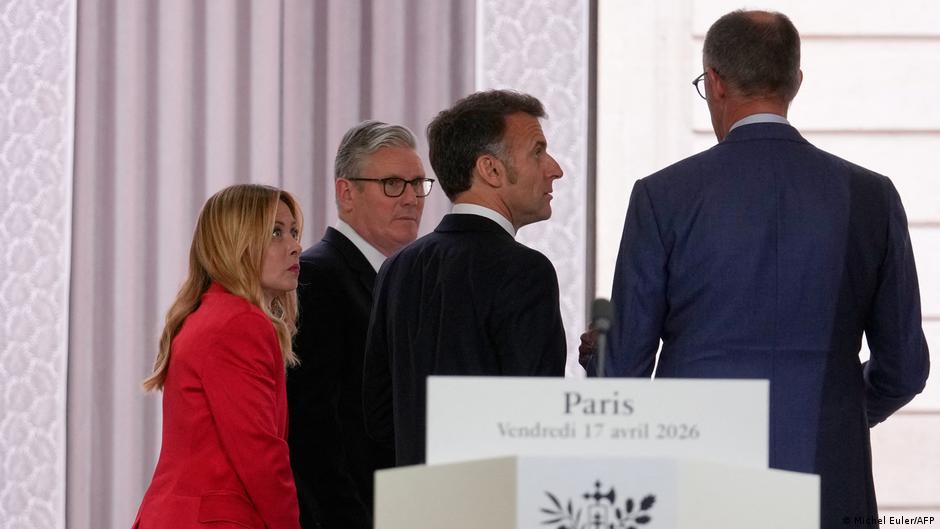
France, Germany, UK, and Italy endorse the US-Iran peace deal, stressing rapid implementation, nuclear non-proliferation, and restoring fuel supply through the Strait of Hormuz.

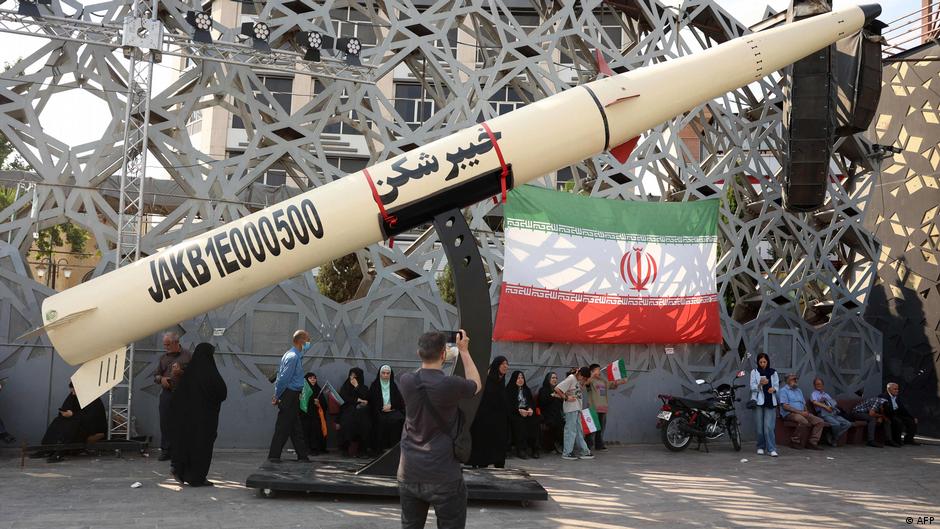
Iran has replenished its missile arsenal to three-quarters of pre-conflict levels, likely aided by Russian weapons transfers during a truce with the US, impacting regional security and energy markets.

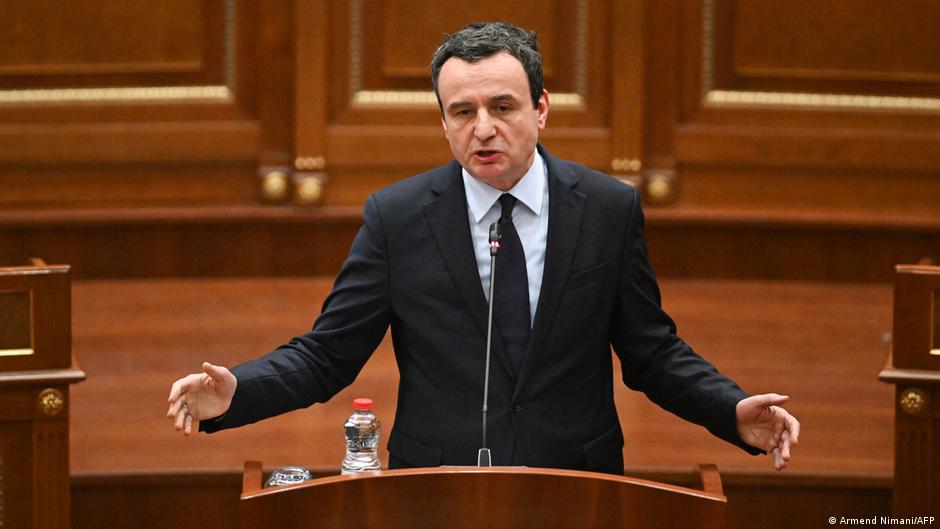
Kosovo’s Vetëvendosje party wins snap elections with 43%, but must form a coalition amid political instability affecting digital economy reforms and fintech development.

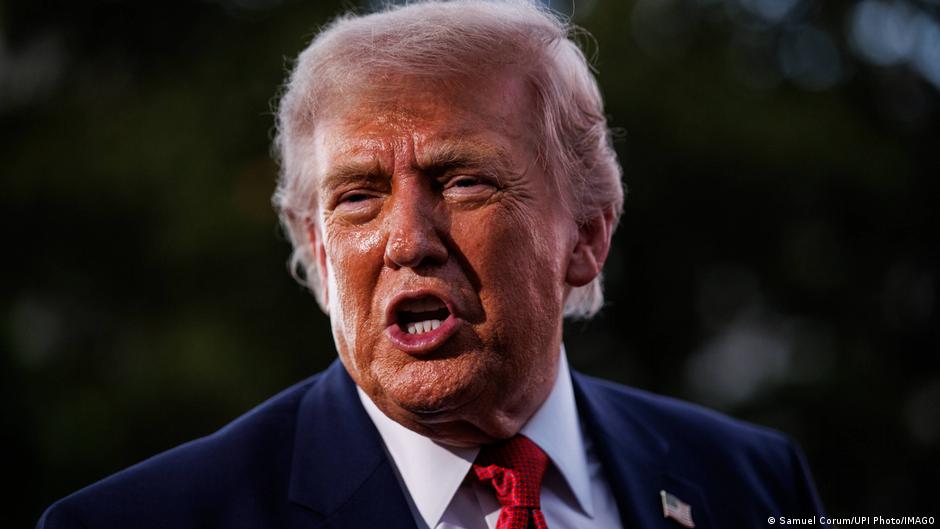
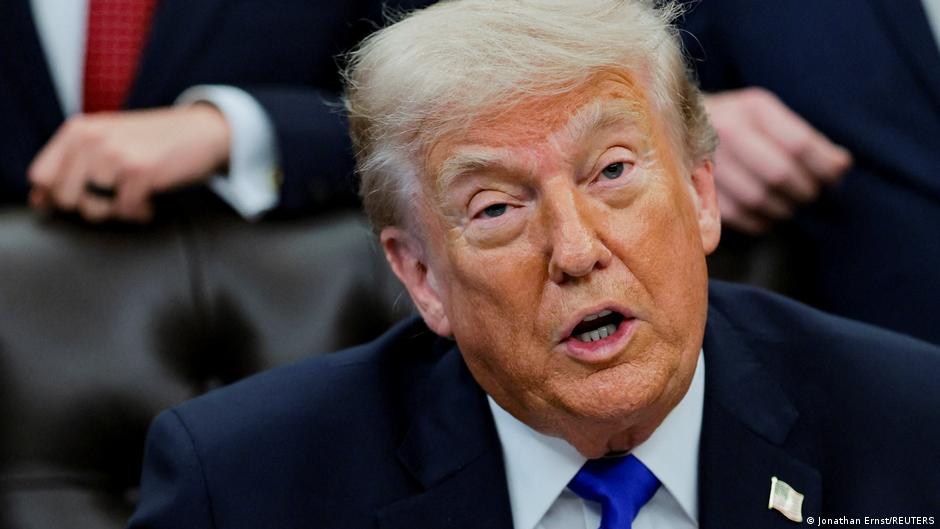
President Trump demands strict adherence to US 'red lines' in Iran nuclear talks, influencing fintech markets, cybersecurity, and global digital banking scenarios.

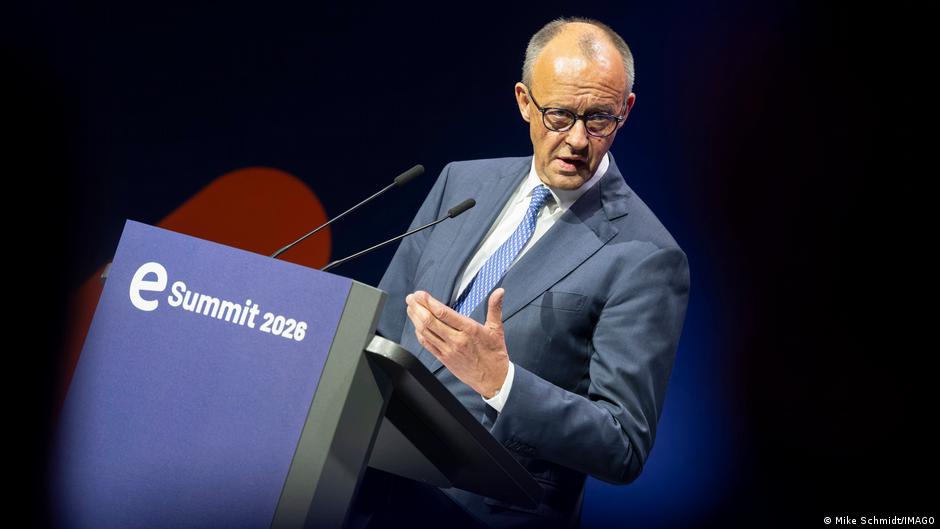
Sources close to Chancellor Friedrich Merz deny rumors of his early replacement, stressing constitutional complexities amid political challenges affecting Germany's digital economy.

Violent clashes erupted in Belgrade during student protests against the Serbian government, raising concerns over political stability and its impact on the digital economy and fintech sector.

President Trump announces deployment of 5,000 additional US troops to Poland, reversing earlier plans and reflecting shifts in US military posture in Europe.

US charges former Cuban leader Raul Castro over 1996 killing of US citizen pilots amid rising geopolitical tensions that may impact digital finance and cross-border payments.

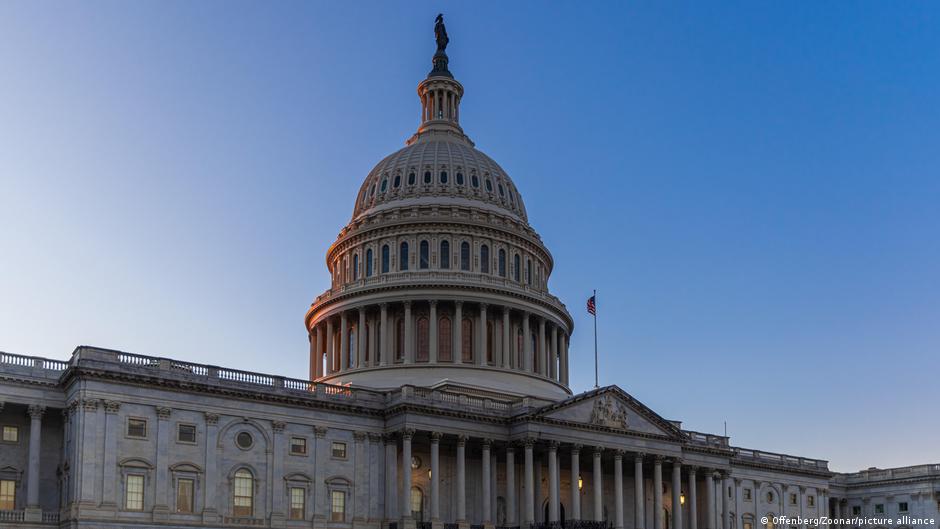
The US Senate advanced a resolution requiring President Trump to seek Congressional approval for military action against Iran, impacting geopolitical stability and fintech sectors.

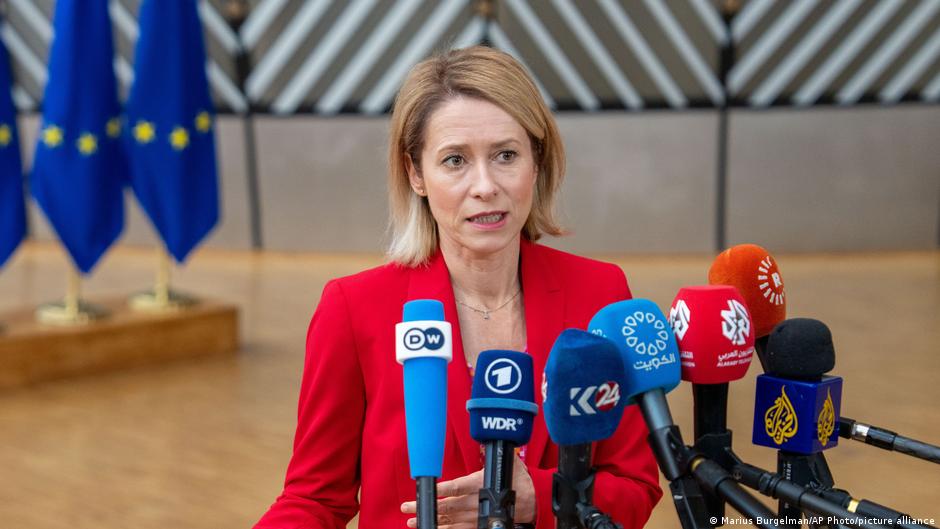
EU's top diplomat Kaja Kallas warns Russia, China, and the US employ divide-and-rule tactics to weaken EU unity, posing risks to fintech, digital banking, and cybersecurity integration.

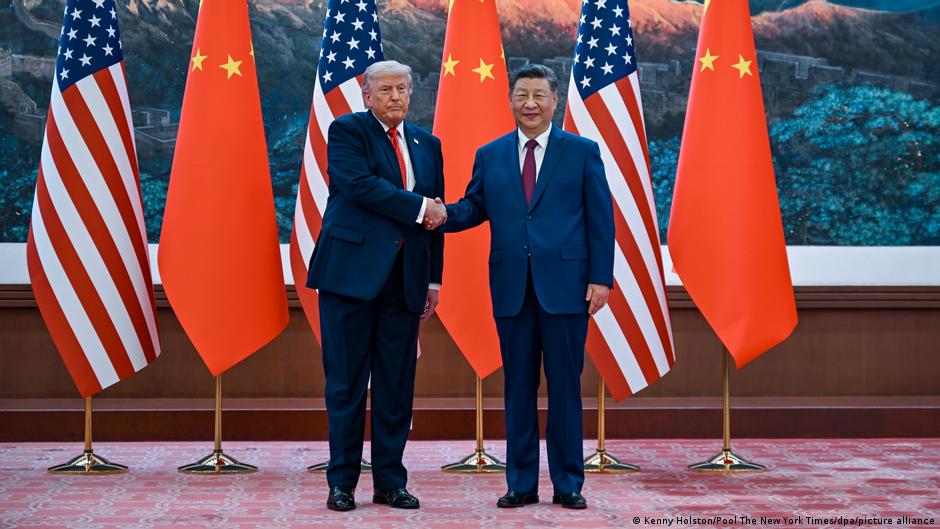
Trump's Beijing visit with Xi Jinping focuses on trade, energy security, and tech cooperation, influencing global fintech and digital economy sectors.

U.S. intelligence reveals Iran retains about 70% of its missile arsenal and launchers despite strikes, raising concerns over regional security and military supply constraints.

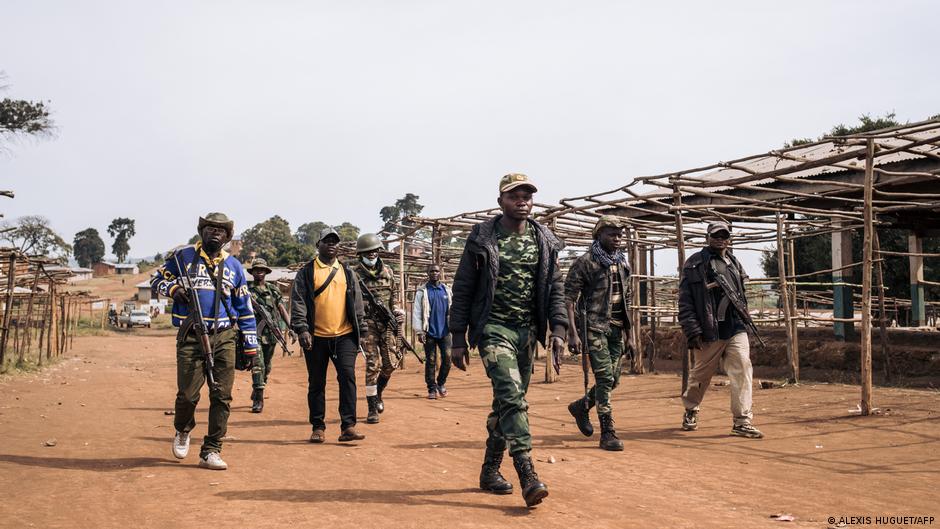
Recent rebel attacks in DR Congo’s Ituri province have caused significant casualties and highlight challenges to fintech growth and digital infrastructure development in the region.

US-Iran talks near a breakthrough could ease sanctions and open new opportunities in digital payments, fintech, and cybersecurity sectors.

The US-mediated truce extension between Israel and Lebanon offers potential stability to enhance fintech and digital economy growth in the region.

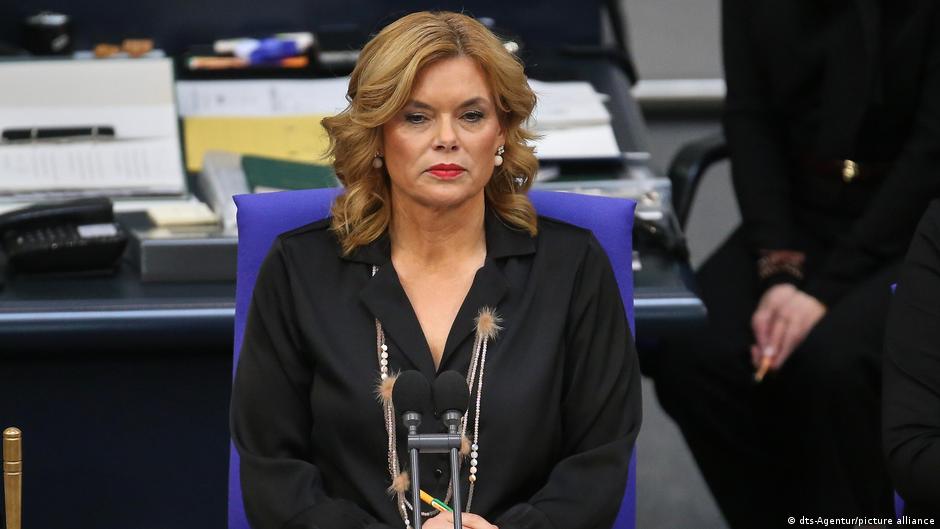
A phishing attack compromised the Signal account of German Bundestag chair Julia Klöckner, affecting CDU leadership communications and exposing cybersecurity vulnerabilities in political digital messaging.

Italian PM Giorgia Meloni condemns Russian TV host Solovyov's insults amid diplomatic backlash, emphasizing Italy's independent foreign policy and political unity.

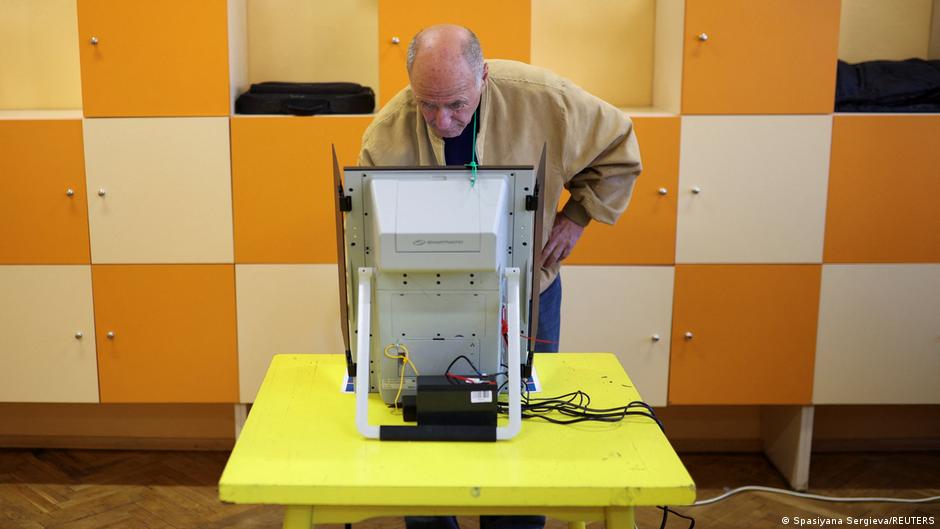
Bulgaria’s Progressive Bulgaria coalition, led by ex-president Rumen Radev, leads elections with over 40% amid anti-corruption and judicial reform demands, impacting the digital economy landscape.