Russian Official to Attend G20 Energy Meeting as Markets Track Security Risks
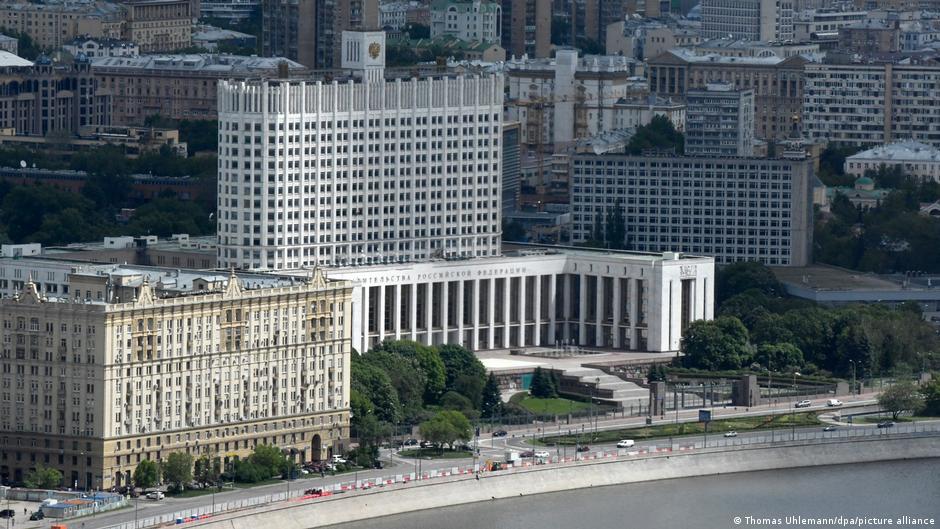
Russia is expected at the G20 energy meeting in Houston as energy security risks ripple through payments, banking, crypto and tech markets.

Russia is expected at the G20 energy meeting in Houston as energy security risks ripple through payments, banking, crypto and tech markets.

Georgia detained former defense minister Giorgi Baramidze in a treason case that adds political risk for fintech and digital-economy investors.

Lukashenko says Belarus will inspect all armed forces up to mobilization readiness, adding risk for payments, crypto and regional tech exposure.

Houthi control near Bab el-Mandeb could disrupt oil flows and ripple through payments, crypto, digital banking and tech stocks.

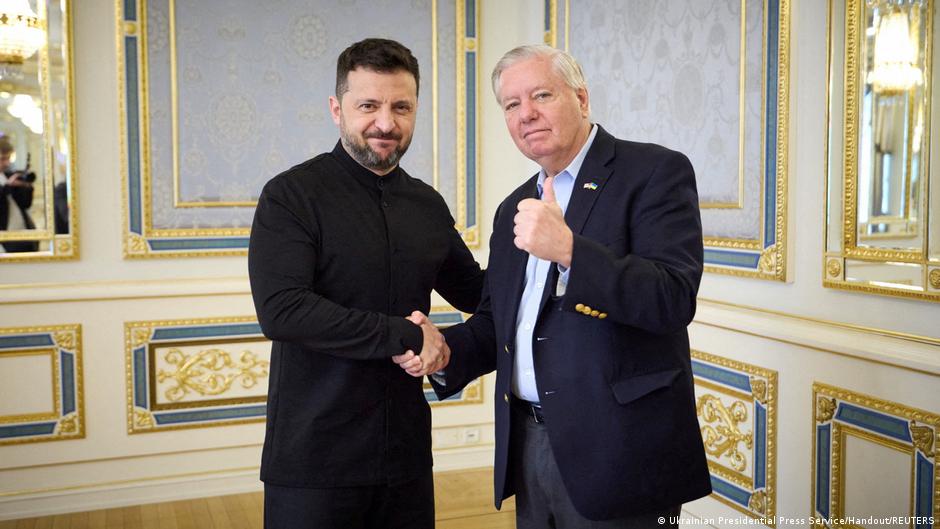
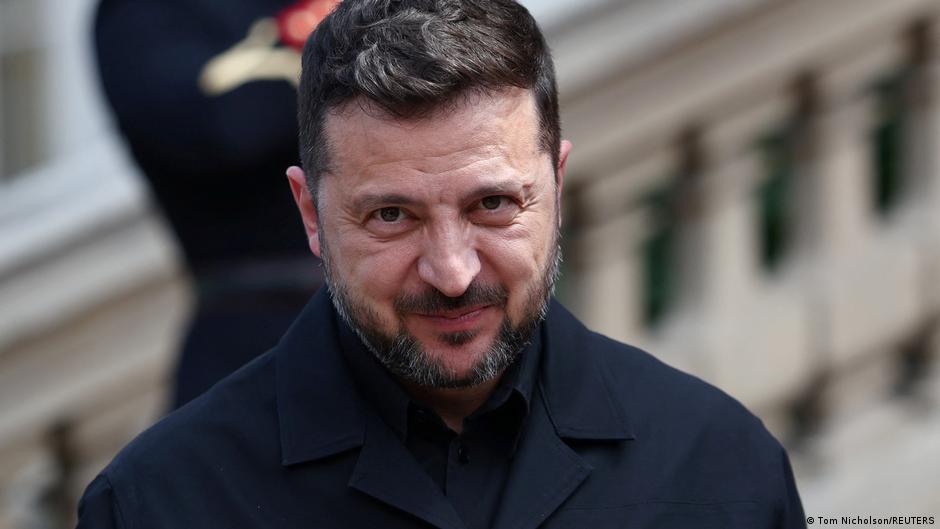
Zelensky says he expects a US delegation meeting by late September focused on energy and food security amid attacks on infrastructure.

France warned CNews it could face criminal proceedings if expelled former RT France chief Ksenia Fedorova appears by video link.

A first reported drone attack on Russia’s Yamal gas region highlights new infrastructure risks for energy finance, payments and tech markets.

A reported drone threat that delayed Zelenskyy’s flight from Moldova adds to geopolitical risks facing payments, crypto and tech firms.

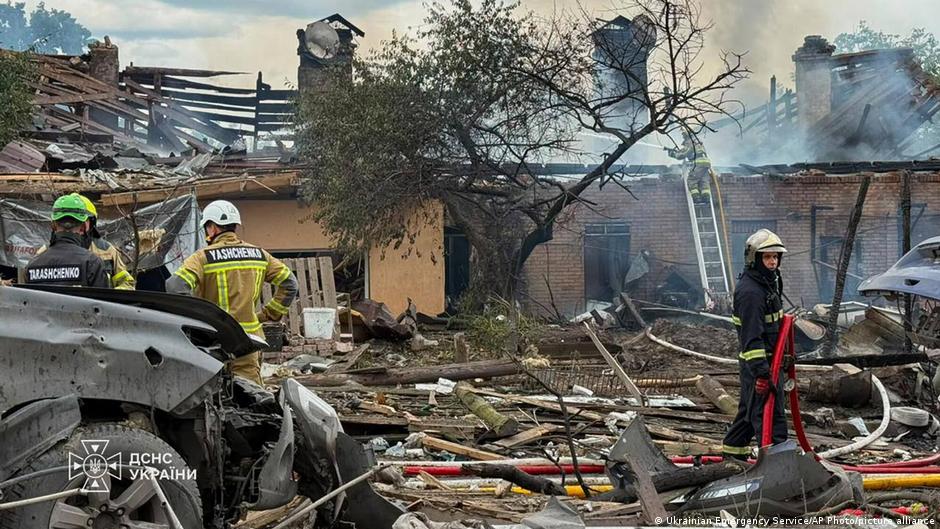
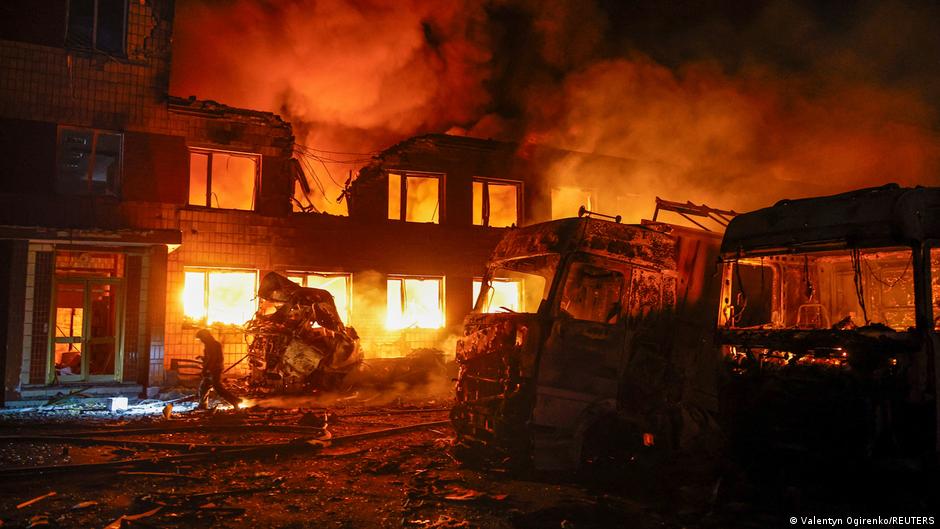
Russian strikes killed civilians in Sumy and Mykolaiv and damaged port, warehouse, postal and residential infrastructure.

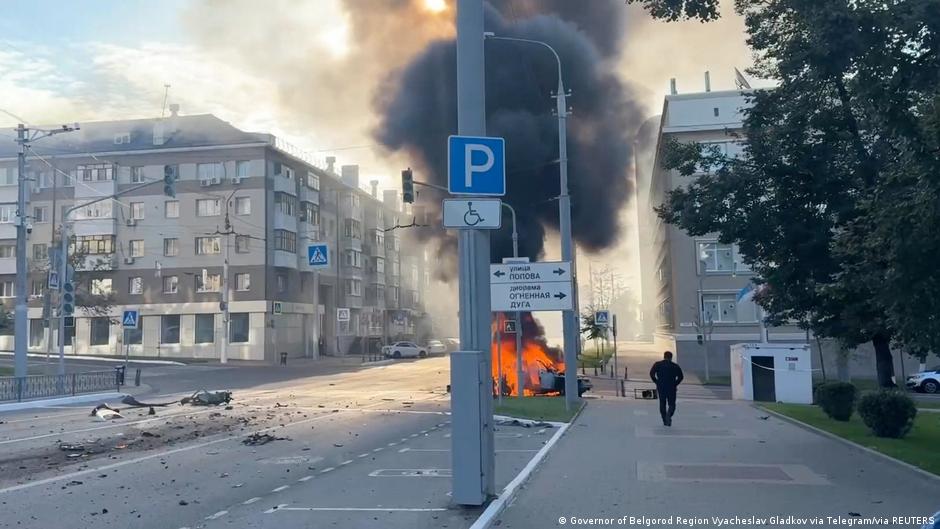
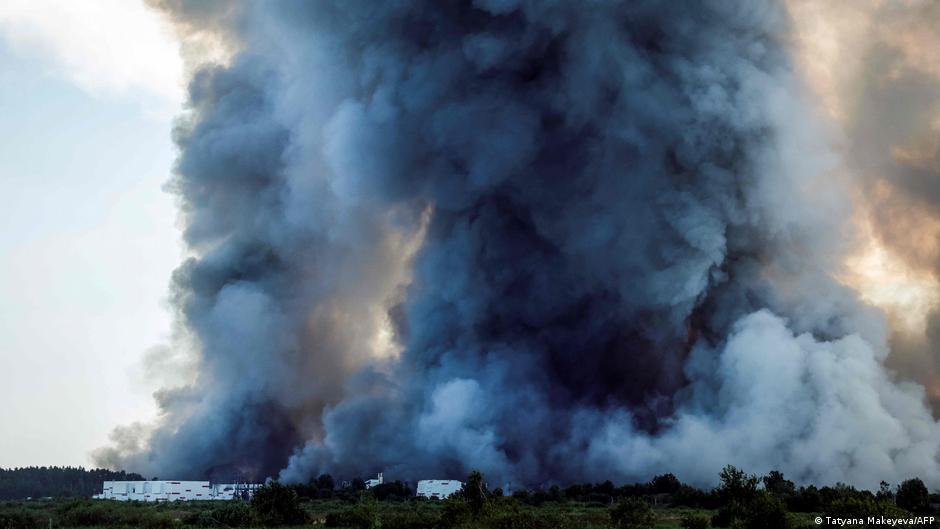
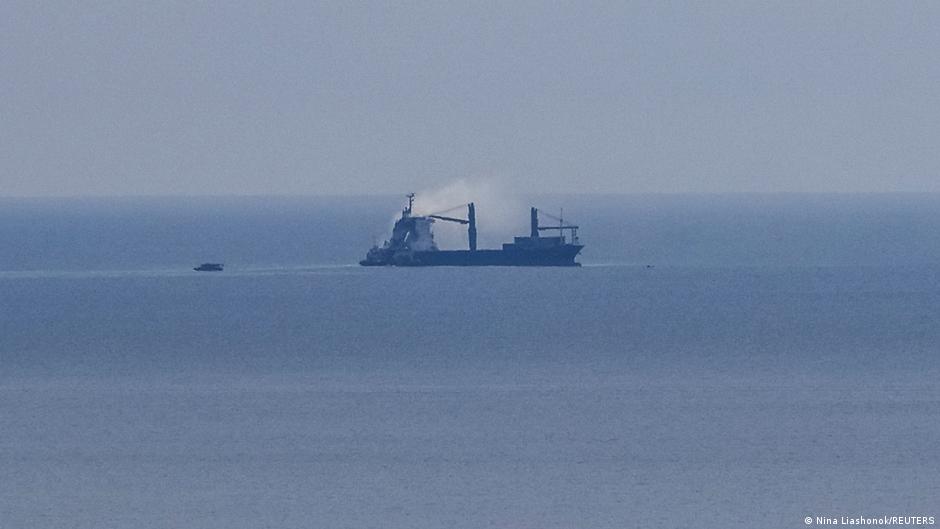
A drone attack on Novorossiysk reportedly caused fires at a fuel oil terminal and residential building, renewing focus on trade and payment risks.

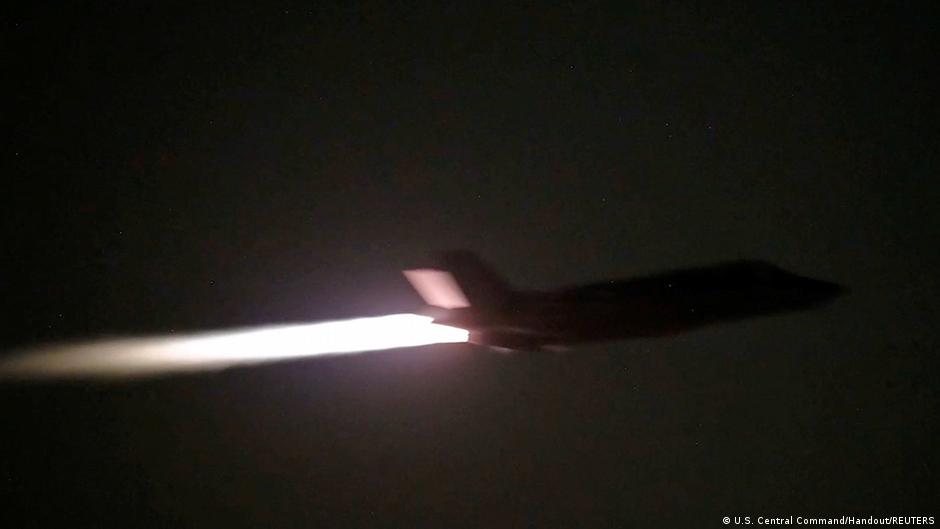
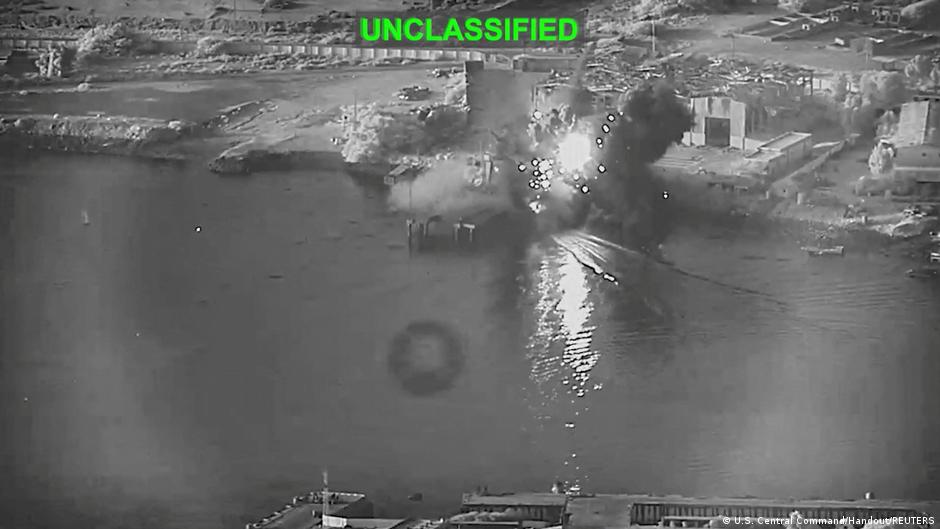
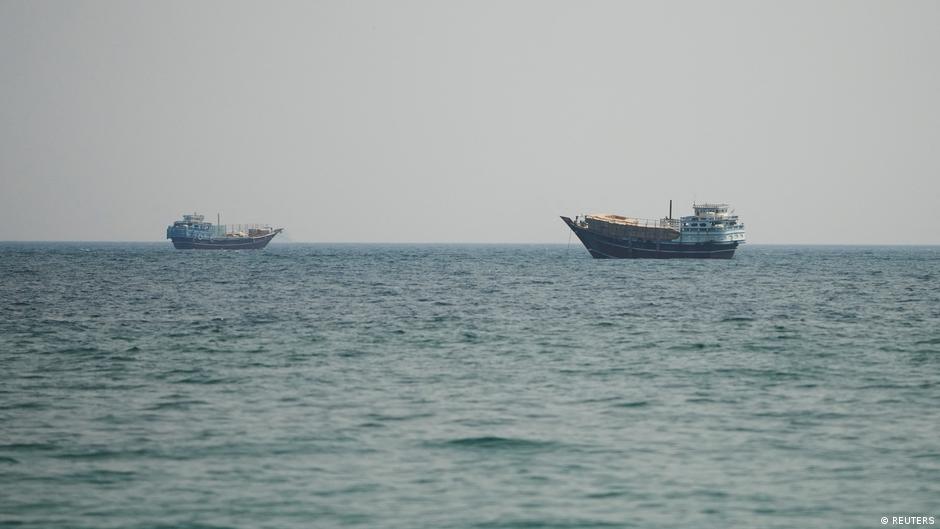
CENTCOM said five Iranian oil tankers were destroyed after missile attacks on a U.S. Navy ship, raising Gulf energy and finance risks.

Germany’s foreign minister says German defense firms should benefit from Berlin’s Ukraine support, tying aid to procurement and taxpayer accountability.

Finland completed a 200-kilometer Russia border fence, adding technical surveillance as Europe links physical security with digital risk.

Macron is pushing for an EU-wide social media ban for under-15s after France’s top constitutional body blocked a national law.

Kyiv reported injuries, fires and damage after Russian drone and missile strikes, adding pressure on payments, logistics and digital banking resilience.

European leaders reacted sharply to AfD’s projected win in Saxony-Anhalt, a result that could heighten political risk for fintech and digital markets.

AfD won 43.8% in Saxony-Anhalt, but coalition uncertainty raises policy risk around energy, sanctions and the digital economy.

Kaja Kallas cancelled a planned EU defence expert group after German and Italian objections, delaying a forum tied to Europe’s security tech agenda.

Putin backed using medically unfit volunteers for rear drone defense, signaling new pressure on Russia’s manpower, infrastructure and tech sectors.

Germany plans drone defenses and a Cyberdome after the Leipzig incident, raising stakes for payments, fintech, logistics and digital infrastructure.

U.S. envoys discussed Ukraine peace plans with Putin and are heading to Kyiv, with fintech markets watching sanctions, payments and cyber risk.

NABU and SAP searched Ukraine’s prosecutor general’s office in a probe tied to scam call centers, asset laundering and suspected official protection.

Latvia says a Leipzig sabotage suspect lived in Russia, as the case raises wider concerns over logistics security, sanctions enforcement and trade-related risk.

Volkswagen approved a vast restructuring plan with 50,000 job cuts, major model reductions and a 135 billion euro investment program through 2031.

Putin said peace through diplomacy is possible, while Zelensky said U.S. envoys will visit Kyiv and Moscow to discuss a possible agreement.

Norway’s seizure of a Russian research vessel in a Naftogaz claim highlights rising legal and compliance risk across shipping, payments and digital finance.

Russia says it will shut Goethe-Institut branches after Berlin tightened sanctions and moved against the Russian House, raising wider compliance signals.

ICAO urged tougher safeguards for civilian aircraft after Ukraine warned that intensified military activity has made Russian airspace unsafe.

Uzbekistan’s decade of business reforms is reshaping licensing, taxes and digital state services, with direct implications for payments and formal-sector growth.

Putin told Pashinyan that Armenia’s move toward EU membership would amount to leaving the EEU, escalating a dispute with implications for trade and finance.

Daniel Driscoll's reported resignation adds uncertainty around Pentagon procurement, cybersecurity priorities and defense-tech market signals.

Foreign investment in Germany rose 50% to 86 billion euros in 2025, led by Britain and EU investors as US capital sharply declined.
Reuters reports the U.S. told Russia at the G20 not to expect sanctions relief before the war in Ukraine ends, extending pressure across finance and payments.

A debate over the cost of a first ID card in Uzbekistan is focusing attention on affordability, digital access and how regional peers price core identity documents.

Uzbekistan auctions its state-owned Fonon jewelry plant stake for 316.7 billion UZS, highlighting challenges in financial recovery and digital asset management.

Meta’s $18B settlement mandates sweeping child-safety reforms relying on imperfect age-verification tech, underscoring challenges in balancing safety and privacy in digital platforms.

Annalena Baerbock will join Columbia University as co-director of a public administration program after her UN General Assembly chairmanship ends in 2024.

Ilya Remeslo, once a pro-Kremlin blogger, now faces up to 10 years in detention after criticizing Putin and the war, under charges of spreading fake news about the Russian military.

The US removal of Syria from the terrorism sponsor list opens pathways for economic integration, fintech growth, and digital banking expansion amid complex regional geopolitics.

Russia's covert sabotage campaigns on European defense plants involve criminal groups paid via cryptocurrency, challenging NATO's cybersecurity and response strategies.

Drone attacks on Ozon’s logistics centers in Krasnodar and Stavropol caused fires, casualties, and disrupted operations, spotlighting physical security challenges in Russia's digital economy.

The EU pledges sustained support for Ukraine, emphasizing sanctions on Russia and prospects for Ukraine's EU integration, with implications for fintech and digital economy sectors.

Russia has established a covert aviation network to supply its military in Africa, bypassing Western sanctions via complex logistics involving military and private carriers.

Nearly 100 people were detained at an informal music festival near Vyborg over pro-Ukraine songs and calls for regime change, as Russian authorities intensified digital surveillance efforts.

Germany's wage gap between native and foreign full-time workers remains at 23.6% in 2025, with median salaries at €4,396 and €3,358 respectively, impacting digital economy and fintech sectors.

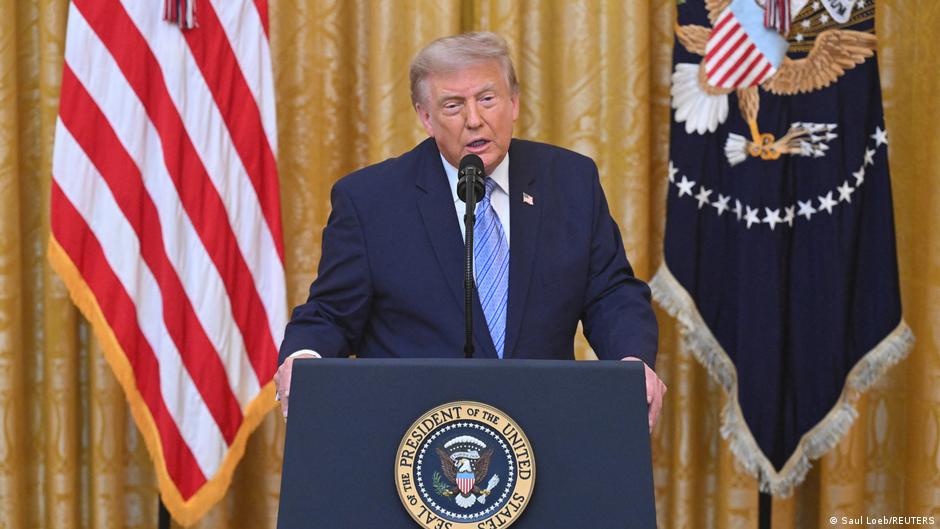
The US Supreme Court ruled in favor of Trump’s White House renovation plans, allowing construction of a ballroom and military bunker to proceed amidst national security claims.

Russia updates regulations to allow people without limbs to drive buses and trucks, leveraging automation to enhance inclusivity for veterans and others with disabilities.

Finland summoned Russia's ambassador after an Il-20 aircraft briefly entered Finnish airspace, raising regional security and cybersecurity concerns amid rising tensions.

Hundreds of Ukrainian soldiers undergoing training in Germany have deserted since 2022, complicating military preparedness and legal frameworks amid ongoing conflict.

Latvia has published a list of 170 companies maintaining trade with Russia and Belarus despite the Ukraine war, impacting transparency and digital economy sectors.