Germany’s Long-Term Welfare Rolls Raise Fiscal and Digital Economy Questions
Germany’s long-term welfare data intensify debate over public spending, labor rules and the digital systems behind benefits and payments.

Germany’s long-term welfare data intensify debate over public spending, labor rules and the digital systems behind benefits and payments.

Abbas delayed Palestinian elections to September 2027, extending governance uncertainty for Gaza’s payments, banking and digital economy outlook.

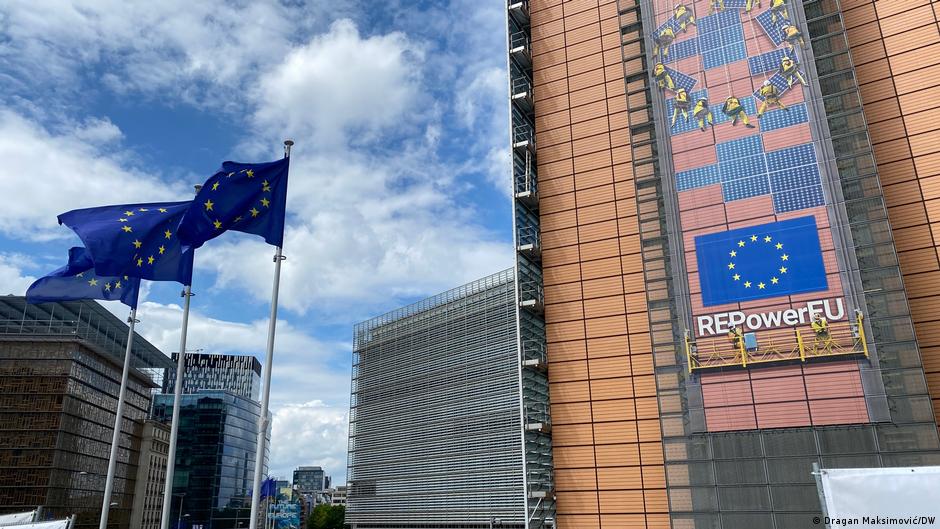
The European Parliament approved a €115 million Agile programme to fund SMEs, startups and scaleups developing disruptive defence technologies.

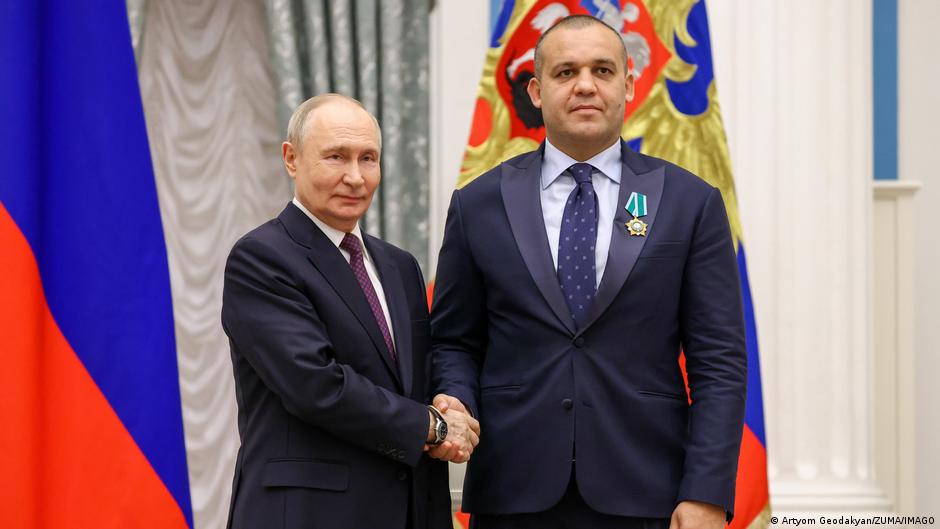
Umar Kremlev says Donald Trump Jr. reimbursed him for wedding event costs, as Democrats weigh scrutiny of foreign-linked payments.

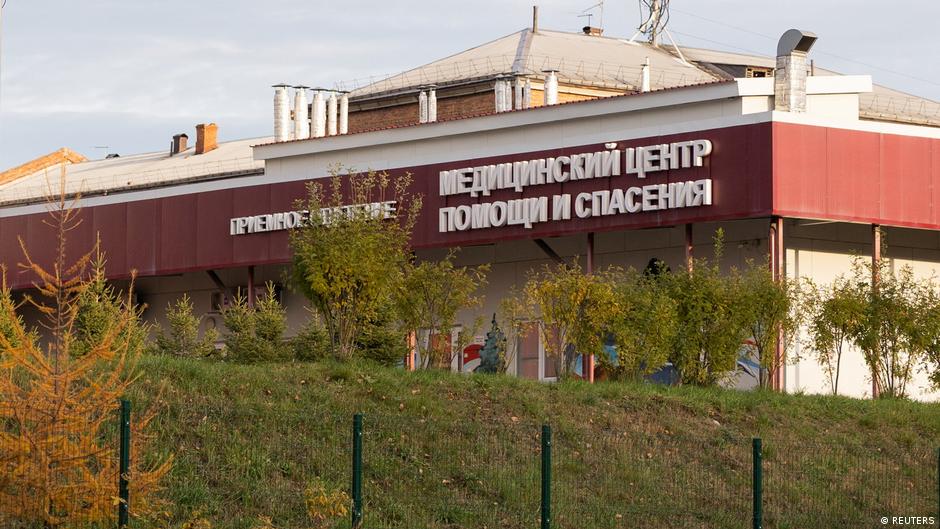
Trump plans a Putin call as the WHO asks Russia for more details on reports from Irkutsk, raising wider risk questions for markets and digital infrastructure.

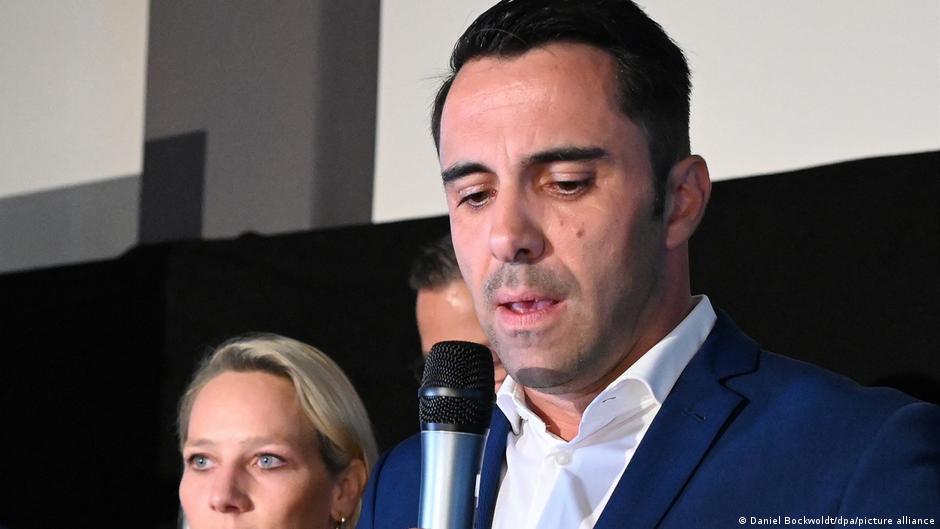
BSW lawmaker Sven Hornauf plans Belarus and Russia trips to revive sister-city ties, raising wider questions for compliance and security.

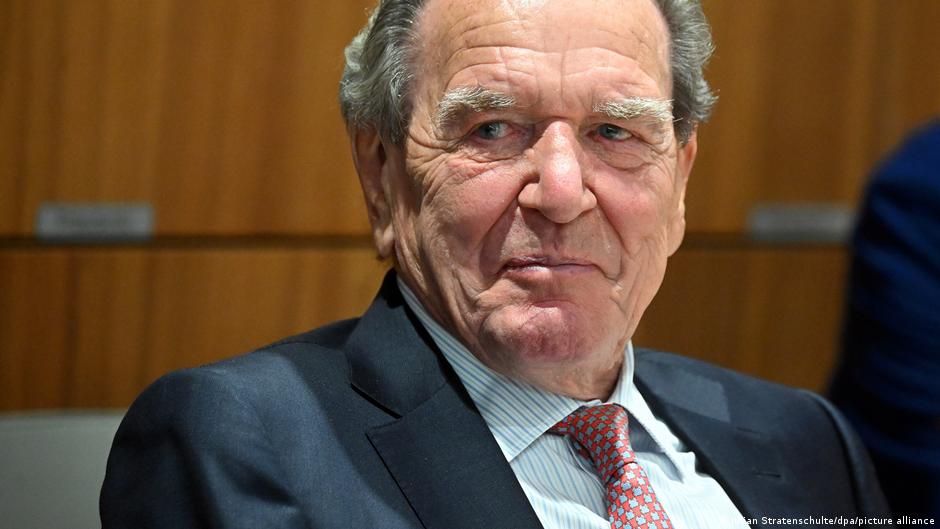
Gerhard Schroeder’s new role at Russia’s Hyperglobus draws German criticism and renews scrutiny of Russia-linked corporate risk.

Western embassies are weighing Kyiv relocation plans as Russian strikes hit energy infrastructure and data centers, raising risks for Ukraine’s digital economy.

Seoul’s warning to Kyiv over North Korean prisoners adds diplomatic risk to future tech, cyber and reconstruction finance cooperation.

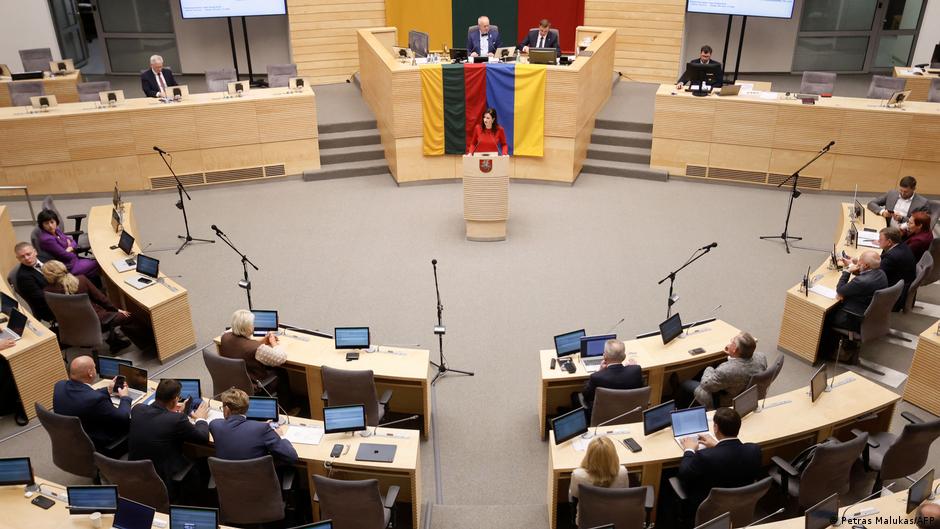
Lithuania’s proposed property curbs add new compliance pressure for banks, fintech firms and digital platforms handling high-risk transactions.

Flydubai halted Israel flights after an alleged cockpit attack forced a Dubai-Tel Aviv service to land in Saudi Arabia.

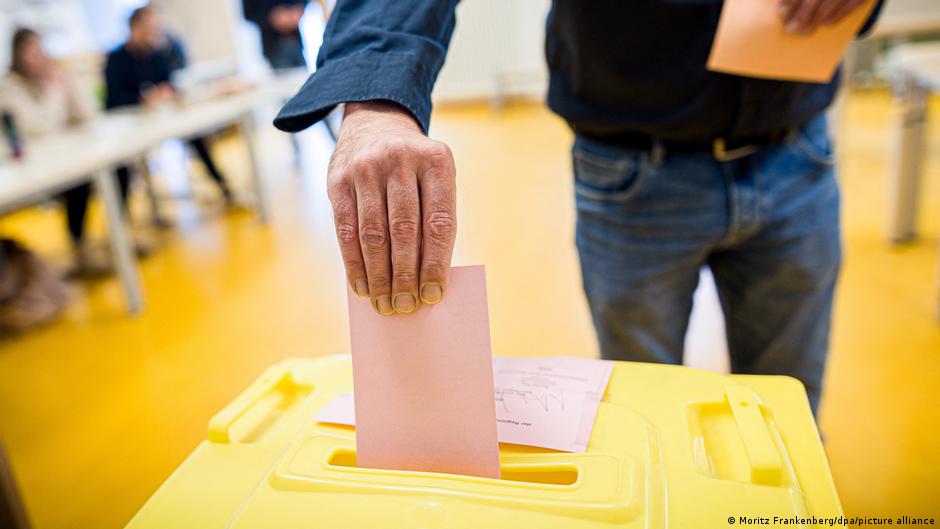
AfD lost all three Lower Saxony runoff bids, while Greens held Hanover and gained ground in major cities with digital economy stakes.

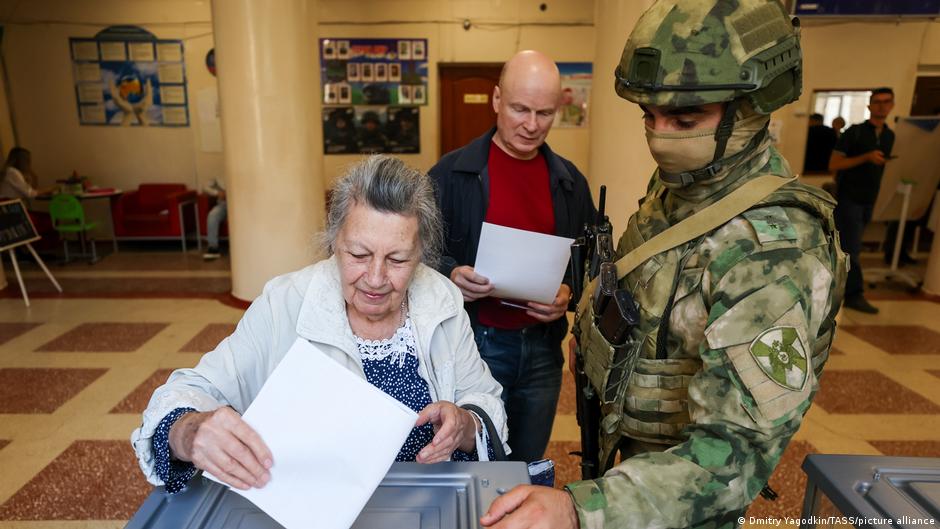
Ukraine sanctioned 44 people linked to Russian Duma voting in occupied regions, raising compliance issues for banks, fintechs and crypto firms.

The EU will add €710 million in humanitarian aid, with major allocations for Africa, Ukraine, Lebanon and Palestinian territories.

Russian drone strikes killed at least three civilians in Zaporizhzhia and hit port and civilian infrastructure in Odesa’s Kiliia.

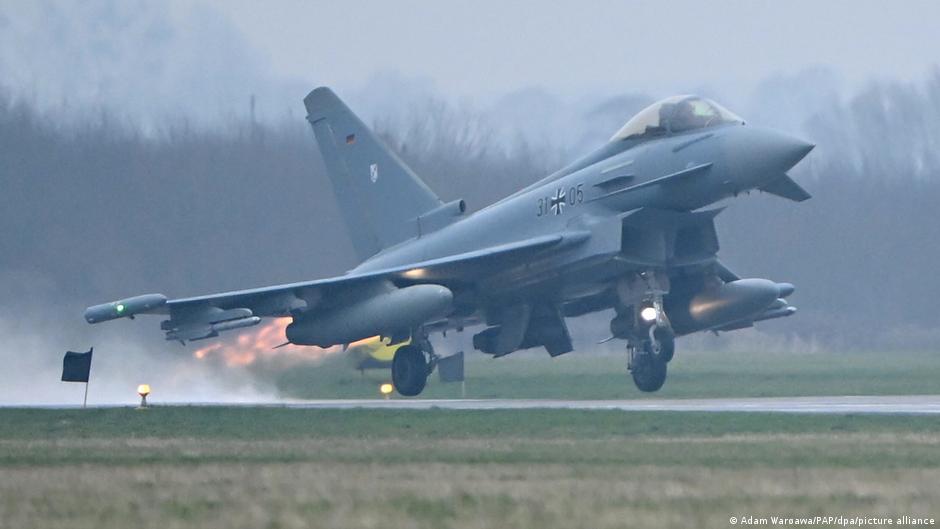
Germany deployed four Eurofighters to Latvia for election-period airspace security, highlighting NATO risks tied to digital and financial resilience.

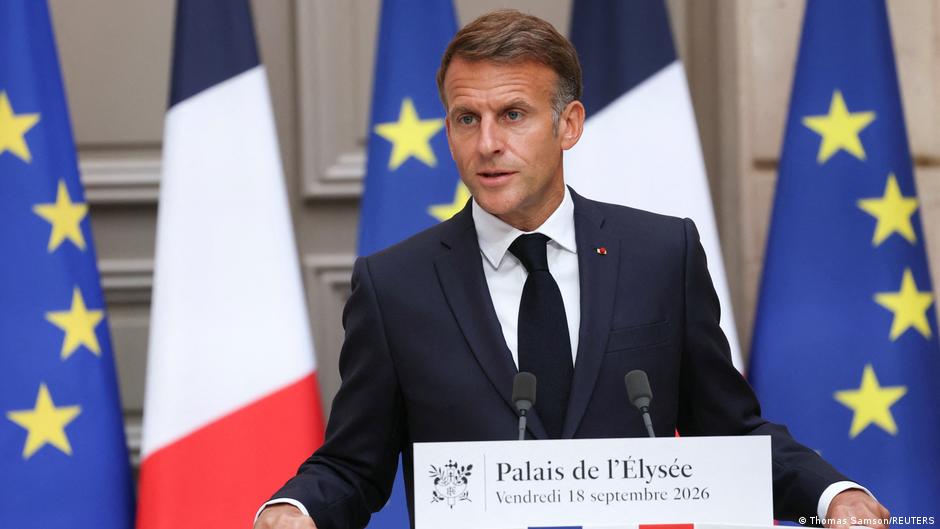
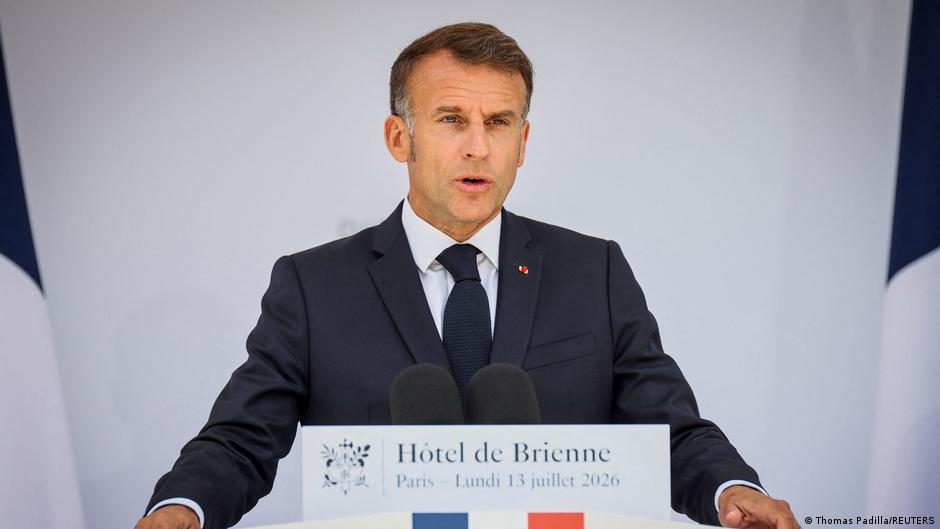
Macron says a Russian mobilization of about 300,000 people is credible and warns Europe faces rising hybrid and cyber threats.

German investigators are probing whether a drone near the Wunstorf air base carried explosives, raising infrastructure security concerns.

The CDU’s historic defeat in Mecklenburg-Vorpommern adds political risk for fintech, digital banking and tech investors watching Germany.

Kaja Kallas urged EU envoys to extend Russia sanctions as member states debate possible delistings involving Usmanov and Fridman.

The Left Party’s Berlin win could reshape the city’s housing, governance and investment climate for fintech and digital economy firms.

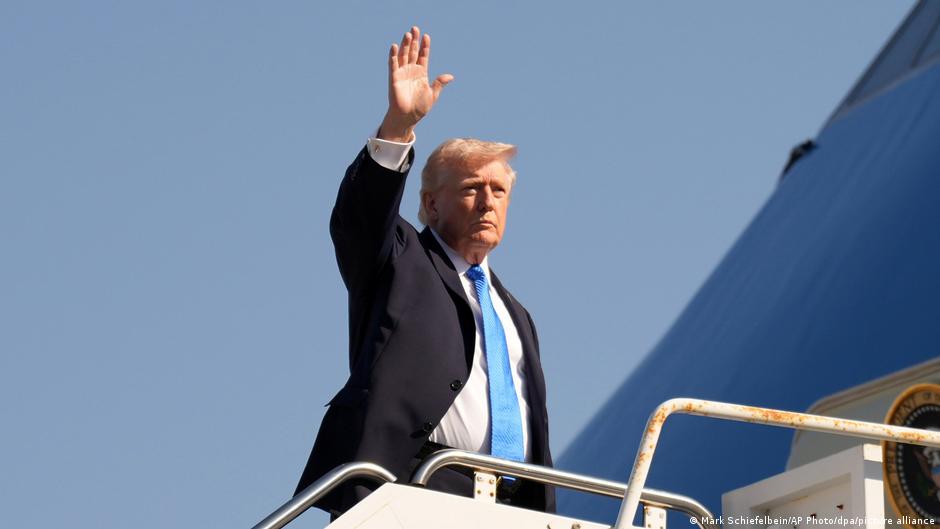
Trump signed the Graham sanctions bill, giving the White House broad powers over Russian energy tariffs, banks and sanctions evasion networks.

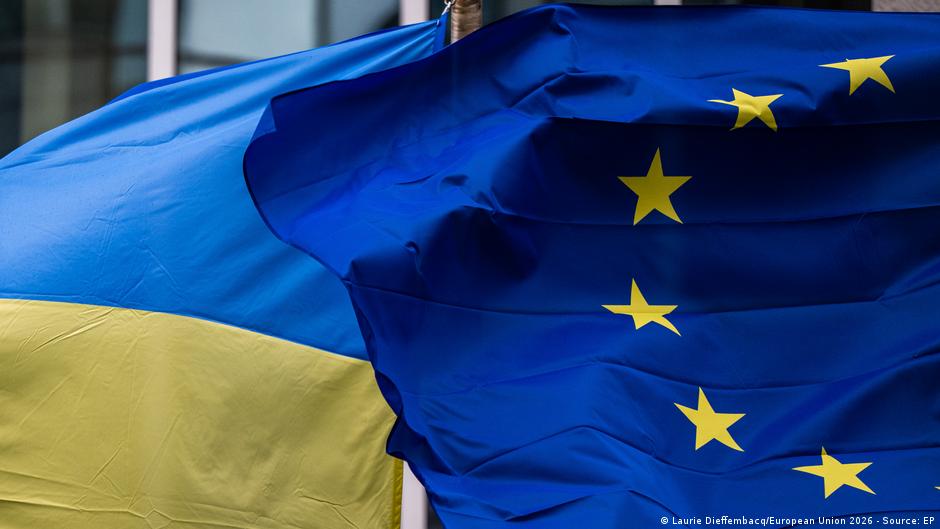
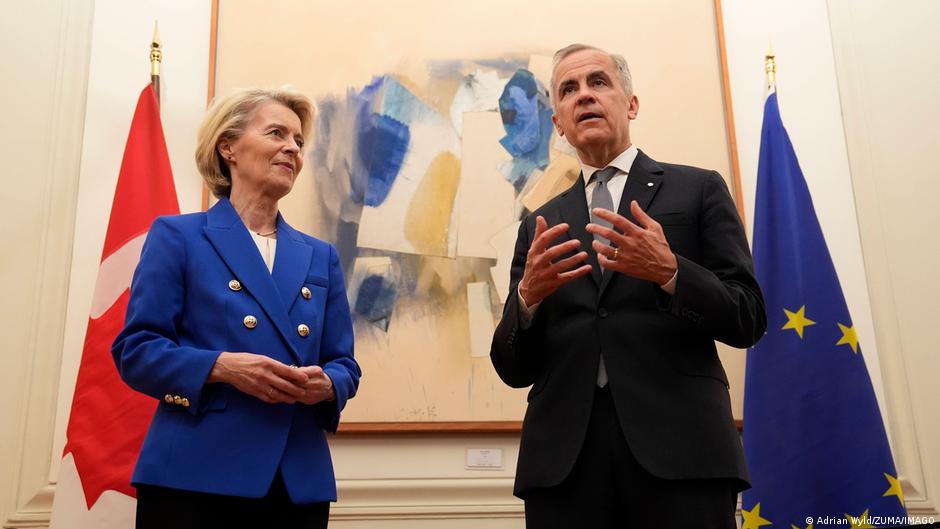
Canada is negotiating entry into the EU’s €90 billion Ukraine loan while pursuing AI, supercomputing and digital trade ties with Brussels.

France warned CNews it could face criminal proceedings if expelled former RT France chief Ksenia Fedorova appears by video link.

Macron is pushing for an EU-wide social media ban for under-15s after France’s top constitutional body blocked a national law.

European leaders reacted sharply to AfD’s projected win in Saxony-Anhalt, a result that could heighten political risk for fintech and digital markets.

Meta’s $18B settlement mandates sweeping child-safety reforms relying on imperfect age-verification tech, underscoring challenges in balancing safety and privacy in digital platforms.

Russia’s election chief supports removing voting rights for emigrated citizens labeled as "foreign agents," raising implications for election security and digital governance.

Venezuela freed 131 political prisoners and agreed on judicial reforms after reconciliation talks, potentially impacting the country's fintech and digital economy sectors.

Lieutenant General Igor Yerusalimov’s secret burial after the Moscow restaurant explosion highlights growing security threats to Russian military leaders amid ongoing conflict.

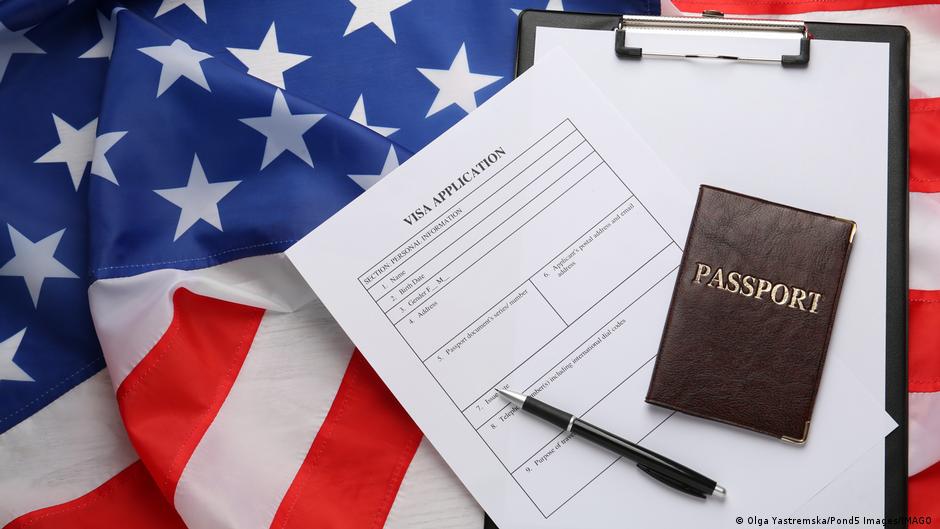
The US will require visa bonds up to $20,000 from citizens of 50 countries to reduce visa misuse, impacting international payments and fintech solutions for cross-border travel.

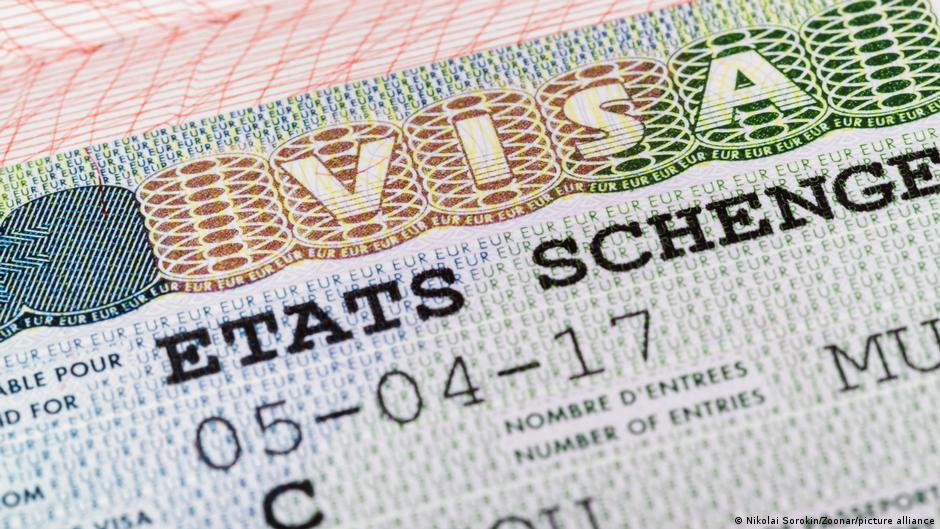
Greece's spike in Schengen visa denials for Russians challenges travel and fintech sectors amid stricter EU security policies impacting payments and digital banking.

France enforces stricter visa rules for Russians, requiring personal submissions and biometrics, impacting fintech services linked to cross-border payments and digital identity.

Belgium issued one-day visas to five Taliban representatives invited to Brussels for EU talks on Afghan deportations, highlighting complex migration and security challenges.

Florida’s Palm Beach International Airport will be renamed after President Trump, changing its IATA code to DJT, reflecting growing intersections between politics and digital infrastructure.

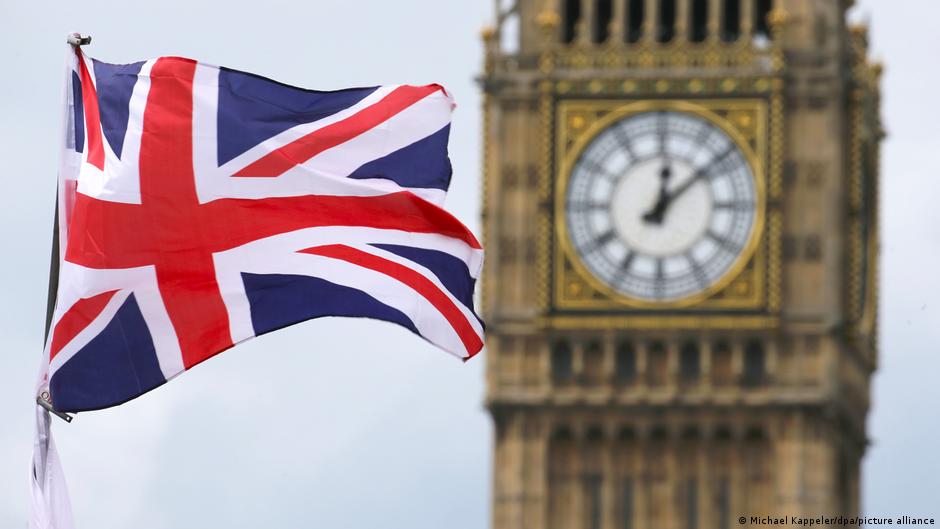
The UK has withdrawn accreditation from a Russian diplomat in response to Moscow's expulsion of a British diplomat accused of espionage, heightening diplomatic strain with implications for cybersecurity and fintech.

Israel detains humanitarian aid ships to Gaza, revealing digital communication disruptions and prompting fintech and cybersecurity concerns amid maritime blockades.

The US will issue special passports bearing President Trump's portrait to mark the 250th Independence anniversary, signaling new trends in digital identity and secure documentation.

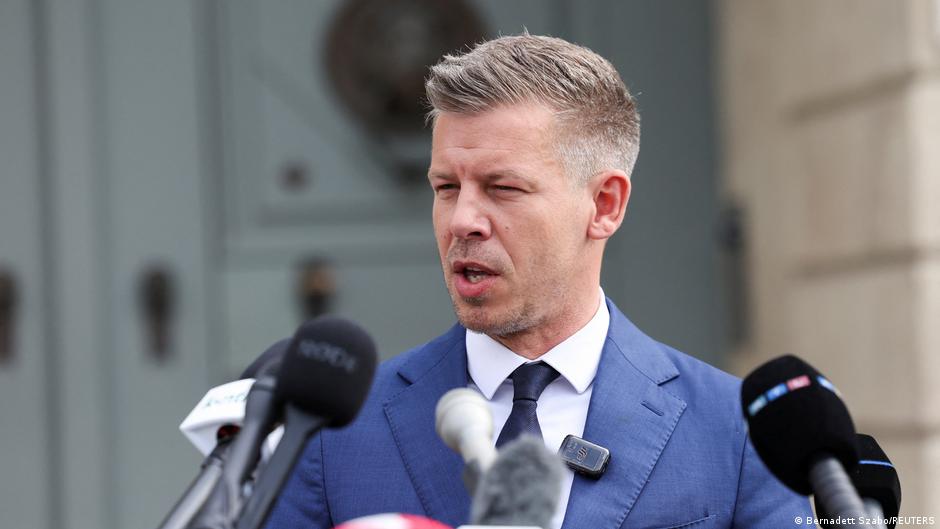
Peter Madyar’s Tisa party wins Hungary’s parliamentary majority amidst contested district results involving alleged voter confusion tactics, raising election security concerns.

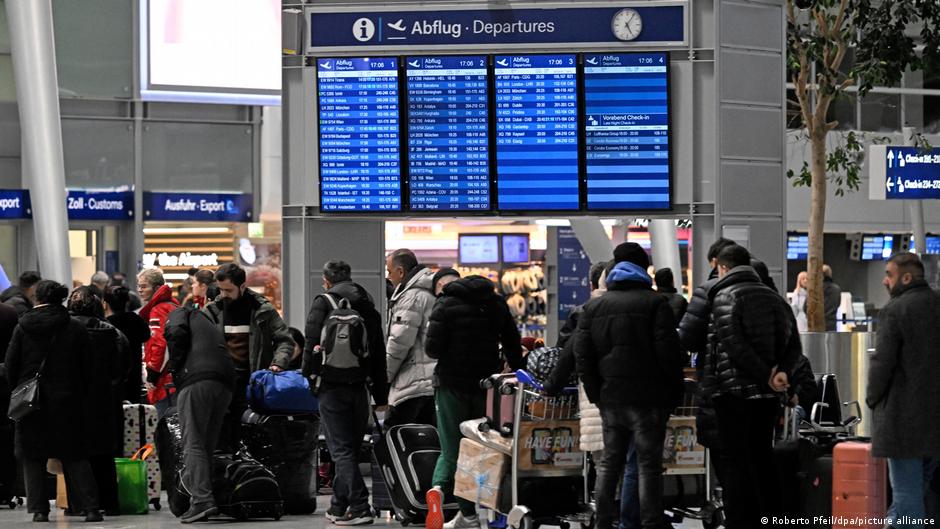
The EU's new biometric border control system (EES) causes extensive delays and operational challenges at airports, raising concerns for the summer travel season and digital infrastructure efficiency.