
Business
Berlin Left Party Win Puts Housing Policy and Fintech Climate in Focus
The Left Party’s Berlin win could reshape the city’s housing, governance and investment climate for fintech and digital economy firms.
Editorial Team · Sep 21, 2026
The Left Party’s Berlin win could reshape the city’s housing, governance and investment climate for fintech and digital economy firms.
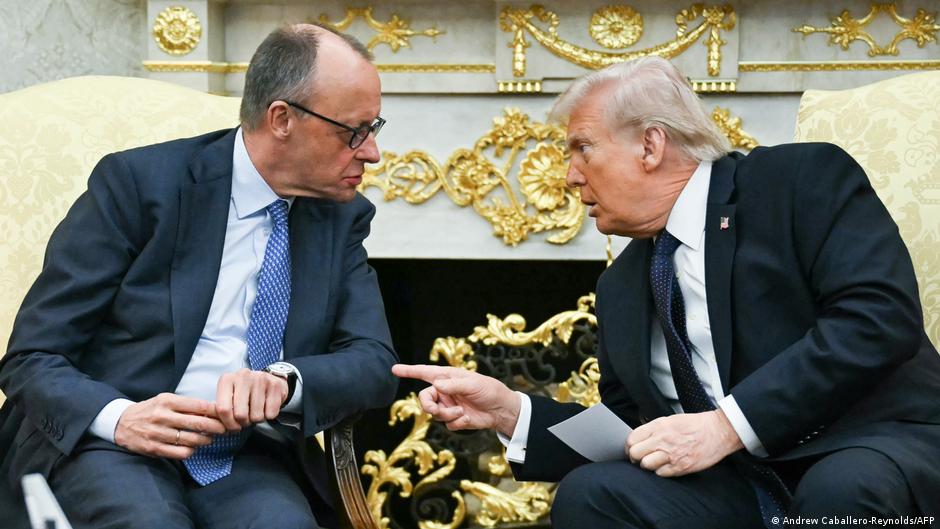
Friedrich Merz says unconditional transatlantic friendship may be over, with implications for Germany’s economy, security and digital sectors.
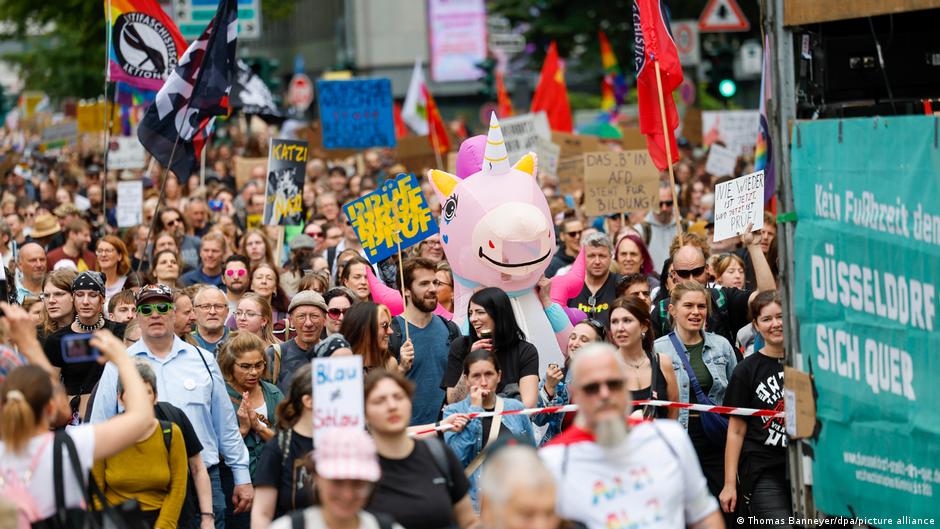
Mass protests against right-wing extremism in Germany underline political risk questions for fintech, digital banking and tech investors.
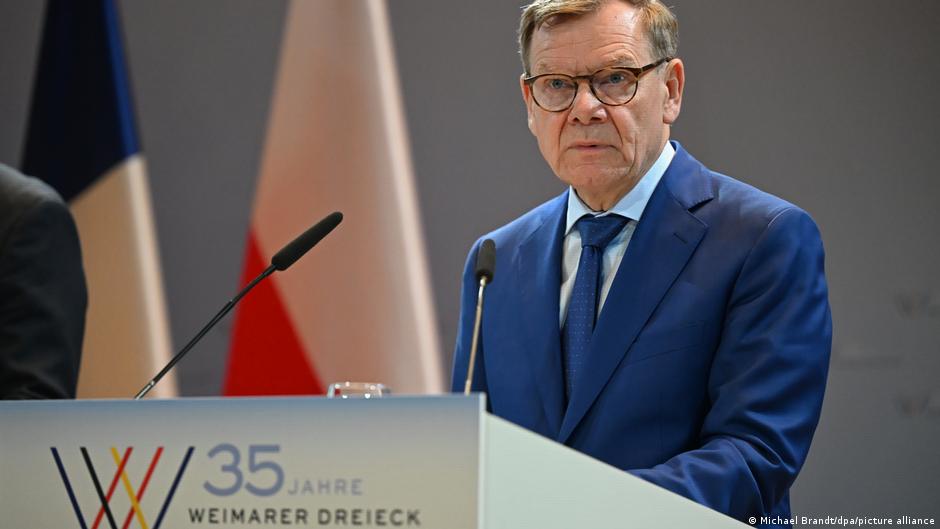
Germany’s foreign minister says German defense firms should benefit from Berlin’s Ukraine support, tying aid to procurement and taxpayer accountability.
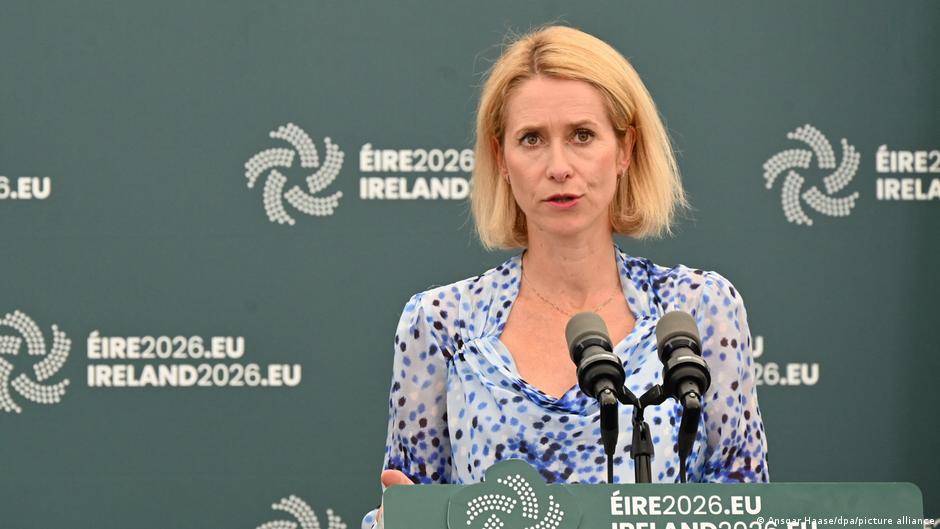
Kaja Kallas cancelled a planned EU defence expert group after German and Italian objections, delaying a forum tied to Europe’s security tech agenda.
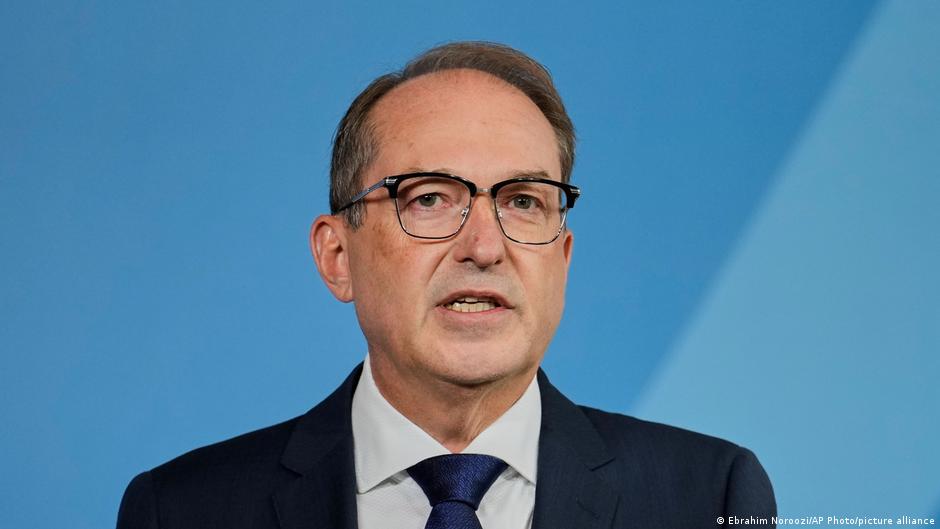
Germany plans drone defenses and a Cyberdome after the Leipzig incident, raising stakes for payments, fintech, logistics and digital infrastructure.
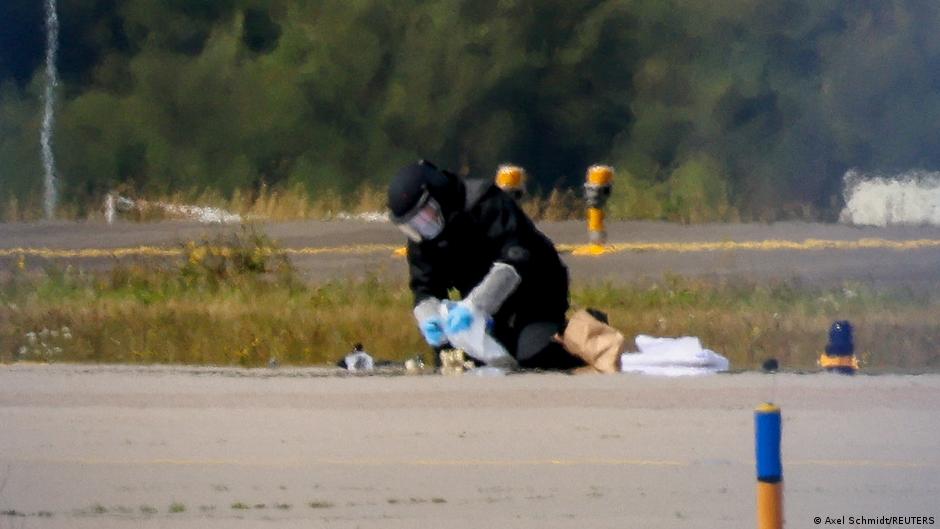
Latvia says a Leipzig sabotage suspect lived in Russia, as the case raises wider concerns over logistics security, sanctions enforcement and trade-related risk.
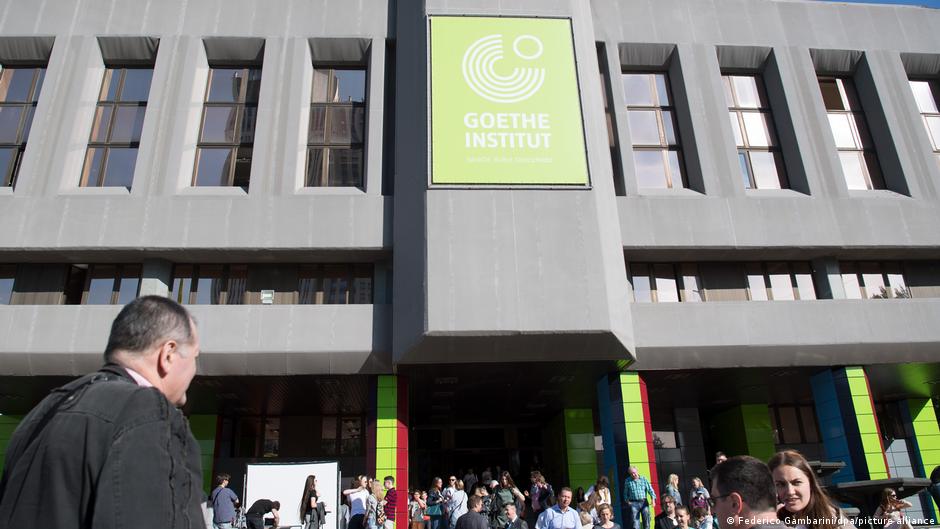
Russia says it will shut Goethe-Institut branches after Berlin tightened sanctions and moved against the Russian House, raising wider compliance signals.
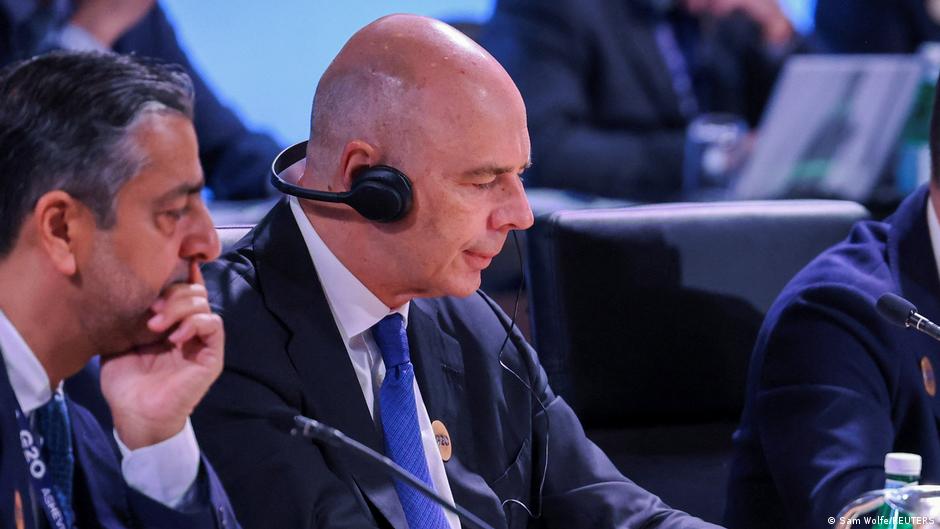
Reuters reports the U.S. told Russia at the G20 not to expect sanctions relief before the war in Ukraine ends, extending pressure across finance and payments.
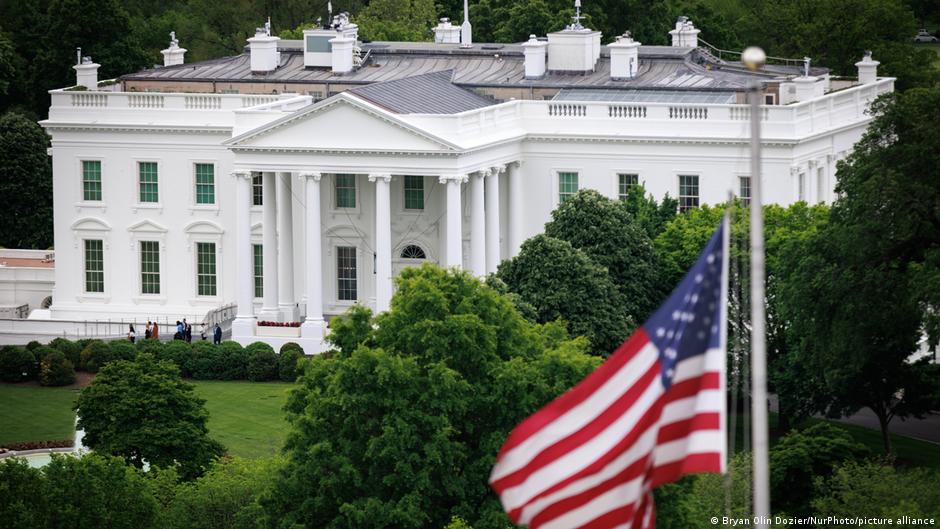
The US Supreme Court ruled in favor of Trump’s White House renovation plans, allowing construction of a ballroom and military bunker to proceed amidst national security claims.
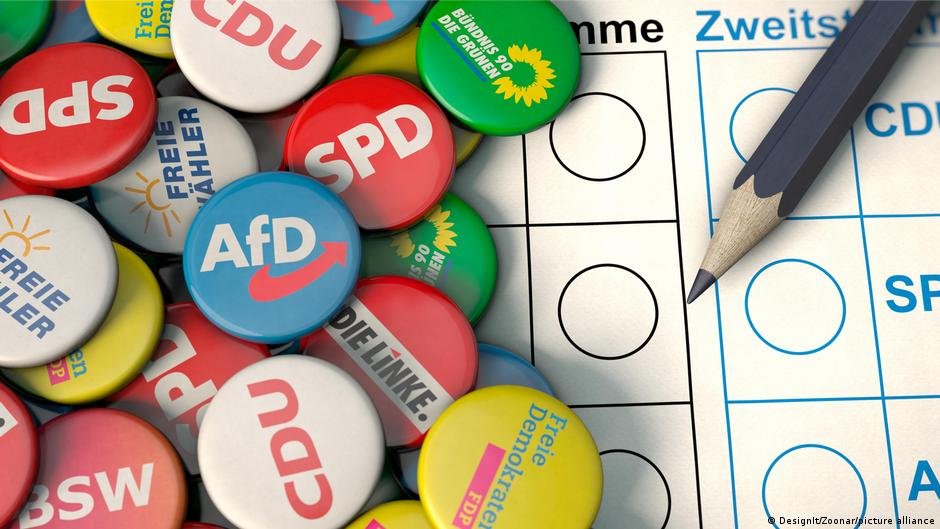
Support for Germany's CDU/CSU drops to 20% with far-right AfD leading polls; upcoming regional elections may reshape political and fintech sector landscapes.
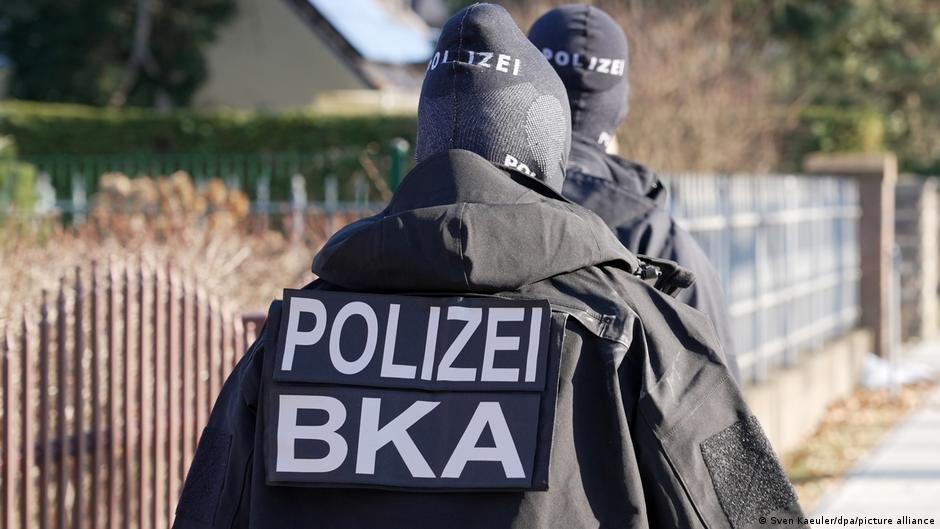
Germany reports 410 individuals deemed Islamist threats, with rising consultations on radicalization and concerns over extremist influences on digital security and fintech sectors.

A Kremlin-linked bot network disseminates fake news mimicking German media to influence voter sentiment ahead of September regional elections.
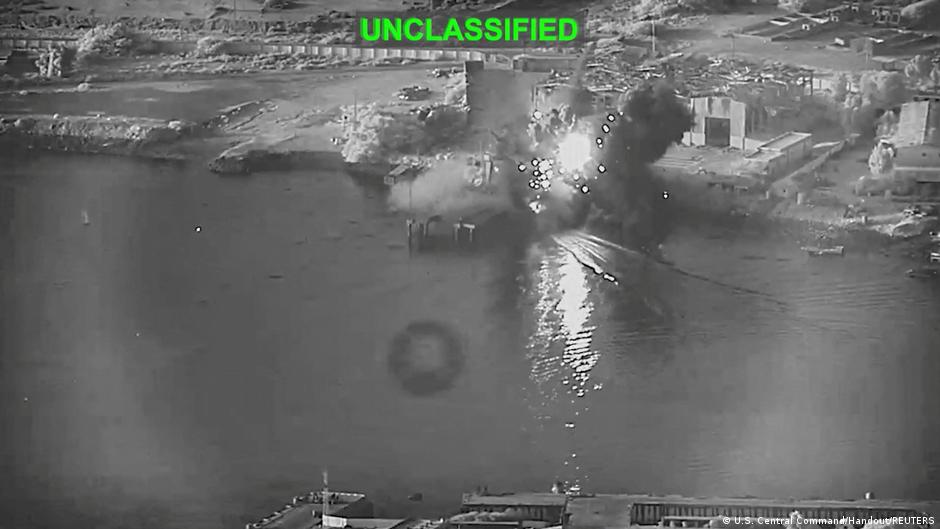
The US military intensified strikes on Iranian infrastructure, targeting bridges, airports, and energy sites, escalating regional tensions with implications for fintech and digital economy stability.
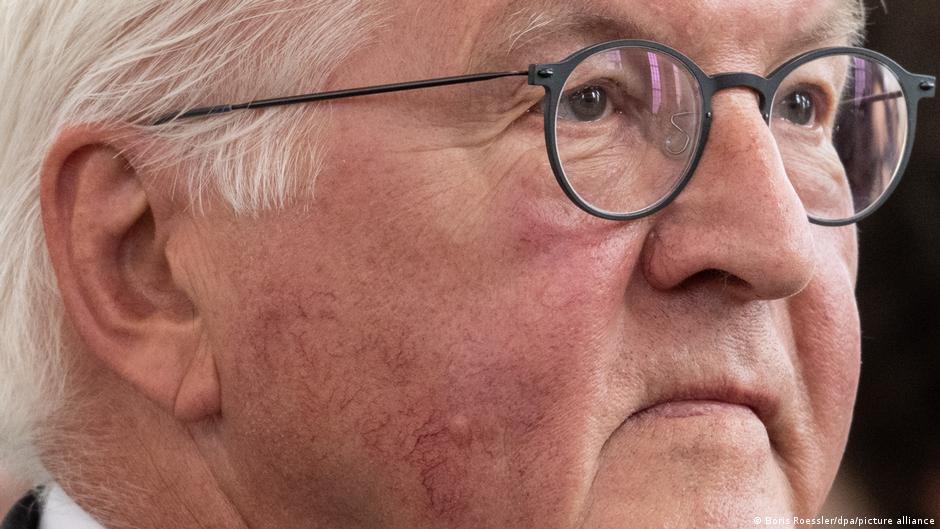
German President Steinmeier urges Europe to uphold international order amidst geopolitical challenges, emphasizing the impact on digital economy, fintech, and cybersecurity.
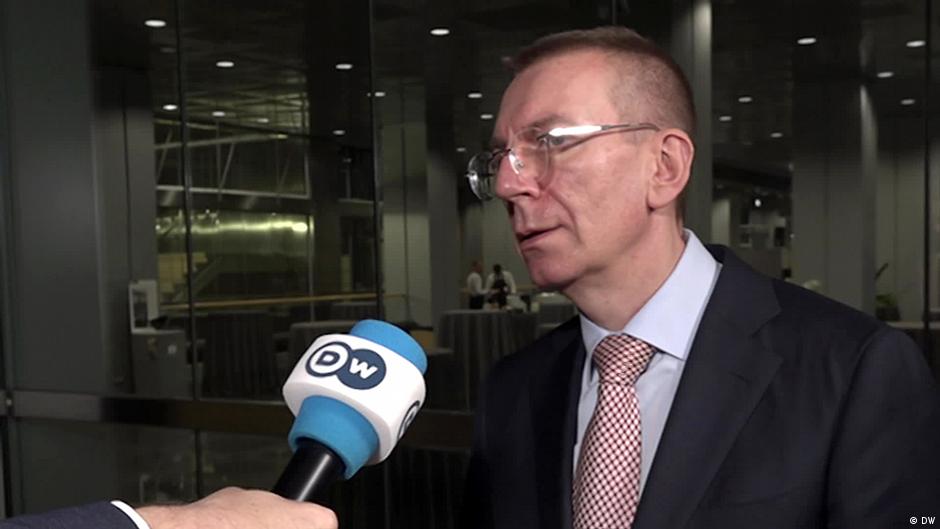
Latvian President Edgars Rinkēvičs urges NATO to prepare for possible escalation with Russia, highlighting the need for stronger military capabilities and US partnership.
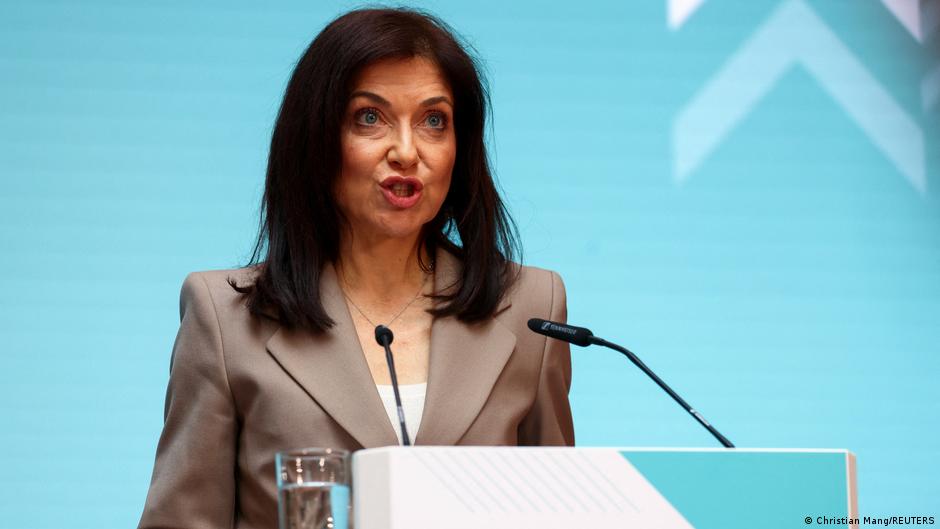
Germany urges Turkey to exclude Russian gas in future EU energy deals, impacting fintech and digital payments as Turkey aims to become a regional gas hub.
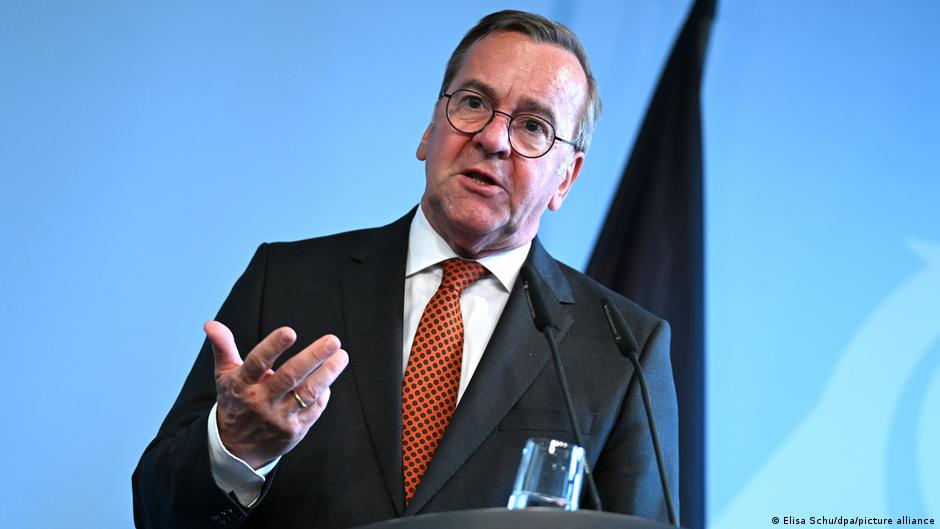
Germany pledges an additional €300 million to support the Czech initiative supplying 50,000 rounds of ammunition to Ukraine amid fewer NATO donors.
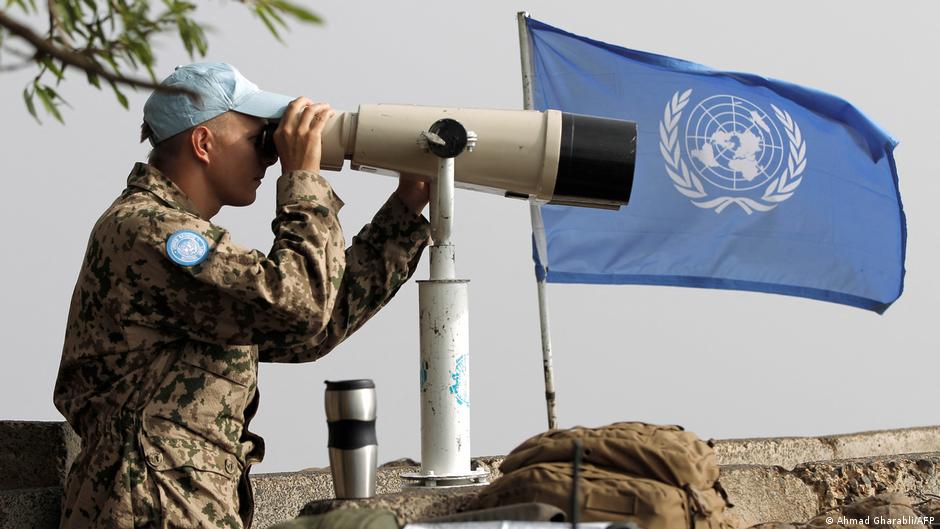
UN peacekeeping forces have fallen to their lowest levels since 2000 due to funding shortfalls and geopolitical tensions, threatening global conflict resolution efforts and impacting security across sectors.
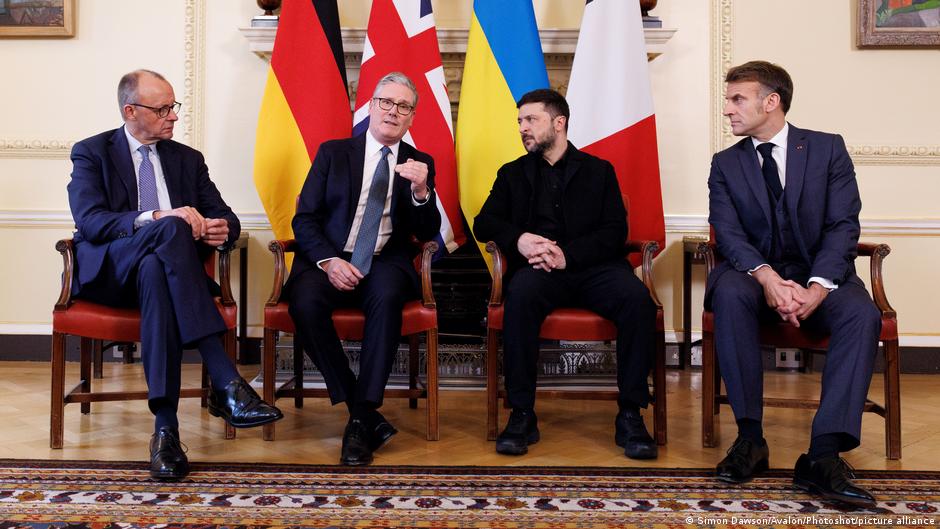
Ukraine and European leaders discuss enhanced diplomatic efforts and defense support to end Russia's war, highlighting shifts in geopolitical and digital economic dynamics.
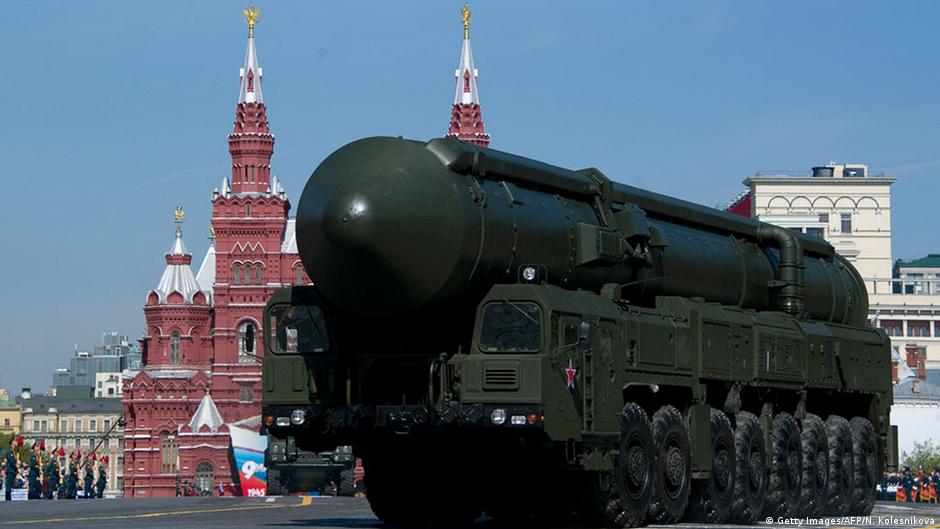
NATO intelligence reveals Russia's secret 'Skif' project to deploy nuclear-capable ballistic missiles on the sea floor, posing new strategic and security challenges.
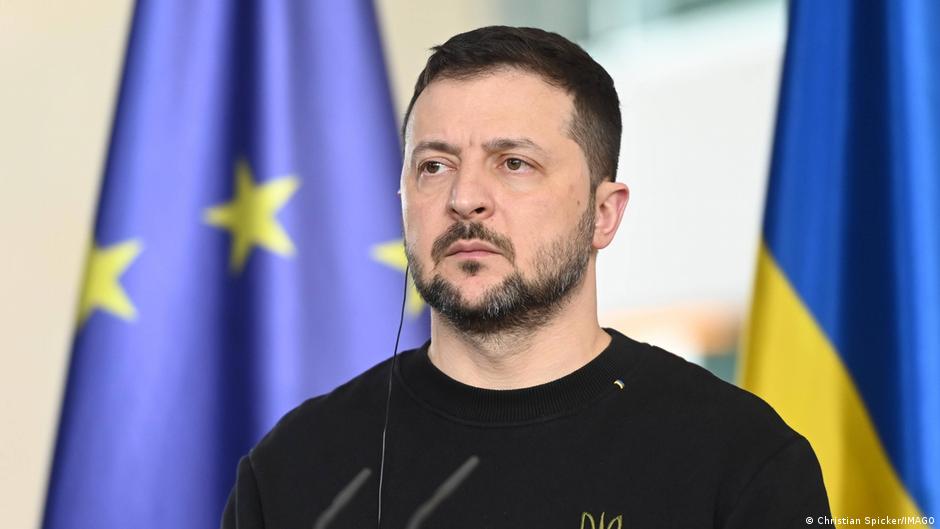
Ukraine and Germany accelerate cooperation on air defense and drone production, including AI-driven technologies, to bolster Kyiv’s protection amid ongoing missile attacks.
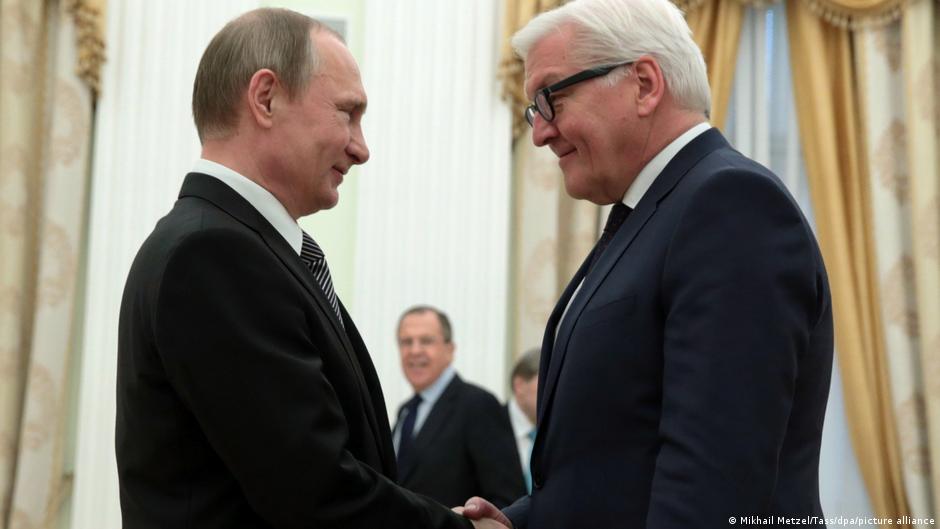
Germany considers President Steinmeier alongside ex-Chancellor Schröder to represent the EU in peace talks with Russia, a move with potential fintech and digital economy ramifications amid the Ukraine conflict.
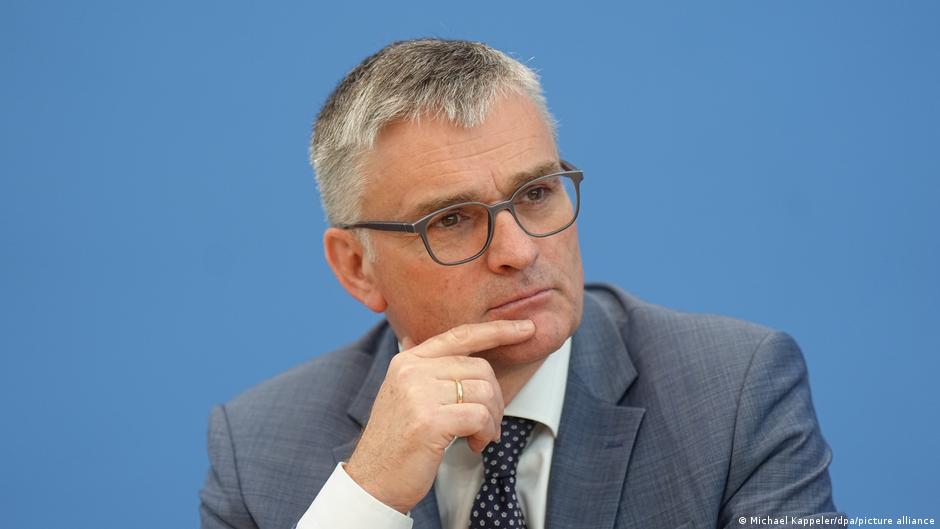
Germany accelerates its own long-range missile development after US declines Tomahawk deployment, aiming to counter Russian Iskander threats and strengthen European defense.
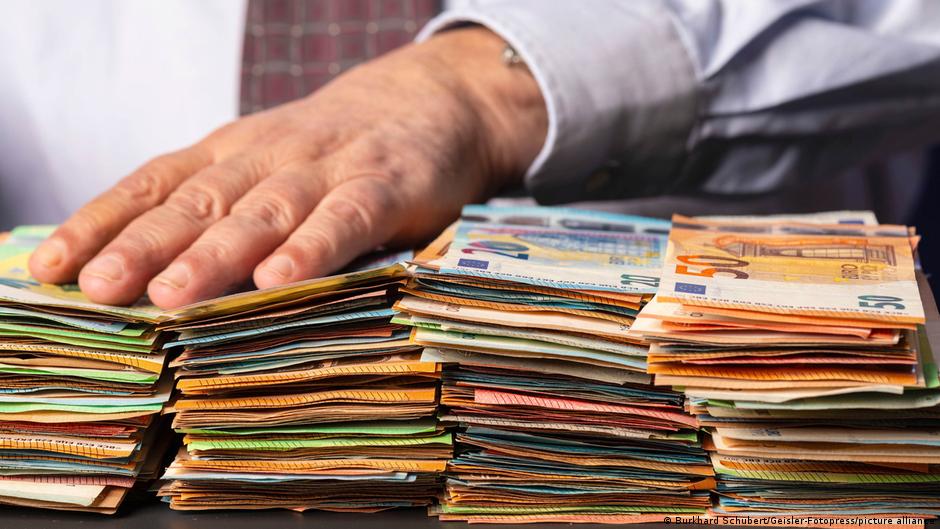
Oxfam reports a 56% rise in CEO pay in Germany's top companies since 2019, while worker wages remain below pre-pandemic levels, intensifying income inequality.
Germany links recent phishing attacks on Signal messenger users, including politicians and journalists, to Russian operatives, highlighting cybersecurity challenges in government communications.
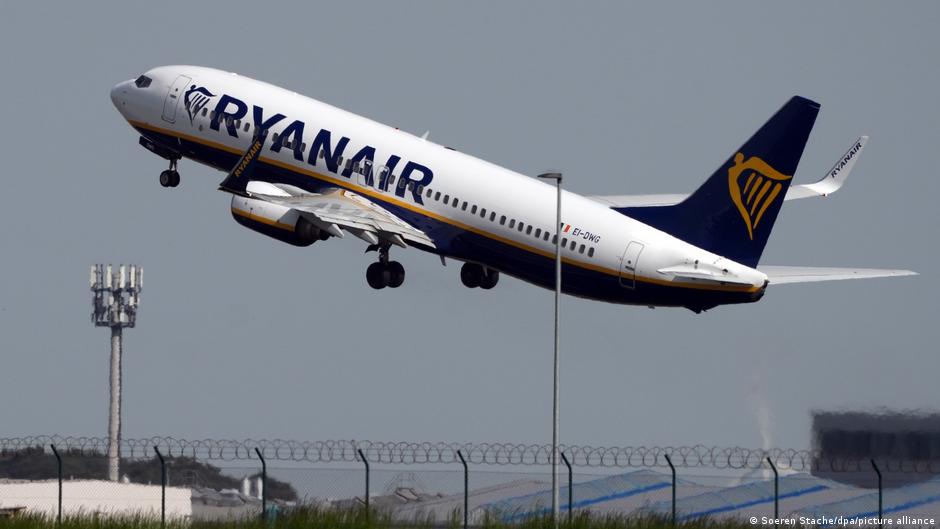
Ryanair will close its Berlin base and cut flights by 50% citing high German aviation taxes and airport fees, reallocating aircraft to cheaper EU airports.
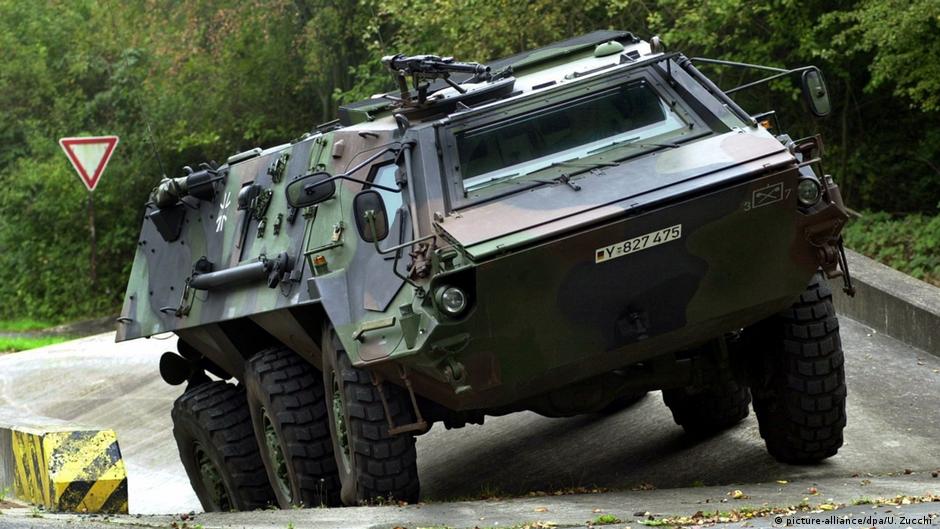
Germany authorized millions in arms exports to Israel during its conflict with Iran, raising issues around export restrictions and implications for defense and fintech sectors.