Palestinian Election Delay Adds Governance Risk for Gaza’s Digital Economy
Abbas delayed Palestinian elections to September 2027, extending governance uncertainty for Gaza’s payments, banking and digital economy outlook.

Abbas delayed Palestinian elections to September 2027, extending governance uncertainty for Gaza’s payments, banking and digital economy outlook.

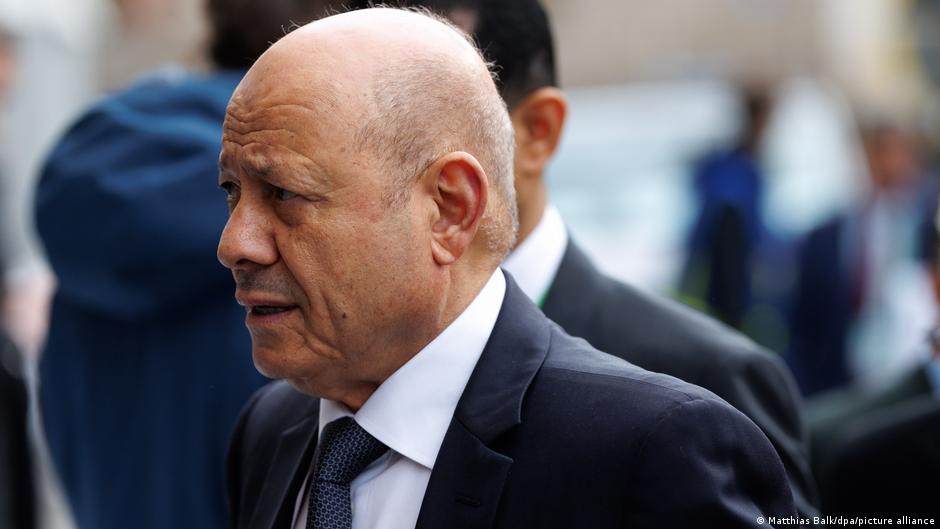
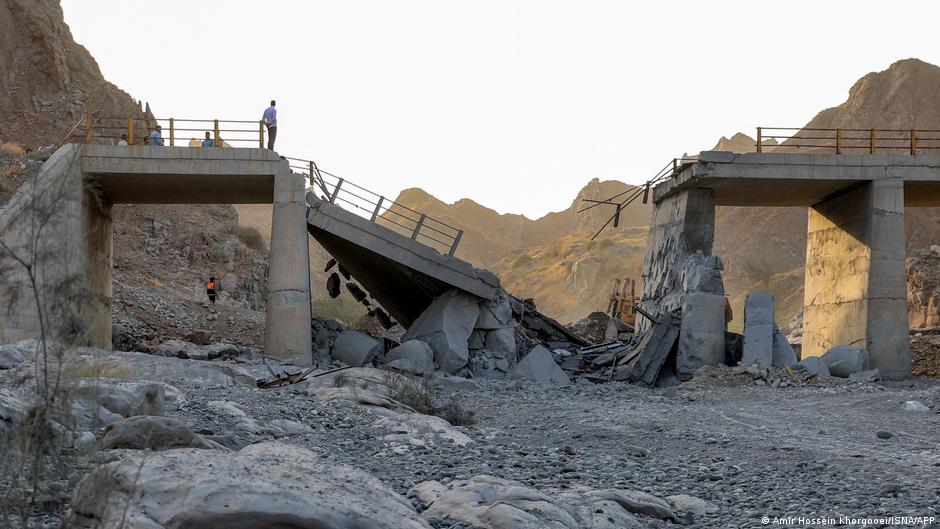
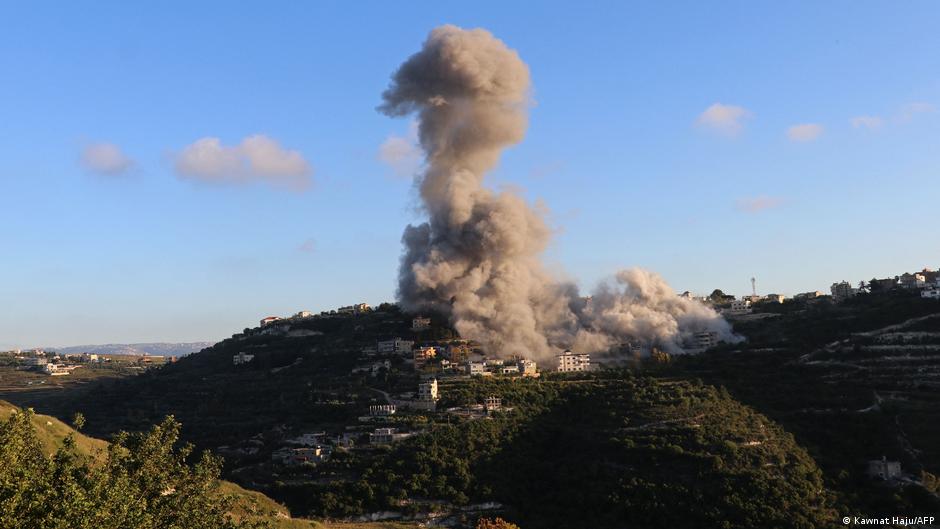
Yemen’s new offensive near Mocha raises risks for Red Sea shipping, energy markets, payments and digital finance across the region.

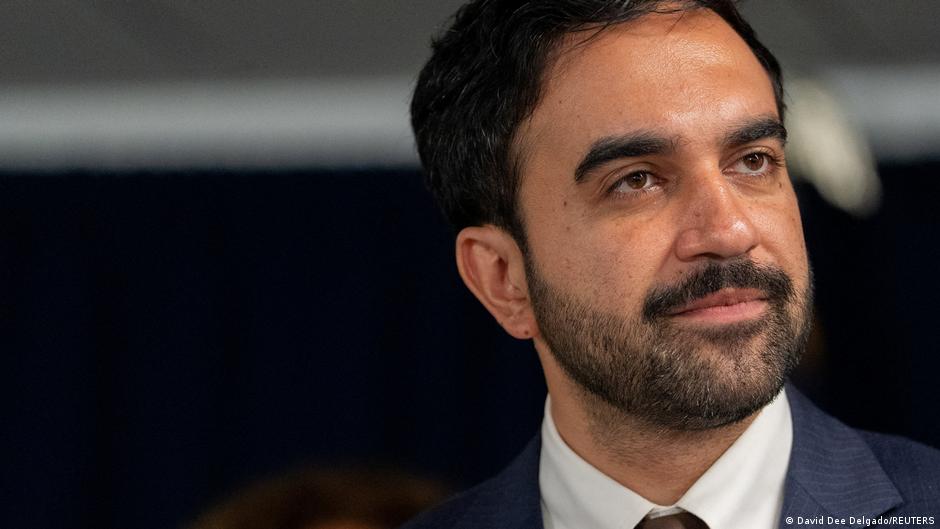
New York Mayor Zohran Mamdani proposed raising hate-crime funding to $29 million, with added synagogue security and Jewish cultural support.

The EU will add €710 million in humanitarian aid, with major allocations for Africa, Ukraine, Lebanon and Palestinian territories.

Yemen’s mobilization call adds pressure to Red Sea trade routes, energy costs and market risk as Houthi forces advance near Bab el-Mandeb.

U.S.-Iran talks at the UN raised market focus on Hormuz shipping, sanctions, frozen assets, cybersecurity risk and fintech exposure.

Houthi control near Bab el-Mandeb could disrupt oil flows and ripple through payments, crypto, digital banking and tech stocks.

Jared Kushner’s talks with Hamas leaders highlight how Middle East geopolitical tensions affect fintech, digital banking, and cybersecurity amid ongoing Gaza conflict.

Qatar denies holding Iranian pilots after airspace violation amid Middle East conflict, emphasizing adherence to international law and ongoing diplomatic efforts.

US-Iran talks resume August 3 with postponed strikes, impacting fintech, digital banking, and cybersecurity amid ongoing regional tensions.

The US announces a historic agreement with Hamas for full disarmament, marking a key step toward peace and potential growth in the region's digital economy and fintech sectors.

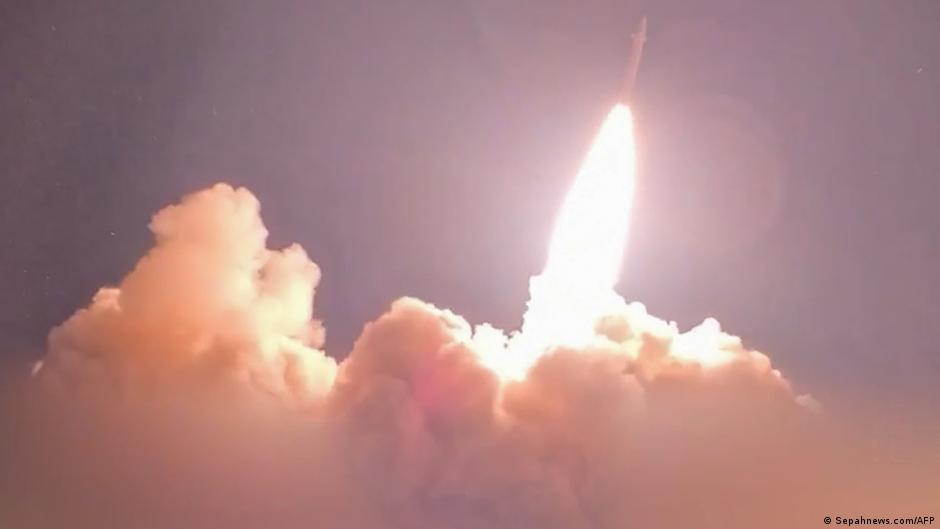
US forces intercepted Iranian ballistic missiles targeting American troops in the Middle East, underscoring risks to regional security and fintech sectors amid rising tensions.

President Zelensky visits Washington where the US Senate will vote on new sanctions against Russia, underscoring rising geopolitical tensions impacting fintech and global payments.

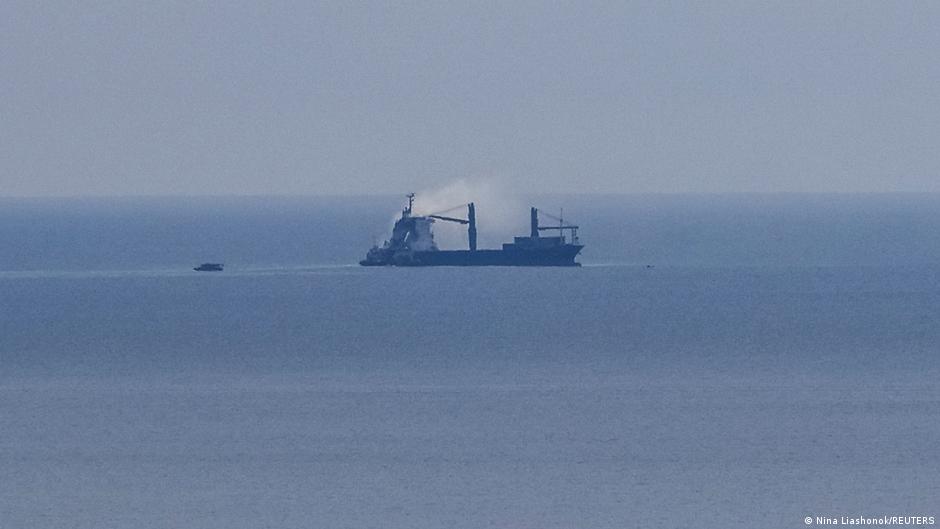
Ukraine calls for an emergency UN Security Council session after Russia attacks commercial ships in the Black Sea, threatening global food security and maritime trade.

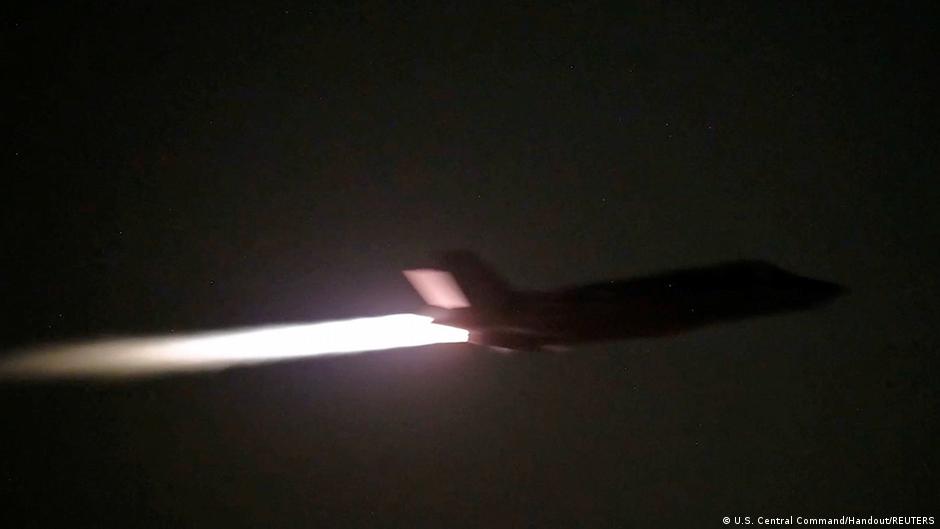
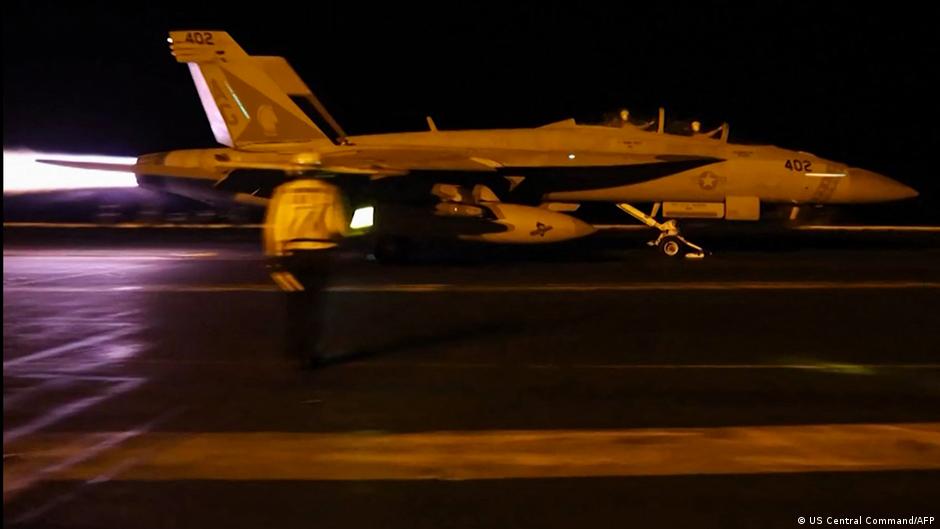
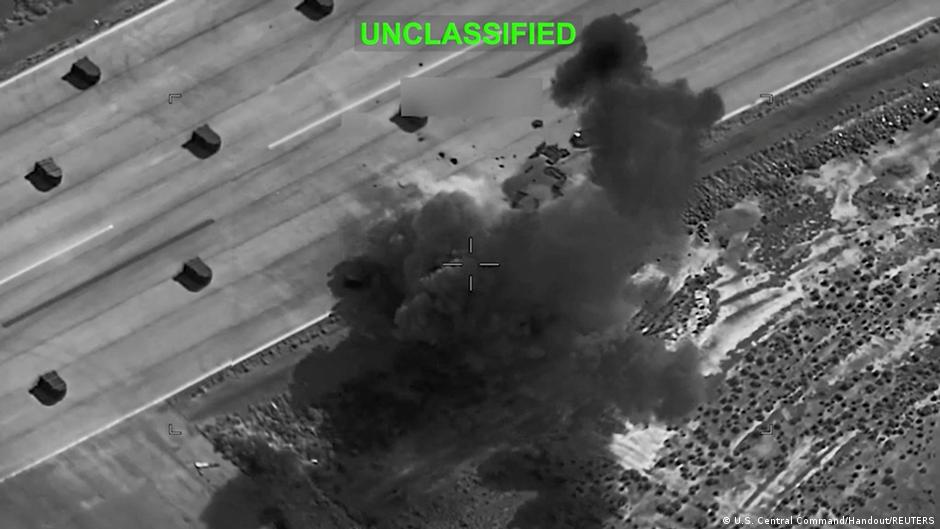
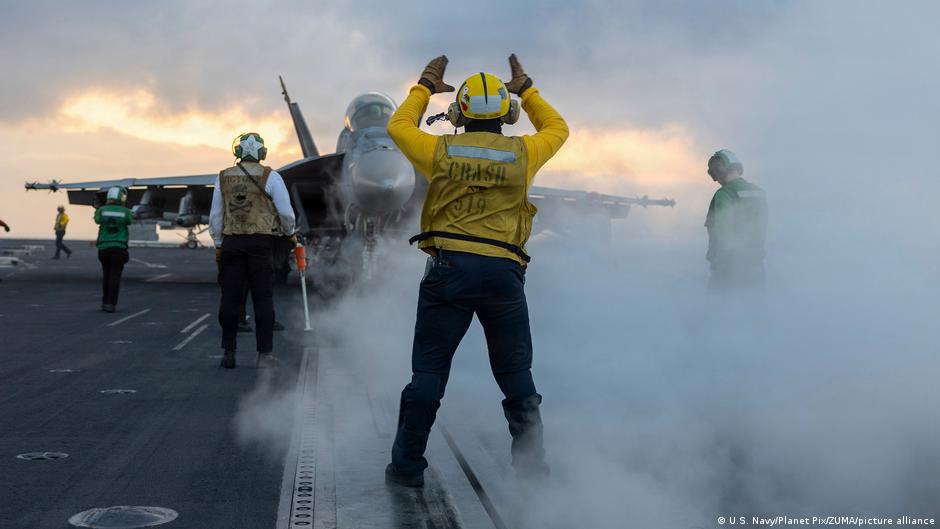
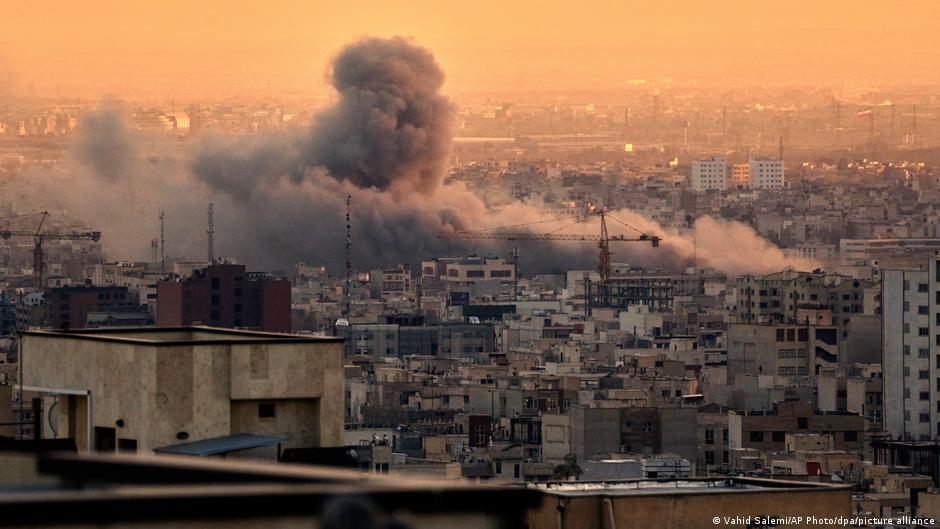
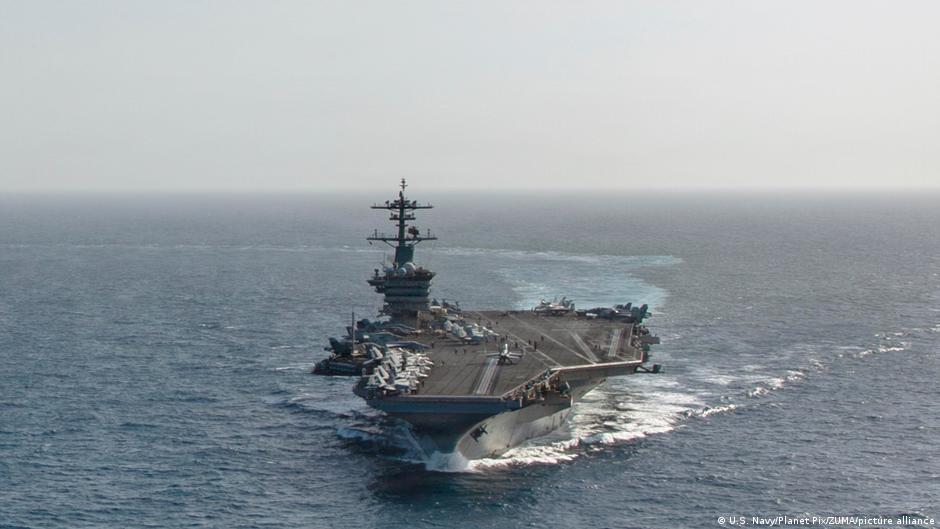
US forces continue 11th night of strikes on Iran, targeting military assets in a bid to secure Strait of Hormuz shipping lanes amid rising regional tensions.

US military strikes on Iran enter tenth day, targeting missile sites and air defenses, escalating regional tensions with implications for global trade, fintech, and cybersecurity.

US military deaths in the Iran conflict have reached 17, intensifying geopolitical risks that impact fintech, digital payments, crypto markets, and cybersecurity worldwide.

US strikes on Iran continue for the ninth night, disrupting Gulf trade routes and impacting energy supply chains, with significant implications for fintech and cybersecurity sectors.

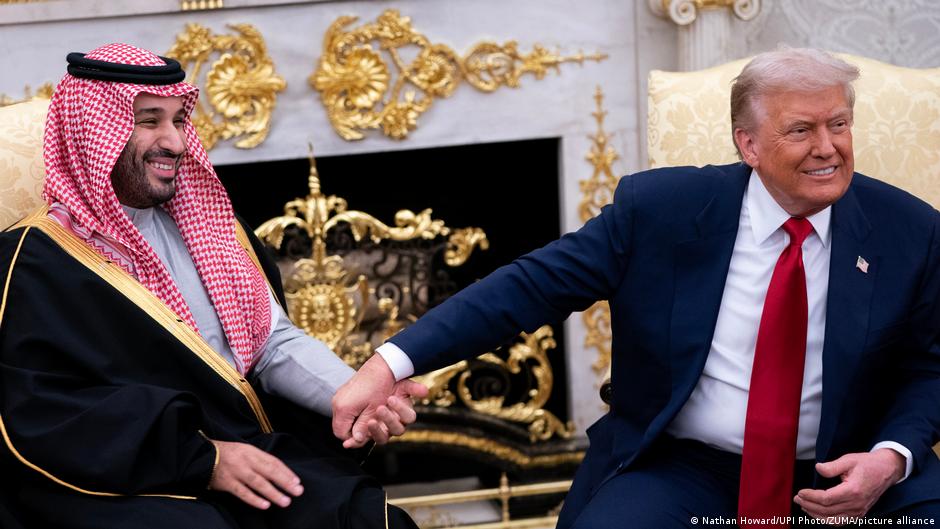
US plans to allow Saudi Arabia uranium enrichment without strict IAEA oversight raise nuclear proliferation risks and impact fintech, cybersecurity, and tech investments.

The US is advancing plans to restore an Iraq-Syria oil pipeline bypassing the Strait of Hormuz, aiming to reduce Iran's influence and reshape regional energy routes.

US military strikes on Iran escalate tensions, closing the Strait of Hormuz and disrupting global oil flows with significant implications for fintech, digital payments, and cybersecurity.

The death of Iran’s Supreme Leader Ali Khamenei and subsequent regional tensions pose risks to digital banking, payments, and cybersecurity in the Middle East’s fintech sector.

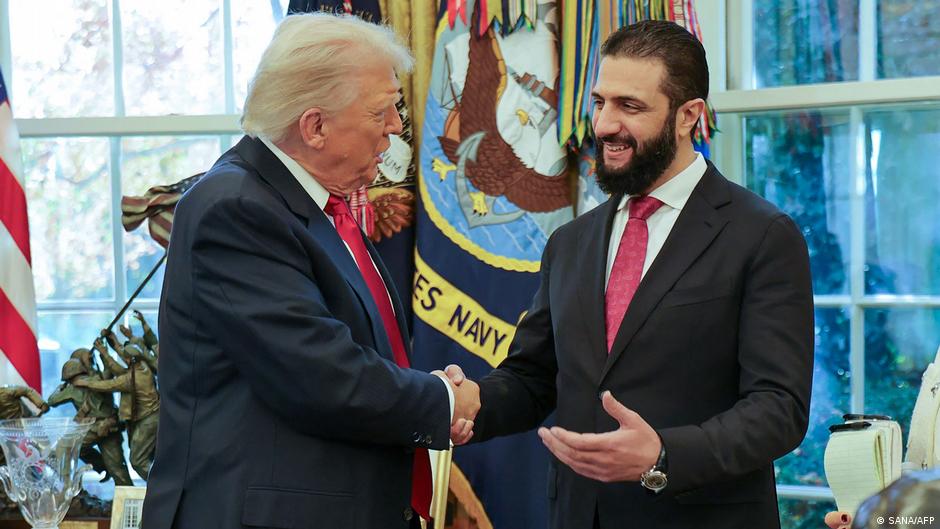
The US plans to remove Syria from the terrorism sponsorship list, opening doors for investment and digital economic integration amid new diplomatic ties.

US airstrikes on Iranian military sites followed Iran's drone attack on a commercial vessel in the Strait of Hormuz, escalating risks to maritime security and impacting global trade and fintech sectors.

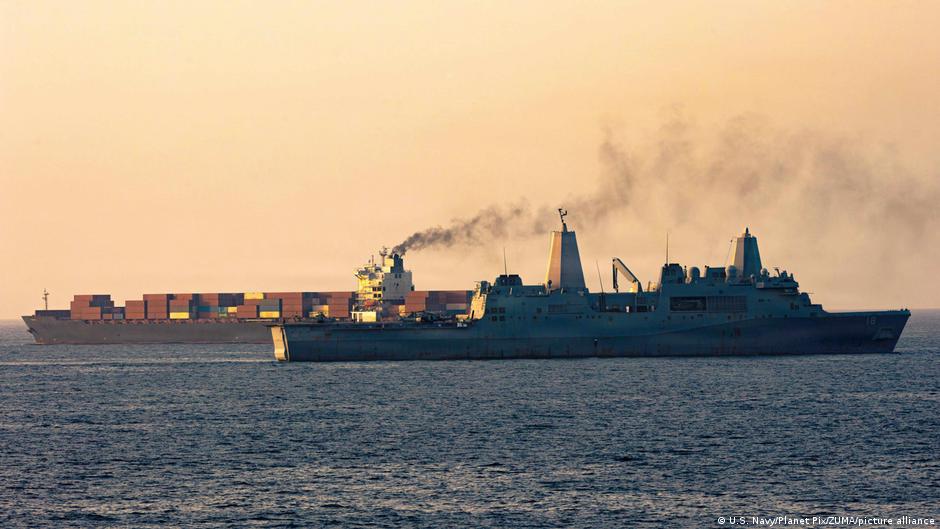
The US may impose fees on ships passing through the Strait of Hormuz amid Iran deal uncertainty, affecting energy trade and digital payment systems in a key maritime corridor.

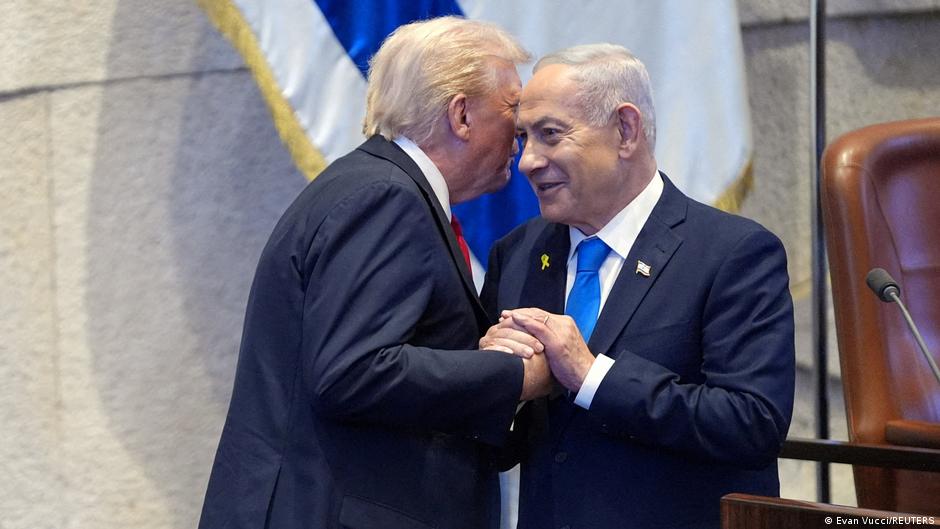
US intelligence warns that Israeli Prime Minister Netanyahu may try to disrupt the US-Iran deal, raising concerns about regional stability and potential impacts on fintech and digital economy sectors.

US envoy Stephen Whitlock arrives in Switzerland to resume Iran nuclear deal talks amid regional conflicts affecting financial and digital economy prospects.

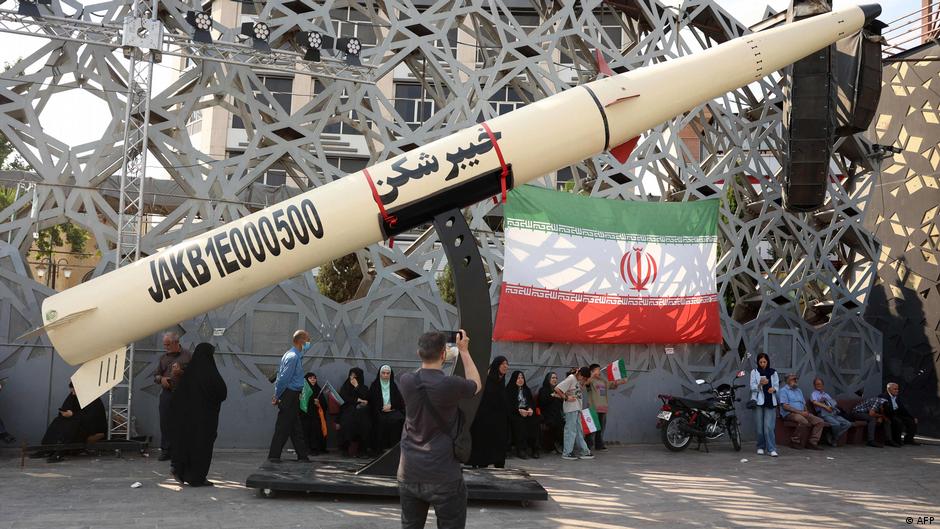
Iran has replenished its missile arsenal to three-quarters of pre-conflict levels, likely aided by Russian weapons transfers during a truce with the US, impacting regional security and energy markets.

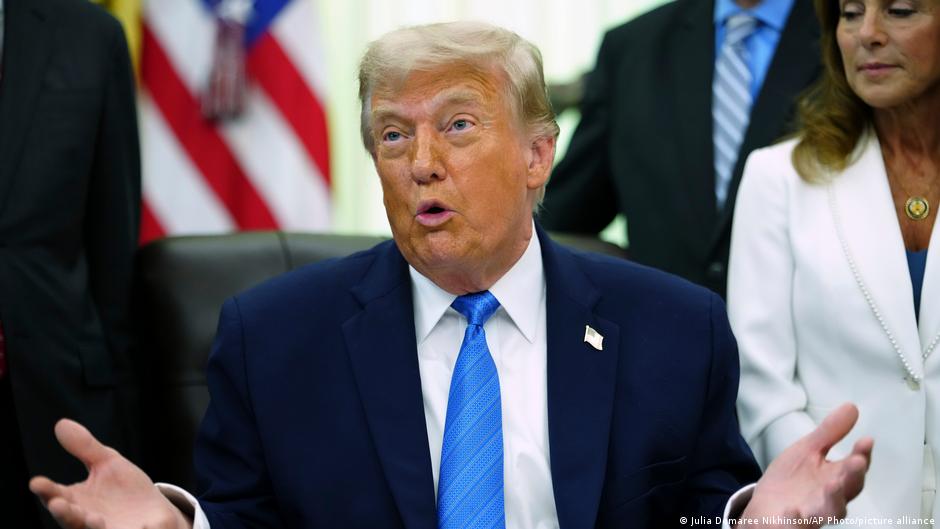
Trump cancels planned US strikes on Iran amid diplomatic progress, impacting energy flows, cybersecurity risks, and fintech markets in the Middle East.

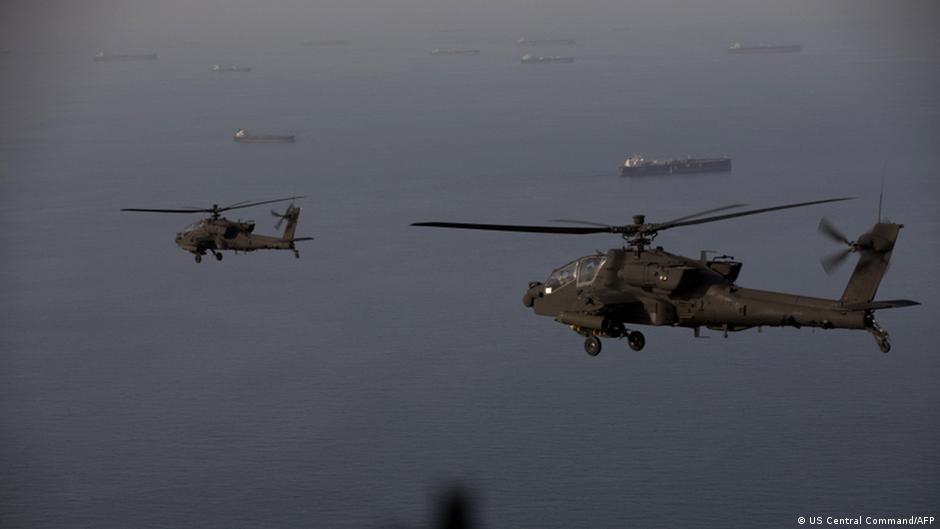
US forces struck Iranian air defenses after Iran downed a US Apache helicopter near the Strait of Hormuz, heightening regional security and financial market risks.

Israeli airstrikes on Iran escalate tensions amid US-led peace talks, posing risks to fintech, digital payments, cybersecurity, and tech sector stability in the Middle East.

Israel and Lebanon, with US mediation, agreed on a ceasefire requiring Hezbollah’s withdrawal and new security zones, aiming to stabilize the region and support economic resilience.

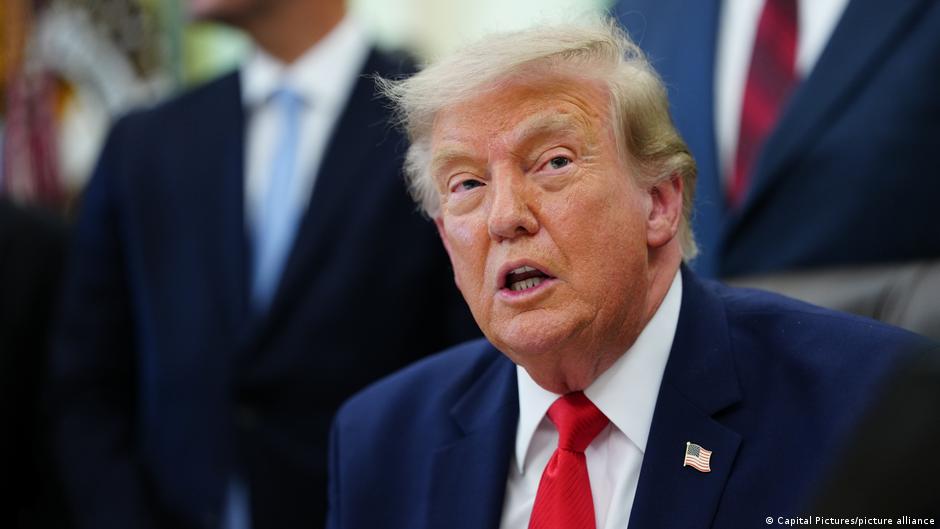
Donald Trump harshly criticized Israeli PM Netanyahu over Lebanon strikes, highlighting risks to regional stability and US diplomatic efforts amid escalating conflict.

The US disabled a Gambian-flagged vessel heading to Iran after repeated warnings amid ongoing blockade enforcement in the Strait of Hormuz, affecting regional trade and digital finance.

US military launched defensive strikes on Iranian missile sites and mine-laying vessels amid a fragile ceasefire, raising implications for fintech, cybersecurity, and tech stocks.

Donald Trump postponed a planned May 19 military strike on Iran after Gulf leaders intervened, as serious negotiations aim to prevent conflict and impact fintech sectors.

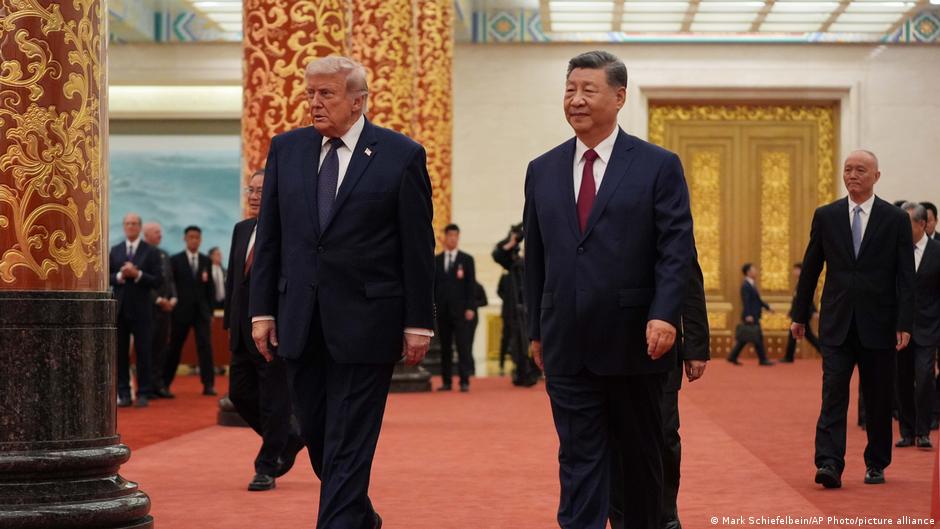
Donald Trump reveals China’s interest in US oil and soybean purchases, signaling shifts in trade relations with implications for energy, commodities, and fintech sectors.

The potential relocation of US troops from Germany to Poland may accelerate digital defense investments and impact cybersecurity and fintech sectors in Eastern Europe.

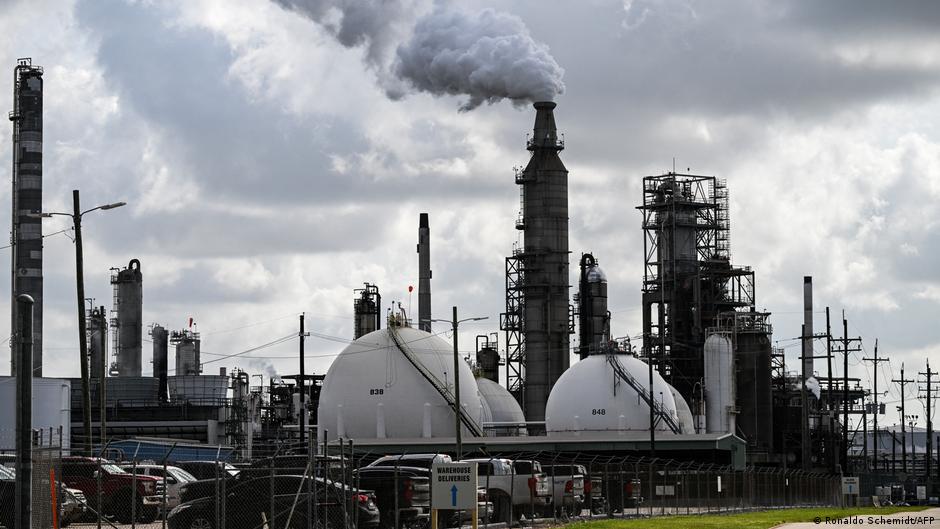
Global oil stocks fell by a record 200 million barrels in April amid Middle East conflict, tightening supplies and raising energy market volatility with broad fintech sector implications.

Iran has submitted a 14-point peace plan to the US demanding sanctions relief and naval guarantees, with significant implications for fintech, digital payments, and regional stability.

The US plans to withdraw 5,000 troops from Germany within a year, a move with potential implications for transatlantic cybersecurity and fintech collaboration.

US warns European allies of significant delays in missile system ammunition shipments due to urgent replenishment amid conflict with Iran, impacting defense supply chains and allied readiness.

Oxfam reports a 56% rise in CEO pay in Germany's top companies since 2019, while worker wages remain below pre-pandemic levels, intensifying income inequality.

The US stops sending negotiators to Pakistan for talks with Iran, shifting to secure digital communications amid ongoing ceasefire discussions in the Middle East.

The US-mediated truce extension between Israel and Lebanon offers potential stability to enhance fintech and digital economy growth in the region.

Lufthansa plans to cancel 20,000 flights and retire older aircraft to reduce aviation fuel consumption by over 40,000 tons amid the ongoing energy crisis.

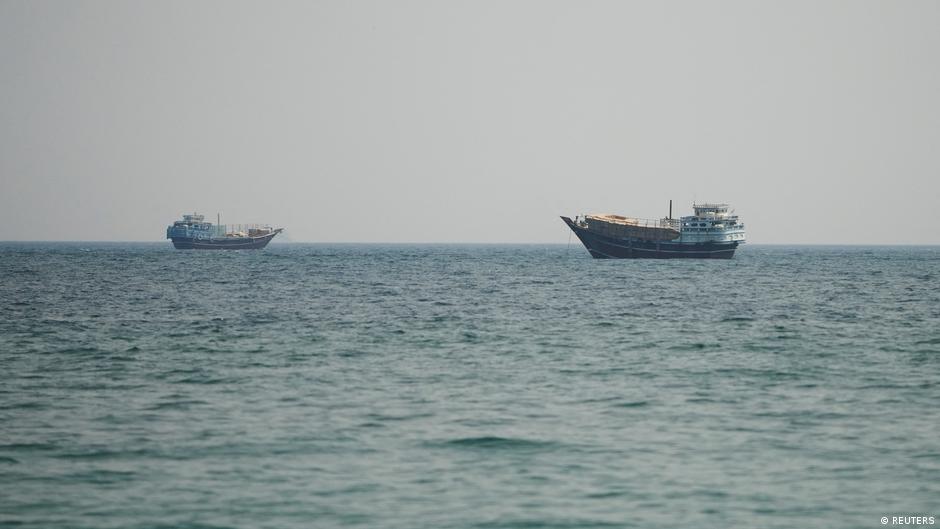
US forces seized an Iranian cargo ship in the Gulf of Oman, escalating tensions and impacting regional fintech, digital payments, and cybersecurity amid ongoing maritime conflicts.

Geopolitical tensions in Iran trigger aviation fuel shortages, forcing airlines to cut flights and prompting calls for coordinated EU response amid economic and fintech sector impacts.

The US has extended its waiver on sanctions for Russian oil shipments until May 16, raising concerns about sanction evasion and implications for fintech compliance and digital payments.

Trump rejects NATO help securing Strait of Hormuz, calling alliance ineffective. European nations lead peaceful mission to protect vital shipping lanes amid Middle East tensions.