Latvia Publishes List of Companies Maintaining Trade with Russia Amid Conflict
Latvia has published a list of 170 companies maintaining trade with Russia and Belarus despite the Ukraine war, impacting transparency and digital economy sectors.

Latvia has published a list of 170 companies maintaining trade with Russia and Belarus despite the Ukraine war, impacting transparency and digital economy sectors.

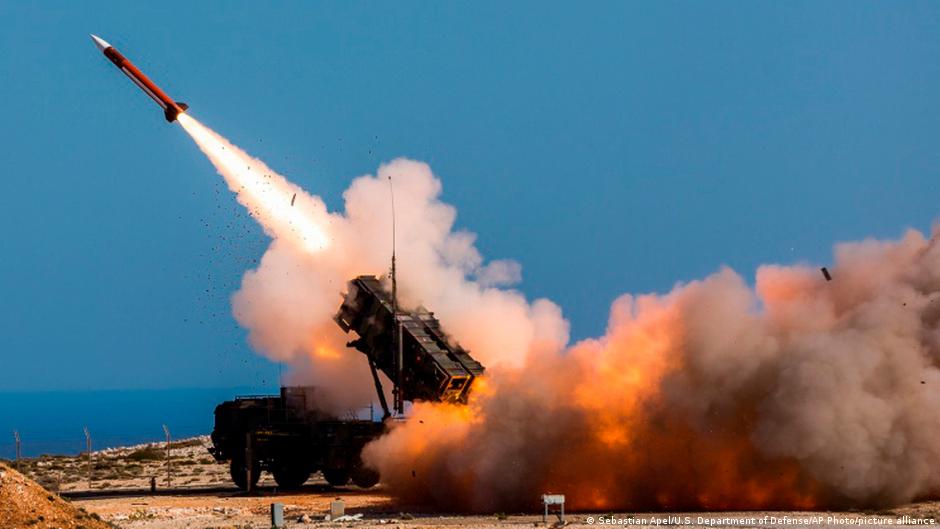
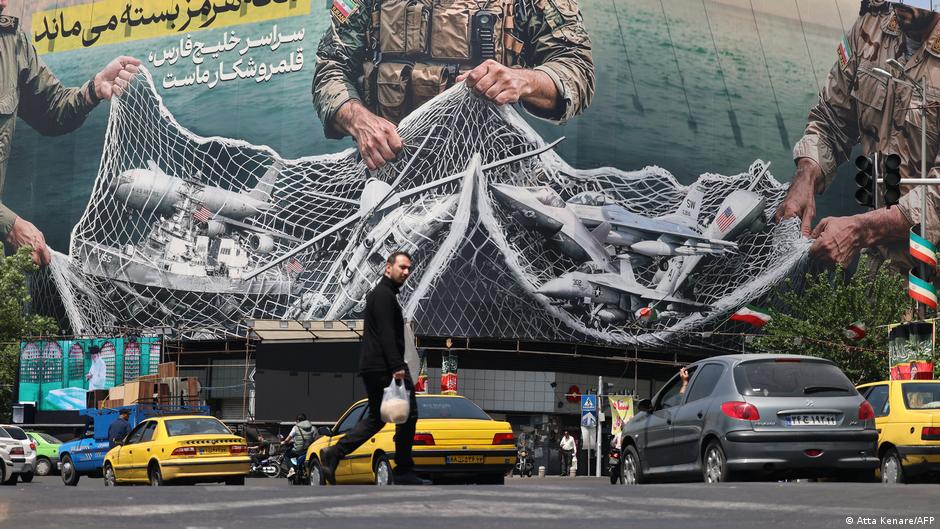
NATO affirms readiness to counter potential Iranian strikes on European military sites, highlighting cybersecurity and fintech risks amid rising geopolitical tensions.

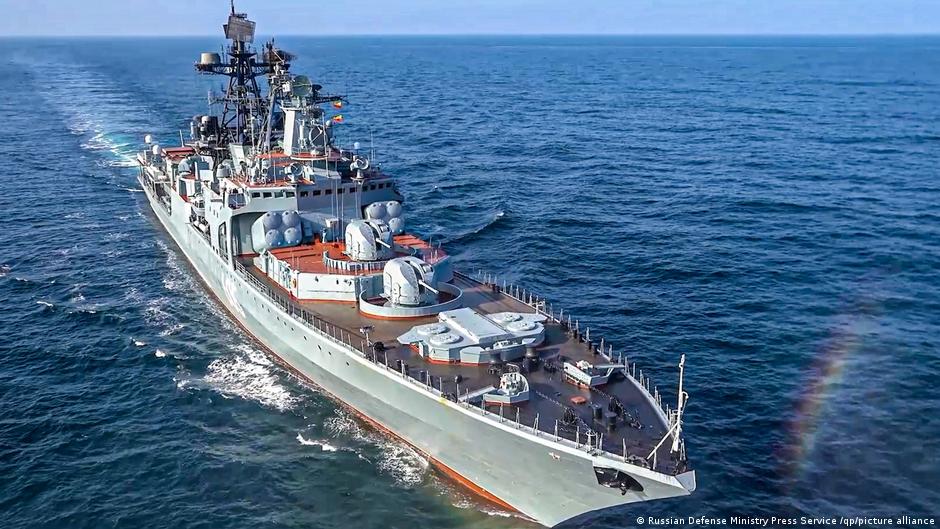
Russia moves its anti-submarine ship Admiral Levchenko to the Baltic Sea to secure shadow fleet operations, impacting maritime security and fintech risk management.

Greece's spike in Schengen visa denials for Russians challenges travel and fintech sectors amid stricter EU security policies impacting payments and digital banking.

Russia’s July oil and gas revenues could rise 60% year-on-year due to global price increases, despite sanctions aiming to limit its energy export earnings.

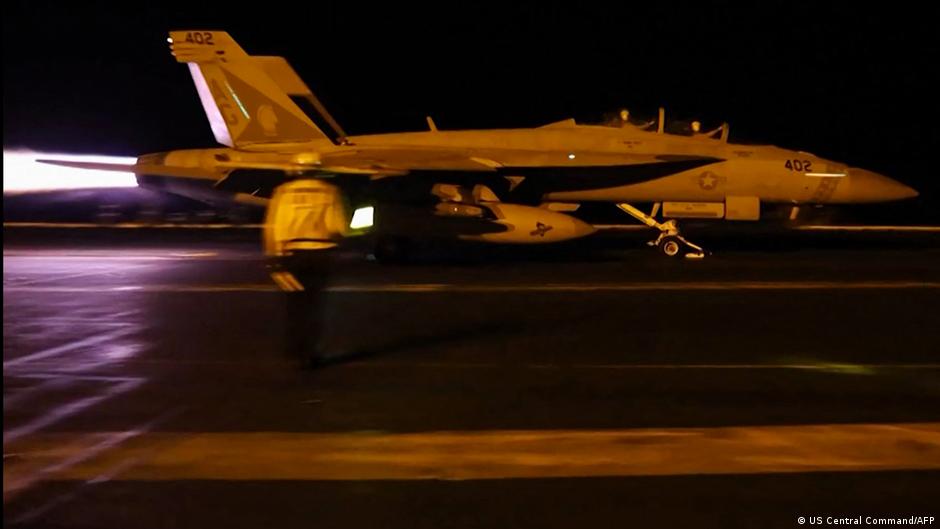
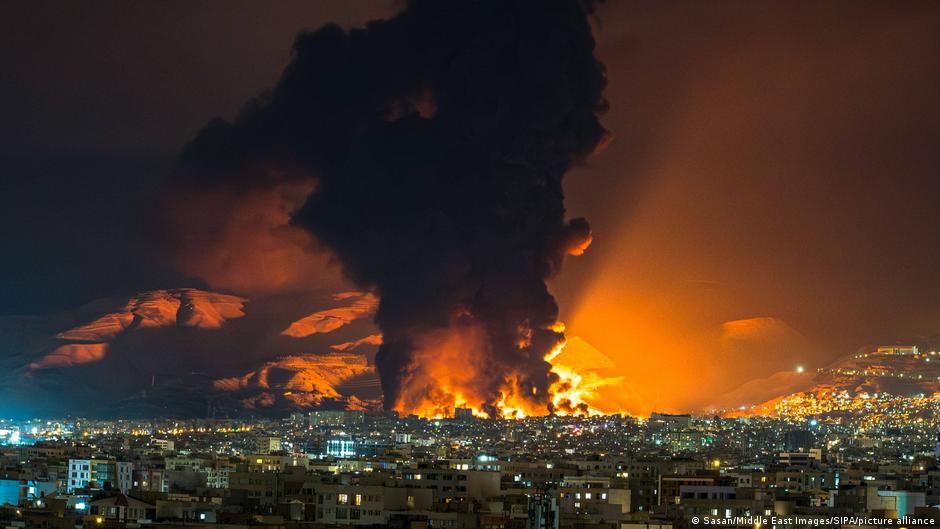
US military strikes on Iran enter tenth day, targeting missile sites and air defenses, escalating regional tensions with implications for global trade, fintech, and cybersecurity.

The EU recommends cutting €2 million funding to the Venice Biennale due to Russia's participation amid sanctions concerns, highlighting challenges at the intersection of culture, politics, and finance.

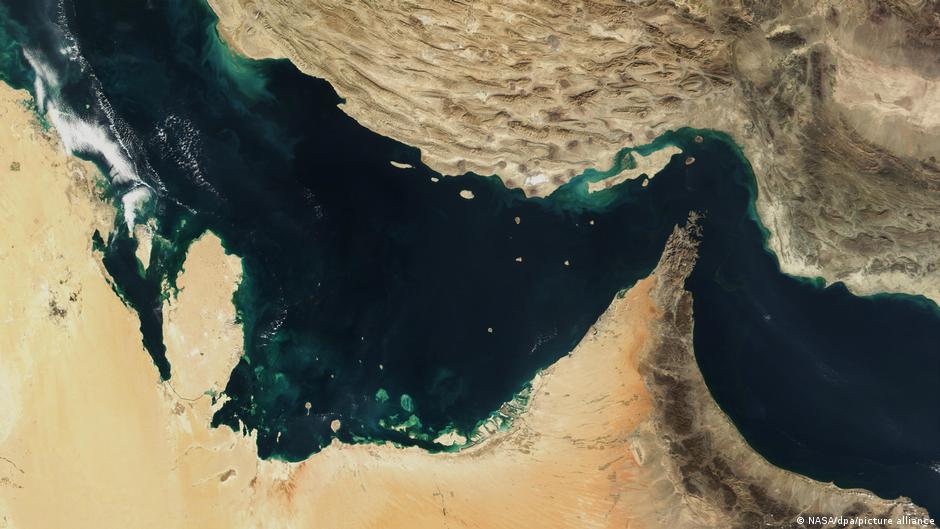
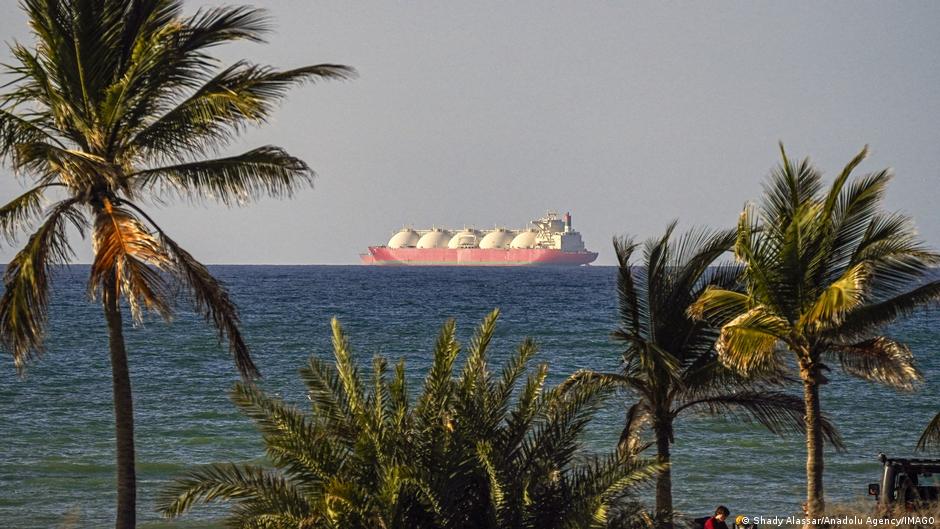
US military strikes on Iran target maritime infrastructure in the Strait of Hormuz, raising risks for global trade, energy markets, and fintech payment ecosystems amid escalating tensions.

Poland deported 11 individuals linked to Russia-funded protests aimed at influencing Ukrainian refugee communities, highlighting risks in digital payment systems used in geopolitical campaigns.

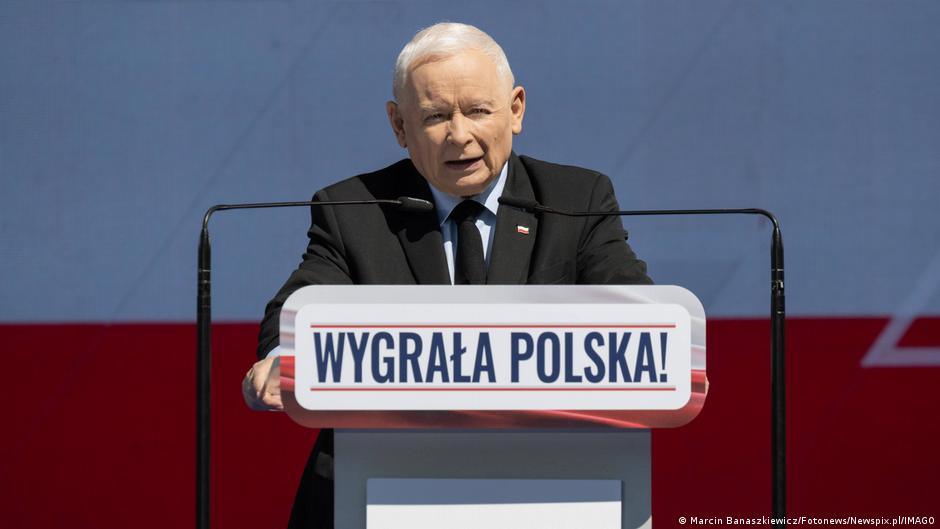
Polish opposition leader Jarosław Kaczyński urges blocking Ukraine's EU accession, citing diplomatic tensions and domestic political concerns amid ongoing regional challenges.

Finland has repealed its ban on importing nuclear weapons, a move that carries significant implications for national security and the fintech sector’s cybersecurity and digital payment systems.

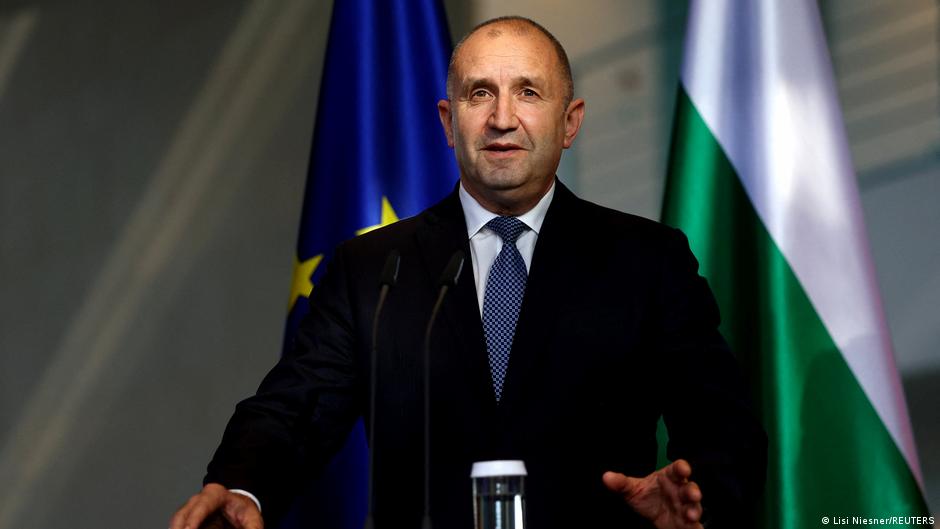
Bulgaria plans to veto new EU sanctions on Russia due to economic risks and opposition to sanctions against Patriarch Kirill, raising concerns about energy and supply chain impacts.

The US has lifted its naval blockade of the Strait of Hormuz, enabling record oil shipments and initiating a 60-day negotiation period with Iran to finalize a peace deal.

France, Germany, UK, and Italy endorse the US-Iran peace deal, stressing rapid implementation, nuclear non-proliferation, and restoring fuel supply through the Strait of Hormuz.

US strikes on Iran triggered Tehran's closure of the Strait of Hormuz, threatening global energy flows and digital payment systems amid escalating regional conflict.

Georgia arrests Russian Tatiana Kurashkevich over sanctions evasion amid FBI request, spotlighting risks in cross-border fintech compliance and financial crime enforcement.

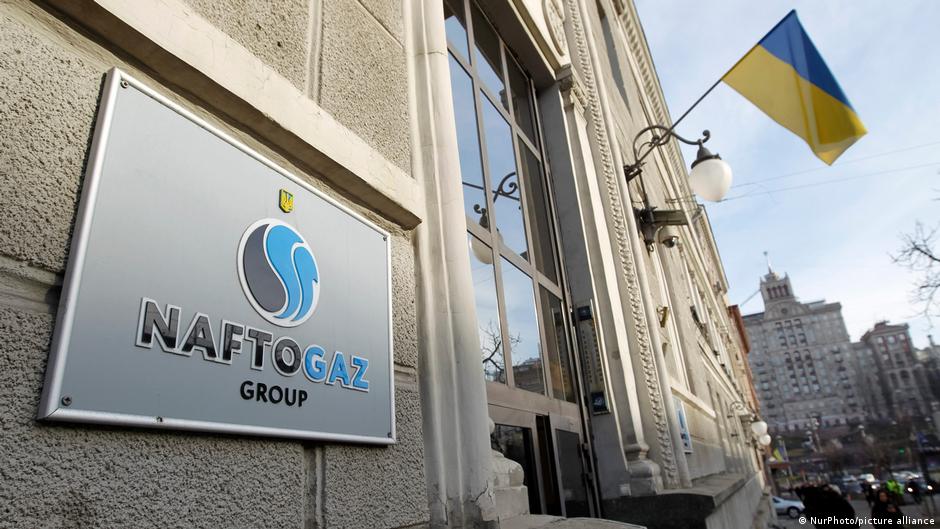
Finland has seized €3.7 million in Russian assets following Ukraine's Naftogaz efforts to enforce a $5 billion arbitration award related to seized Crimean property.

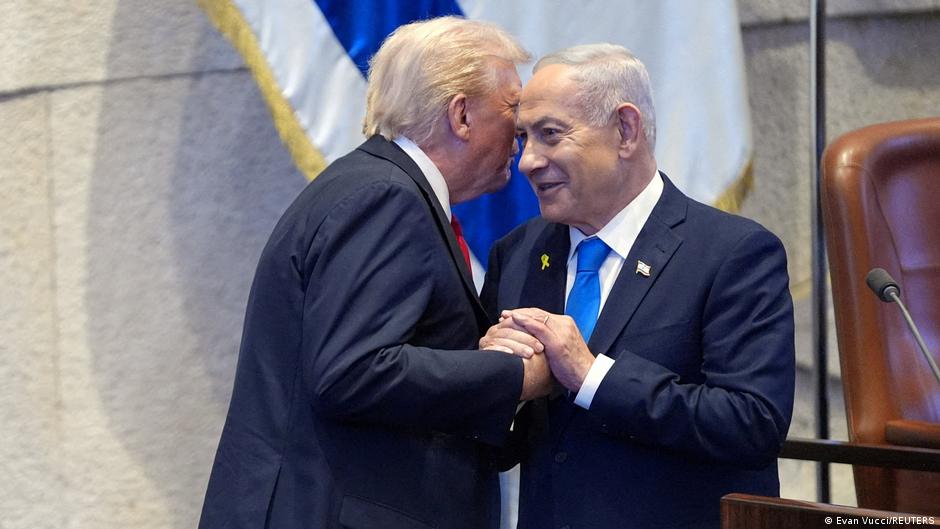
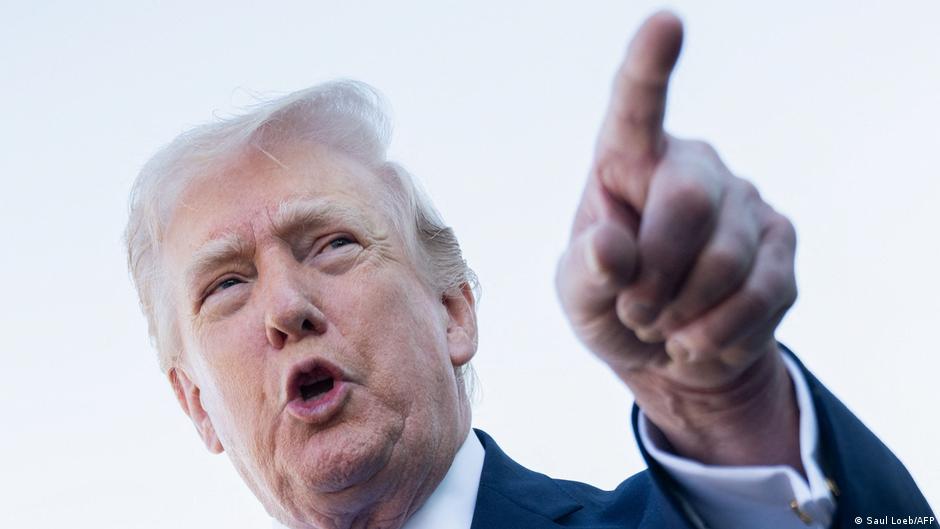
Donald Trump harshly criticized Israeli PM Netanyahu over Lebanon strikes, highlighting risks to regional stability and US diplomatic efforts amid escalating conflict.

Western governesses provide language education to Putin's alleged children, reflecting significant private spending and meticulous language immersion strategies.

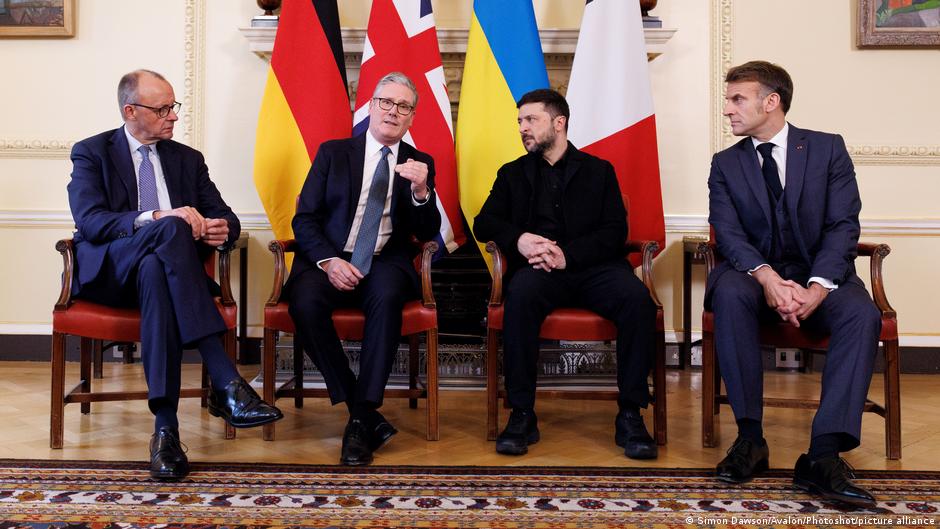
Ukraine and European leaders discuss enhanced diplomatic efforts and defense support to end Russia's war, highlighting shifts in geopolitical and digital economic dynamics.

US charges former Cuban leader Raul Castro over 1996 killing of US citizen pilots amid rising geopolitical tensions that may impact digital finance and cross-border payments.

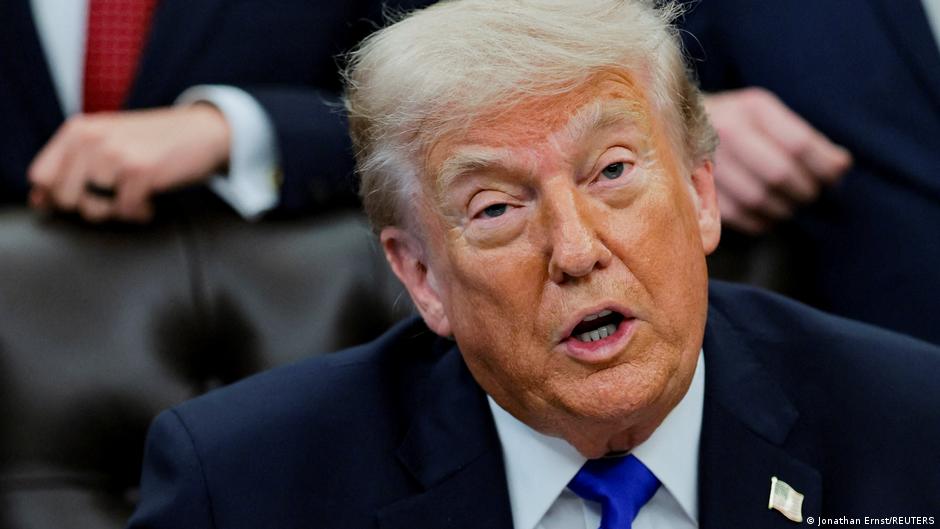
Donald Trump postponed a planned May 19 military strike on Iran after Gulf leaders intervened, as serious negotiations aim to prevent conflict and impact fintech sectors.

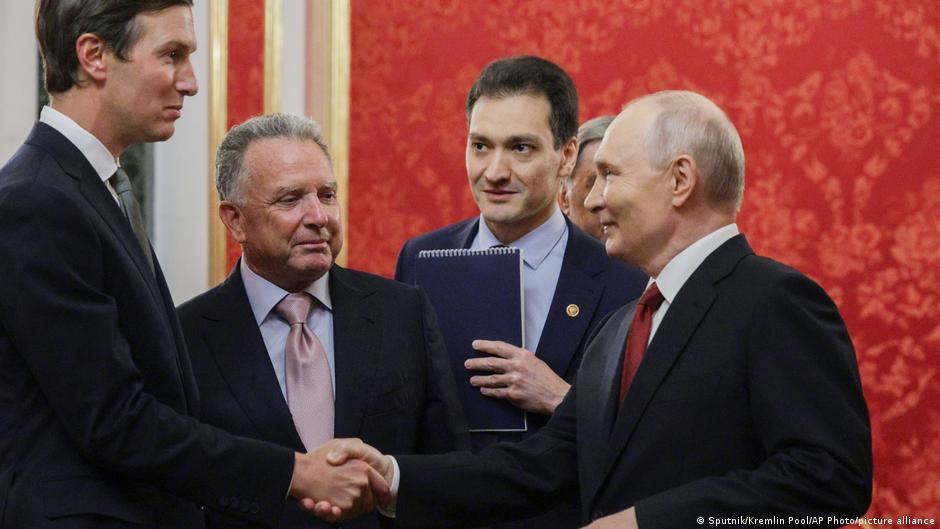
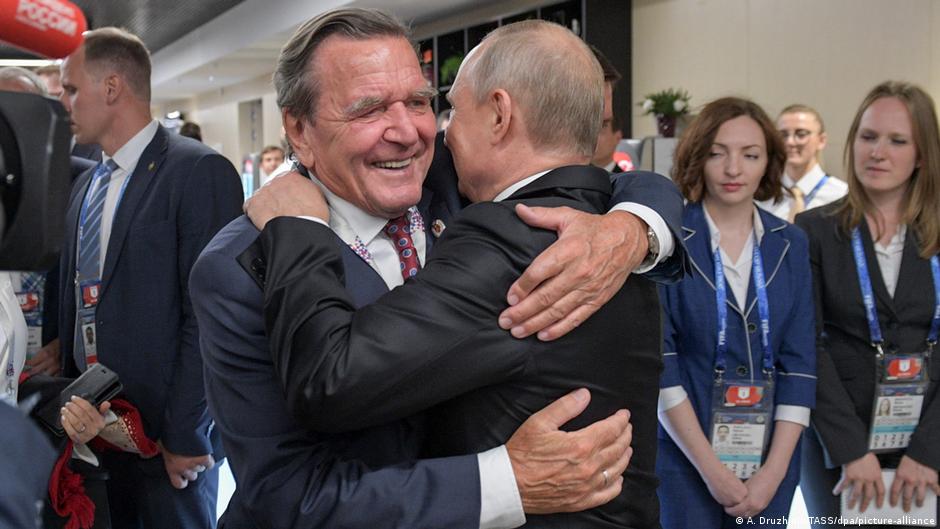
Putin names Gerhard Schröder as preferred EU negotiator on Ukraine, signaling potential shifts in diplomatic and economic landscapes affecting fintech and digital markets.

Iran mandates detailed digital vessel data submissions for passage through the Strait of Hormuz, impacting maritime security and financial compliance in the region.

US-Iran talks near a breakthrough could ease sanctions and open new opportunities in digital payments, fintech, and cybersecurity sectors.

Iran has submitted a 14-point peace plan to the US demanding sanctions relief and naval guarantees, with significant implications for fintech, digital payments, and regional stability.

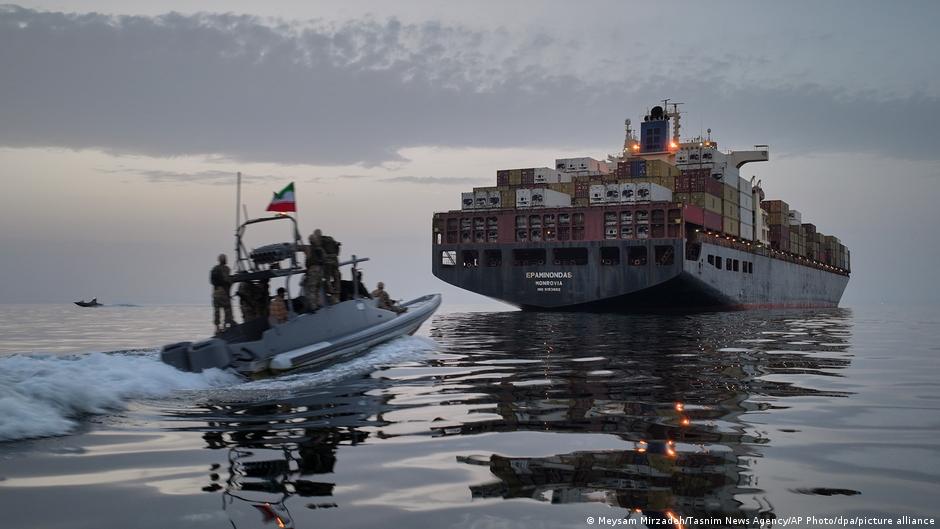
US forces seized an Iranian cargo ship in the Gulf of Oman, escalating tensions and impacting regional fintech, digital payments, and cybersecurity amid ongoing maritime conflicts.