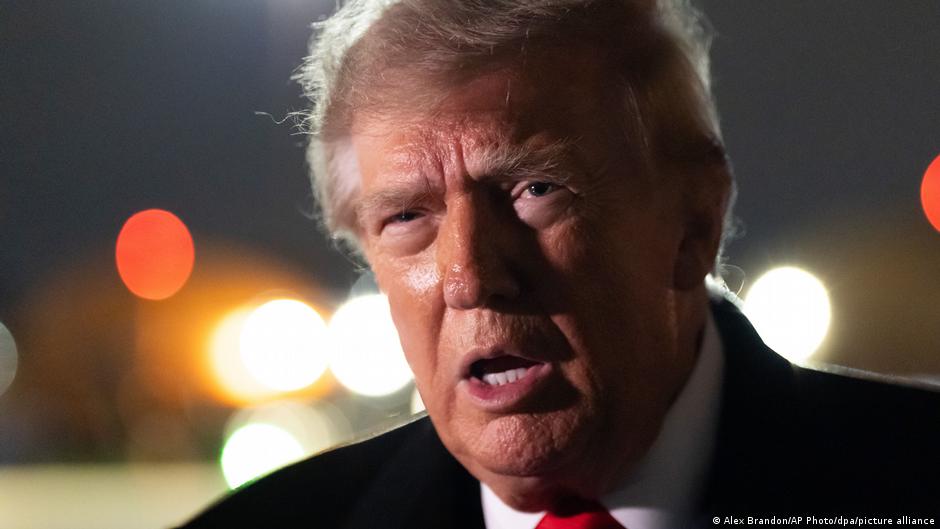
US Plans to Declare Strait of Hormuz American Territory Amid Geopolitical Tensions
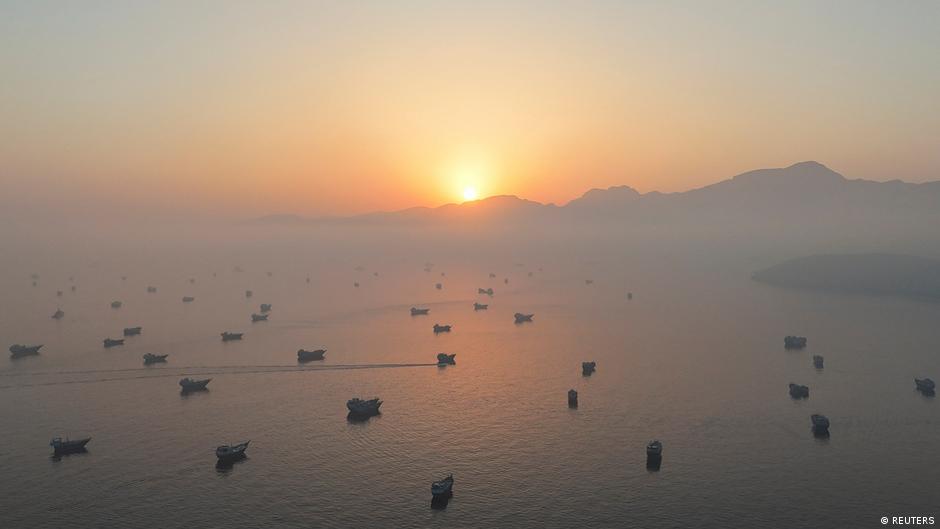
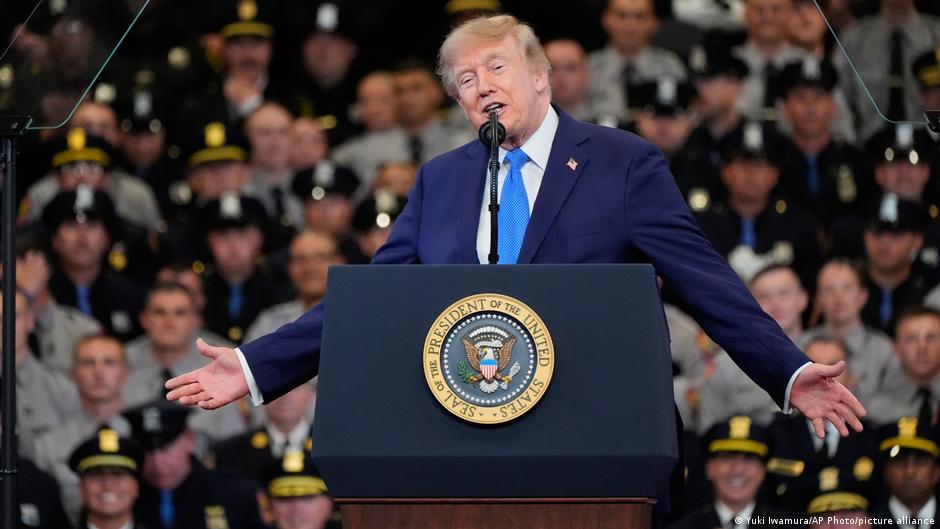
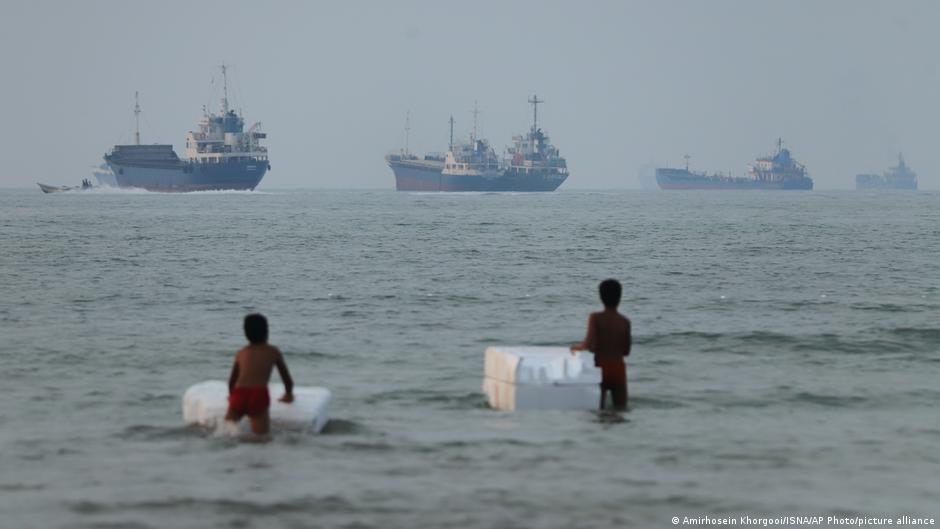
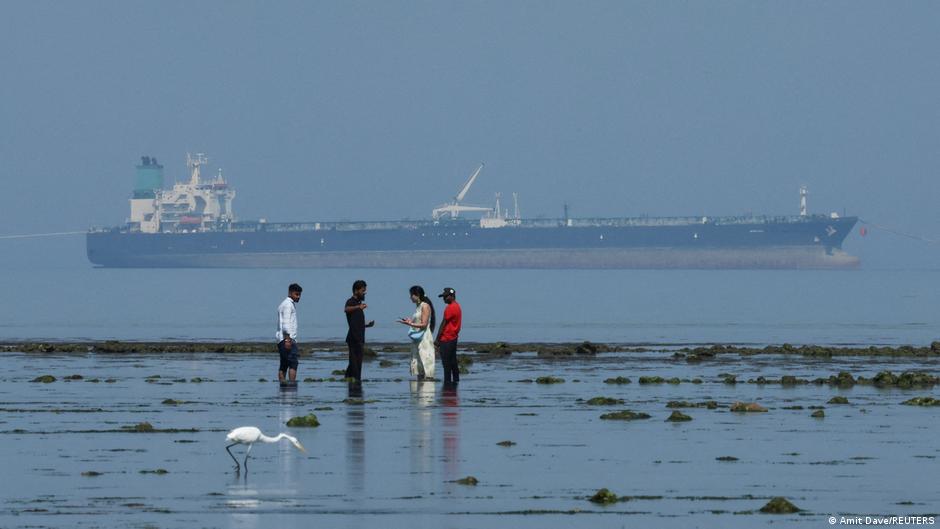
President Trump plans to declare the Strait of Hormuz U.S. territory, affecting global energy security and digital financial markets amid ongoing U.S.-Iran tensions.

President Trump plans to declare the Strait of Hormuz U.S. territory, affecting global energy security and digital financial markets amid ongoing U.S.-Iran tensions.

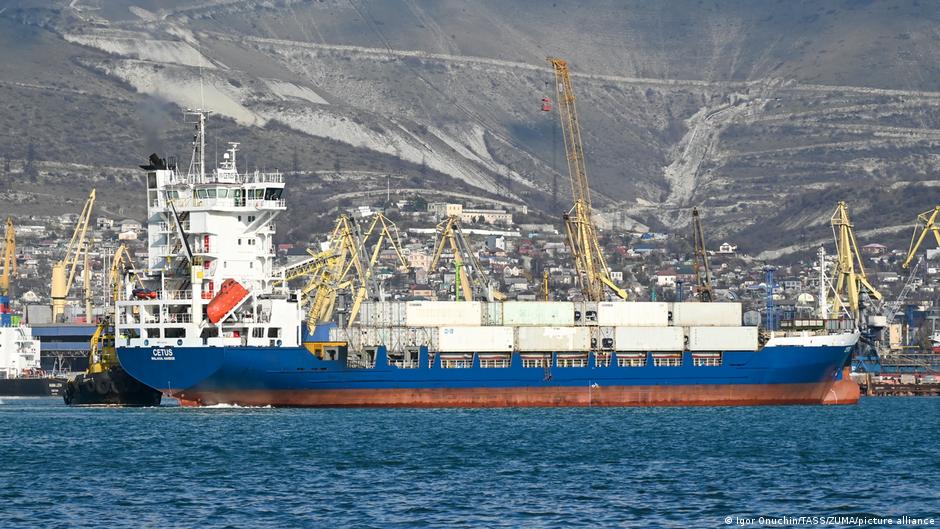
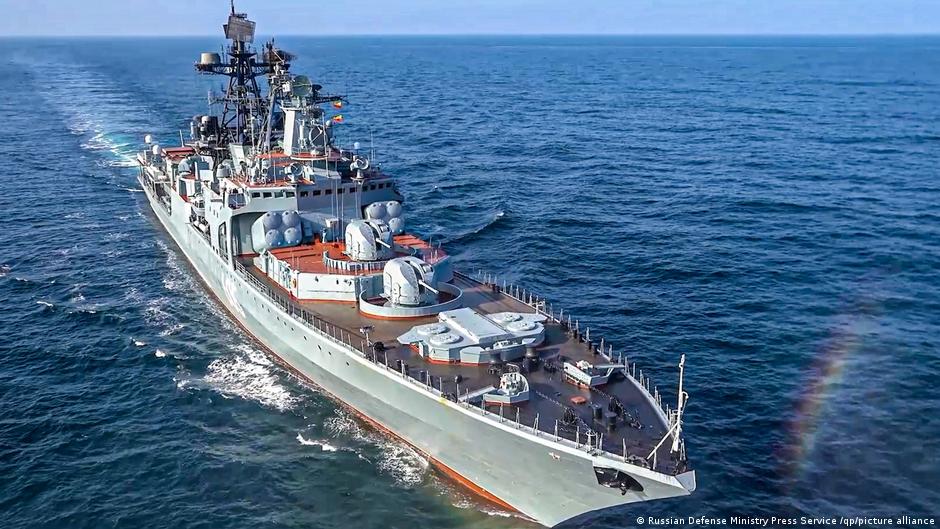
Russia moves its anti-submarine ship Admiral Levchenko to the Baltic Sea to secure shadow fleet operations, impacting maritime security and fintech risk management.

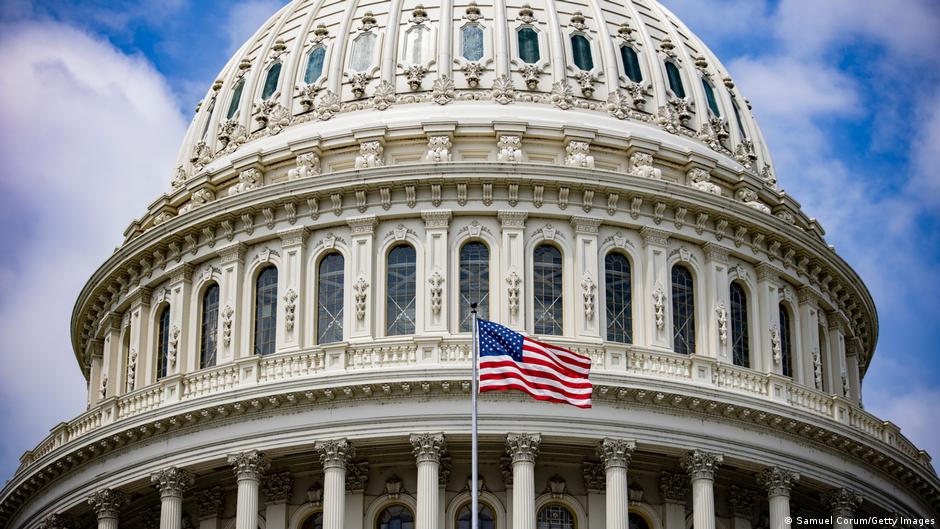
The US Senate advances a bill imposing heavy tariffs on Russia, with broad implications for fintech, digital banking, and sanctions compliance.

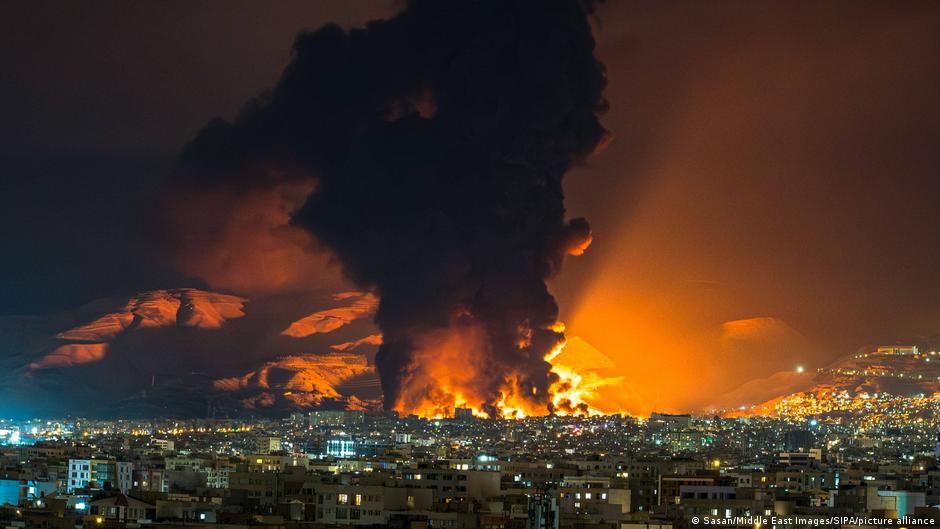
US military strikes on Iran target maritime infrastructure in the Strait of Hormuz, raising risks for global trade, energy markets, and fintech payment ecosystems amid escalating tensions.

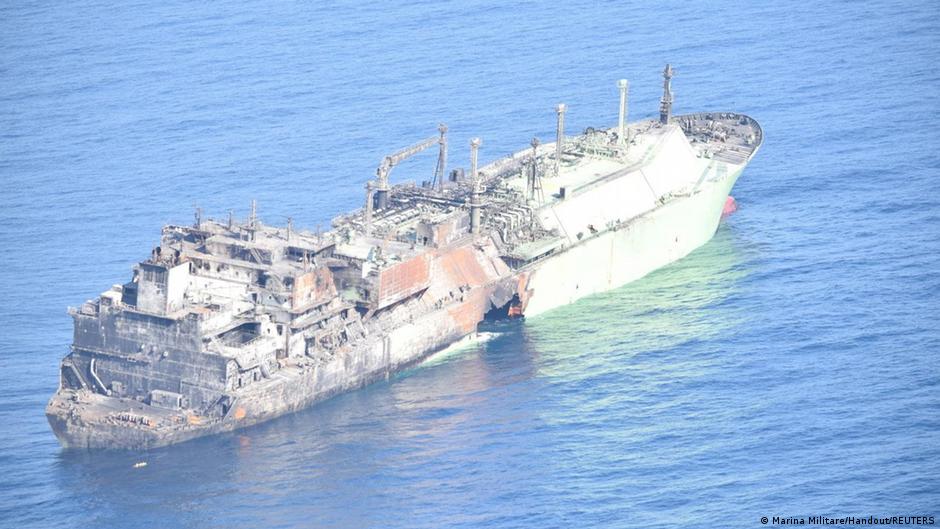
US military strikes on Iran retaliate against tanker attacks in the Strait of Hormuz, raising risks for maritime trade, energy markets, and digital financial ecosystems.

France, Germany, UK, and Italy endorse the US-Iran peace deal, stressing rapid implementation, nuclear non-proliferation, and restoring fuel supply through the Strait of Hormuz.

The US House has passed a bill boosting military aid to Ukraine and expanding presidential powers to impose sanctions on Russia, pending Senate approval.

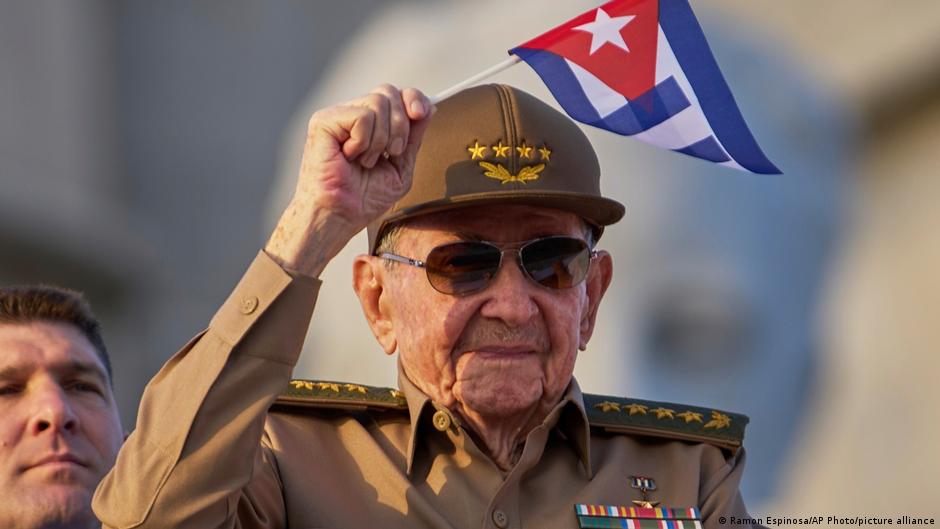
US charges former Cuban leader Raul Castro over 1996 killing of US citizen pilots amid rising geopolitical tensions that may impact digital finance and cross-border payments.

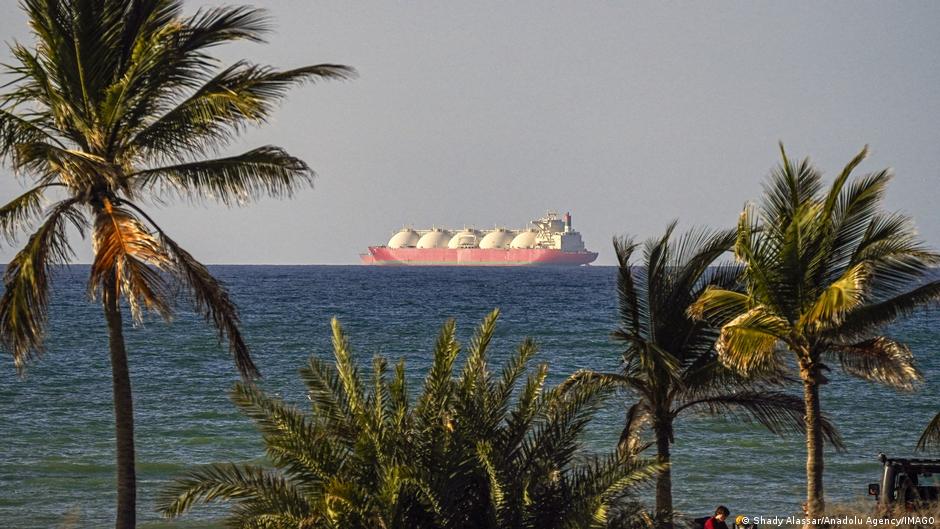
The UK has authorized indefinite imports of diesel and kerosene refined from Russian oil in third countries, easing sanctions to stabilize fuel supplies amid rising energy costs and geopolitical tensions.

US forces seized an Iranian cargo ship in the Gulf of Oman, escalating tensions and impacting regional fintech, digital payments, and cybersecurity amid ongoing maritime conflicts.