US Army Secretary Resigns Amid Pentagon Rift, Raising Questions for Defense Tech
Daniel Driscoll's reported resignation adds uncertainty around Pentagon procurement, cybersecurity priorities and defense-tech market signals.

Daniel Driscoll's reported resignation adds uncertainty around Pentagon procurement, cybersecurity priorities and defense-tech market signals.

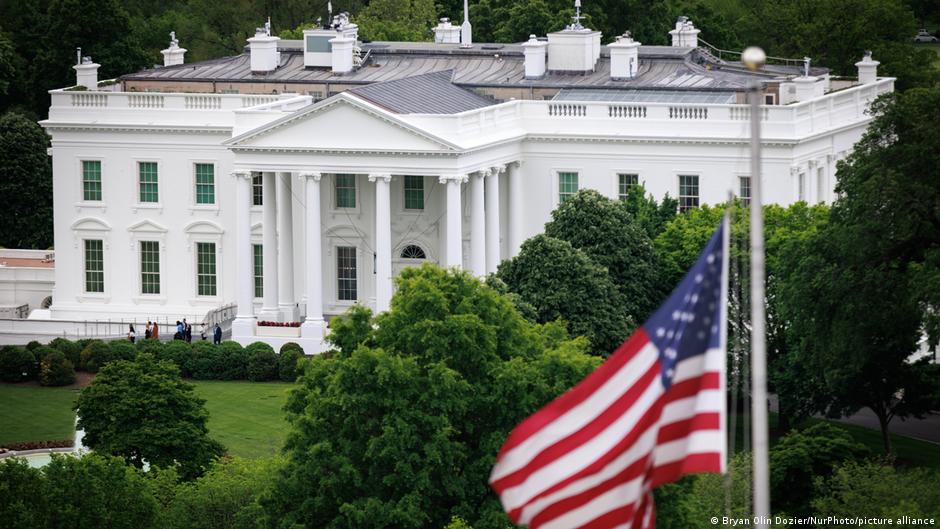
The US Supreme Court ruled in favor of Trump’s White House renovation plans, allowing construction of a ballroom and military bunker to proceed amidst national security claims.

The US has imposed tariffs of up to 100% on imported drones and components to reduce foreign dependence and enhance national security amid cybersecurity concerns.

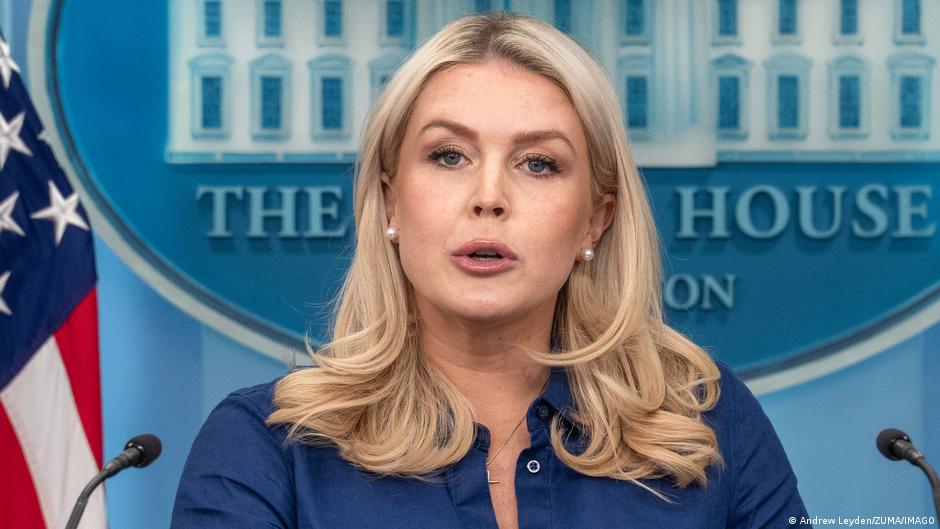
Caroline Leavitt resigns as White House Press Secretary to focus on family, prompting notable shifts in political communication during a critical period for digital economy policies.

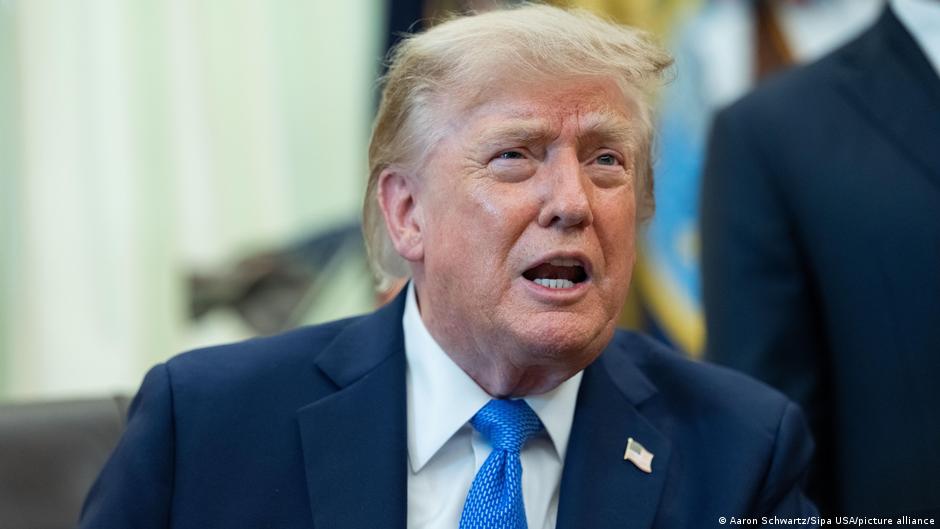
Former President Donald Trump criticizes the Biden administration for depleting US missile stockpiles due to aid to Ukraine, stressing the need to prioritize domestic military readiness.

US-Iran talks resume August 3 with postponed strikes, impacting fintech, digital banking, and cybersecurity amid ongoing regional tensions.

The US Senate advances a bill imposing heavy tariffs on Russia, with broad implications for fintech, digital banking, and sanctions compliance.

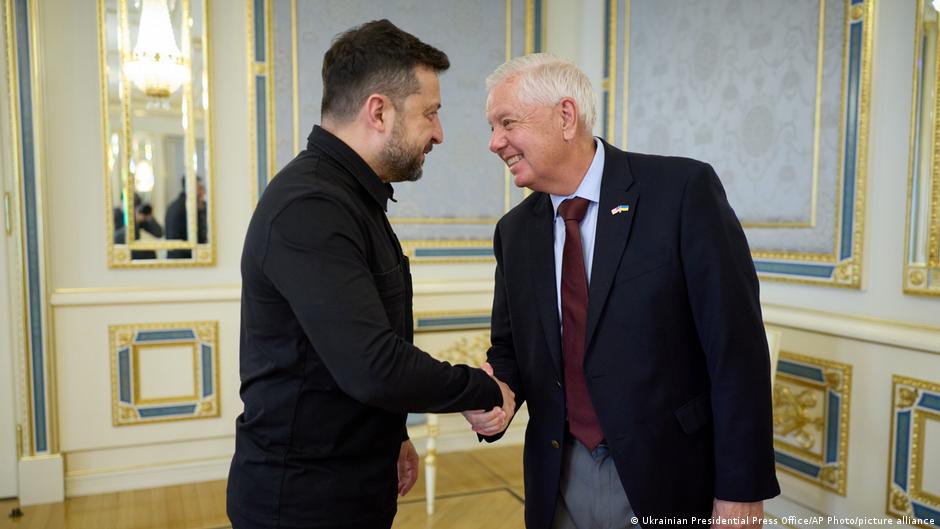
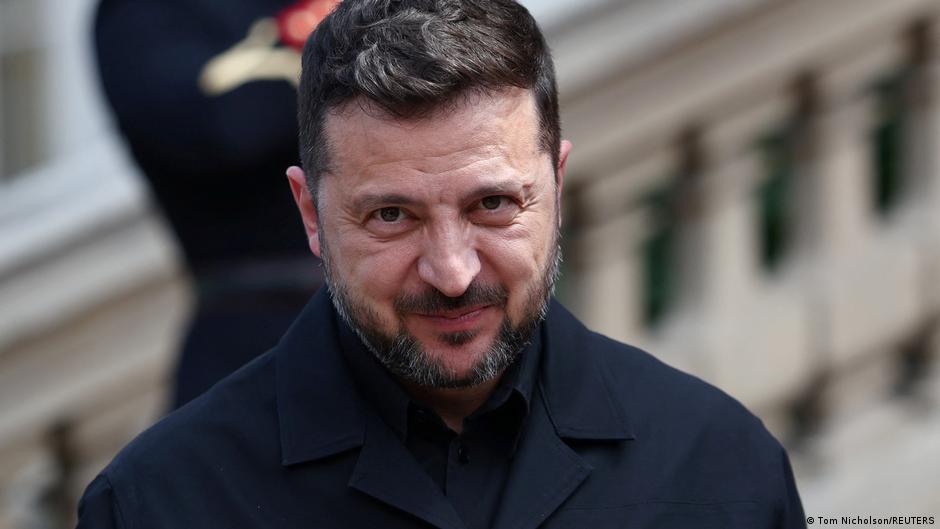
President Zelensky visits Washington where the US Senate will vote on new sanctions against Russia, underscoring rising geopolitical tensions impacting fintech and global payments.

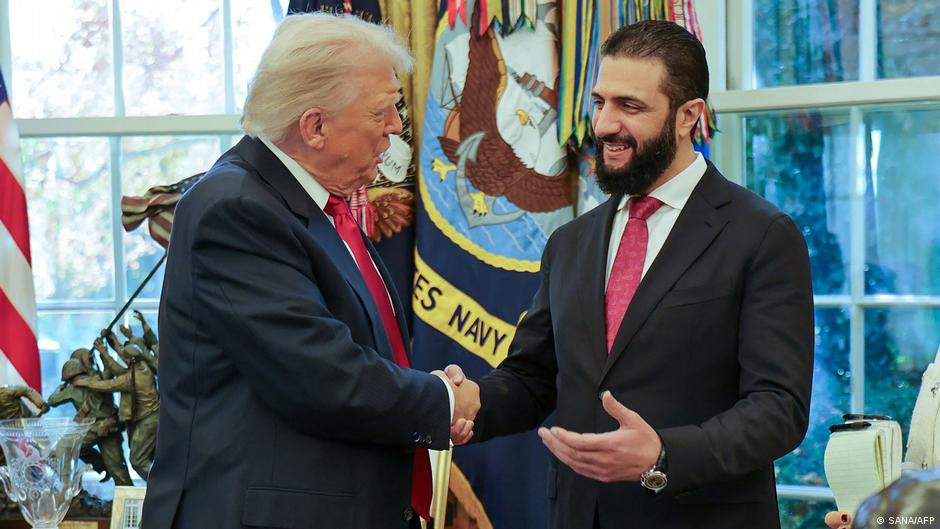
The US plans to remove Syria from the terrorism sponsorship list, opening doors for investment and digital economic integration amid new diplomatic ties.

Cuba's nationwide blackout amid U.S. fuel sanctions intensifies energy crisis, complicating economic reforms and threatening digital economy and fintech development.

Former President Trump praised Zelensky's resilience in the Russia-Ukraine war and criticized European diplomatic stances, highlighting potential impacts on global fintech and economic stability.

The US Senate approved a resolution urging troop withdrawal from Iran conflict zones amid peace talks, highlighting potential impacts on sanctions, digital payments, and fintech sectors.

US envoy Stephen Whitlock arrives in Switzerland to resume Iran nuclear deal talks amid regional conflicts affecting financial and digital economy prospects.

The US sanctions on Cuba’s state oil company CUPET disrupt energy trade and pose challenges for fintech, digital payments, and cybersecurity in the region.

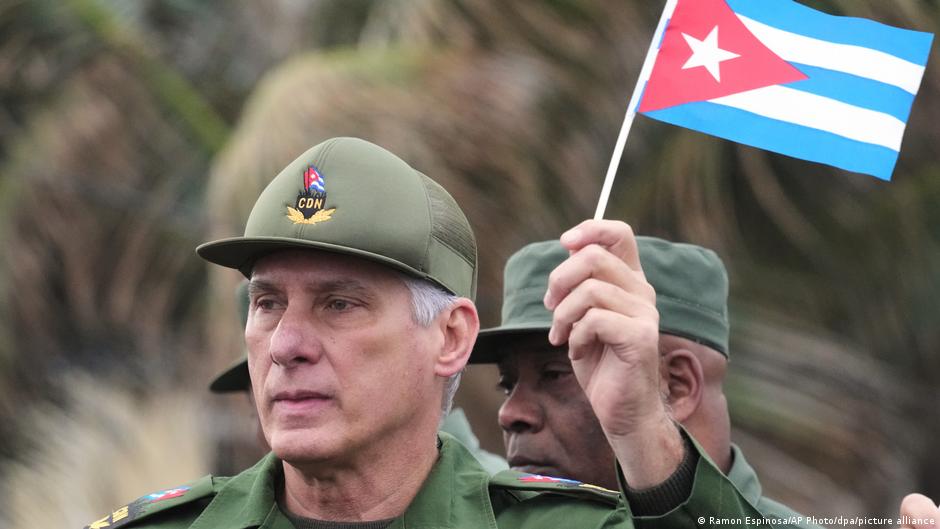
The US has imposed new sanctions on Cuban President Diaz-Canel and Raul Castro's family, intensifying pressure amid worsening diplomatic ties and economic challenges on the island.

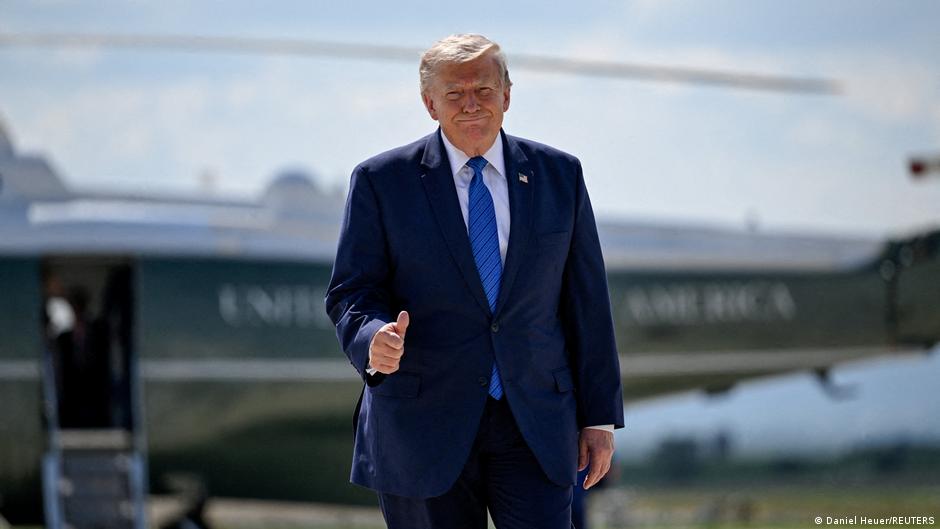
President Trump demands strict adherence to US 'red lines' in Iran nuclear talks, influencing fintech markets, cybersecurity, and global digital banking scenarios.

U.S. intelligence reveals Iran retains about 70% of its missile arsenal and launchers despite strikes, raising concerns over regional security and military supply constraints.

US-Iran talks near a breakthrough could ease sanctions and open new opportunities in digital payments, fintech, and cybersecurity sectors.

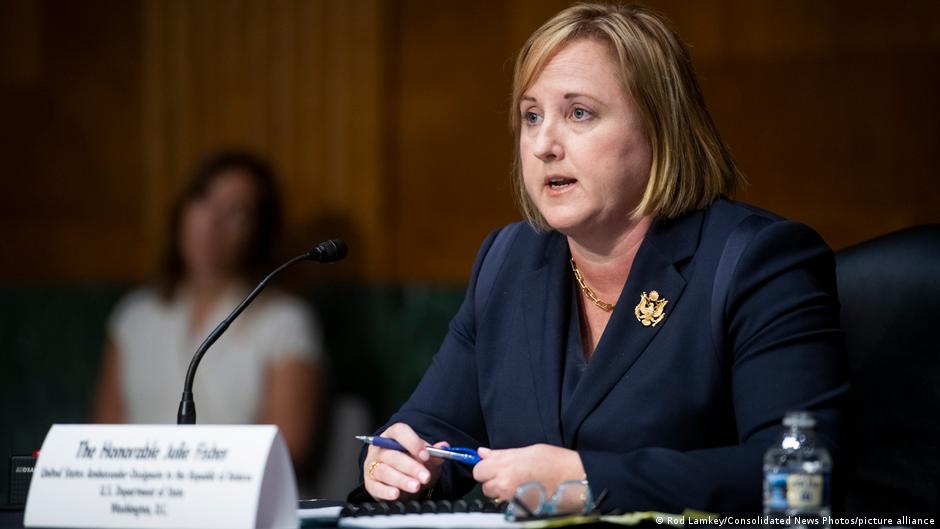
US Chargé d’Affaires Julie Davis to leave Kyiv amid tensions with Trump policies, raising concerns over diplomatic stability and impacts on Ukraine’s digital economy.

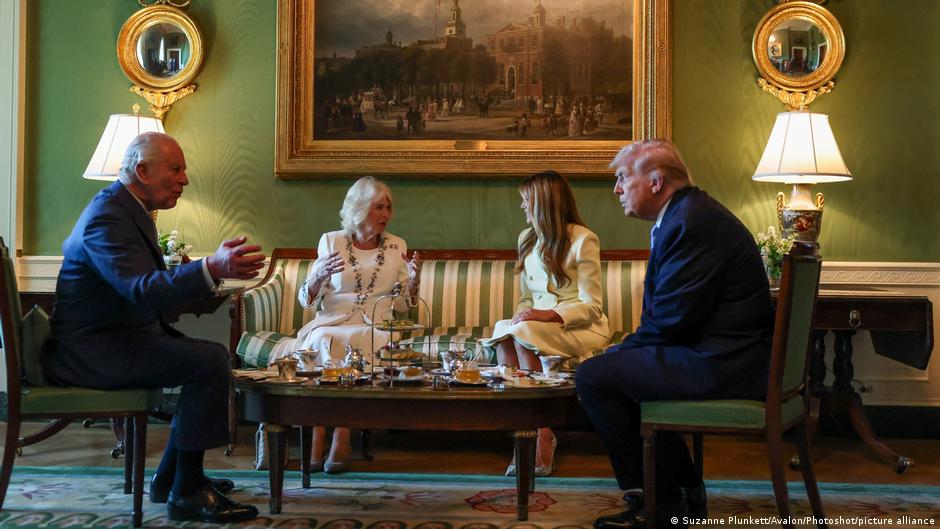
King Charles III visits the US amid geopolitical tensions, aiming to restore US-UK ties while economic and security concerns impact fintech and defense sectors.

US Labor Secretary Lori Chavez-Deremer resigns amid misconduct allegations as the White House considers further cabinet changes, raising concerns about regulatory stability impacting the digital economy.