German Economy Minister Warns Left Party Rise Could Dent Investor Confidence
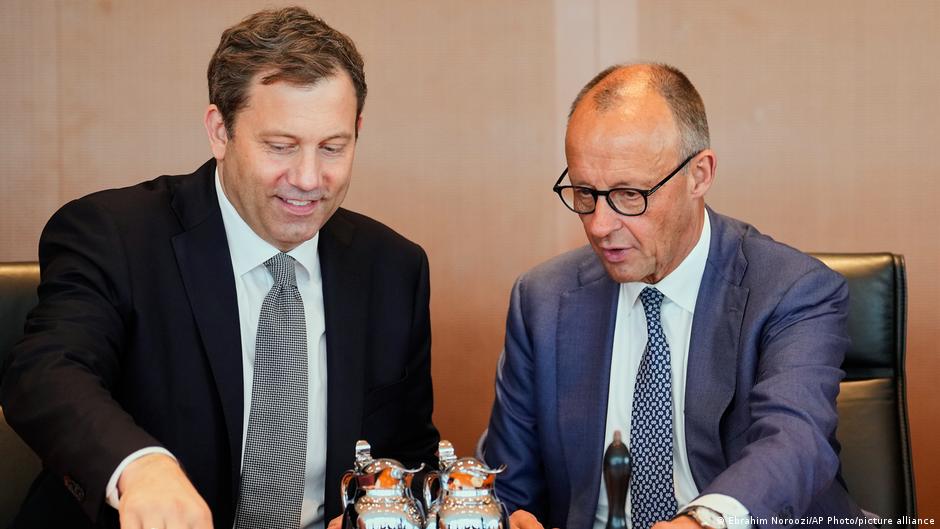
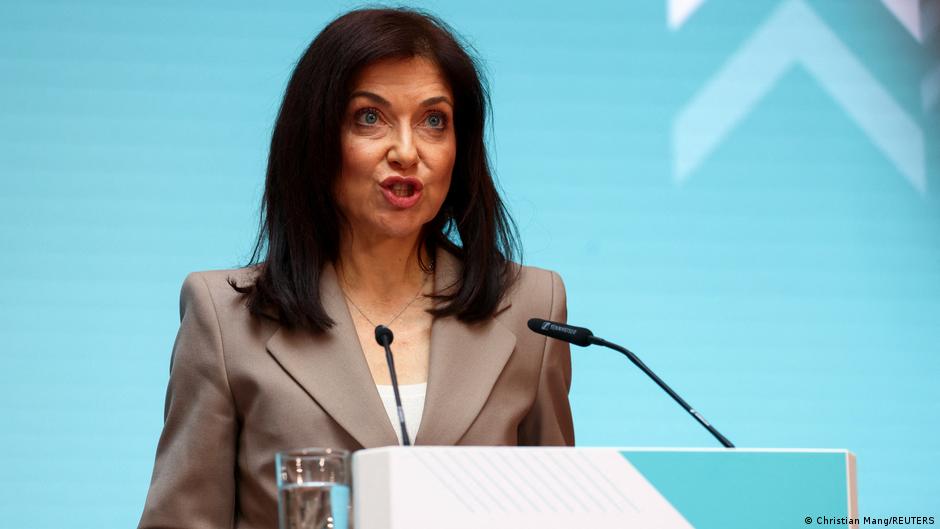
Germany’s economy minister says the Left Party’s Berlin win could hurt investor confidence and Germany’s appeal as a business location.

Germany’s economy minister says the Left Party’s Berlin win could hurt investor confidence and Germany’s appeal as a business location.

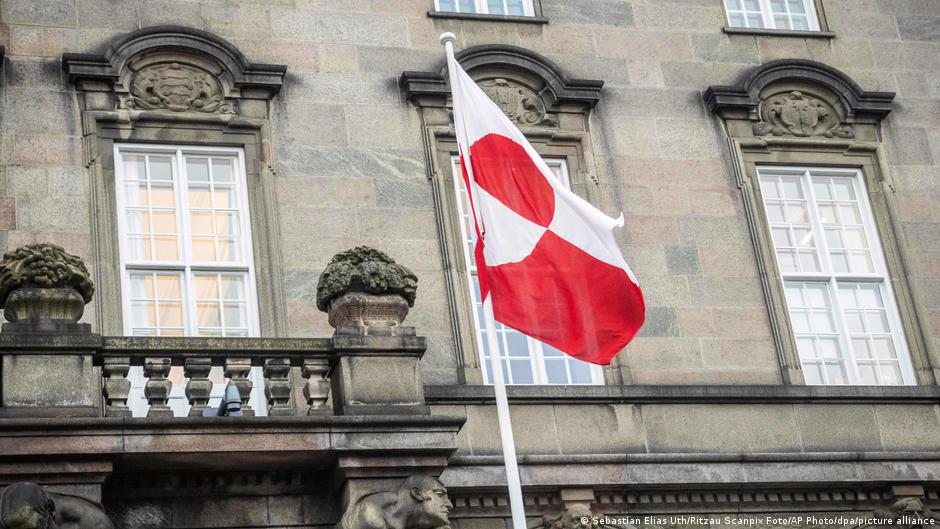
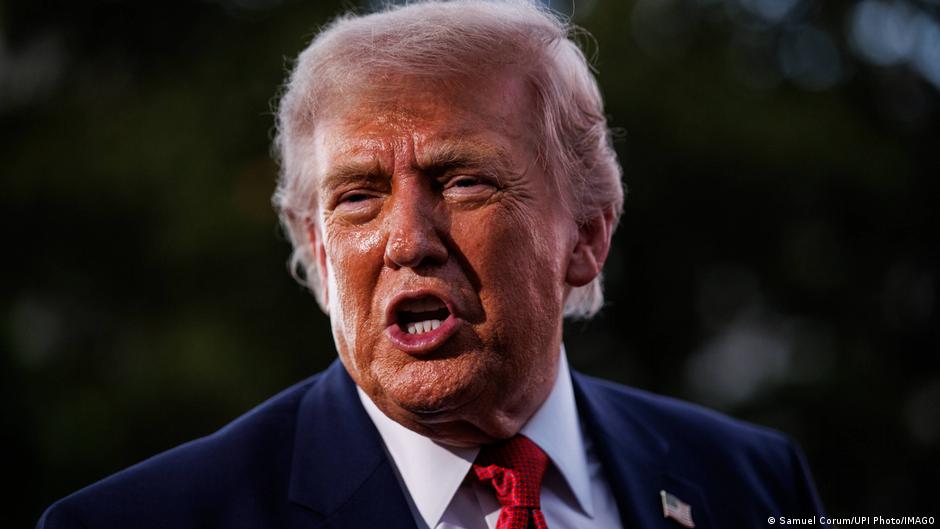
Trump says the U.S. has secured broad Greenland security rights, but Denmark and Greenland describe the deal as still expected.

Norway’s seizure of a Russian research vessel in a Naftogaz claim highlights rising legal and compliance risk across shipping, payments and digital finance.

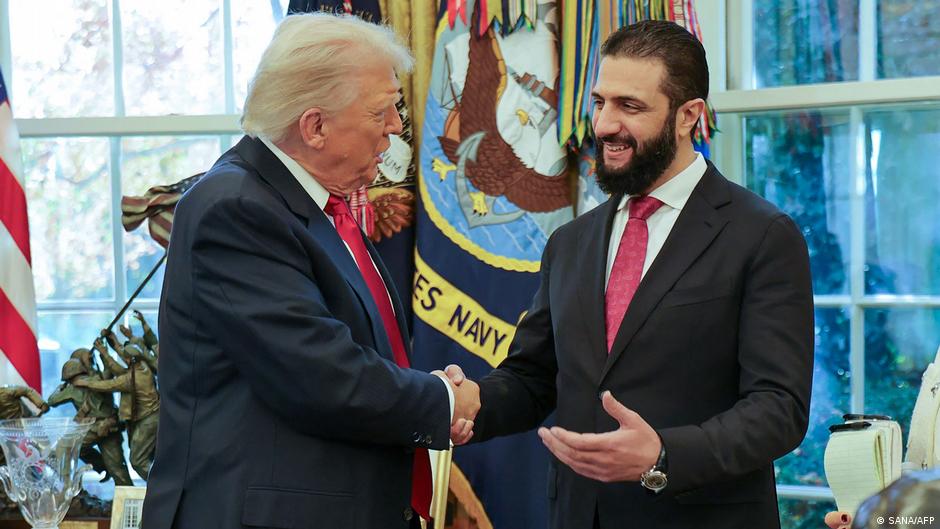
The US removal of Syria from the terrorism sponsor list opens pathways for economic integration, fintech growth, and digital banking expansion amid complex regional geopolitics.

Hundreds of Ukrainian soldiers undergoing training in Germany have deserted since 2022, complicating military preparedness and legal frameworks amid ongoing conflict.

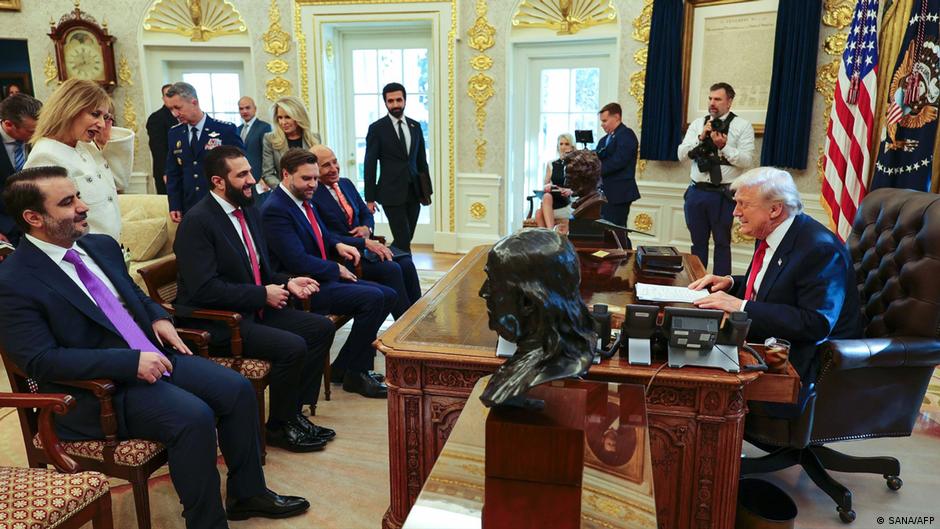
Jared Kushner’s talks with Hamas leaders highlight how Middle East geopolitical tensions affect fintech, digital banking, and cybersecurity amid ongoing Gaza conflict.

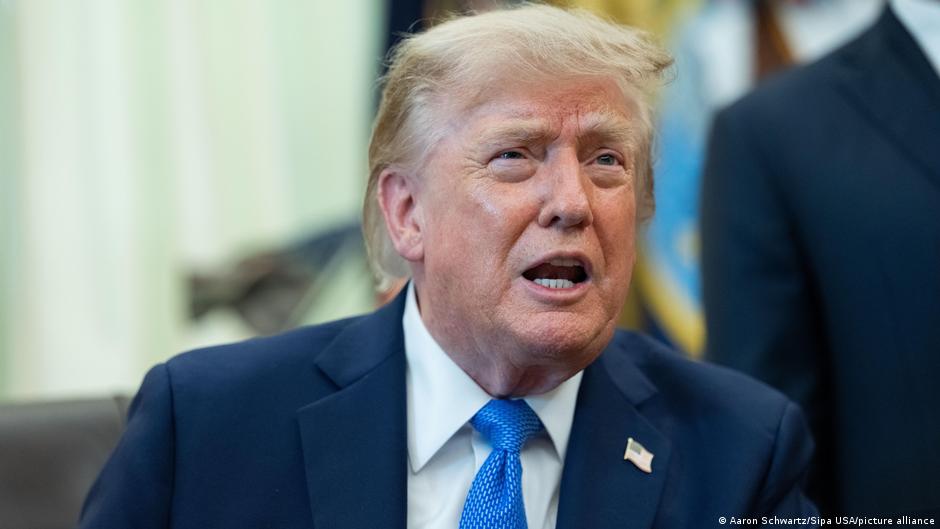
Former President Donald Trump criticizes the Biden administration for depleting US missile stockpiles due to aid to Ukraine, stressing the need to prioritize domestic military readiness.

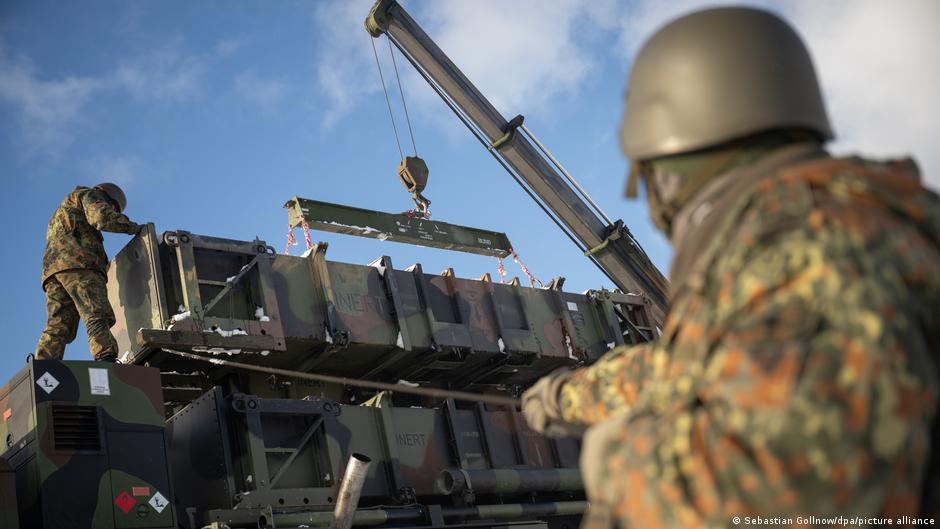
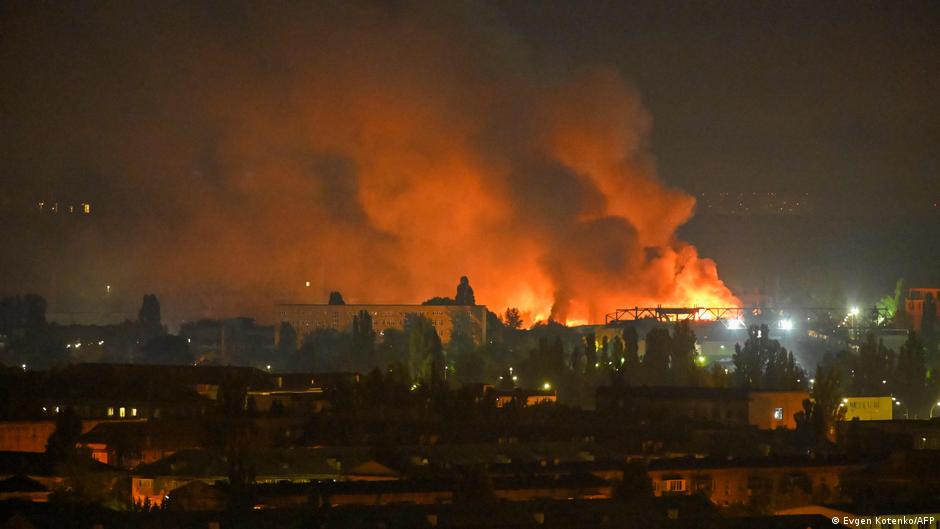
Renewed Russian missile strikes on Kyiv reveal Ukraine's pressing air defense challenges amid Patriot missile shortages and ongoing drone attacks.

NATO considers deploying tactical nuclear weapons in Finland, Poland, and Lithuania, raising security and digital economy concerns amid Russian threats.
Uzbekistan launches a national navigation system and unified digital platform to enhance fintech, public administration, and digital infrastructure, aiming to boost IT exports and startup growth.

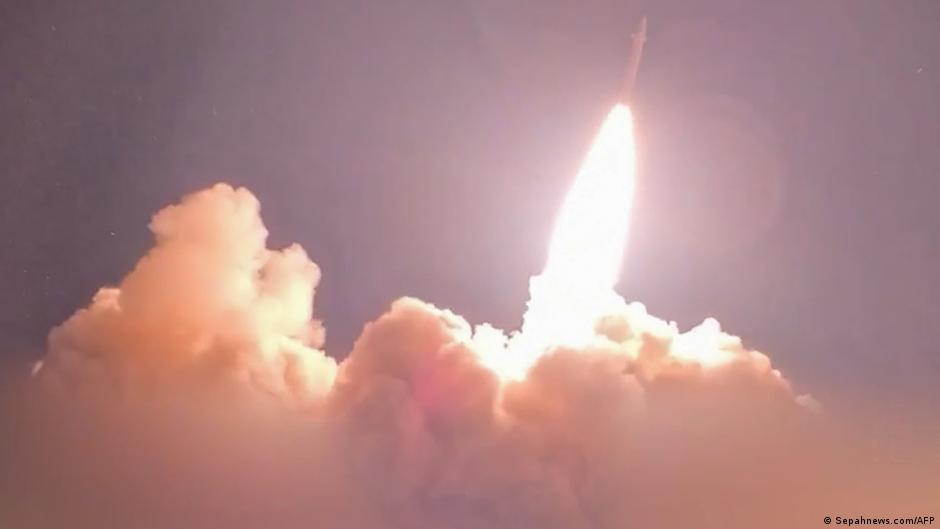
US forces intercepted Iranian ballistic missiles targeting American troops in the Middle East, underscoring risks to regional security and fintech sectors amid rising tensions.

A Kremlin-linked bot network disseminates fake news mimicking German media to influence voter sentiment ahead of September regional elections.

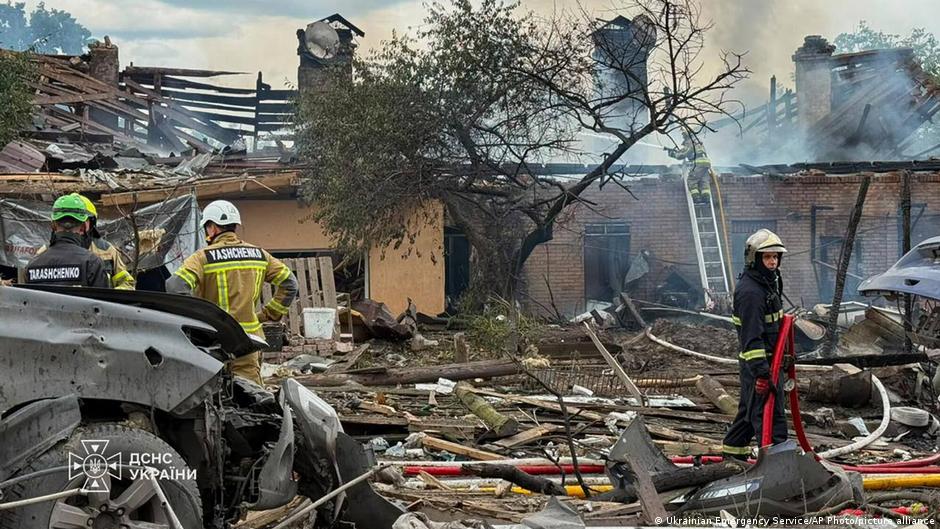
The EU has summoned the Russian envoy after missile strikes on a Kyiv arms exhibition and Latvian consulate, highlighting growing concerns over drone warfare and digital defense technologies.

The IMF has approved a €604 million disbursement to Ukraine following satisfactory progress in its Extended Fund Facility program, supporting economic and digital sector resilience.

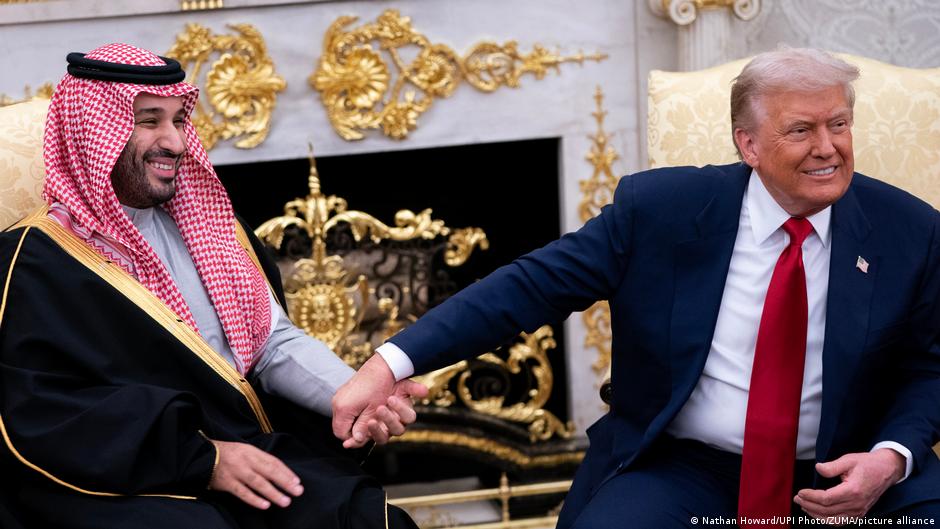
US plans to allow Saudi Arabia uranium enrichment without strict IAEA oversight raise nuclear proliferation risks and impact fintech, cybersecurity, and tech investments.

Hungary’s veto on key EU negotiation clusters delays Ukraine’s integration into digital economy frameworks, affecting fintech, payments, and cybersecurity progress.

Uzbekistan's digital water management reforms significantly reduce water stress, promoting sustainable resource use and creating opportunities for fintech and green innovation.

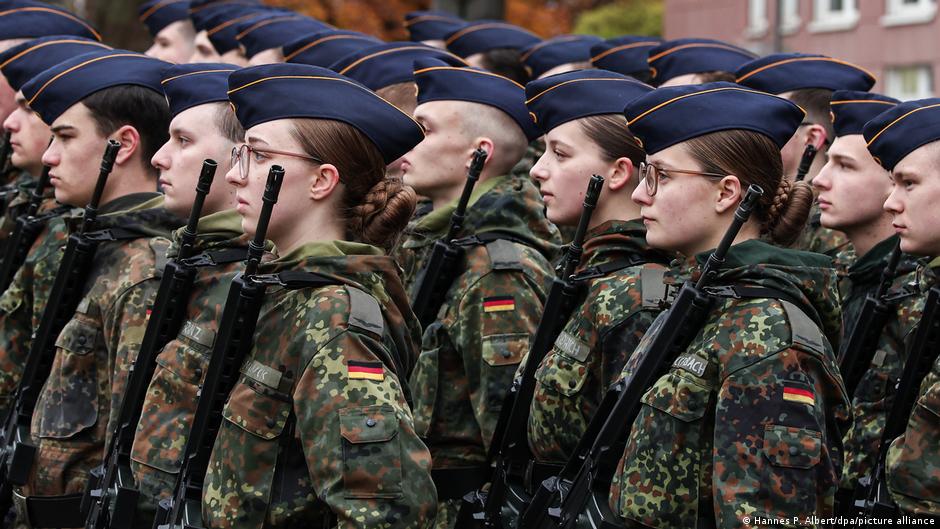
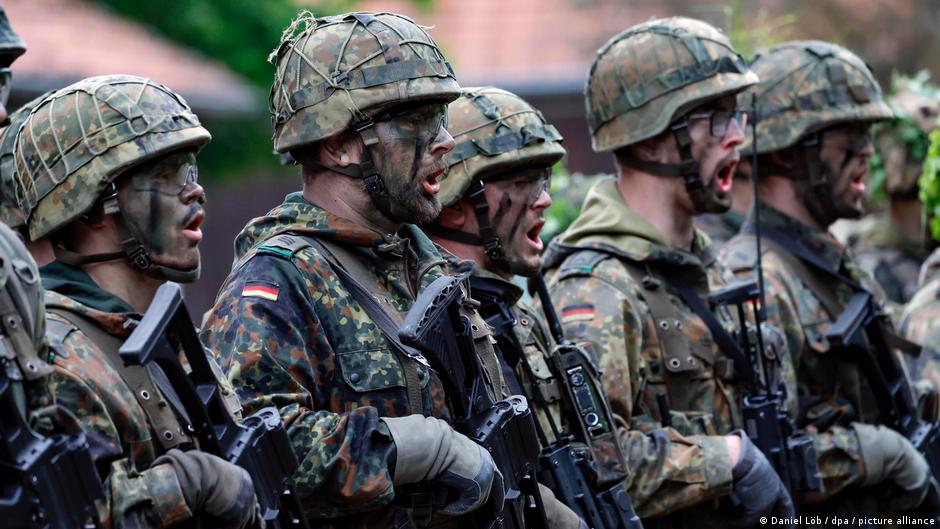
Germany reports a sharp rise in military service refusals amid security challenges and conscription reforms, impacting the digital economy and cybersecurity workforce.

The death of Iran’s Supreme Leader Ali Khamenei and subsequent regional tensions pose risks to digital banking, payments, and cybersecurity in the Middle East’s fintech sector.

The US plans to remove Syria from the terrorism sponsorship list, opening doors for investment and digital economic integration amid new diplomatic ties.

Germany's record €124.7 billion defense budget for 2026 will boost cybersecurity and digital infrastructure, influencing fintech and digital banking sectors amid NATO commitments.
Germany's 2027 budget boosts defense spending and borrowing amid security concerns, raising fintech sector worries about future funding for digital innovation and economic growth.

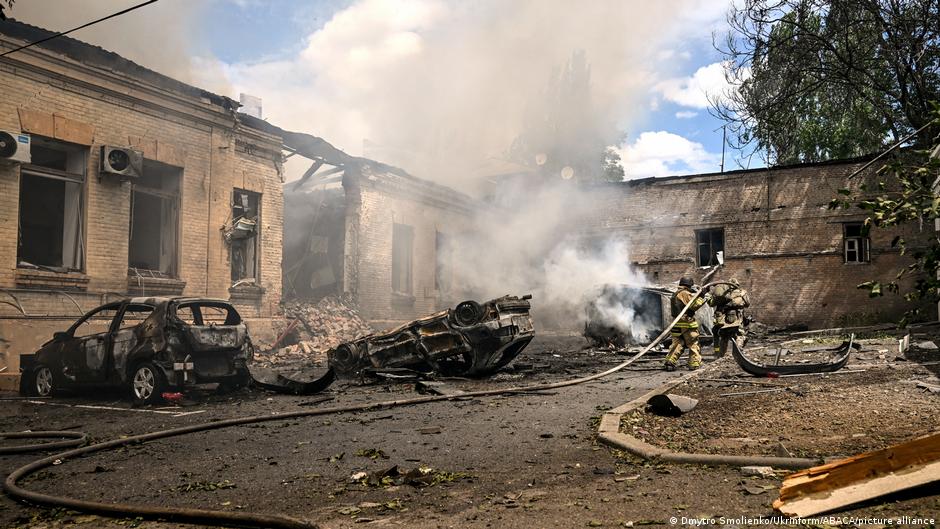
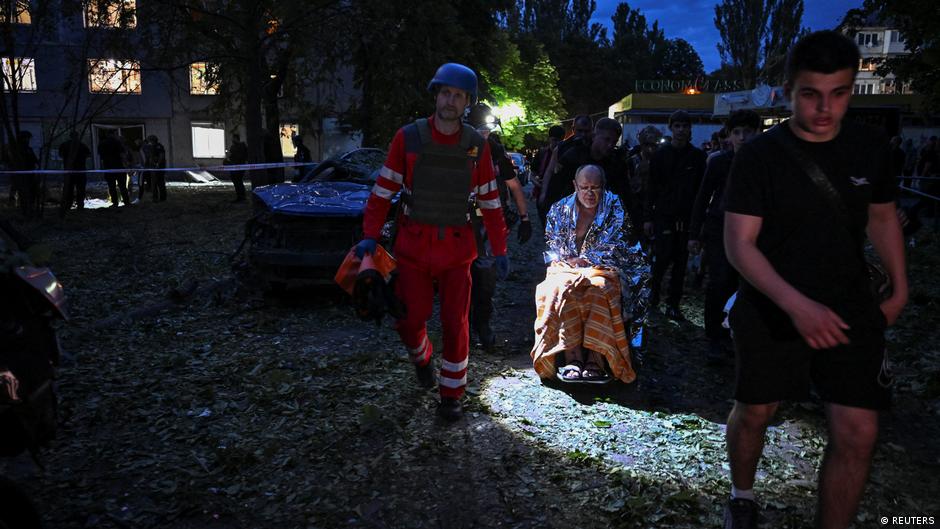
Russian missile and drone attacks in Ukraine disrupt logistics and digital payment infrastructure, raising cybersecurity concerns for the fintech sector amid ongoing conflict.

"Gazprom" partners with Russia's Defense Ministry to create mobile units protecting gas infrastructure, blending civilian employment with military reserve duties amid rising security concerns.

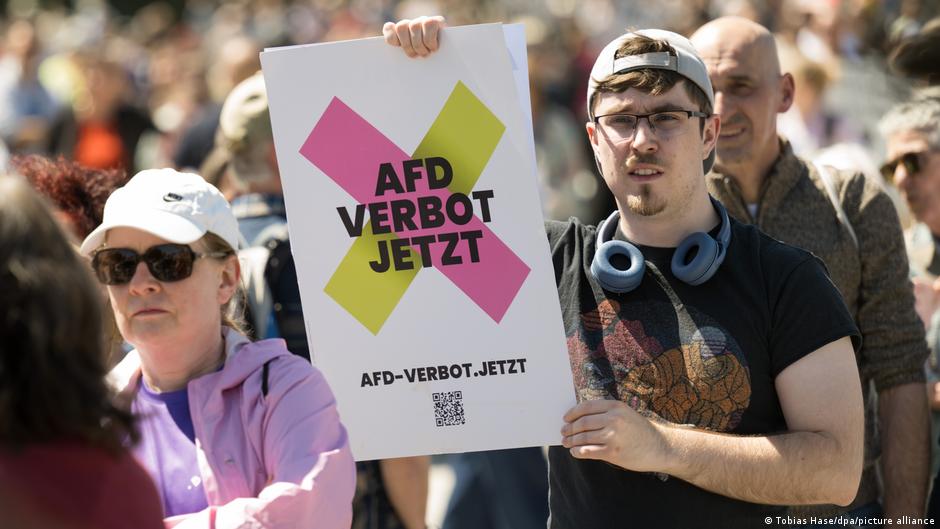
A poll finds 45% of Germans oppose banning the far-right AfD, which leads the CDU/CSU by 8%, signaling political shifts that could impact fintech and digital economy sectors.

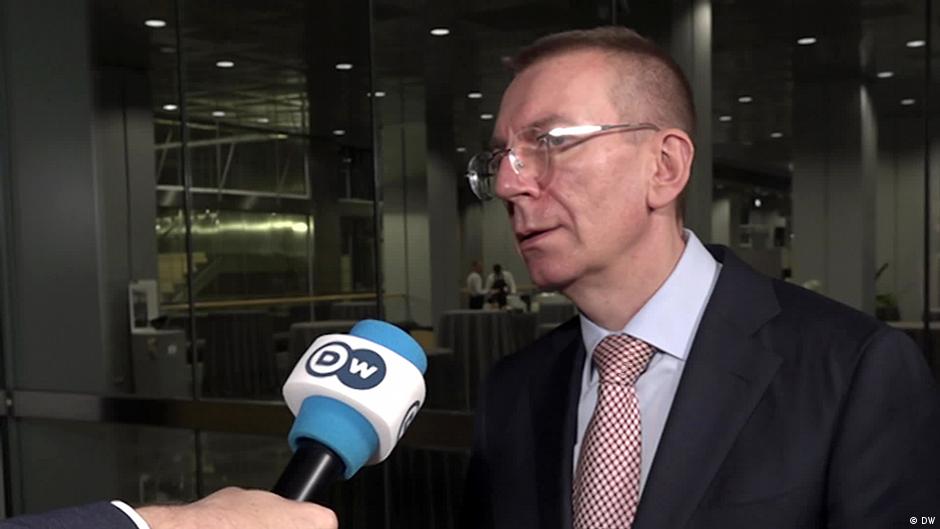
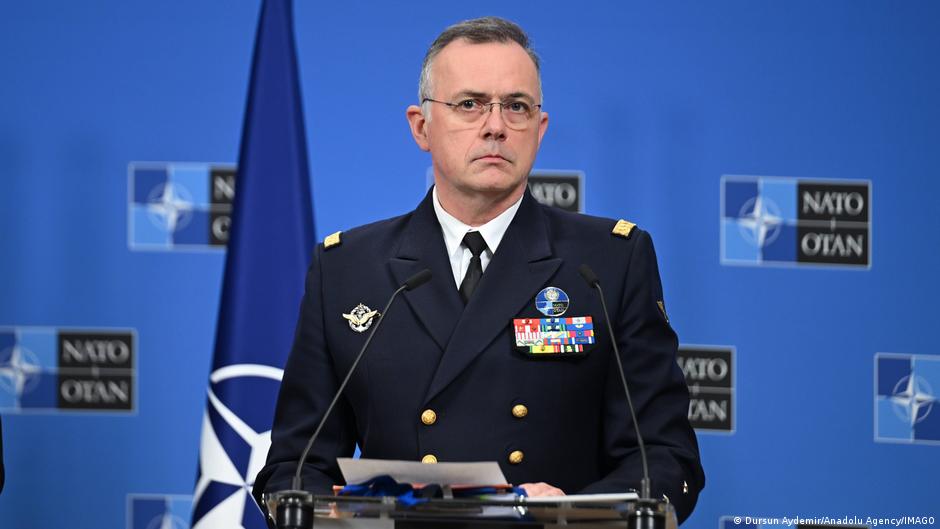
Latvian President Edgars Rinkēvičs urges NATO to prepare for possible escalation with Russia, highlighting the need for stronger military capabilities and US partnership.

Finland has repealed its ban on importing nuclear weapons, a move that carries significant implications for national security and the fintech sector’s cybersecurity and digital payment systems.

The US has imposed new sanctions on five Cuban state firms controlling 40% of GDP, intensifying economic and legal pressures amid tense bilateral relations.

Germany urges Turkey to exclude Russian gas in future EU energy deals, impacting fintech and digital payments as Turkey aims to become a regional gas hub.

Italy's Foreign Minister Antonio Tajani cancels US visit after President Trump's offensive remarks about PM Meloni, raising concerns over impacts on transatlantic fintech and innovation cooperation.

Bolivia and the US have signed a new anti-drug cooperation deal after 18 years, including $20M in tech and training funds to modernize Bolivia’s narcotics enforcement capabilities.

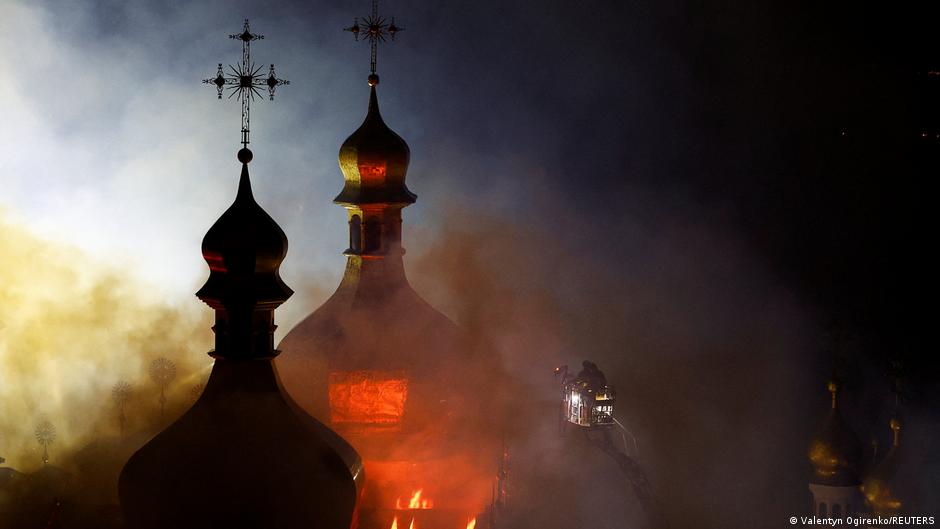
Russian missile strikes on Kyiv damaged cultural landmarks, residential buildings, and power infrastructure, disrupting civilian life and posing risks to Ukraine's digital economy.

Drone attacks in Russia's Tula Region cause civilian deaths and industrial fires, exposing vulnerabilities in defense and commercial infrastructure amid ongoing cyber-physical threats.

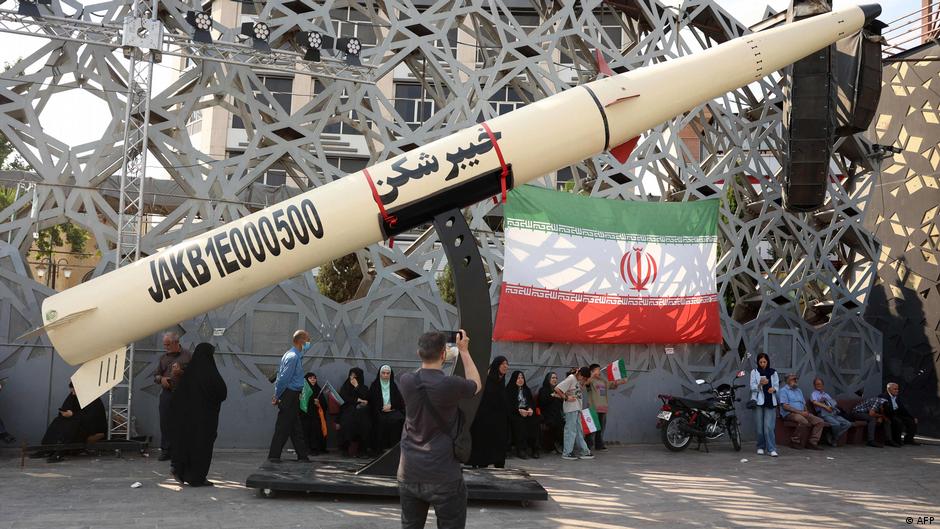
Iran has replenished its missile arsenal to three-quarters of pre-conflict levels, likely aided by Russian weapons transfers during a truce with the US, impacting regional security and energy markets.

The U.S. Congress approved $70 billion to fund immigration agencies, highlighting significant impacts on digital infrastructure, fintech, and cybersecurity within government operations.

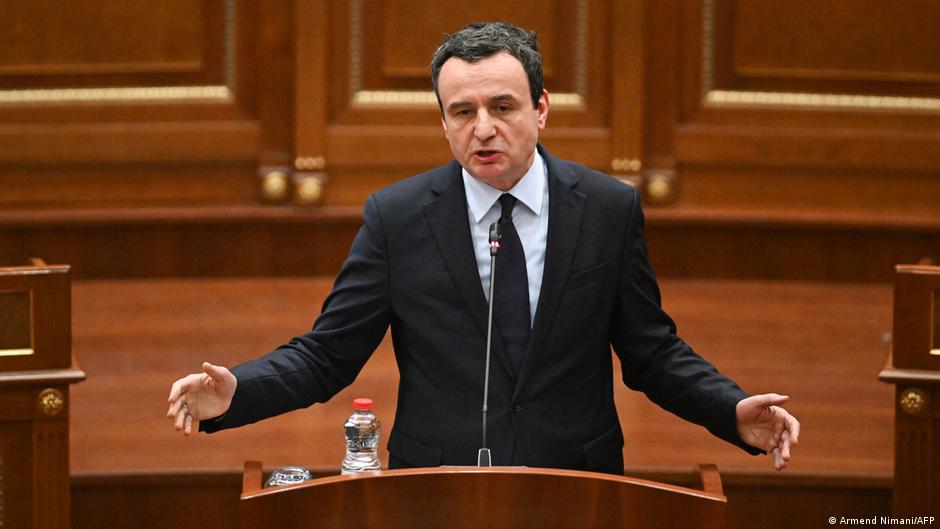
Kosovo’s Vetëvendosje party wins snap elections with 43%, but must form a coalition amid political instability affecting digital economy reforms and fintech development.

Russian military strike in Zaporizhzhia causes power outages and fires, raising concerns about digital infrastructure and cybersecurity in the region's fintech and energy sectors.

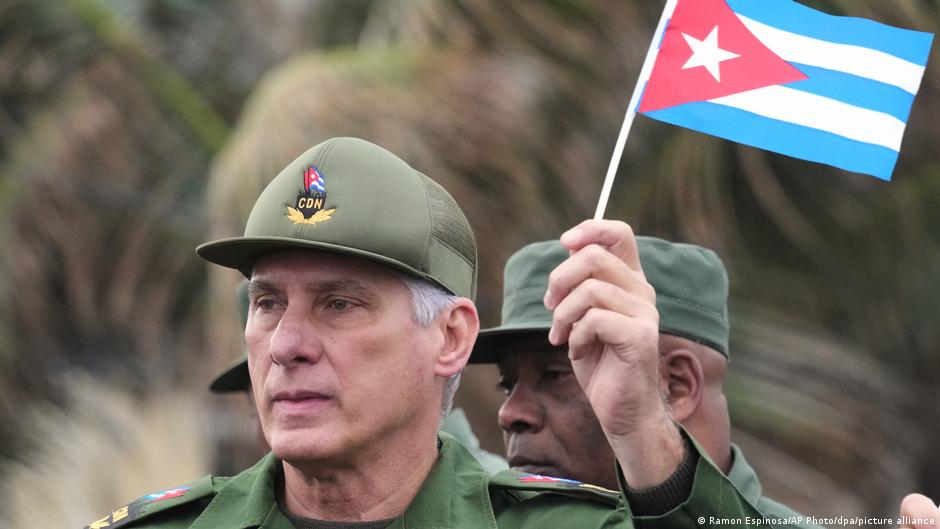
The US has imposed new sanctions on Cuban President Diaz-Canel and Raul Castro's family, intensifying pressure amid worsening diplomatic ties and economic challenges on the island.

Israel and Lebanon, with US mediation, agreed on a ceasefire requiring Hezbollah’s withdrawal and new security zones, aiming to stabilize the region and support economic resilience.

Rheinmetall's €5.7B contract with Romania, funded by the EU's SAFE defense fund, advances defense tech, local production, and digital finance integration in European security.

Donald Trump harshly criticized Israeli PM Netanyahu over Lebanon strikes, highlighting risks to regional stability and US diplomatic efforts amid escalating conflict.

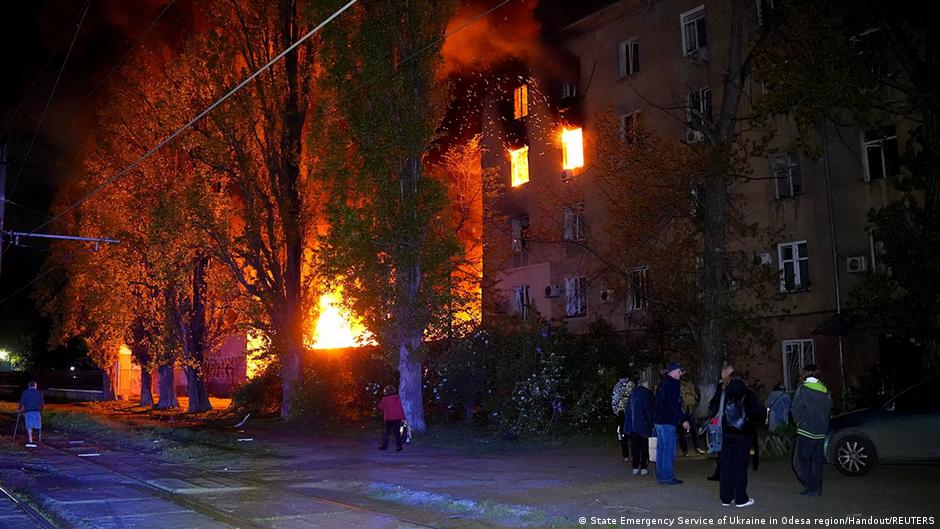
Drone strikes on residential buildings in Kharkiv and Odesa injured seven and caused fires, highlighting emerging cybersecurity and infrastructure risks in urban centers.

The US disabled a Gambian-flagged vessel heading to Iran after repeated warnings amid ongoing blockade enforcement in the Strait of Hormuz, affecting regional trade and digital finance.

Western governesses provide language education to Putin's alleged children, reflecting significant private spending and meticulous language immersion strategies.

President Trump announces deployment of 5,000 additional US troops to Poland, reversing earlier plans and reflecting shifts in US military posture in Europe.

NATO confirms ongoing delivery of US air defense missiles to Ukraine under the PURL program, strengthening Ukraine's defense and European security amid evolving threats.

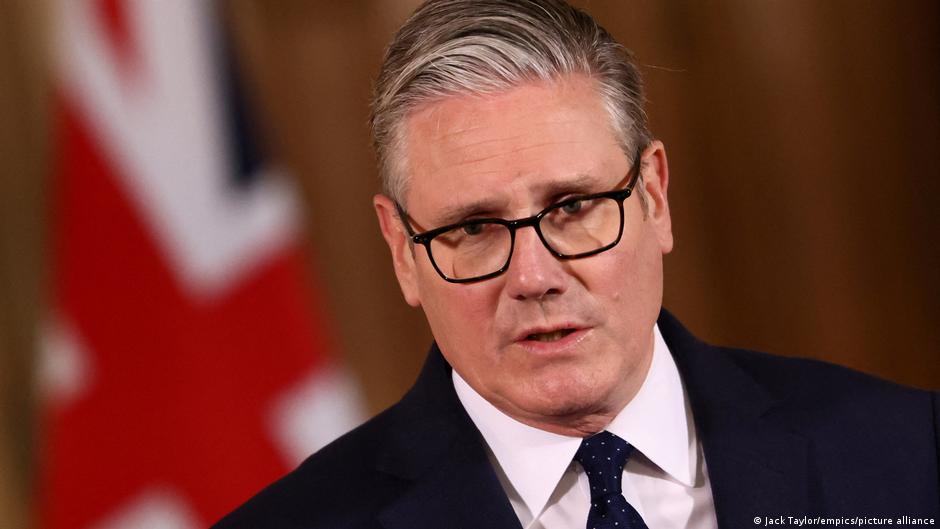
The UK plans an £18 billion defense budget increase, impacting fintech, cybersecurity, and tech sectors amid political challenges facing PM Starmer.

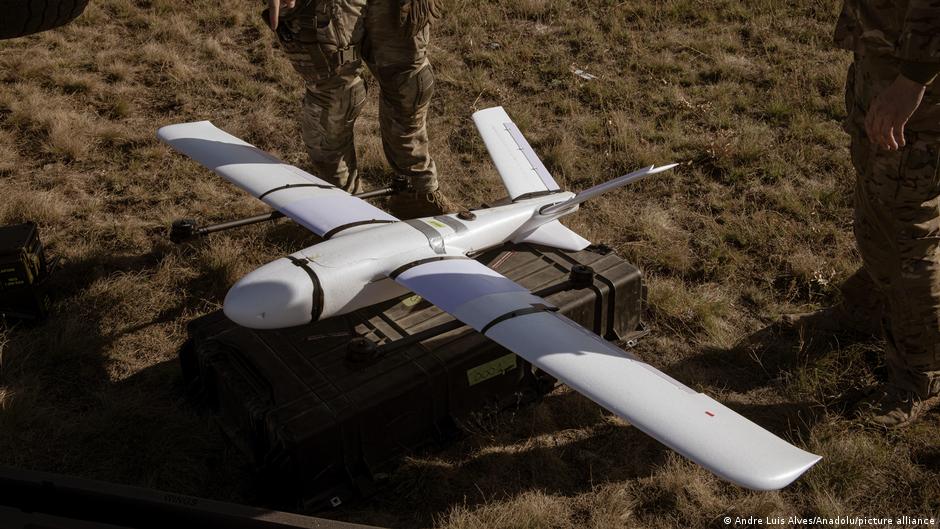
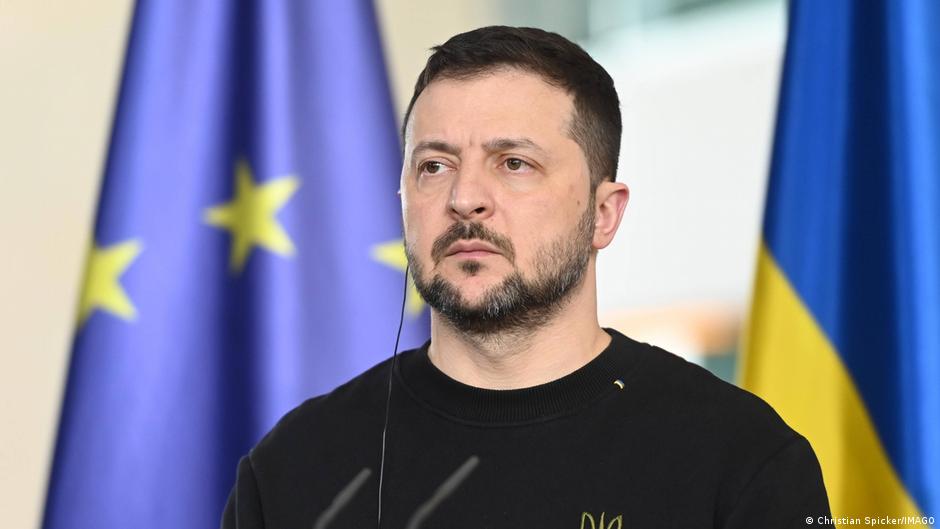
Ukraine and Germany accelerate cooperation on air defense and drone production, including AI-driven technologies, to bolster Kyiv’s protection amid ongoing missile attacks.

Serbia hosts its first joint military exercises with NATO, balancing military neutrality and increasing cooperation with implications for cybersecurity and fintech sectors.

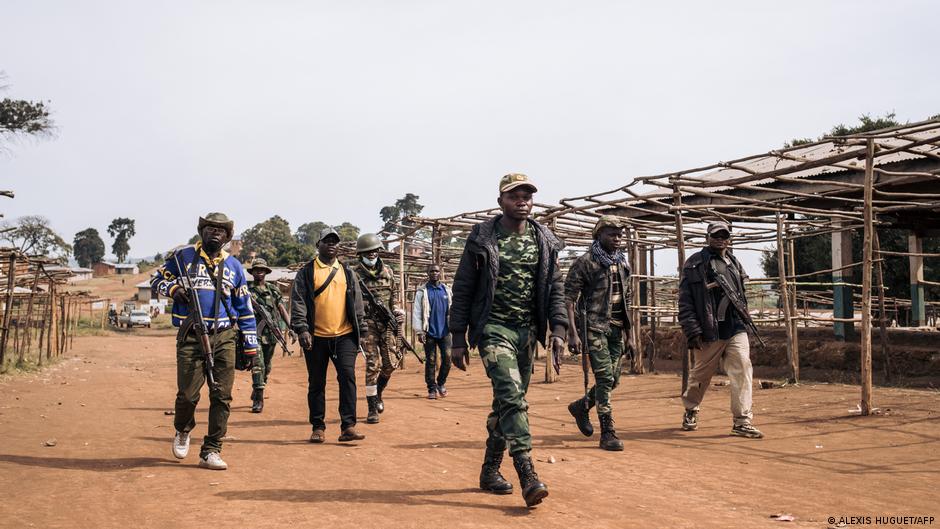
Recent rebel attacks in DR Congo’s Ituri province have caused significant casualties and highlight challenges to fintech growth and digital infrastructure development in the region.