Uzbekistan Puts State-Owned Fonon Jewelry Plant Up for Auction at 316.7 Billion UZS
Uzbekistan auctions its state-owned Fonon jewelry plant stake for 316.7 billion UZS, highlighting challenges in financial recovery and digital asset management.

Uzbekistan auctions its state-owned Fonon jewelry plant stake for 316.7 billion UZS, highlighting challenges in financial recovery and digital asset management.

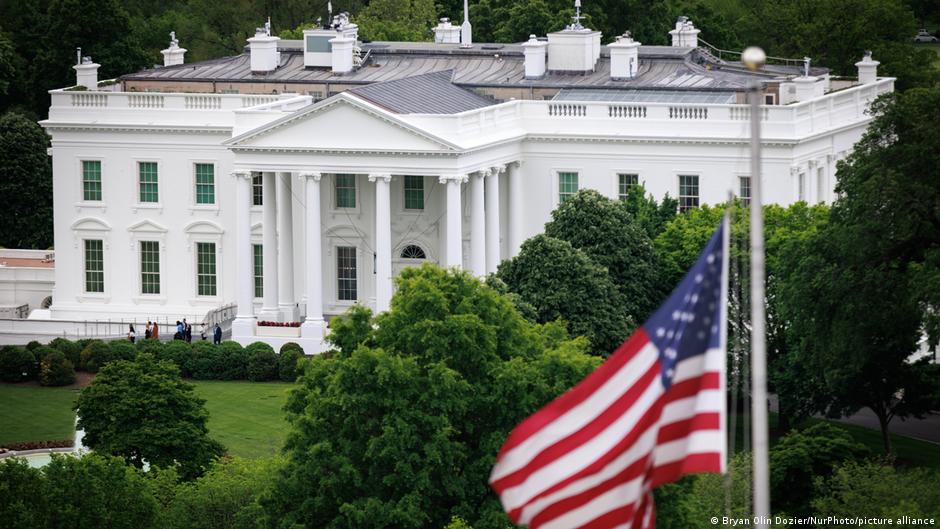
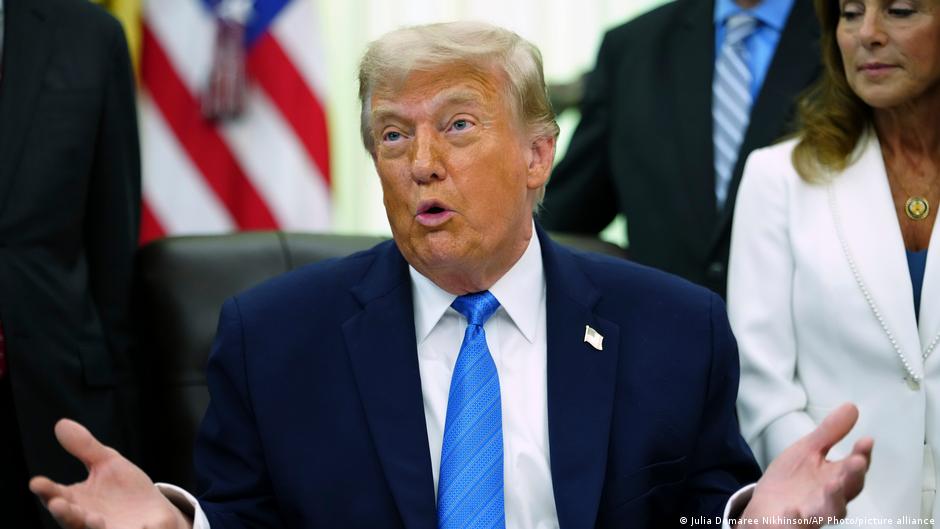
The US Supreme Court ruled in favor of Trump’s White House renovation plans, allowing construction of a ballroom and military bunker to proceed amidst national security claims.

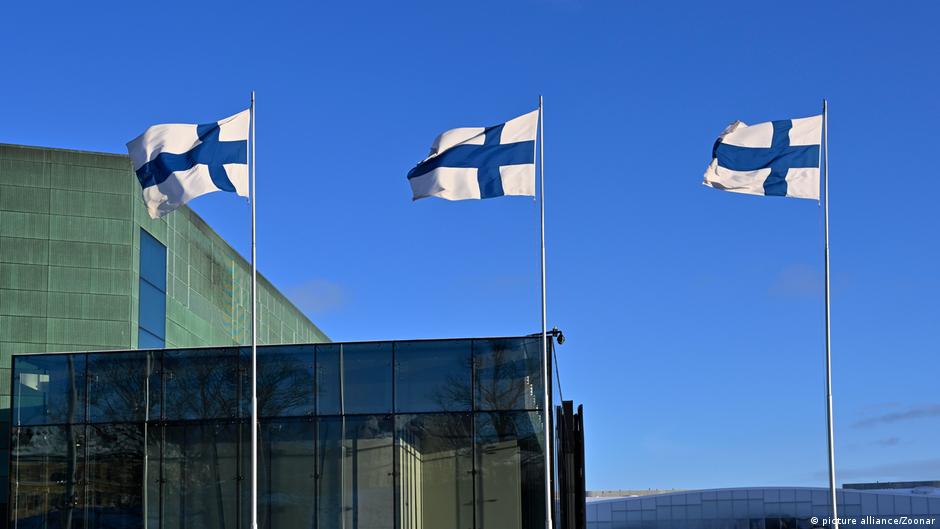
Finland summoned Russia's ambassador after an Il-20 aircraft briefly entered Finnish airspace, raising regional security and cybersecurity concerns amid rising tensions.

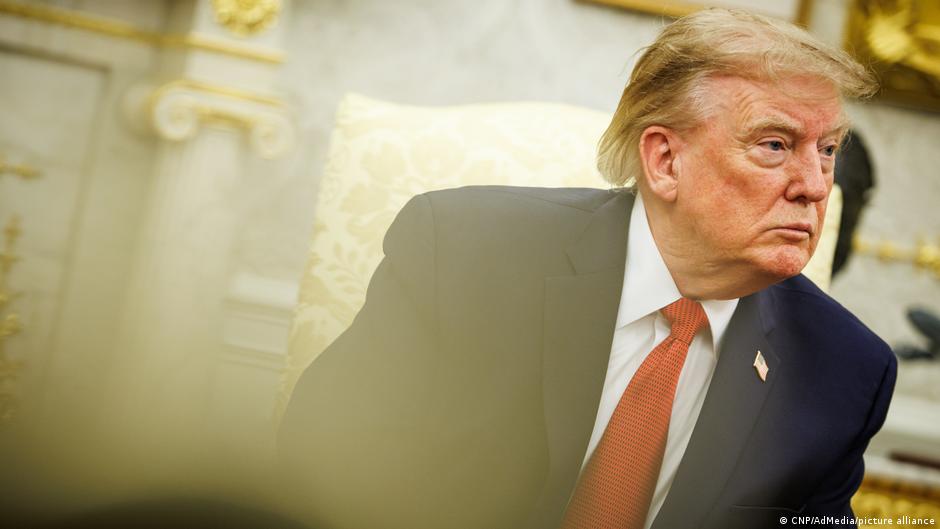
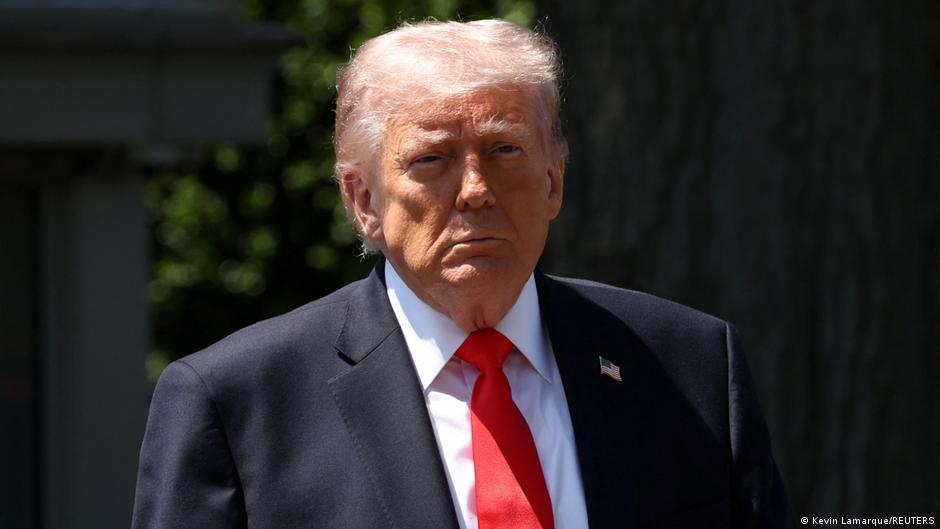
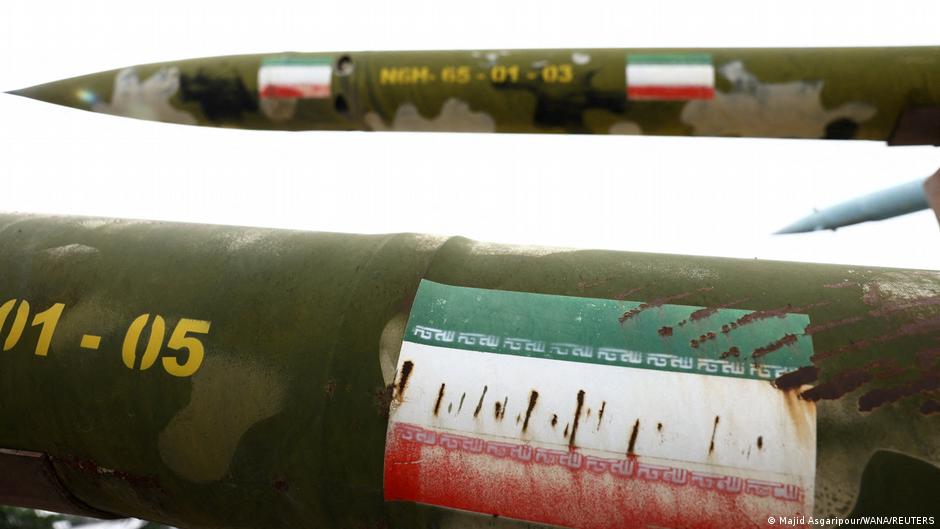
President Trump announced sweeping economic sanctions against Iran, threatening countries that do business with Tehran, impacting global trade, fintech, and digital payments.

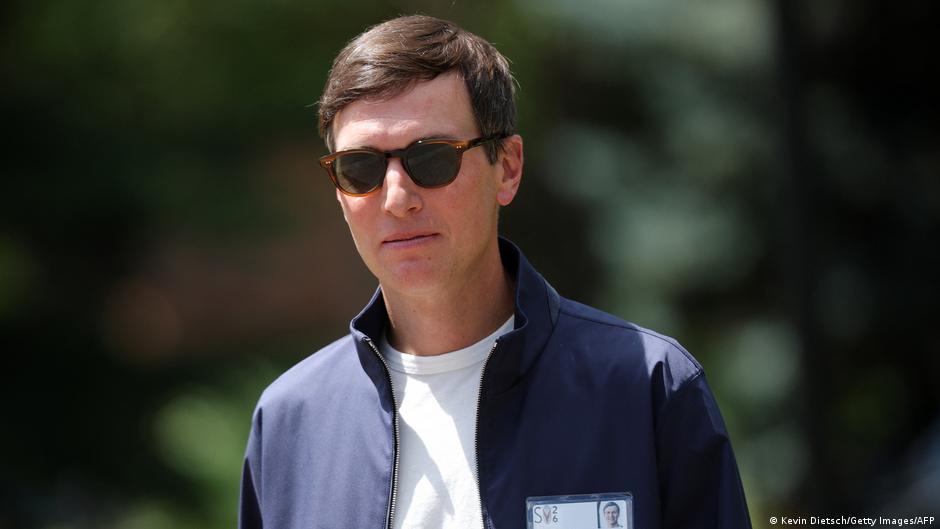
Jared Kushner’s talks with Hamas leaders highlight how Middle East geopolitical tensions affect fintech, digital banking, and cybersecurity amid ongoing Gaza conflict.

Venezuela freed 131 political prisoners and agreed on judicial reforms after reconciliation talks, potentially impacting the country's fintech and digital economy sectors.

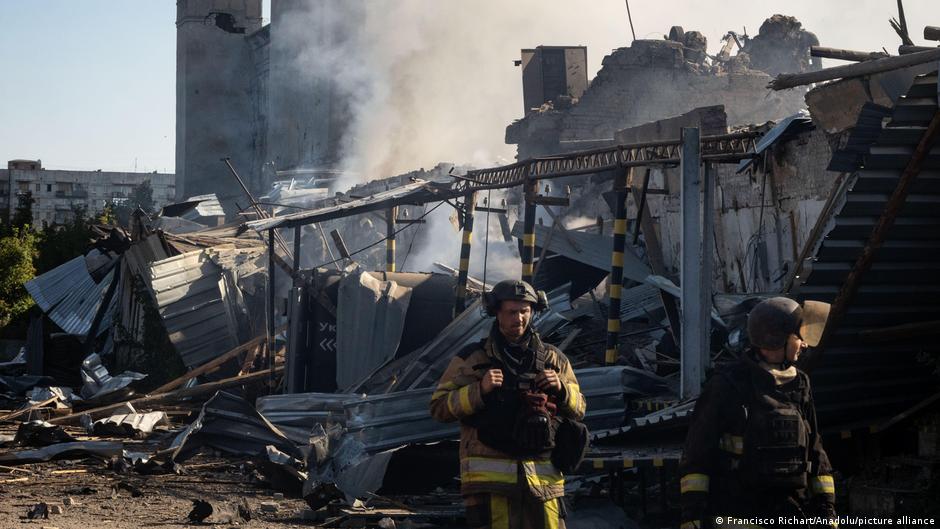
Russian air strikes on Kramatorsk and Bilenke caused casualties and damaged residential buildings, raising concerns over civilian infrastructure and digital economy disruptions amid ongoing conflict.

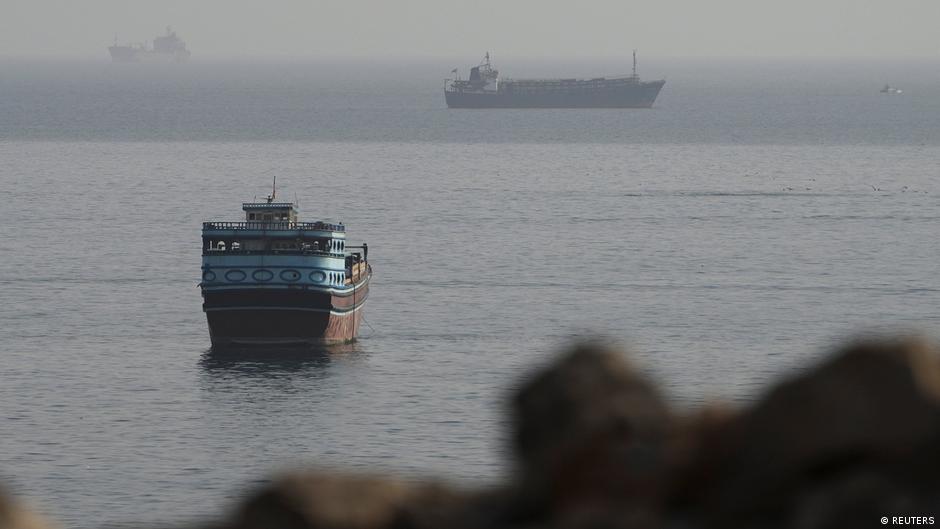
US forces disabled a cargo ship's steering attempting to breach Iran's blockade in the Strait of Hormuz, underscoring US control and geopolitical risks impacting global fintech and trade.

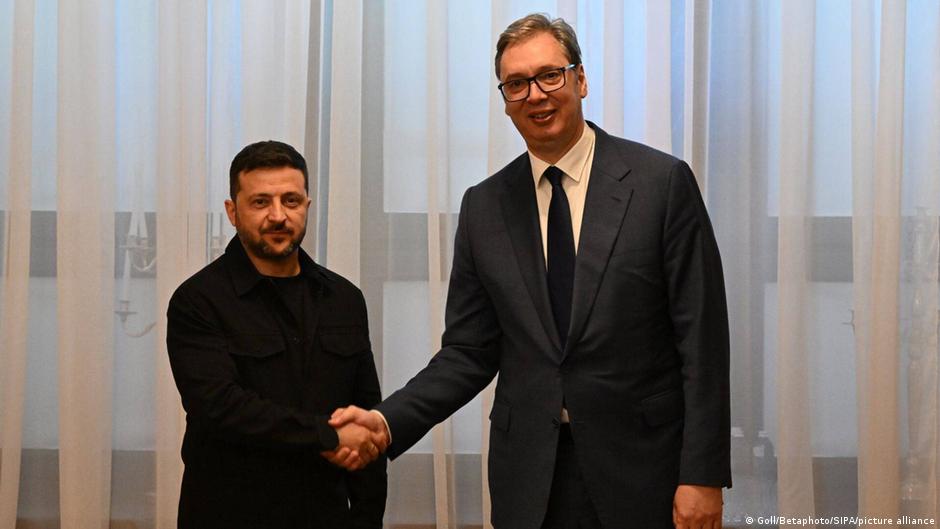
Ukrainian and Serbian presidents met in Belgrade to discuss economic ties, energy cooperation, and security, signaling potential fintech and digital economy collaboration.

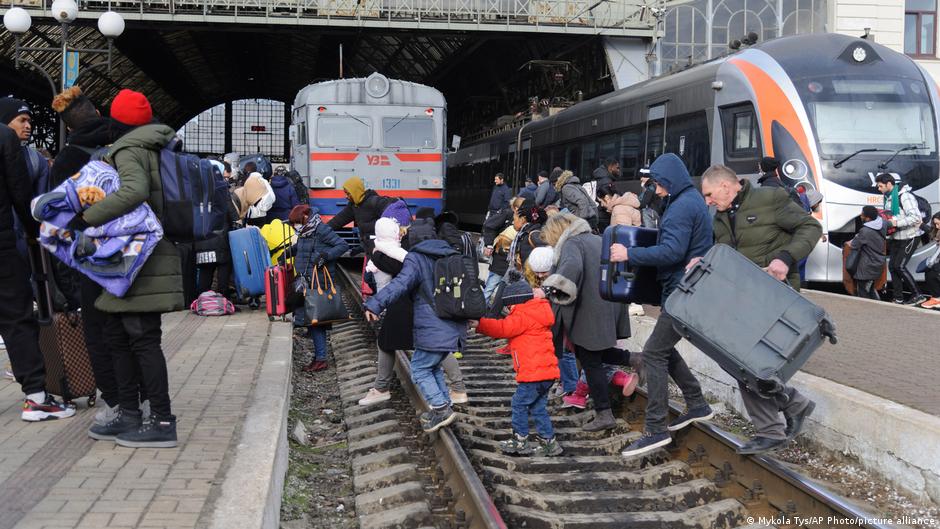
Over 8.4 million Ukrainians live abroad amid conflict, driving demand for fintech services, digital payments, and secure cross-border financial solutions.

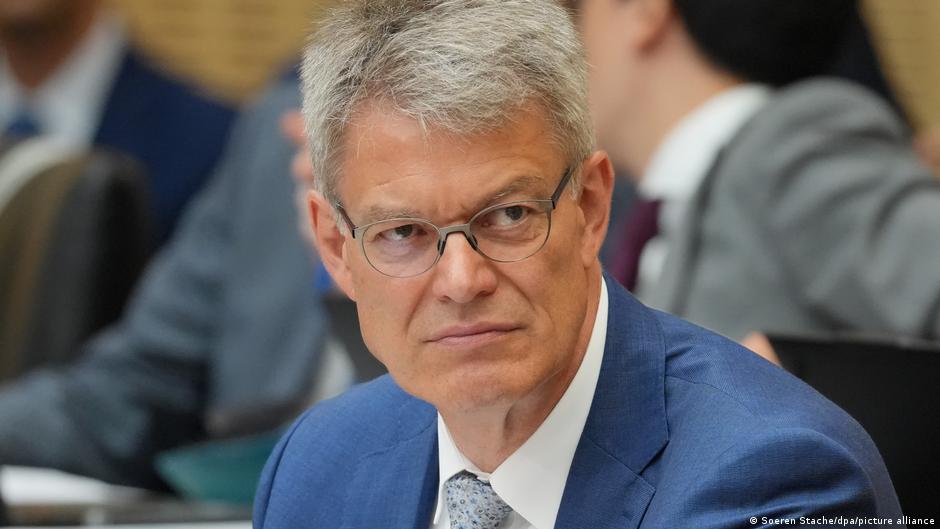
Germany’s Transport Minister Patrick Schnieder resigns amid political tensions; Chancellor Friedrich Merz to nominate Steffen Bilger as successor, with key transport and digital economy decisions pending.
Montenegro will end visa-free entry for Russian and Belarusian citizens after October 2026, impacting fintech, digital payments, and cross-border economic ties amid EU integration efforts.

The US lifts sanctions on Miami-based Bel-Kap-Steel, linked to Belarusian steel giant BMZ, amid significant releases of political prisoners and broader easing of penalties.

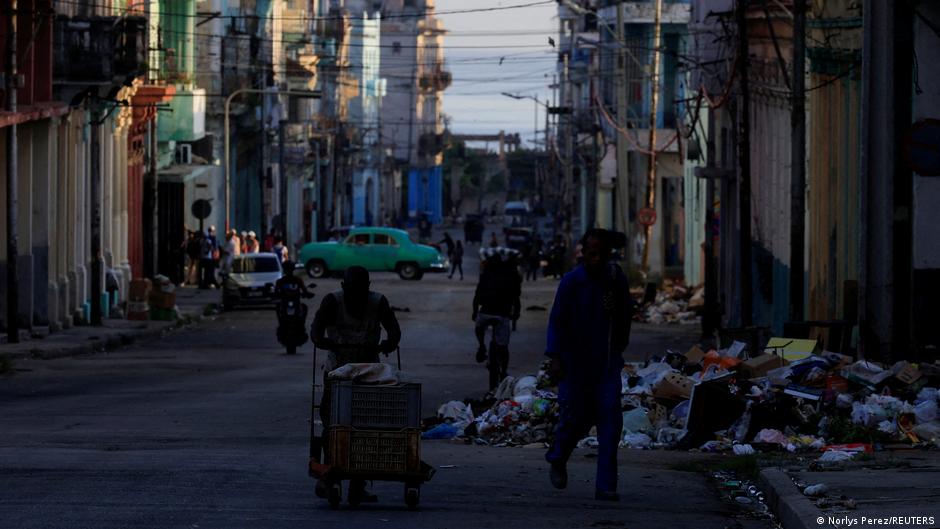
The US begins delivering a $100 million humanitarian aid package to Cuba amid sanctions and military tension, impacting digital payments and financial sectors.

The IMF has approved a €604 million disbursement to Ukraine following satisfactory progress in its Extended Fund Facility program, supporting economic and digital sector resilience.

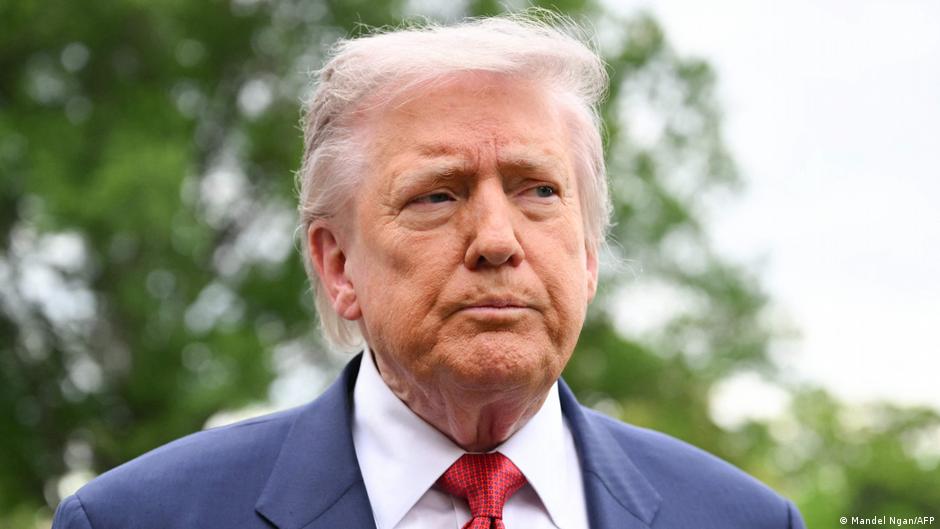
Donald Trump proposes the US host another FIFA World Cup with China, excluding Canada and Mexico, highlighting benefits for players and fintech opportunities.

Hungary’s veto on key EU negotiation clusters delays Ukraine’s integration into digital economy frameworks, affecting fintech, payments, and cybersecurity progress.

Germany reports a sharp rise in military service refusals amid security challenges and conscription reforms, impacting the digital economy and cybersecurity workforce.

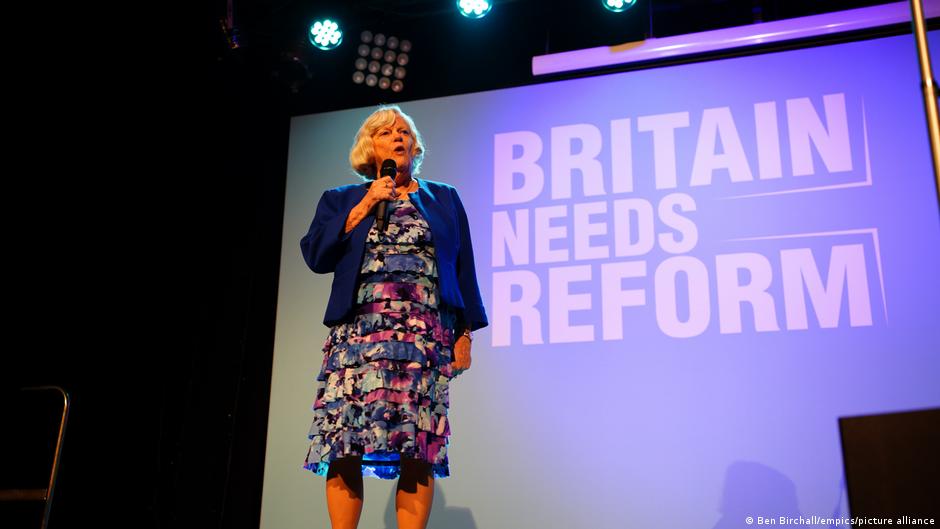
Ann Widdecombe, former UK MP and Reform UK speaker, was murdered; police do not suspect political motives. The case raises concerns about political security and digital safety.

Russian drone and air strikes on Sumy kill 4 and injure 27, threatening the city's digital infrastructure and fintech ecosystem amid ongoing conflict.

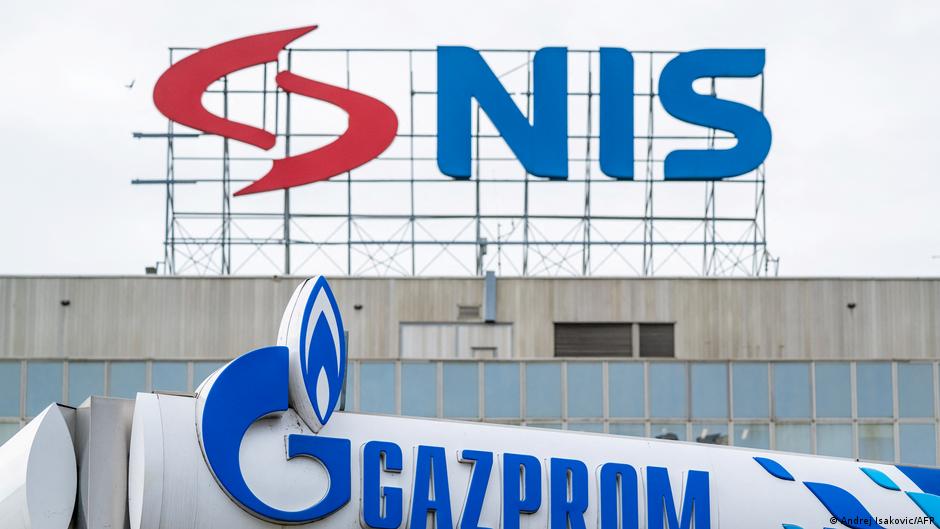
The US has once again extended a 30-day license allowing Serbian oil company NIS, controlled by Gazprom, to operate under sanctions while the sale of Gazprom’s stake faces delays.

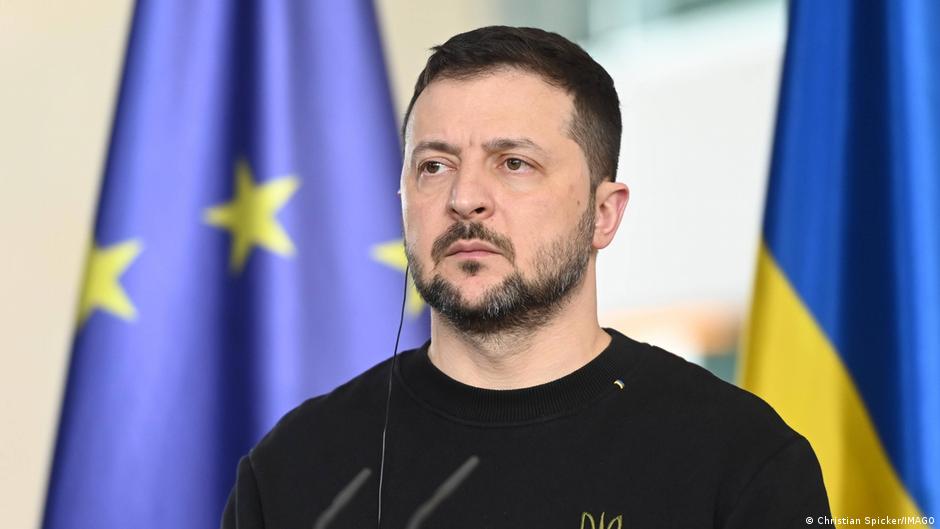
Ukraine’s Zelensky proposes a National Pantheon and European Order amid tensions with Poland, affecting regional digital economy cooperation and fintech development.

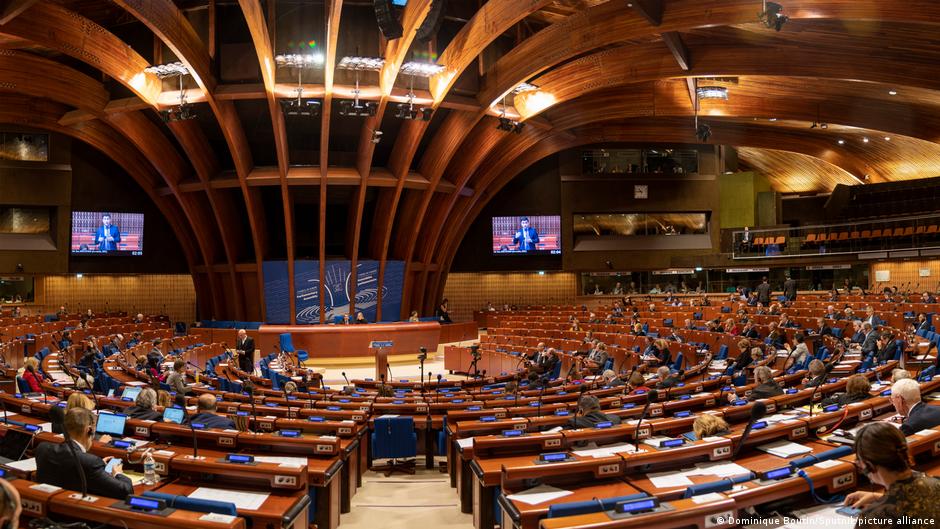
The Council of Europe’s Parliamentary Assembly criticized Georgia for democratic backsliding and urged reforms amid political tensions affecting governance and the digital economy.

Former President Trump praised Zelensky's resilience in the Russia-Ukraine war and criticized European diplomatic stances, highlighting potential impacts on global fintech and economic stability.

The US and Iran agreed on a communication channel to prevent incidents in the Strait of Hormuz, aiming to finalize broader agreements within 60 days, impacting regional security and fintech sectors.

Germany urges Turkey to exclude Russian gas in future EU energy deals, impacting fintech and digital payments as Turkey aims to become a regional gas hub.

The US has lifted its naval blockade of the Strait of Hormuz, enabling record oil shipments and initiating a 60-day negotiation period with Iran to finalize a peace deal.

Pakistan announces the Strait of Hormuz will reopen immediately following a US-Iran peace deal, signaling shifts in global trade and fintech opportunities.

Hungary limits prime minister terms to two four-year periods, preventing Viktor Orbán’s return and impacting political dynamics in fintech and digital economy sectors.

Trump cancels planned US strikes on Iran amid diplomatic progress, impacting energy flows, cybersecurity risks, and fintech markets in the Middle East.

SpaceX’s $75 billion IPO sets a record, valuing the company at $1.77 trillion and amplifying its impact on fintech through satellite internet and space technology.

Israeli airstrikes on Iran escalate tensions amid US-led peace talks, posing risks to fintech, digital payments, cybersecurity, and tech sector stability in the Middle East.

Israel and Lebanon, with US mediation, agreed on a ceasefire requiring Hezbollah’s withdrawal and new security zones, aiming to stabilize the region and support economic resilience.

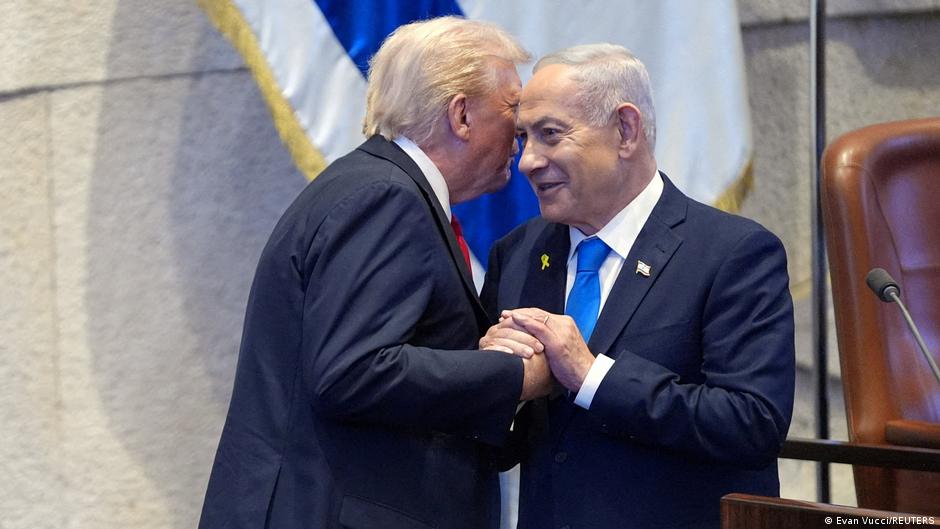
Donald Trump harshly criticized Israeli PM Netanyahu over Lebanon strikes, highlighting risks to regional stability and US diplomatic efforts amid escalating conflict.

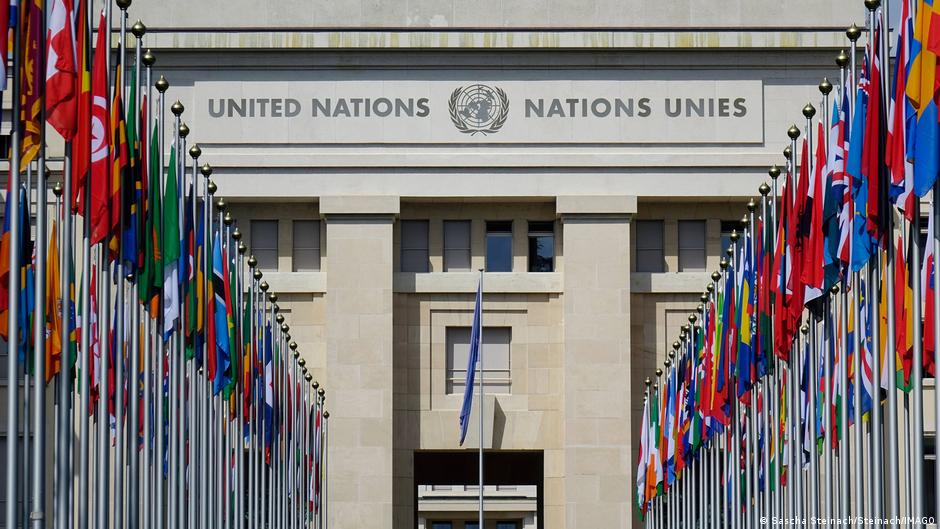
Delayed payments from the US and China threaten the UN's budget stability, forcing drastic cuts and operational changes with broader fintech sector implications.

US military launched defensive strikes on Iranian missile sites and mine-laying vessels amid a fragile ceasefire, raising implications for fintech, cybersecurity, and tech stocks.

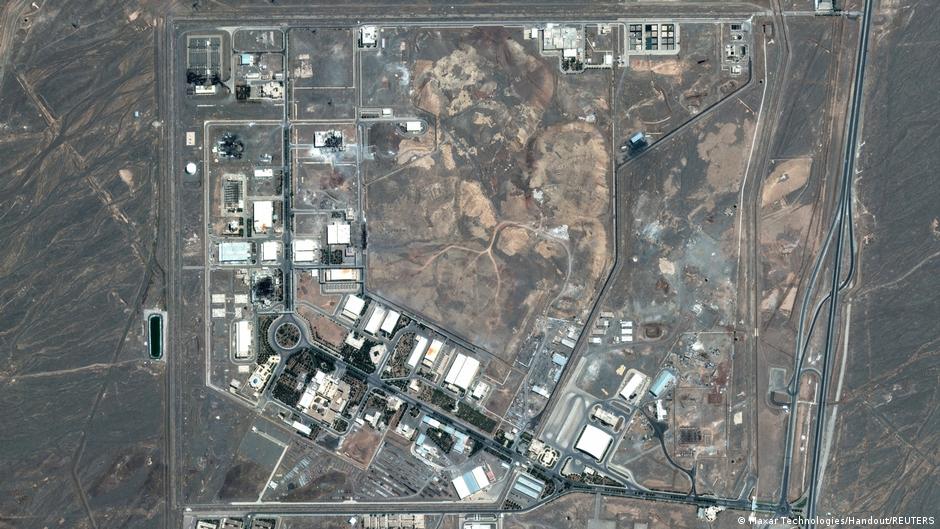
Trump's statement on Iran's uranium stocks underscores geopolitical risks impacting fintech, digital banking, and cybersecurity amid escalating tensions.

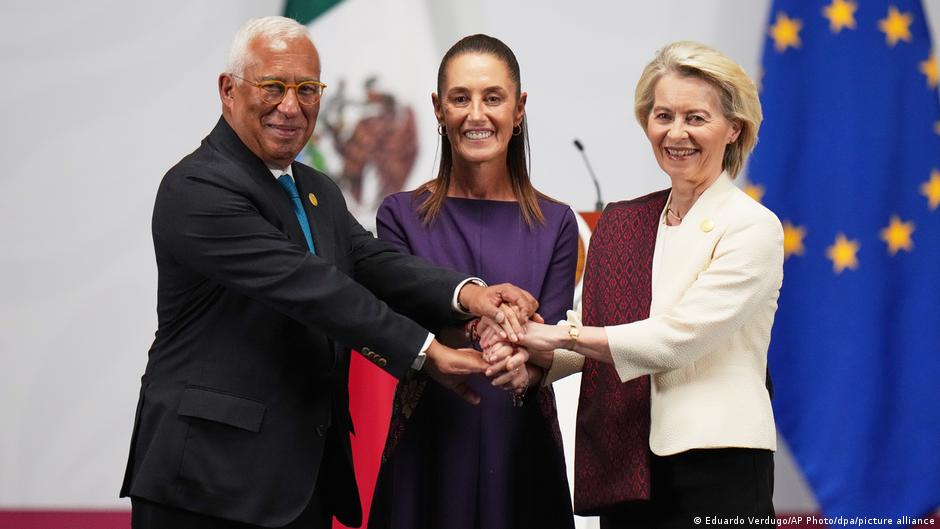
The new EU-Mexico trade deal removes tariffs and trade barriers, fostering fintech growth, digital banking, and cross-border payments between the two economies.

Moscow has approved Clemens von Goetze as the new German ambassador amid heightened Russia-Germany tensions affecting fintech and digital economy relations.

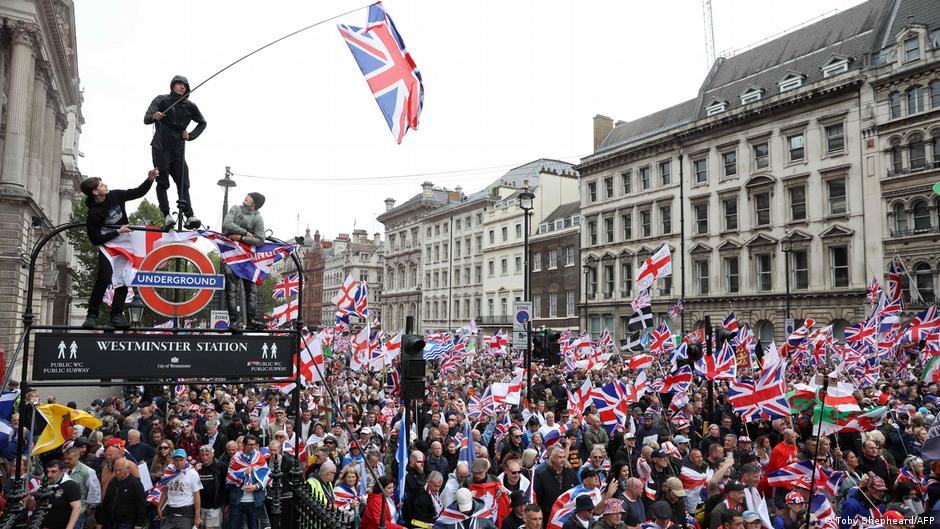
Two major London rallies on May 16 exposed social divides that may influence the UK's fintech sector through regulatory, cybersecurity, and investment channels.
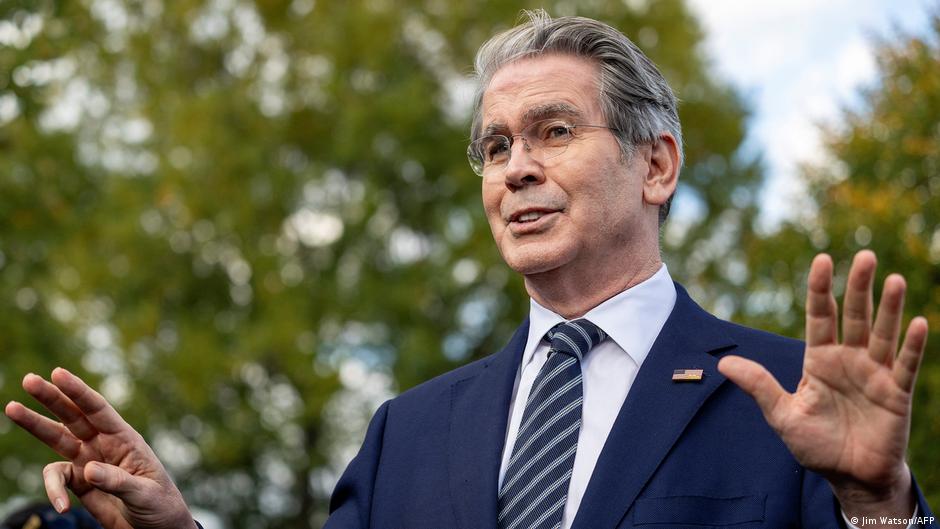
The US has ended its temporary waiver on sanctions for Russian oil shipments, impacting global energy payments and fintech compliance requirements amid geopolitical tensions.

Ukraine and Germany accelerate cooperation on air defense and drone production, including AI-driven technologies, to bolster Kyiv’s protection amid ongoing missile attacks.

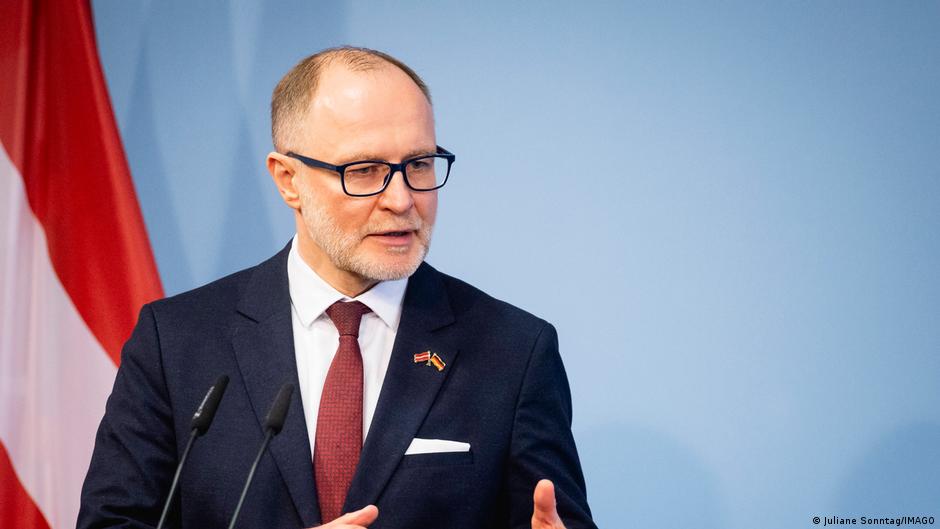
Latvia's ruling coalition collapses after Defense Minister resigns, raising concerns about governance stability and implications for fintech, cybersecurity, and digital economy policies.

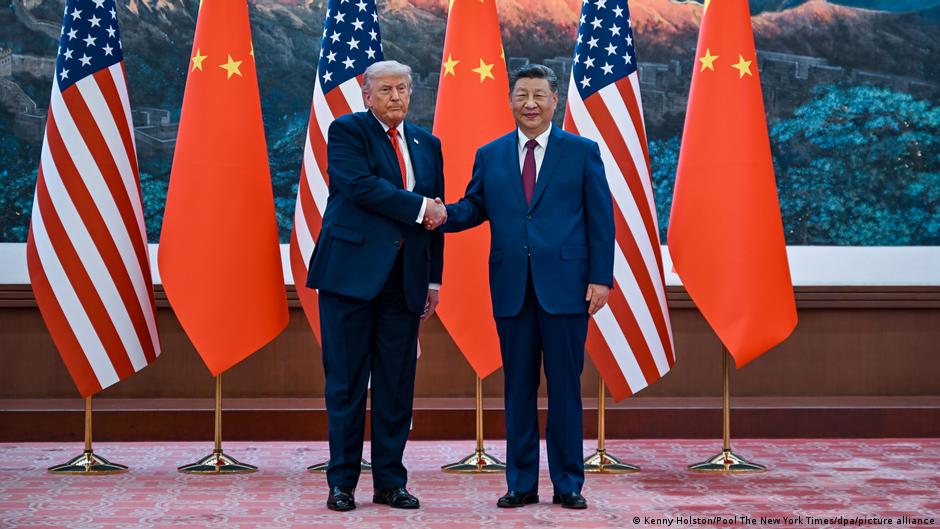
Trump's Beijing visit with Xi Jinping focuses on trade, energy security, and tech cooperation, influencing global fintech and digital economy sectors.

Uzbekistan’s meat imports rose 62.8% in early 2026, driven by slower domestic production and rising global prices, impacting consumer prices and digital economy dynamics.

The potential relocation of US troops from Germany to Poland may accelerate digital defense investments and impact cybersecurity and fintech sectors in Eastern Europe.

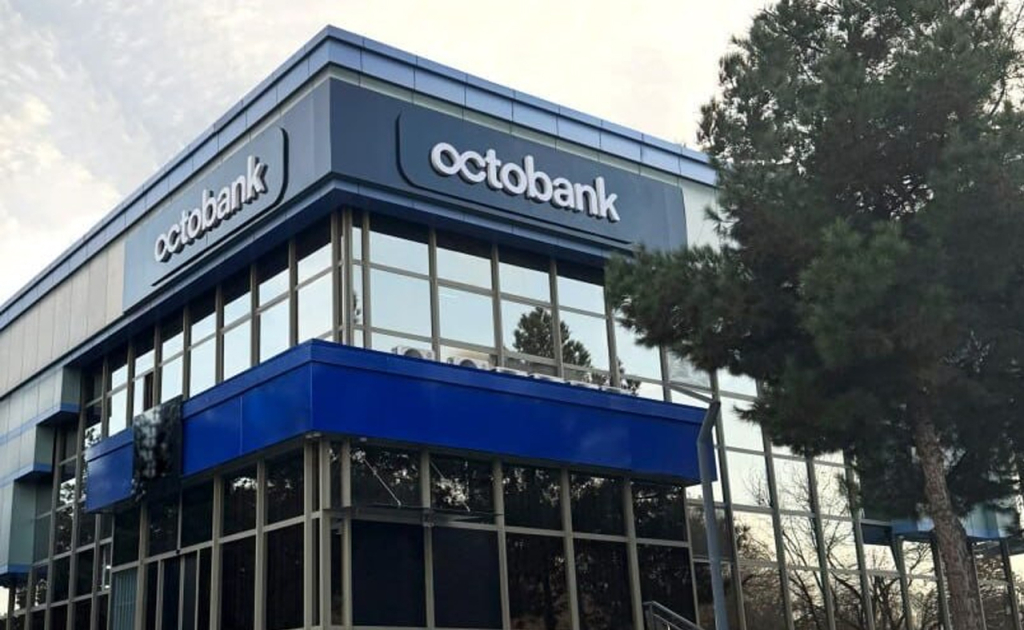
Uzbek banks, led by Octobank and National Bank, saw over 30% deposit growth in early 2026, driven by corporate deposits and digital banking adoption.

US President Trump postpones raising auto tariffs on EU imports until July 4 amid ongoing disputes over compliance with a major trade agreement.

Renewed Iranian missile and drone strikes on the UAE threaten regional security, trade routes, and the stability of the Gulf's burgeoning fintech and digital economy sectors.

Jean-Luc Mélenchon confirms his candidacy for France's 2027 presidential election, highlighting potential impacts on fintech regulation and digital economy policies.