Trump Signs Graham Sanctions Bill Targeting Russian Energy and Banks
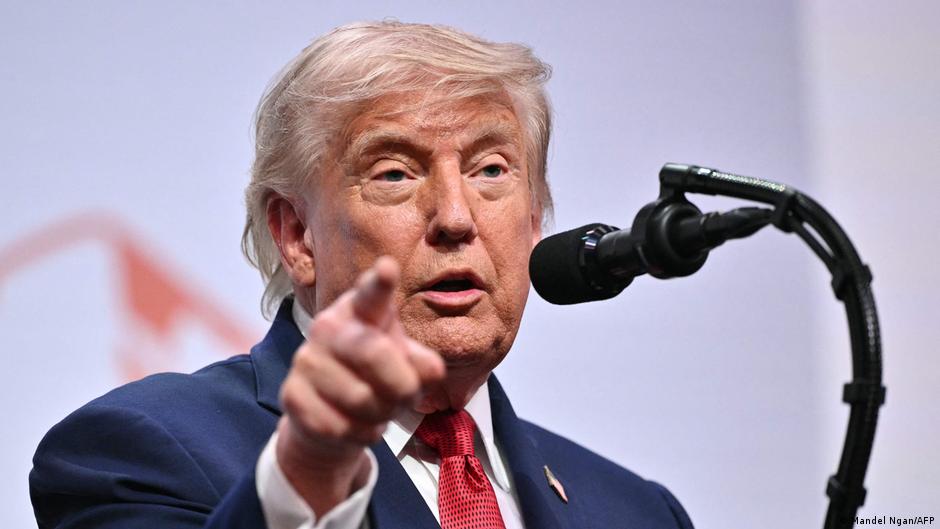
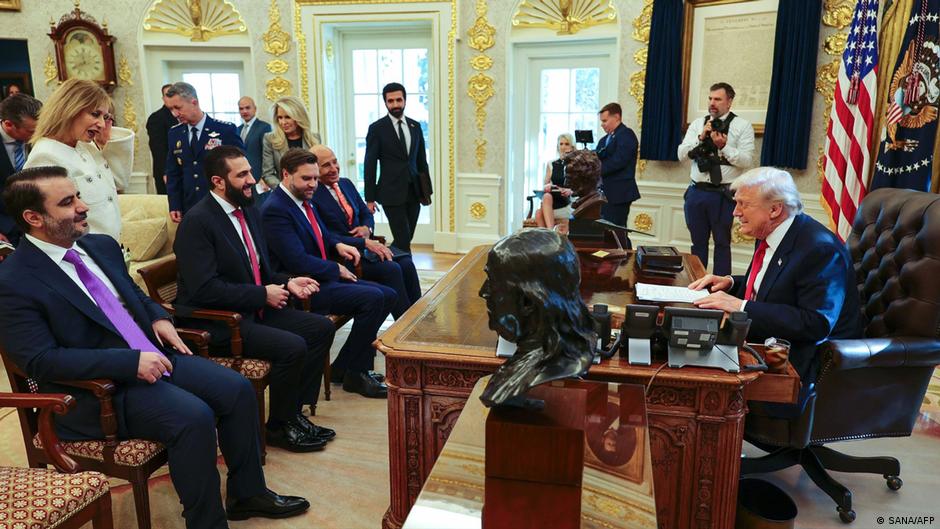
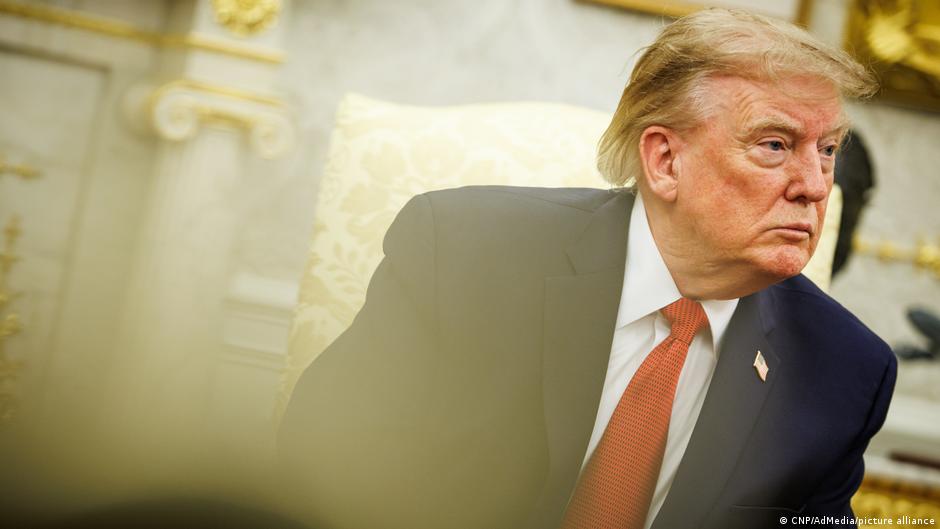
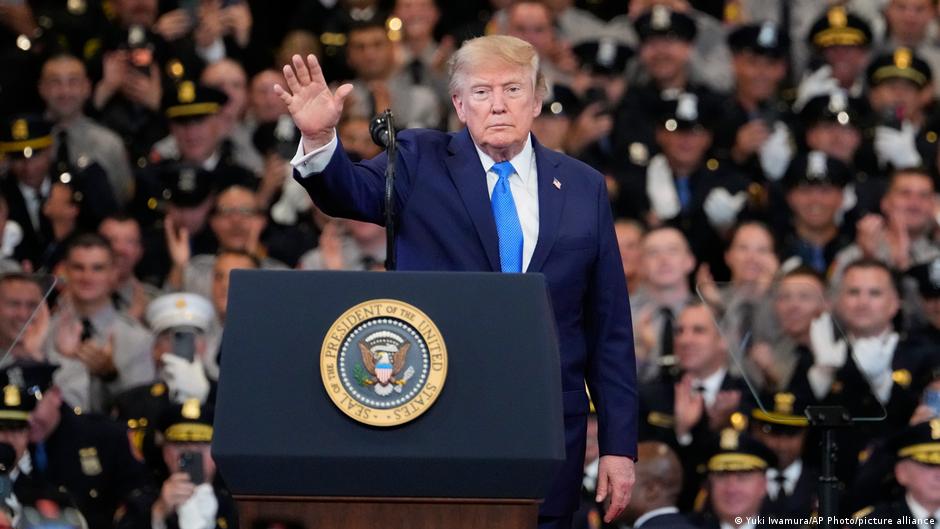
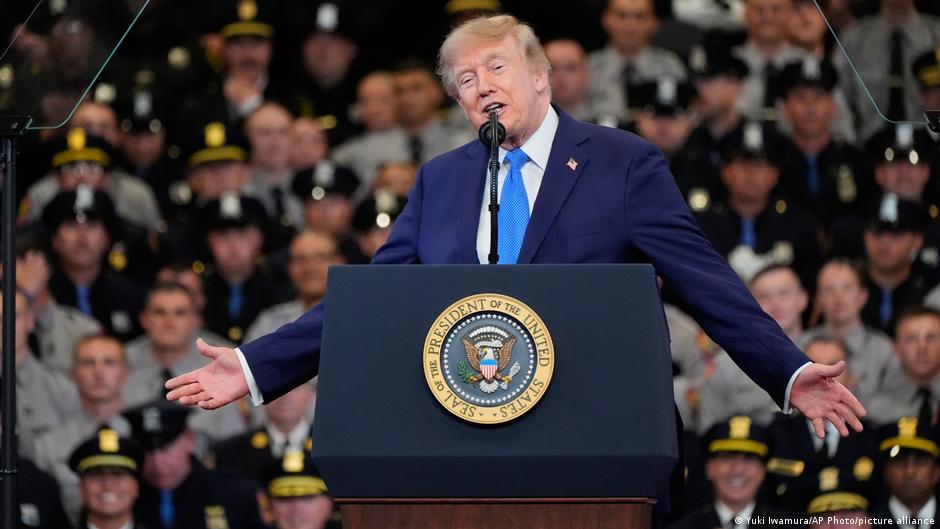
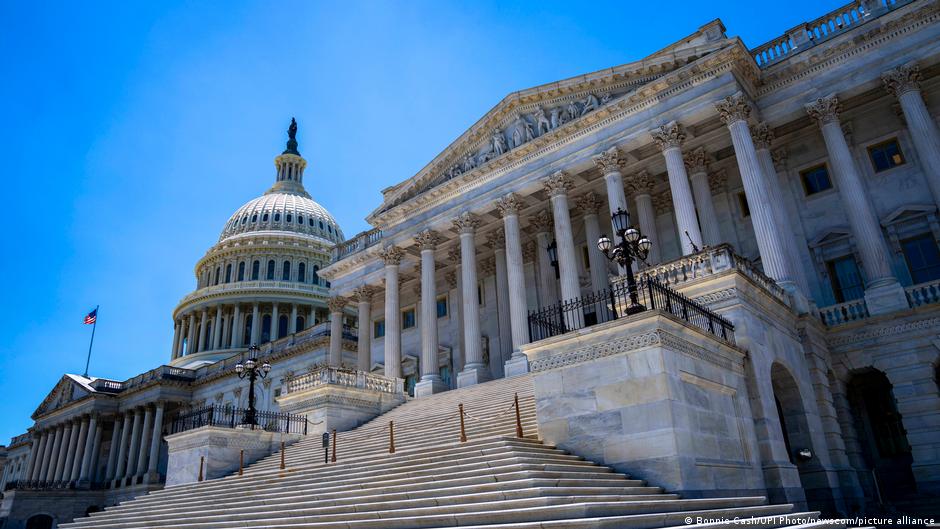
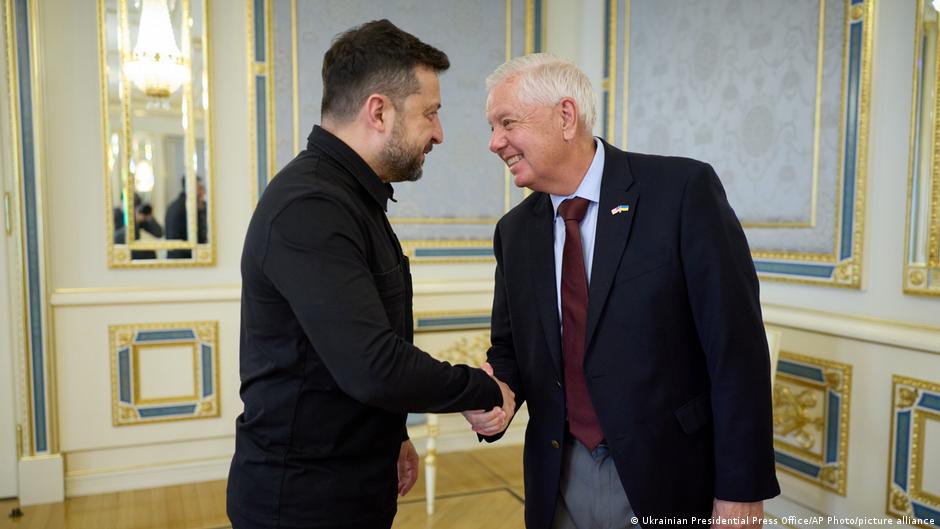
Trump signed the Graham sanctions bill, giving the White House broad powers over Russian energy tariffs, banks and sanctions evasion networks.

Trump signed the Graham sanctions bill, giving the White House broad powers over Russian energy tariffs, banks and sanctions evasion networks.

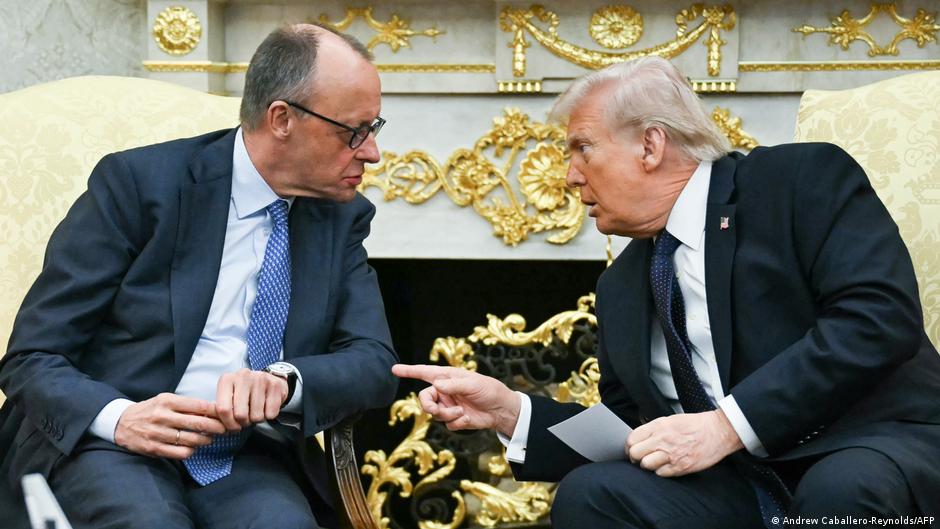
Friedrich Merz says unconditional transatlantic friendship may be over, with implications for Germany’s economy, security and digital sectors.

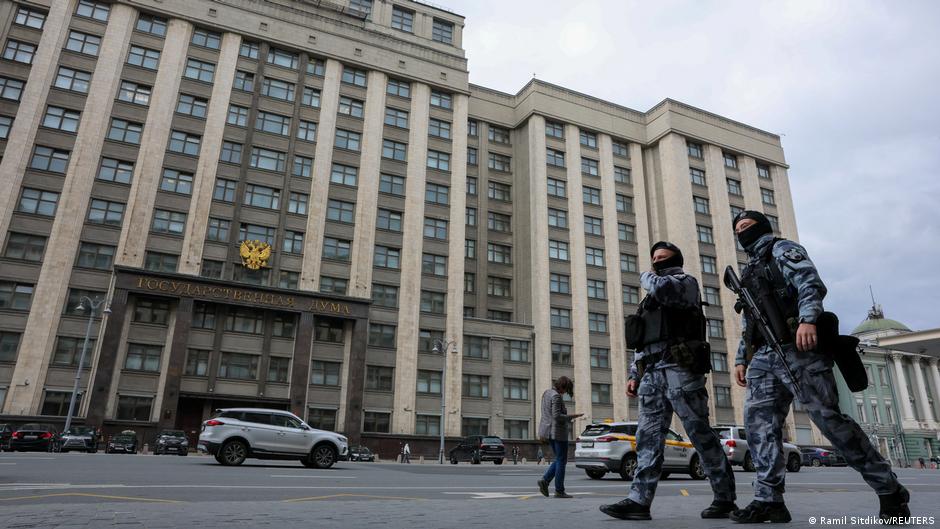
Russia’s three-day Duma vote begins as officials warn of AI-generated polling-place videos and extend voting to occupied Ukrainian territories.

Trump warned of steep tariffs or a trade halt with Europe if the EU’s expanding Canada partnership is deemed hostile by Washington.

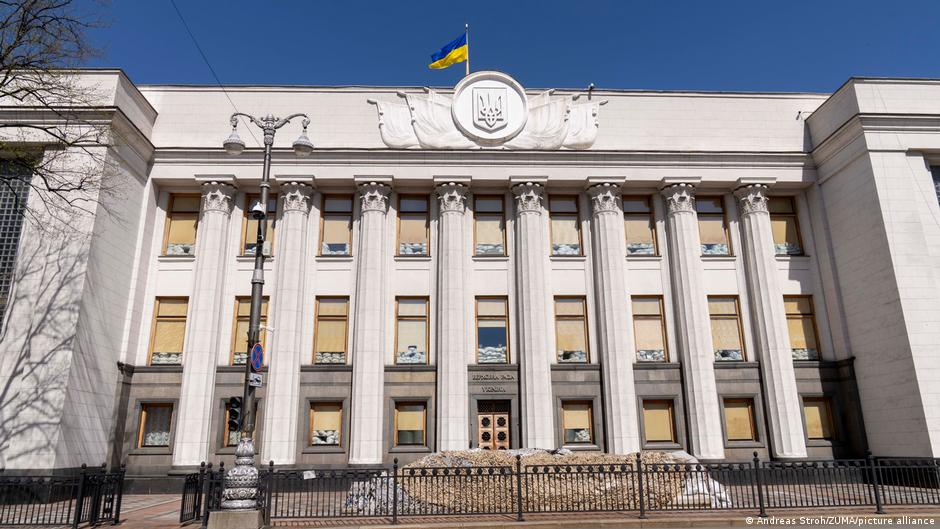
Ukraine’s parliament will review seven difficult bills linked to Western aid as Kyiv seeks to close a wartime budget gap.

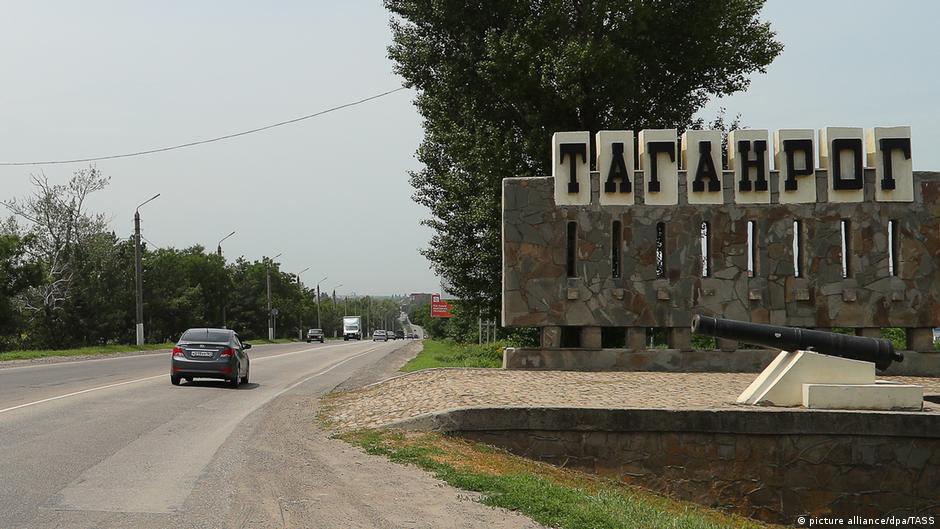
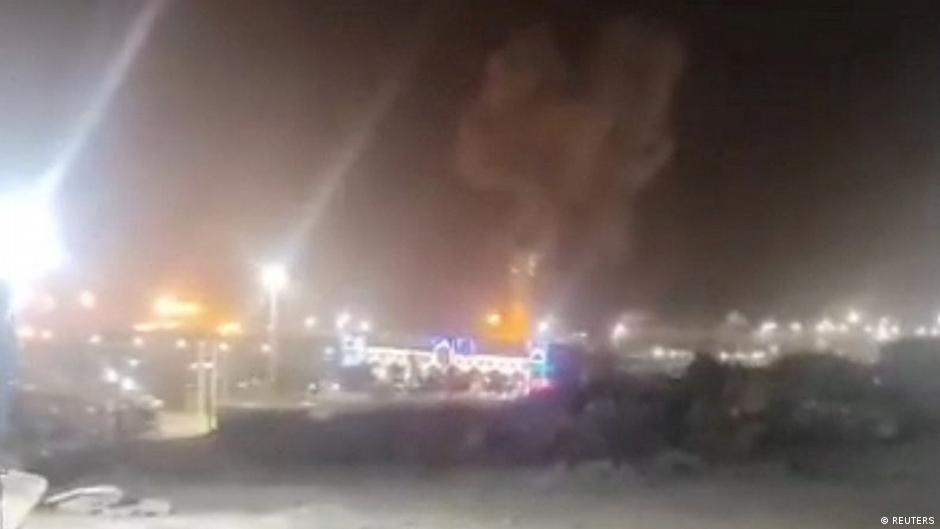
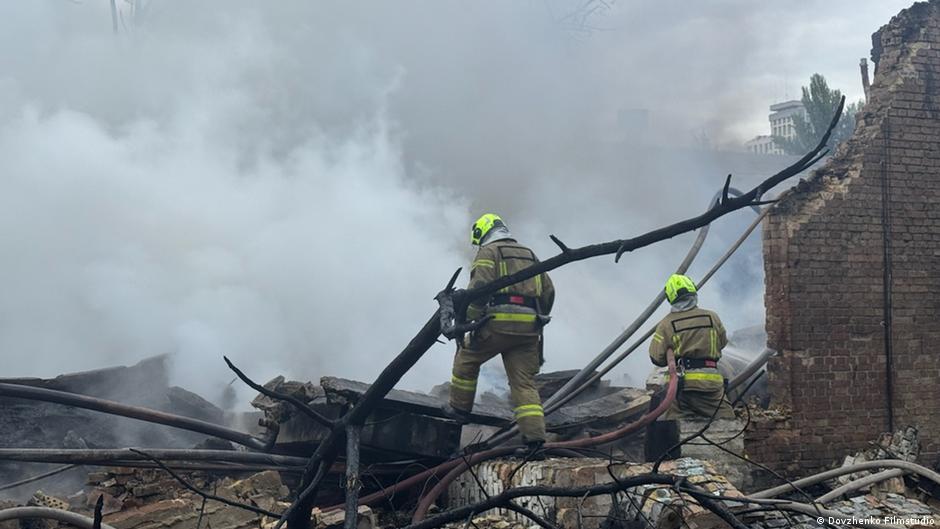
Strikes on Syzran refinery and Taganrog facilities damaged energy and logistics assets, including an Ozon warehouse, raising digital economy risks.

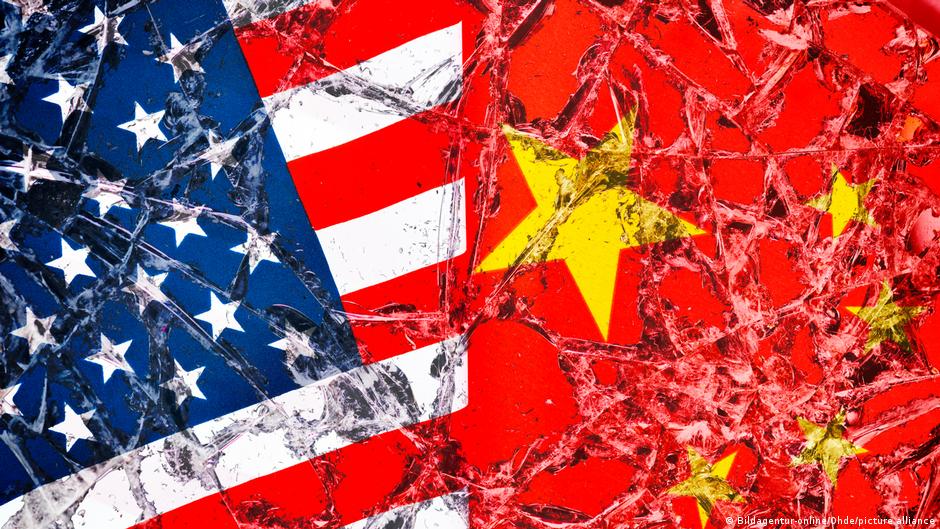
China urged the U.S. to stop preparing for war in space after Washington confirmed orbital weapons, raising risks for digital infrastructure.

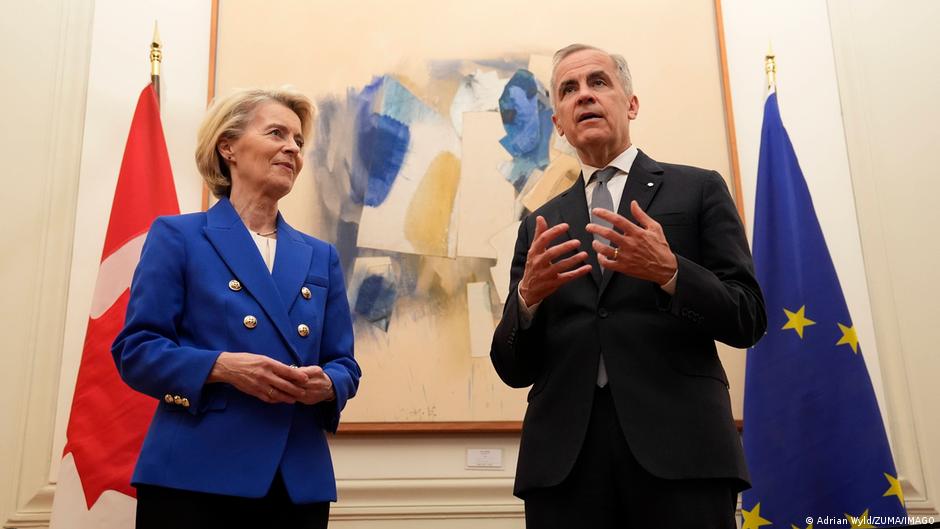
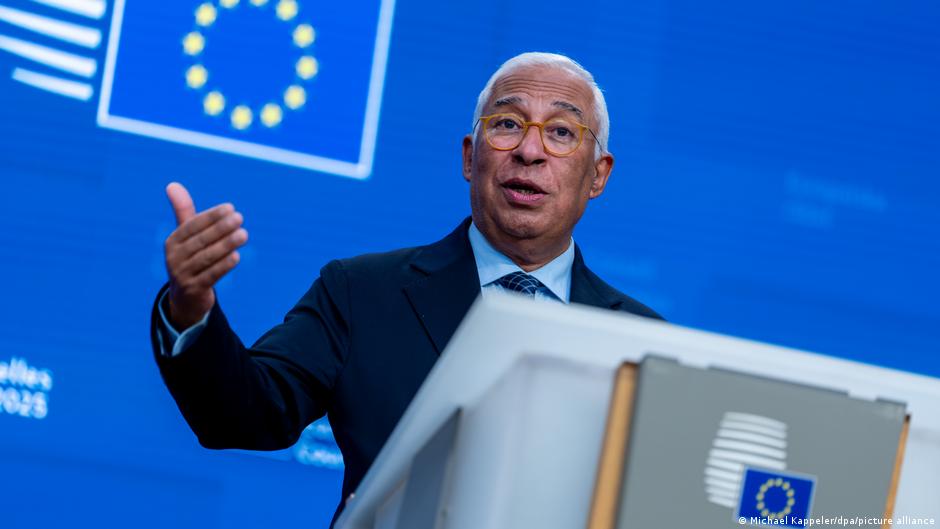
Canada is negotiating entry into the EU’s €90 billion Ukraine loan while pursuing AI, supercomputing and digital trade ties with Brussels.

Russia is expected at the G20 energy meeting in Houston as energy security risks ripple through payments, banking, crypto and tech markets.

Georgia detained former defense minister Giorgi Baramidze in a treason case that adds political risk for fintech and digital-economy investors.

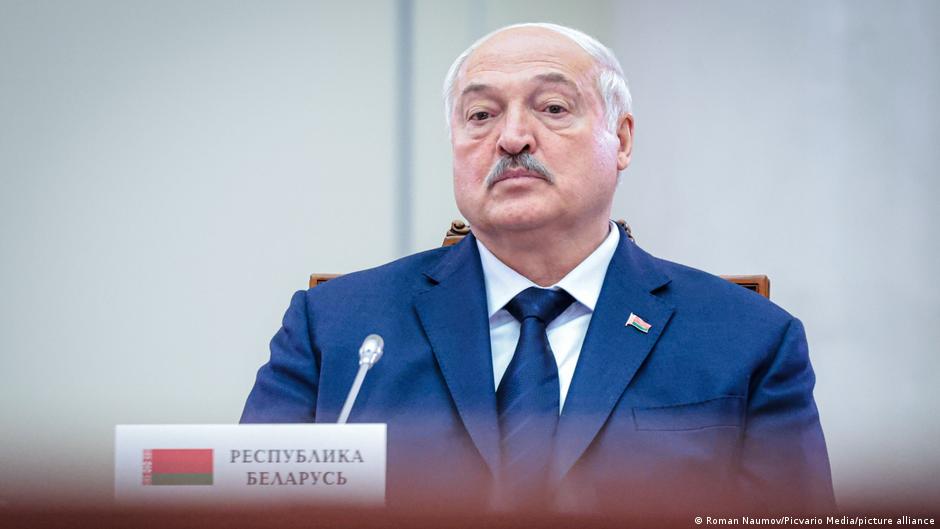
Lukashenko says Belarus will inspect all armed forces up to mobilization readiness, adding risk for payments, crypto and regional tech exposure.

Houthi control near Bab el-Mandeb could disrupt oil flows and ripple through payments, crypto, digital banking and tech stocks.

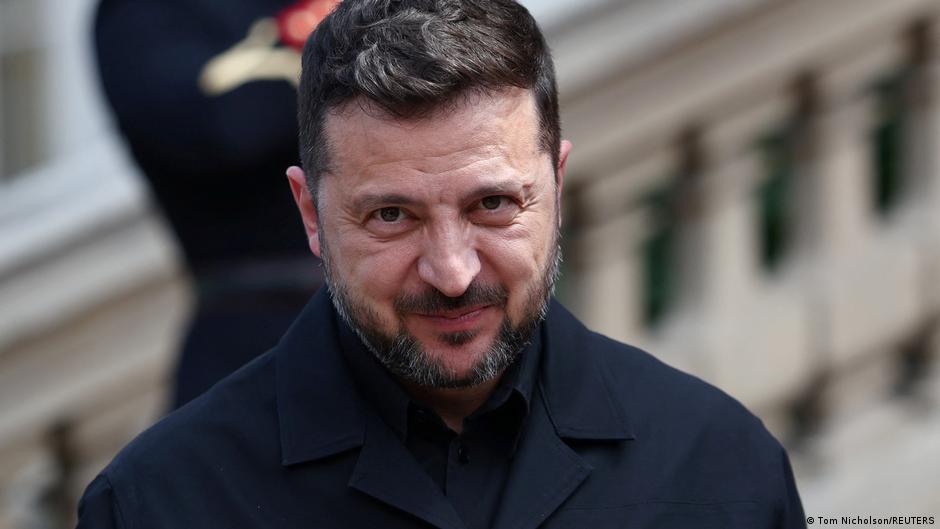
Zelensky says he expects a US delegation meeting by late September focused on energy and food security amid attacks on infrastructure.

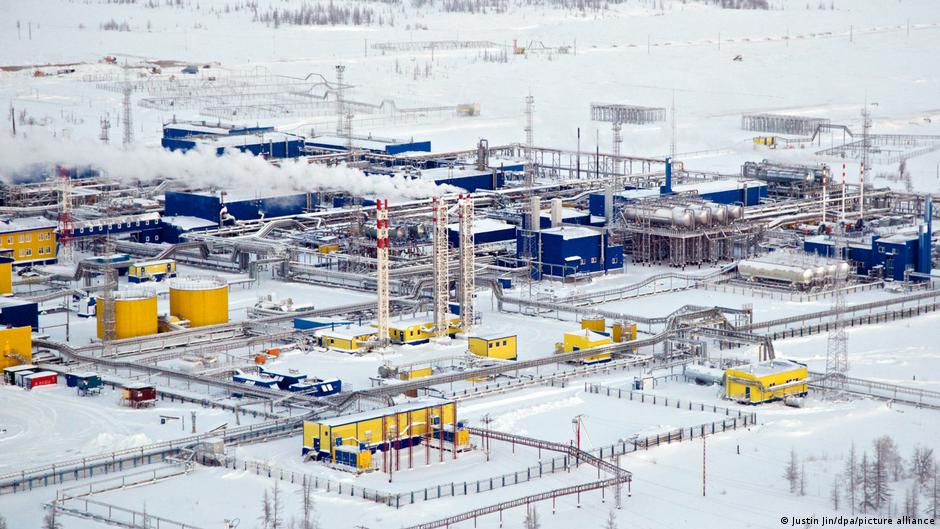
A first reported drone attack on Russia’s Yamal gas region highlights new infrastructure risks for energy finance, payments and tech markets.

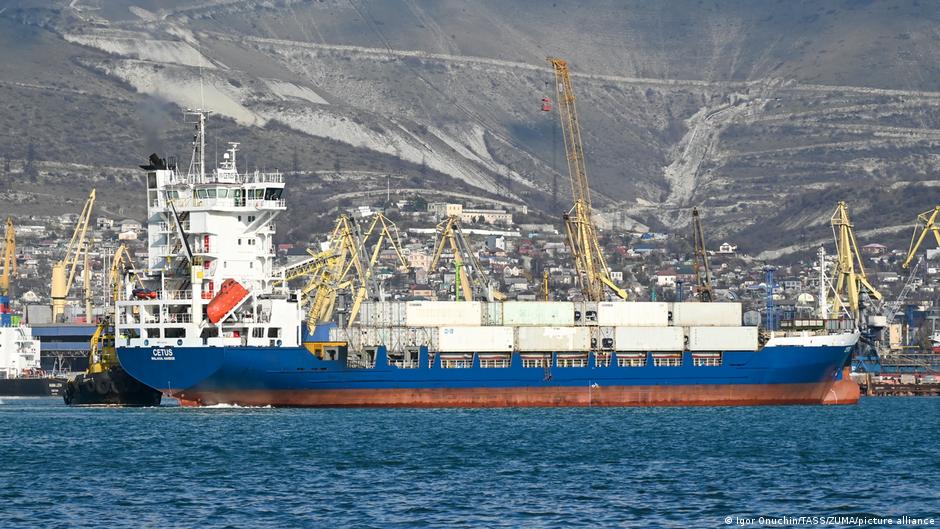
A drone attack on Novorossiysk reportedly caused fires at a fuel oil terminal and residential building, renewing focus on trade and payment risks.

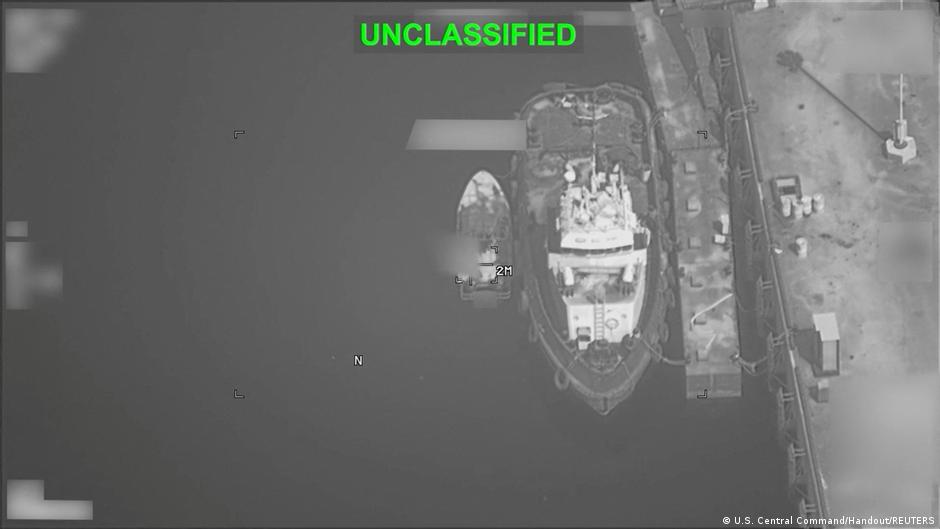
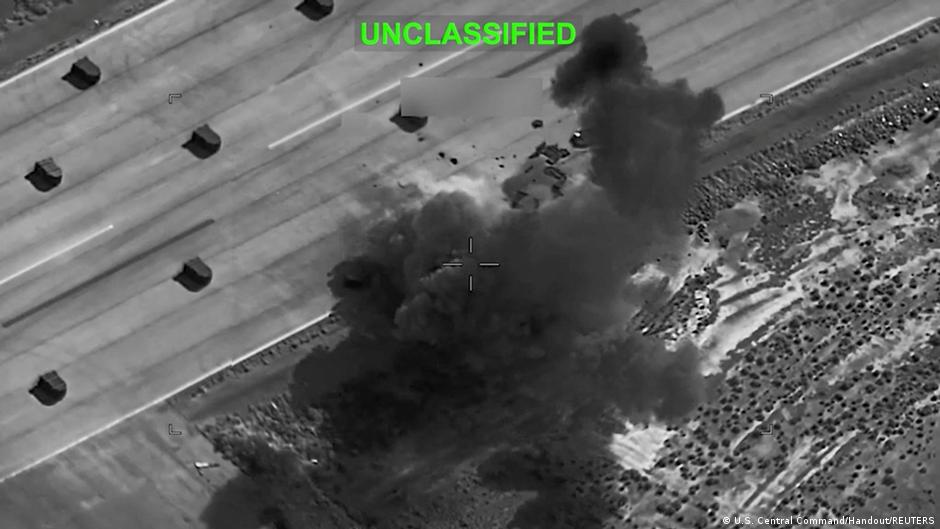
CENTCOM said five Iranian oil tankers were destroyed after missile attacks on a U.S. Navy ship, raising Gulf energy and finance risks.

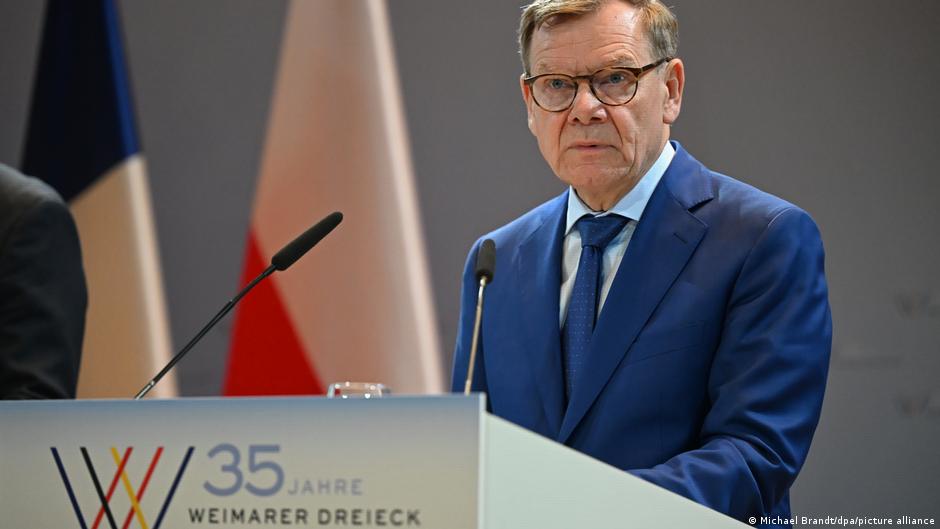
Germany’s foreign minister says German defense firms should benefit from Berlin’s Ukraine support, tying aid to procurement and taxpayer accountability.

Finland completed a 200-kilometer Russia border fence, adding technical surveillance as Europe links physical security with digital risk.

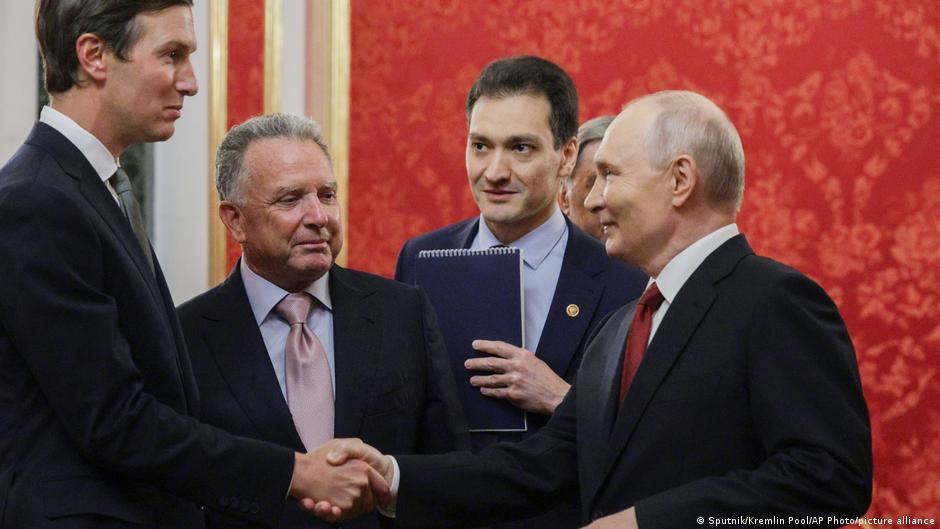
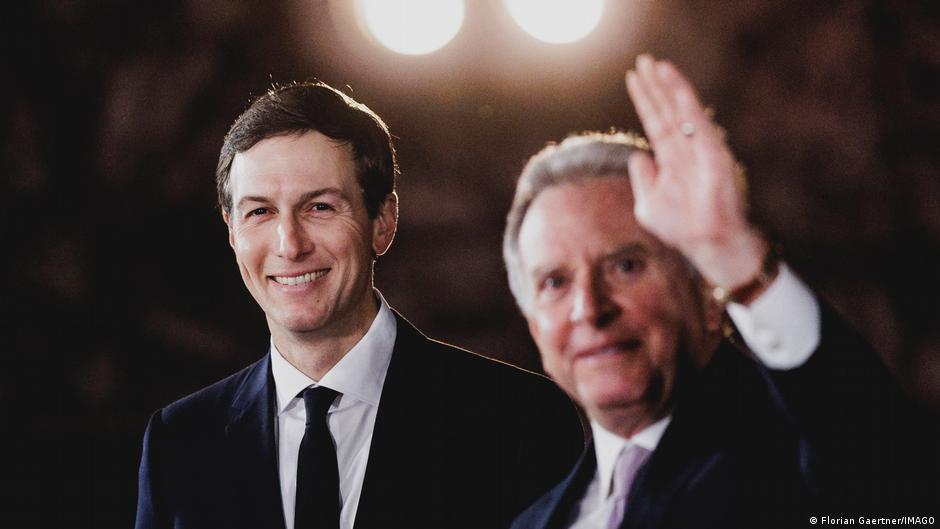
U.S. envoys discussed Ukraine peace plans with Putin and are heading to Kyiv, with fintech markets watching sanctions, payments and cyber risk.

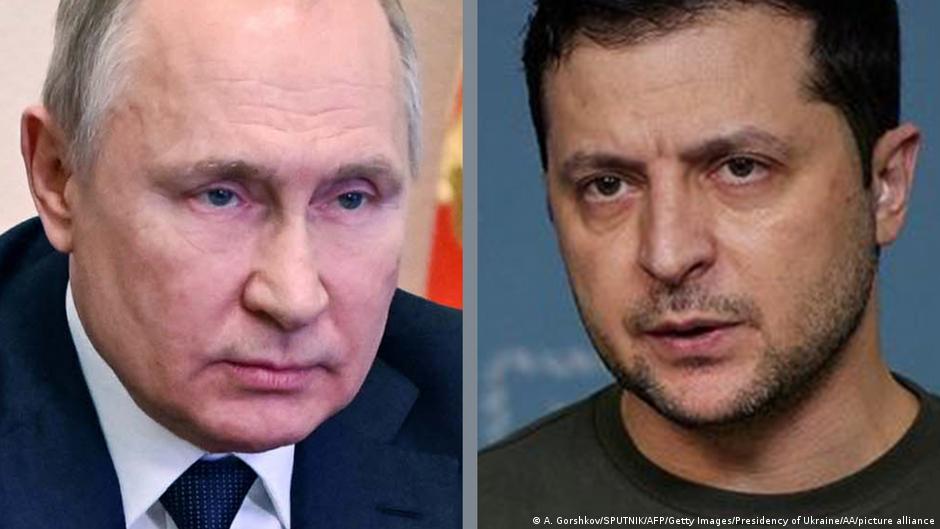
Putin said peace through diplomacy is possible, while Zelensky said U.S. envoys will visit Kyiv and Moscow to discuss a possible agreement.

Norway’s seizure of a Russian research vessel in a Naftogaz claim highlights rising legal and compliance risk across shipping, payments and digital finance.

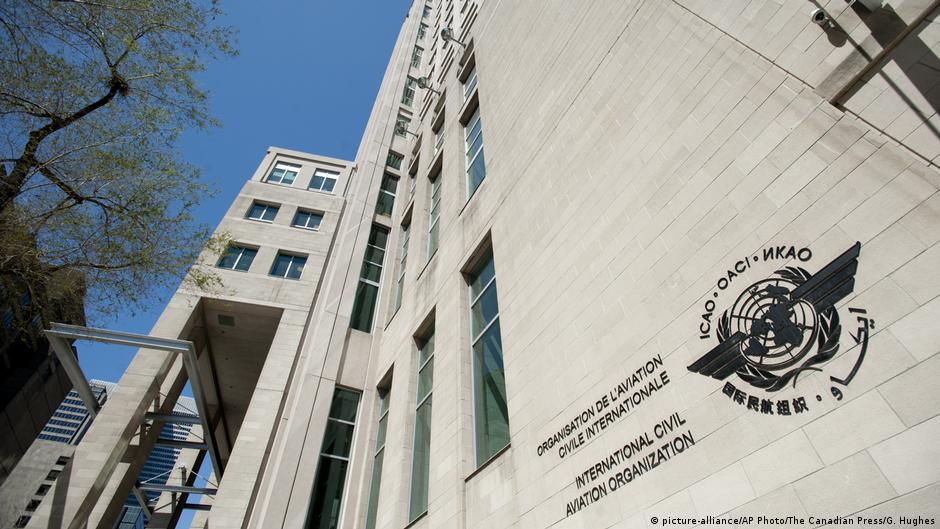
ICAO urged tougher safeguards for civilian aircraft after Ukraine warned that intensified military activity has made Russian airspace unsafe.

Putin told Pashinyan that Armenia’s move toward EU membership would amount to leaving the EEU, escalating a dispute with implications for trade and finance.

Reuters reports the U.S. told Russia at the G20 not to expect sanctions relief before the war in Ukraine ends, extending pressure across finance and payments.

The US removal of Syria from the terrorism sponsor list opens pathways for economic integration, fintech growth, and digital banking expansion amid complex regional geopolitics.

President Trump announced sweeping economic sanctions against Iran, threatening countries that do business with Tehran, impacting global trade, fintech, and digital payments.

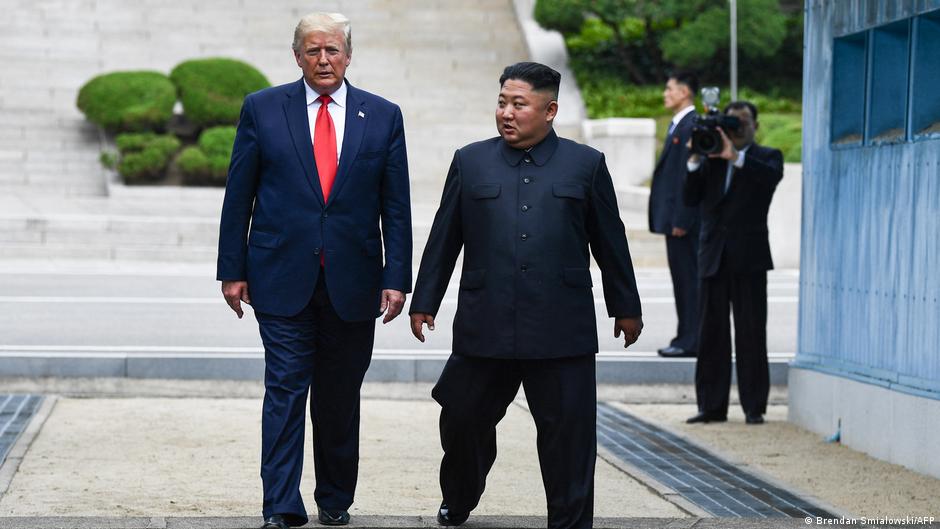
US President Trump plans a meeting with North Korea's Kim Jong Un this fall to restart nuclear talks amid growing concerns over Pyongyang's expanding arsenal.

US-Iran conflict over the Strait of Hormuz threatens oil trade routes and digital payment systems, with Oman caught in diplomatic crossfire amid escalating military tensions.

Support for Germany's CDU/CSU drops to 20% with far-right AfD leading polls; upcoming regional elections may reshape political and fintech sector landscapes.

President Trump plans to declare the Strait of Hormuz U.S. territory, affecting global energy security and digital financial markets amid ongoing U.S.-Iran tensions.

Venezuela freed 131 political prisoners and agreed on judicial reforms after reconciliation talks, potentially impacting the country's fintech and digital economy sectors.

Belarus orders underperforming agricultural workers to serve in the military, aiming to enforce labor discipline amid harvest season labor shortages.

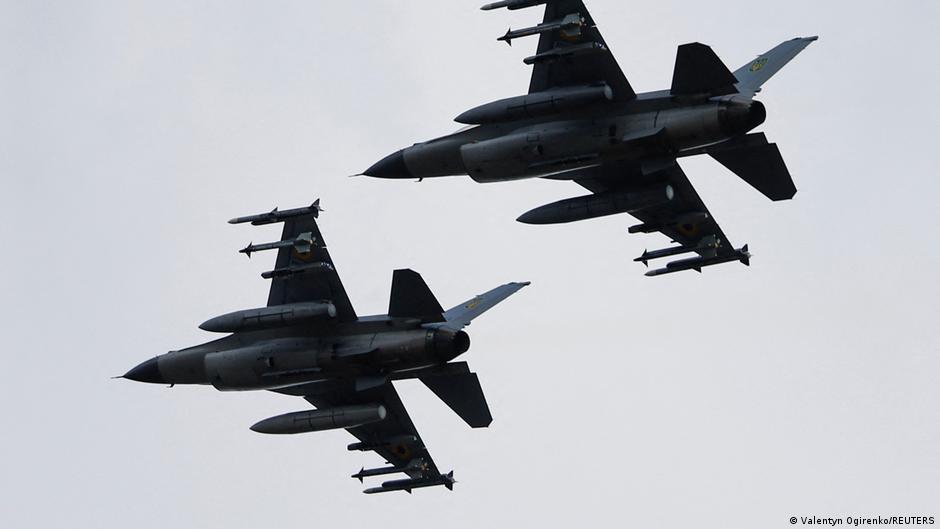
Ukraine has lost its fourth F-16 fighter jet amid the conflict, raising concerns about operational risks and the technological challenges of integrating advanced Western military aircraft.

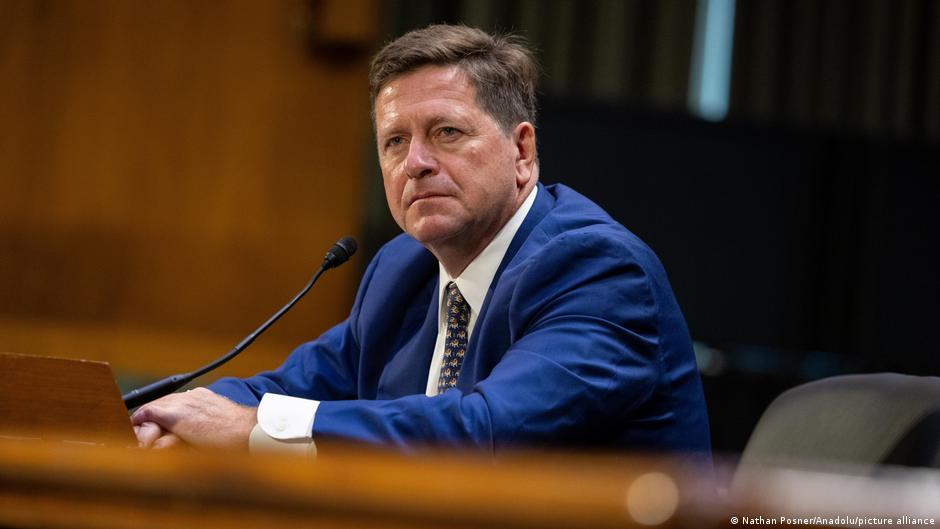
Jay Clayton is confirmed as US Director of National Intelligence, bringing legal and regulatory expertise but no prior intelligence experience to the role amid bipartisan concerns.

President Zelensky visits Washington where the US Senate will vote on new sanctions against Russia, underscoring rising geopolitical tensions impacting fintech and global payments.

The IMF has approved a €604 million disbursement to Ukraine following satisfactory progress in its Extended Fund Facility program, supporting economic and digital sector resilience.

CIA Director John Ratcliffe highlights how AI-powered drones drastically cut Russian soldier survival times in Ukraine, reshaping warfare and defense tech investment landscapes.

US military strikes on Iran escalate tensions, impacting maritime security, digital payments, and fintech sectors amid enforced maritime blockades and retaliatory attacks.

US military strikes on Iran escalate tensions, closing the Strait of Hormuz and disrupting global oil flows with significant implications for fintech, digital payments, and cybersecurity.

Russian drone strikes in Kharkiv and Dnipro cause civilian harm and infrastructure damage, raising cybersecurity and economic risks for Ukraine’s digital economy and fintech sector.

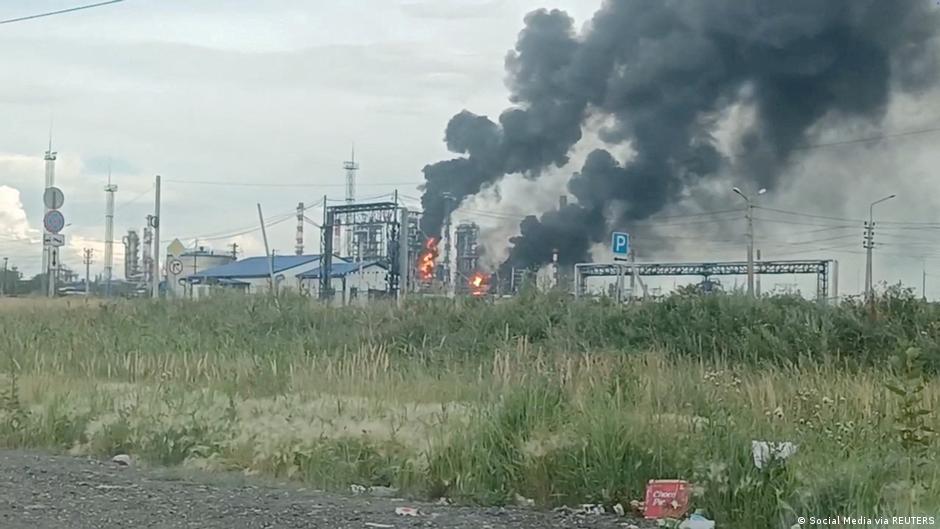
The Saratov oil refinery in Russia has ceased operations after drone attacks damaged key processing units, intensifying fuel shortages and impacting the digital economy.

Uzbek aluminium producer AKFA Aluminium plans its first international bond issuance and investor roadshows in London to boost corporate transparency and governance.

Ballistic missile attacks on Kyiv and other Ukrainian cities pose significant risks to digital infrastructure, fintech services, and cybersecurity amidst ongoing conflict.

The US Senate approved a resolution urging troop withdrawal from Iran conflict zones amid peace talks, highlighting potential impacts on sanctions, digital payments, and fintech sectors.

The US and Iran agreed on a communication channel to prevent incidents in the Strait of Hormuz, aiming to finalize broader agreements within 60 days, impacting regional security and fintech sectors.

US envoy Stephen Whitlock arrives in Switzerland to resume Iran nuclear deal talks amid regional conflicts affecting financial and digital economy prospects.

The EU has initiated discreet talks with Kremlin officials to prepare for future peace negotiations, a move that could impact digital economy sectors like fintech and cybersecurity.

Reports claim UAE will unfreeze billions in Iranian oil funds to reduce regional attacks, though the UAE denies this; diplomatic talks suggest nearing peace.

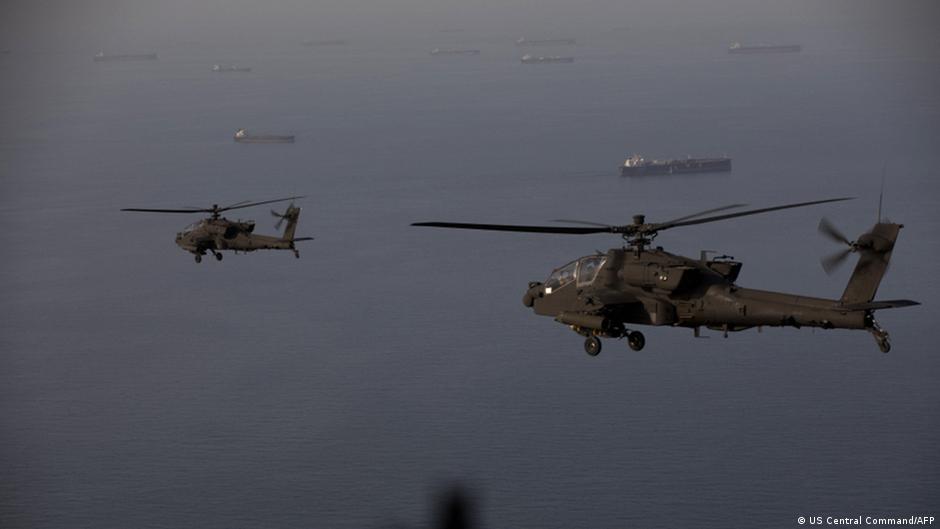
US forces struck Iranian air defenses after Iran downed a US Apache helicopter near the Strait of Hormuz, heightening regional security and financial market risks.

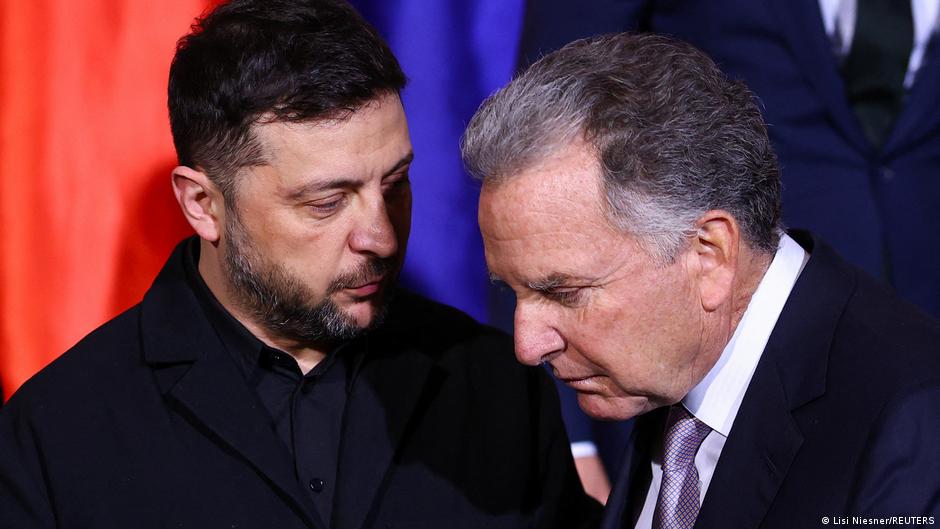
Ukrainian President Zelensky held a positive discussion with US envoys, signaling intensified diplomatic efforts to end the Russia-Ukraine war amid broader economic and security implications.