Putin Says Armenia’s EU Membership Bid Would Mean Exit From EEU
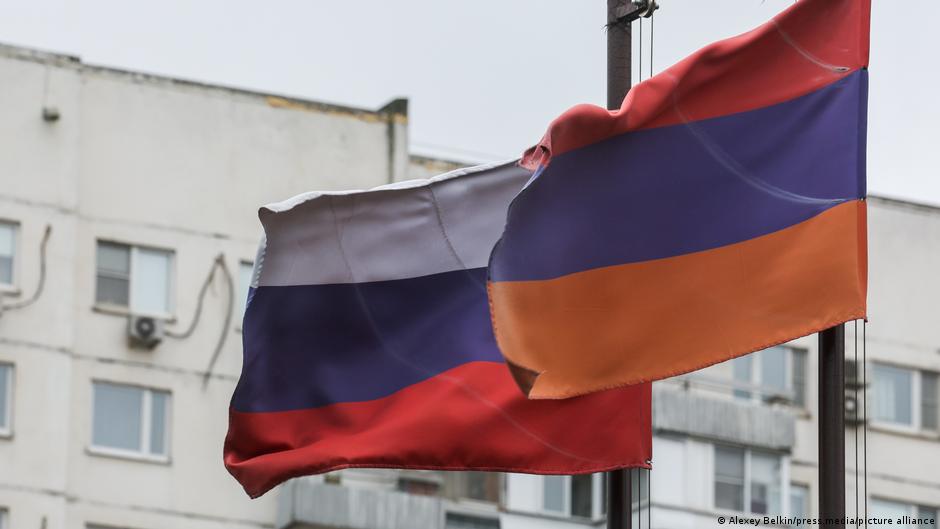
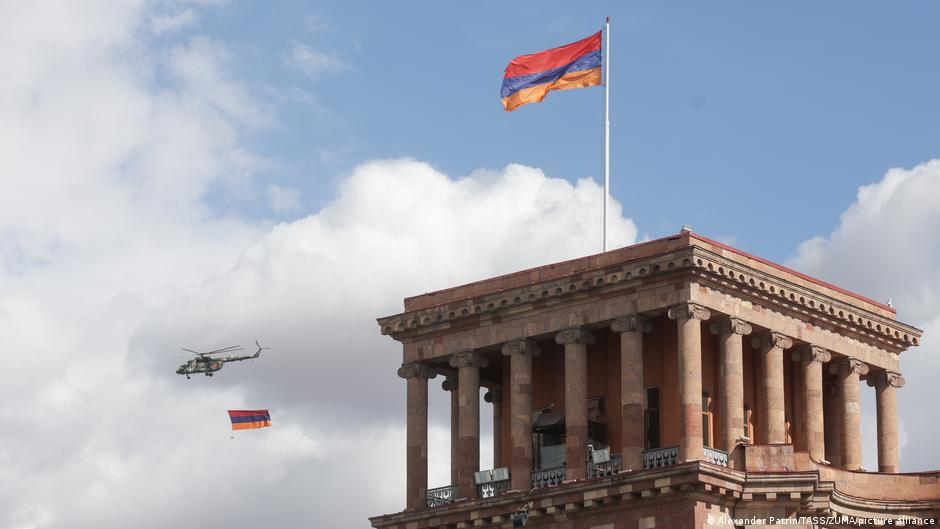
Putin told Pashinyan that Armenia’s move toward EU membership would amount to leaving the EEU, escalating a dispute with implications for trade and finance.

Putin told Pashinyan that Armenia’s move toward EU membership would amount to leaving the EEU, escalating a dispute with implications for trade and finance.

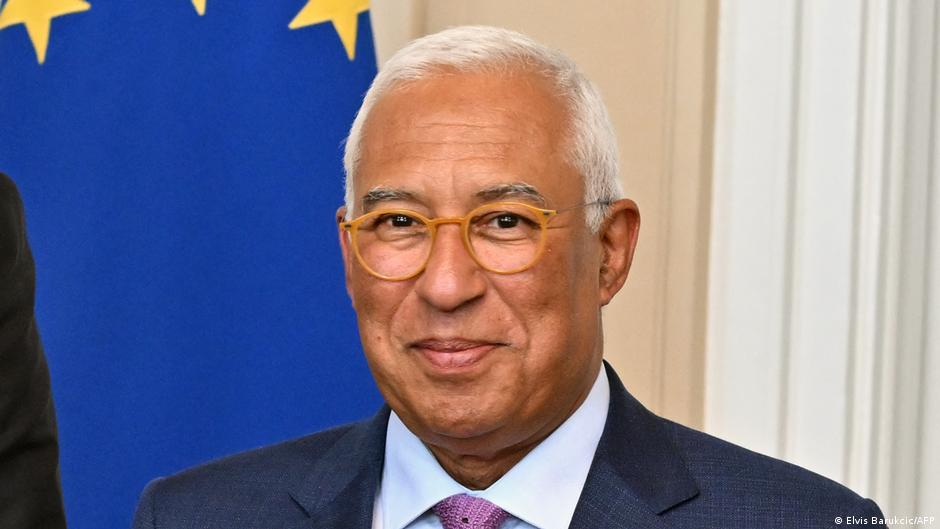
The EU pledges sustained support for Ukraine, emphasizing sanctions on Russia and prospects for Ukraine's EU integration, with implications for fintech and digital economy sectors.

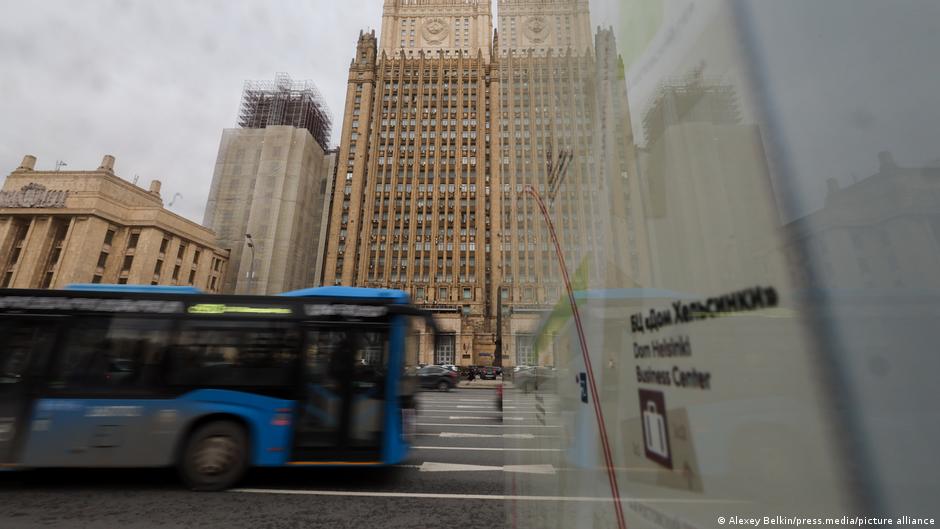
Russia updates regulations to allow people without limbs to drive buses and trucks, leveraging automation to enhance inclusivity for veterans and others with disabilities.

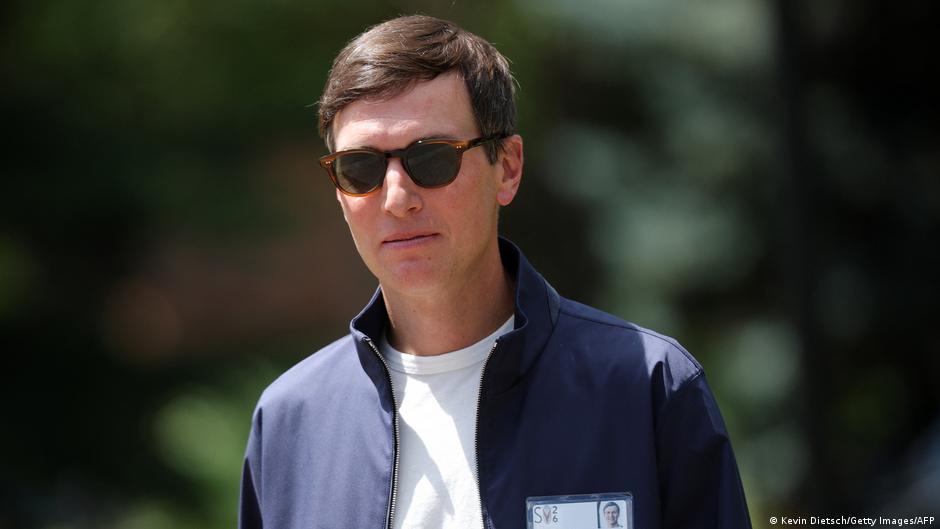
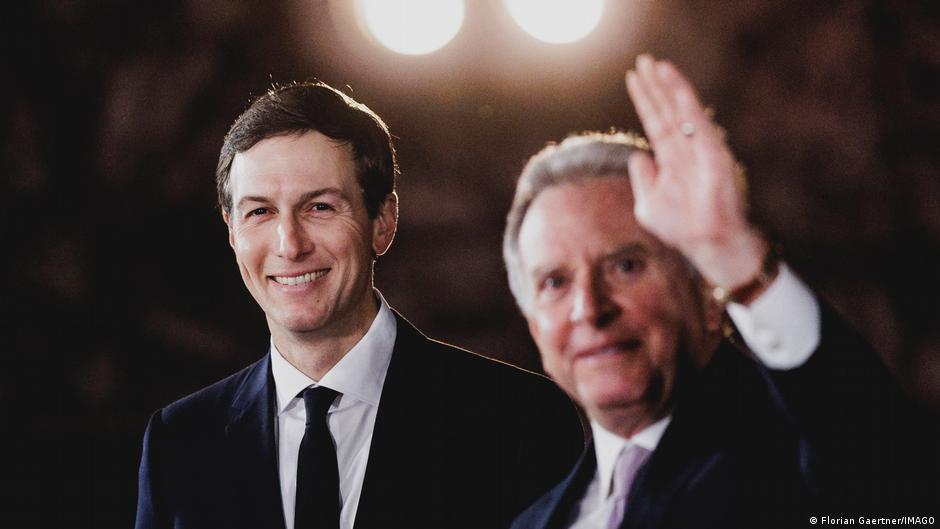
Jared Kushner’s talks with Hamas leaders highlight how Middle East geopolitical tensions affect fintech, digital banking, and cybersecurity amid ongoing Gaza conflict.

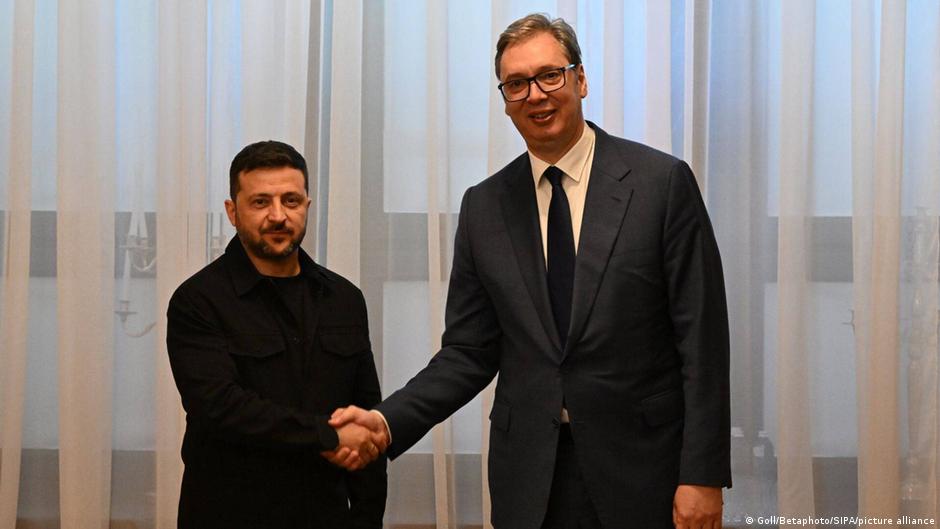
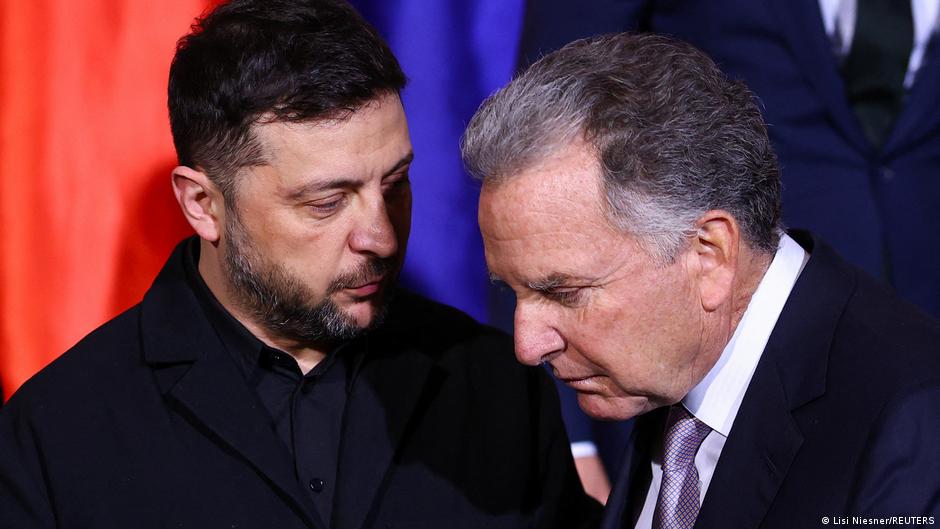
Ukrainian and Serbian presidents met in Belgrade to discuss economic ties, energy cooperation, and security, signaling potential fintech and digital economy collaboration.

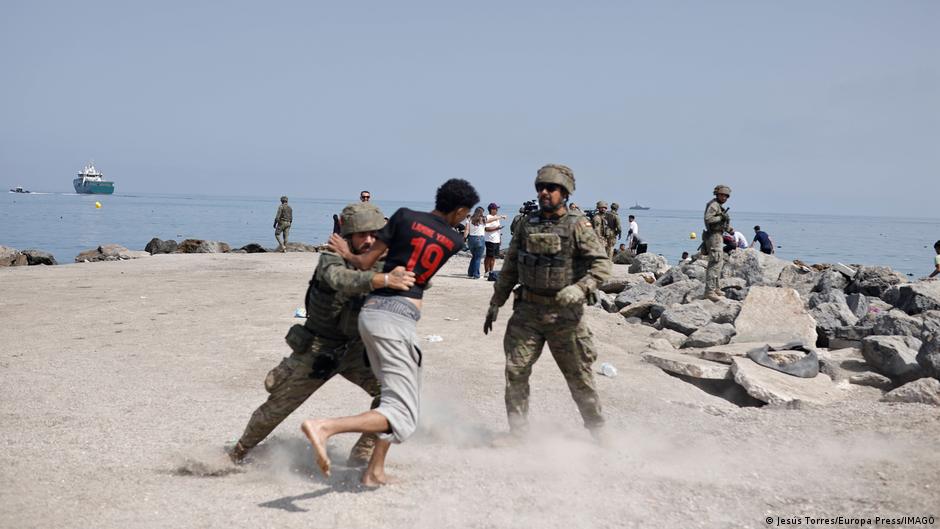
An influx of nearly 60,000 migrants into the Spanish exclave Ceuta has triggered security measures, protests, and regional border suspensions, raising concerns for fintech, digital payments, and cybersecurity sectors.

President Zelensky visits Washington where the US Senate will vote on new sanctions against Russia, underscoring rising geopolitical tensions impacting fintech and global payments.

UK Prime Minister Andy Burnham commits to transferring Stone Cloak electronic warfare system IP to Ukraine, enabling mass production and enhancing digital defense capabilities amid ongoing conflict.

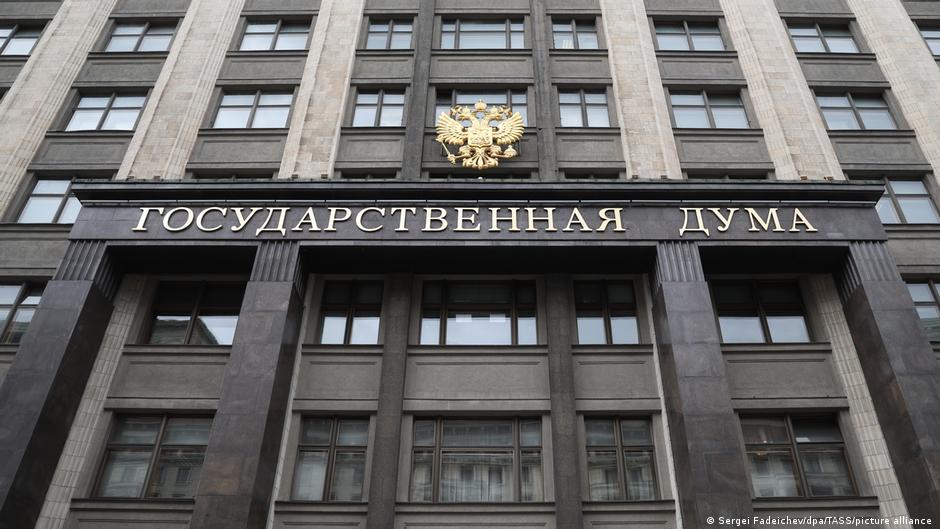
Russia's State Duma amends fuel dampener laws to stabilize prices, expand supply, and introduce new compensation schemes, affecting energy markets and fintech-related trading mechanisms.

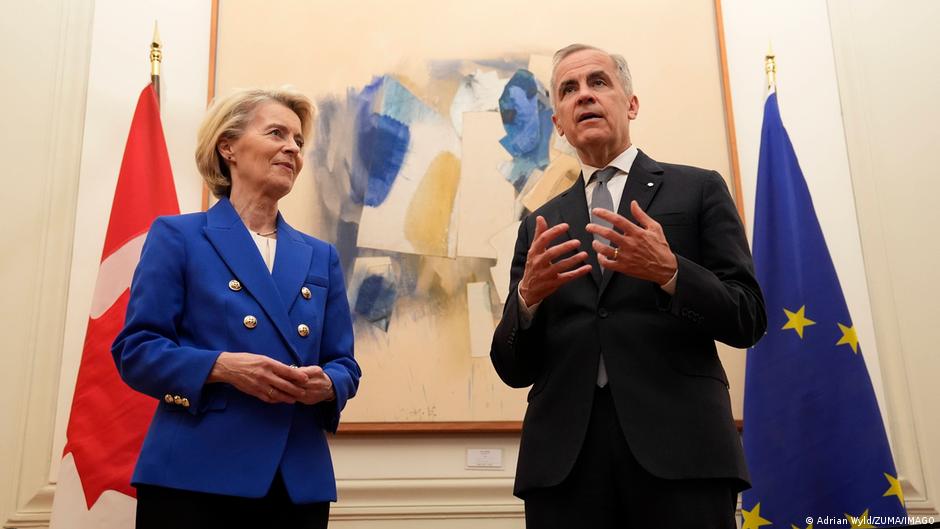
The US has imposed 50% tariffs on Canadian imports, affecting cross-border trade and potentially disrupting fintech, digital payments, and e-commerce between the two countries.

Hungary’s veto on key EU negotiation clusters delays Ukraine’s integration into digital economy frameworks, affecting fintech, payments, and cybersecurity progress.

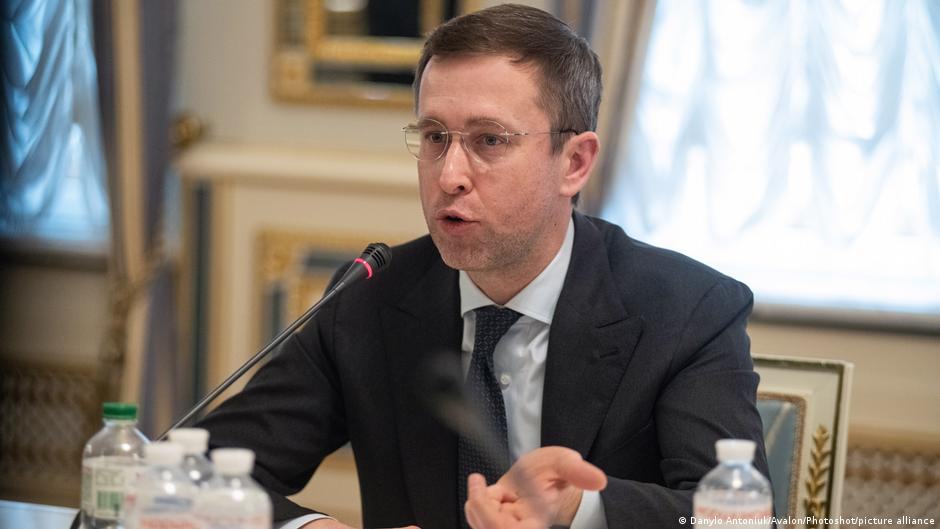
Ukraine's parliament is set to approve Sergey Koretsky as the new Prime Minister, marking a significant government reshuffle with implications for the digital economy and energy sectors.

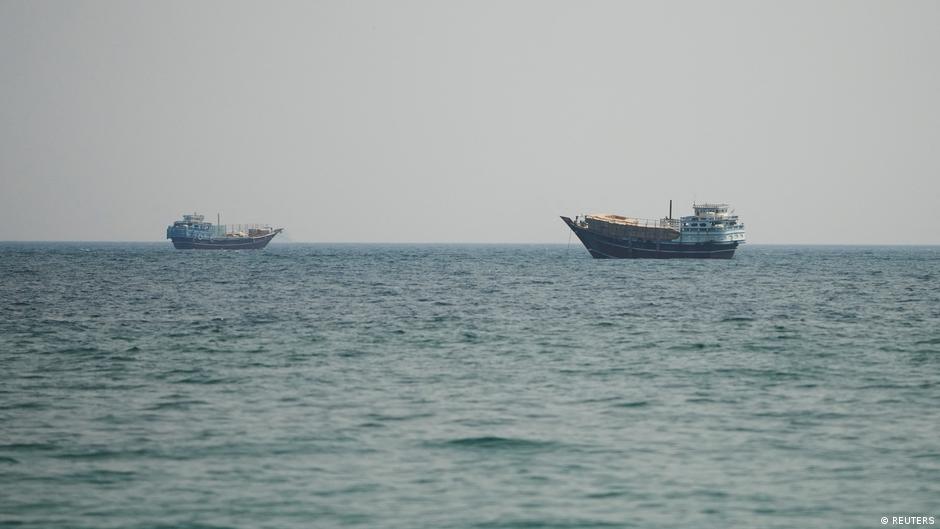
The US is advancing plans to restore an Iraq-Syria oil pipeline bypassing the Strait of Hormuz, aiming to reduce Iran's influence and reshape regional energy routes.
Former Spanish PM Mariano Rajoy's comments on France's football team sparked a digital backlash, highlighting challenges for reputational management in the fintech age.

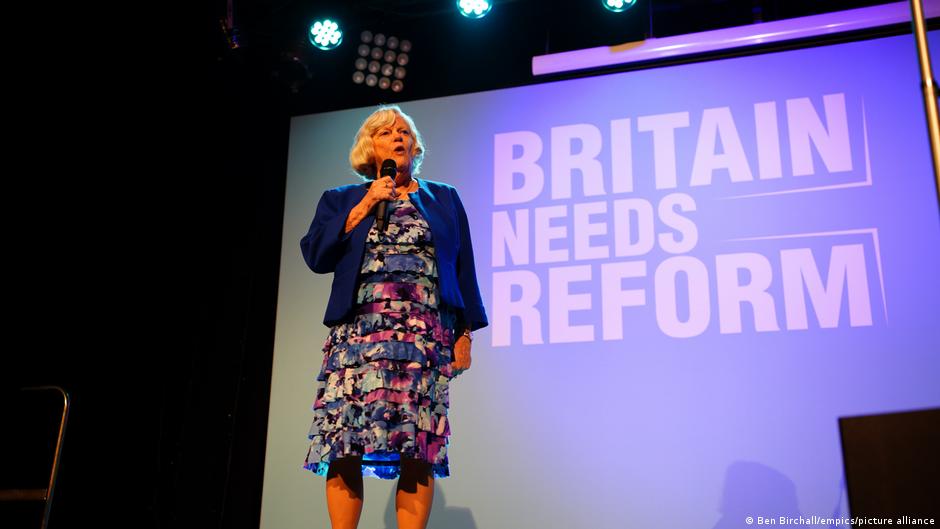
Ann Widdecombe, former UK MP and Reform UK speaker, was murdered; police do not suspect political motives. The case raises concerns about political security and digital safety.

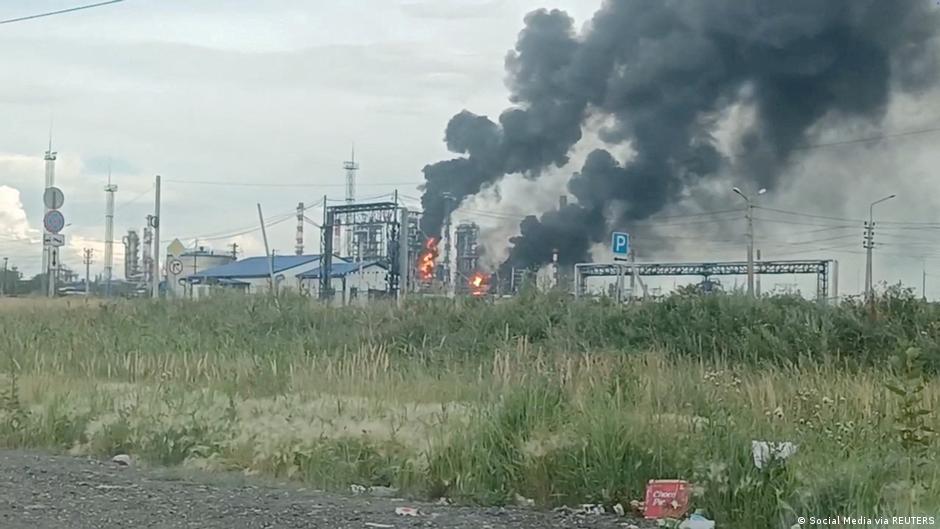
The Saratov oil refinery in Russia has ceased operations after drone attacks damaged key processing units, intensifying fuel shortages and impacting the digital economy.

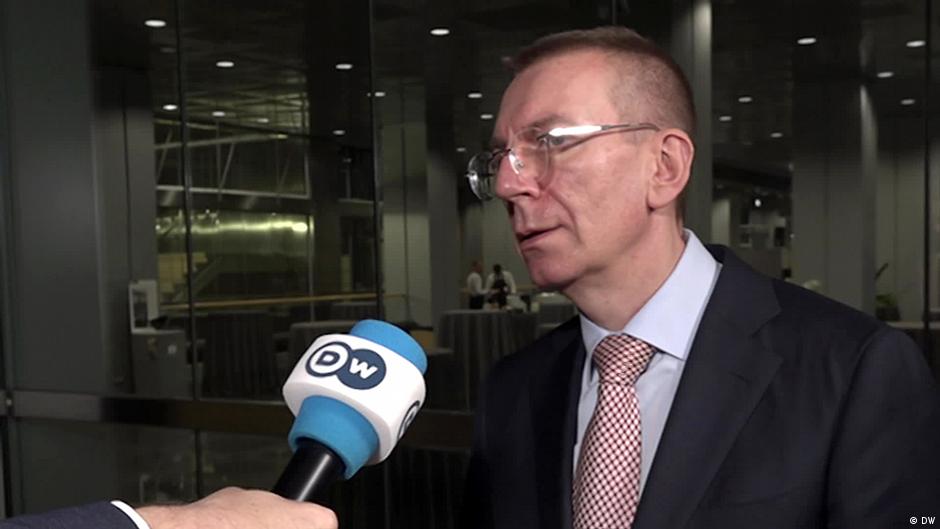
Latvian President Edgars Rinkēvičs urges NATO to prepare for possible escalation with Russia, highlighting the need for stronger military capabilities and US partnership.

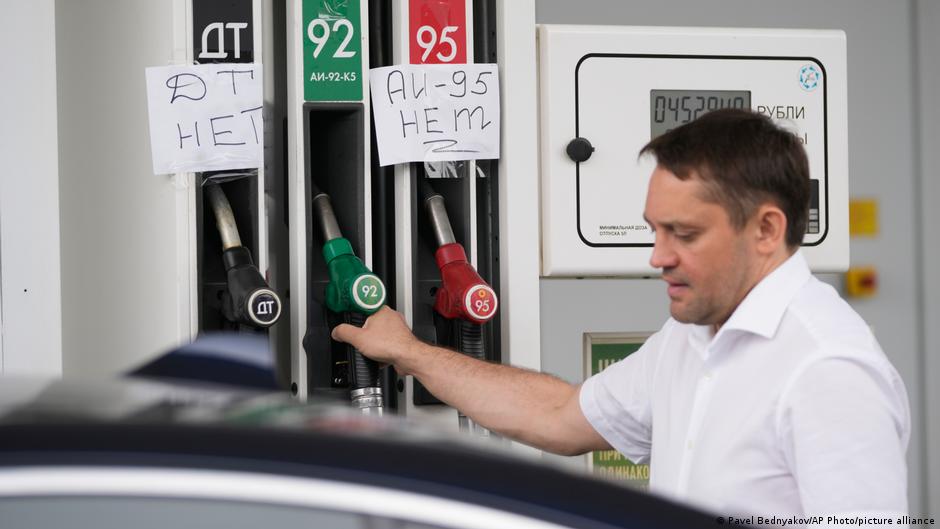
Russia authorizes use of higher-sulfur Euro-3 fuels domestically until 2026 to address supply disruptions caused by attacks on refineries, excluding exports to EAEU states.
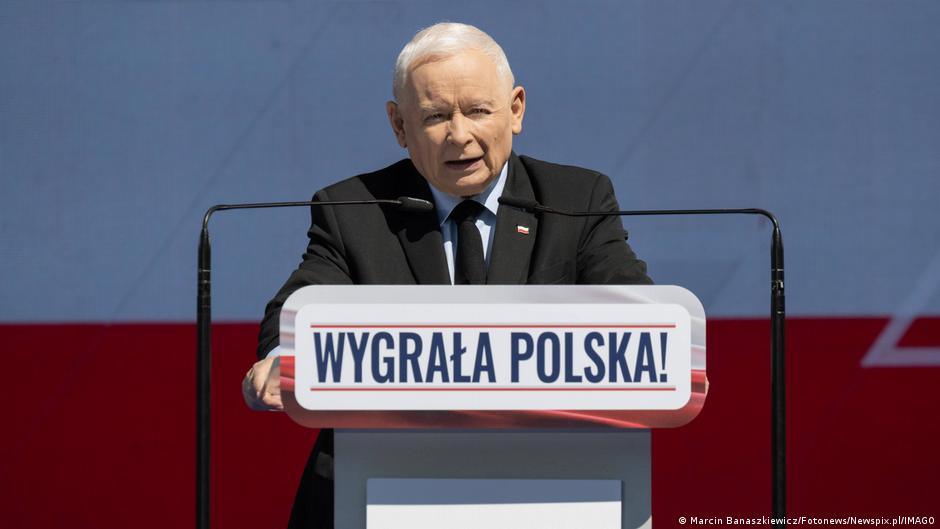
Polish opposition leader Jarosław Kaczyński urges blocking Ukraine's EU accession, citing diplomatic tensions and domestic political concerns amid ongoing regional challenges.

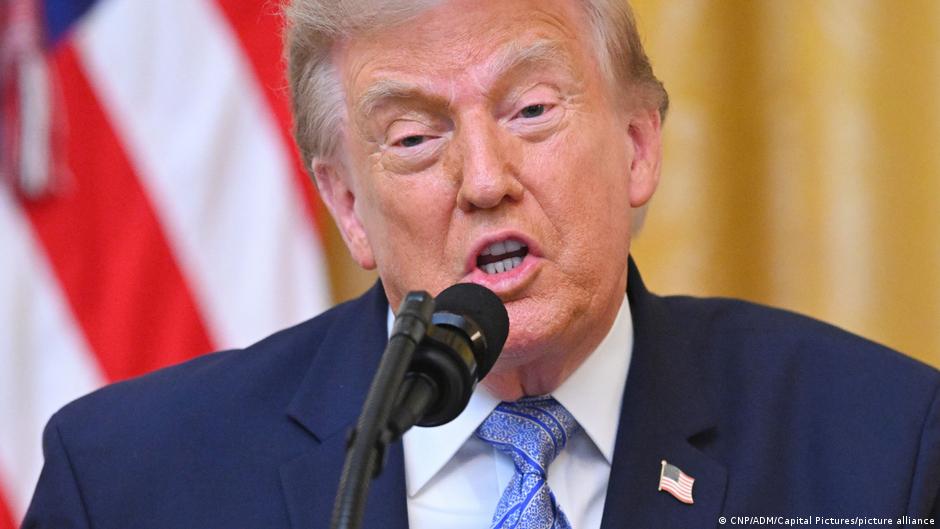
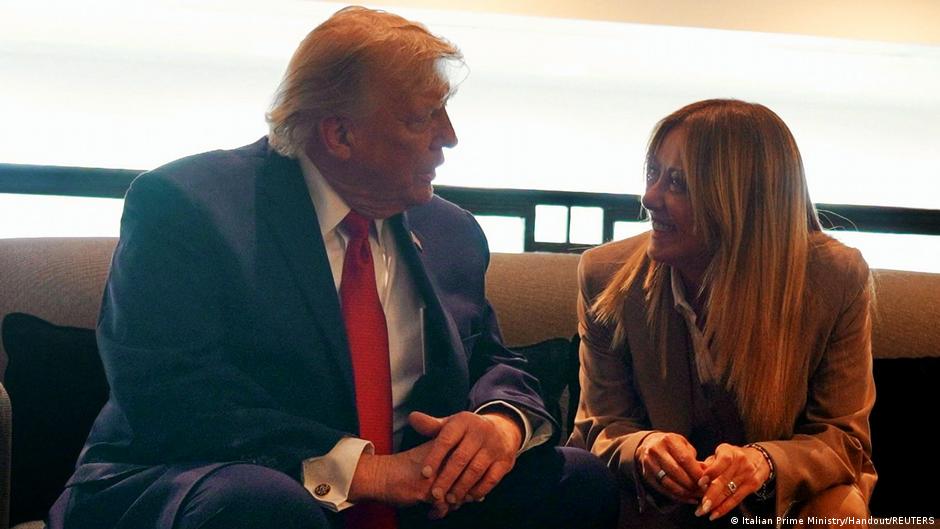
Italy's Foreign Minister Antonio Tajani cancels US visit after President Trump's offensive remarks about PM Meloni, raising concerns over impacts on transatlantic fintech and innovation cooperation.

US intelligence warns that Israeli Prime Minister Netanyahu may try to disrupt the US-Iran deal, raising concerns about regional stability and potential impacts on fintech and digital economy sectors.

US envoy Stephen Whitlock arrives in Switzerland to resume Iran nuclear deal talks amid regional conflicts affecting financial and digital economy prospects.

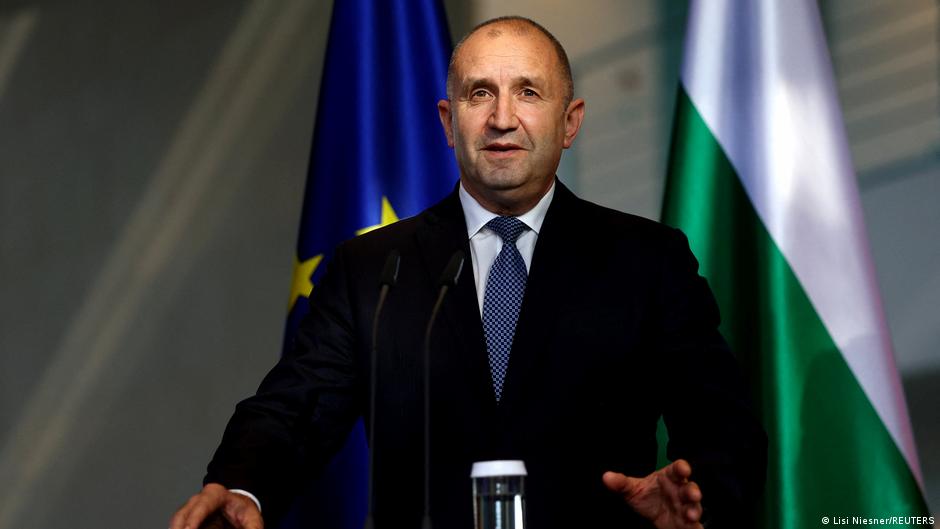
Bulgaria plans to veto new EU sanctions on Russia due to economic risks and opposition to sanctions against Patriarch Kirill, raising concerns about energy and supply chain impacts.

The EU agrees to extend sanctions on Russia for one year, increasing pressure on energy and finance sectors, with implications for fintech, cybersecurity, and digital payments.

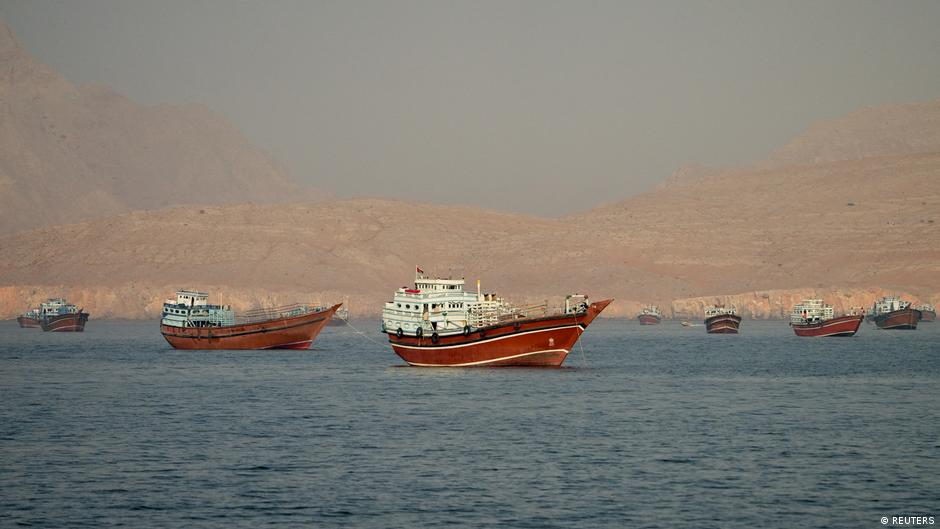
Pakistan announces the Strait of Hormuz will reopen immediately following a US-Iran peace deal, signaling shifts in global trade and fintech opportunities.

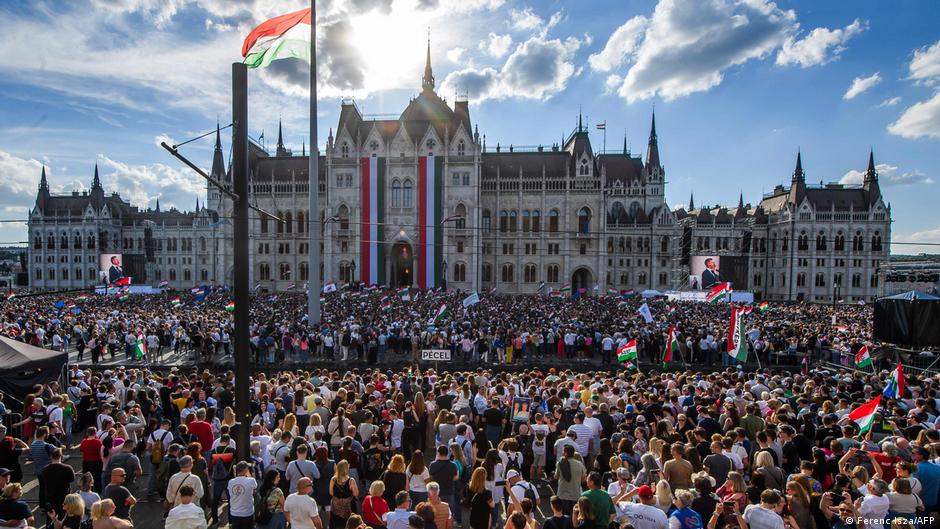
Hungary limits prime minister terms to two four-year periods, preventing Viktor Orbán’s return and impacting political dynamics in fintech and digital economy sectors.

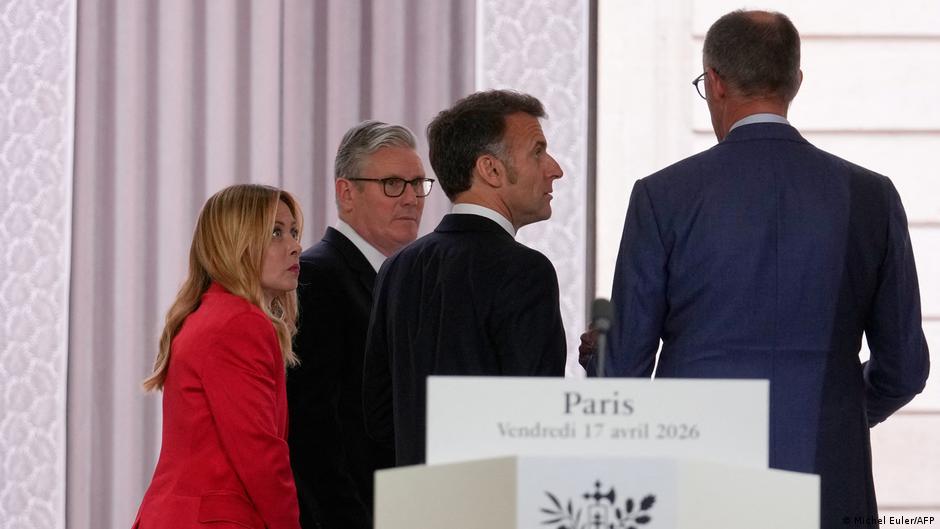
France, Germany, UK, and Italy endorse the US-Iran peace deal, stressing rapid implementation, nuclear non-proliferation, and restoring fuel supply through the Strait of Hormuz.

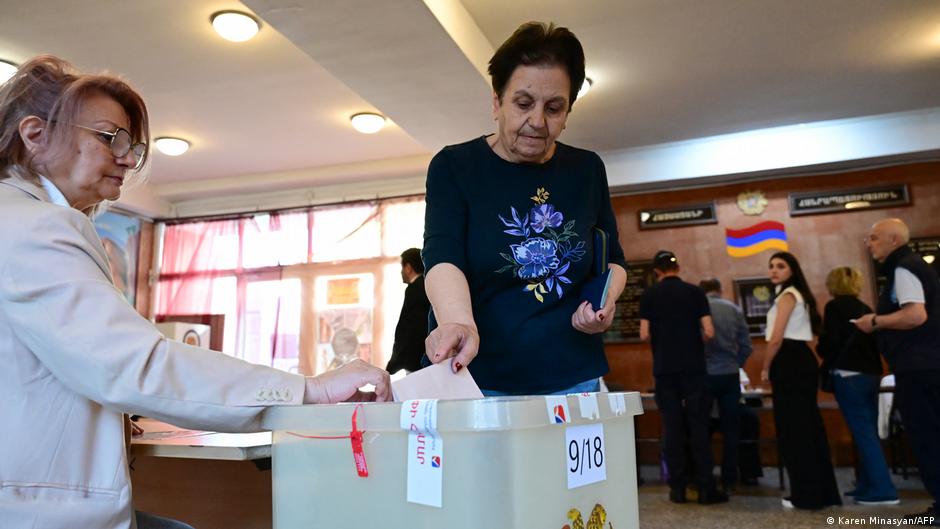
Armenia's Central Electoral Commission conducted a recount on 637 polling stations after opposition complaints, adjusting vote totals for major political blocs ahead of final results.

Reports claim UAE will unfreeze billions in Iranian oil funds to reduce regional attacks, though the UAE denies this; diplomatic talks suggest nearing peace.

Germany pledges an additional €300 million to support the Czech initiative supplying 50,000 rounds of ammunition to Ukraine amid fewer NATO donors.

Ukrainian President Zelensky held a positive discussion with US envoys, signaling intensified diplomatic efforts to end the Russia-Ukraine war amid broader economic and security implications.

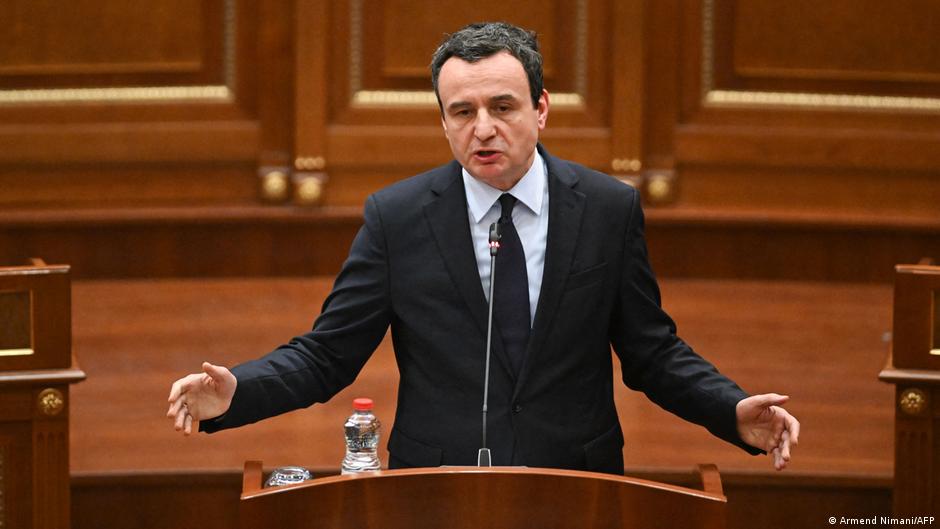
Kosovo’s Vetëvendosje party wins snap elections with 43%, but must form a coalition amid political instability affecting digital economy reforms and fintech development.

Armenia’s recent parliamentary elections reinforce Prime Minister Pashinyan’s EU-oriented agenda, with major implications for the country’s fintech, digital banking, and cybersecurity sectors.

Russian drone attacks over Kyiv and eastern Ukraine raise alarm over impacts on fintech, digital banking, and cybersecurity amidst ongoing conflict.

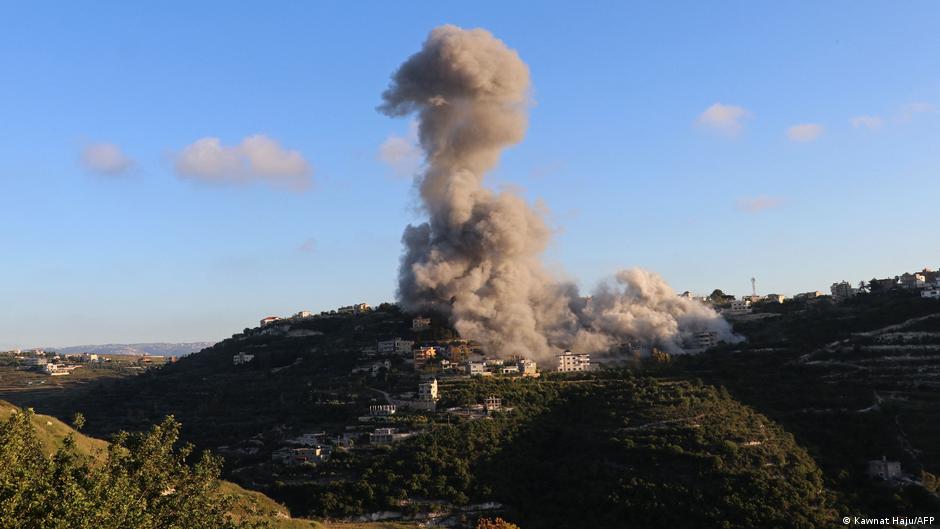
Donald Trump harshly criticized Israeli PM Netanyahu over Lebanon strikes, highlighting risks to regional stability and US diplomatic efforts amid escalating conflict.

Russia plans 1-2 month export restrictions on diesel and jet fuel amid refinery shutdowns caused by Ukrainian drone attacks, impacting fuel markets and digital economy sectors.

Violent clashes erupted in Belgrade during student protests against the Serbian government, raising concerns over political stability and its impact on the digital economy and fintech sector.

Ukraine and European leaders discuss enhanced diplomatic efforts and defense support to end Russia's war, highlighting shifts in geopolitical and digital economic dynamics.

Hungary reinstates its ban on Ukrainian agricultural imports after a procedural error led to its lapse, affecting regional trade and fintech payment ecosystems.

EU and US condemn Israeli minister's video humiliating detained Gaza flotilla activists, raising ethical and diplomatic concerns over digital media use in conflict.

EU's top diplomat Kaja Kallas warns Russia, China, and the US employ divide-and-rule tactics to weaken EU unity, posing risks to fintech, digital banking, and cybersecurity integration.

Two major London rallies on May 16 exposed social divides that may influence the UK's fintech sector through regulatory, cybersecurity, and investment channels.
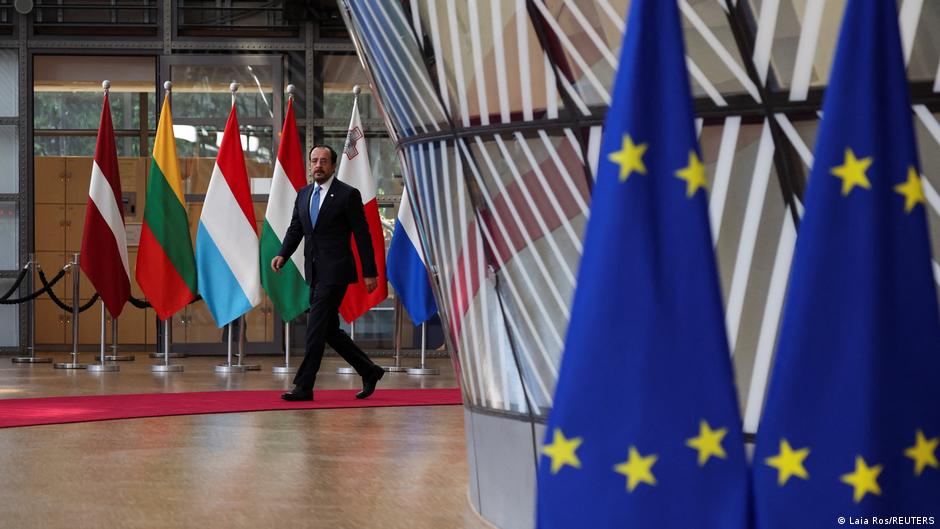
The UK plans an £18 billion defense budget increase, impacting fintech, cybersecurity, and tech sectors amid political challenges facing PM Starmer.

Latvia's ruling coalition collapses after Defense Minister resigns, raising concerns about governance stability and implications for fintech, cybersecurity, and digital economy policies.

Latvian Defense Minister resigns after drone incursions linked to Ukraine expose vulnerabilities in national airspace security and raise concerns for digital defense strategies.

Putin names Gerhard Schröder as preferred EU negotiator on Ukraine, signaling potential shifts in diplomatic and economic landscapes affecting fintech and digital markets.

Poland has signed a €43.7 billion EU loan agreement under SAFE to modernize its defense forces and enhance cybersecurity, despite earlier presidential veto concerns.

The UK plans to join an EU €90 billion loan program for Ukraine, enhancing defense cooperation and fintech integration between London and Brussels.

Moscow's May 9 Victory Day parade will exclude military vehicles for the first time in years due to security concerns, reflecting operational shifts amid ongoing regional tensions.

King Charles III visits the US amid geopolitical tensions, aiming to restore US-UK ties while economic and security concerns impact fintech and defense sectors.