Foreign Investment in Germany Jumps to 86 Billion Euros in 2025
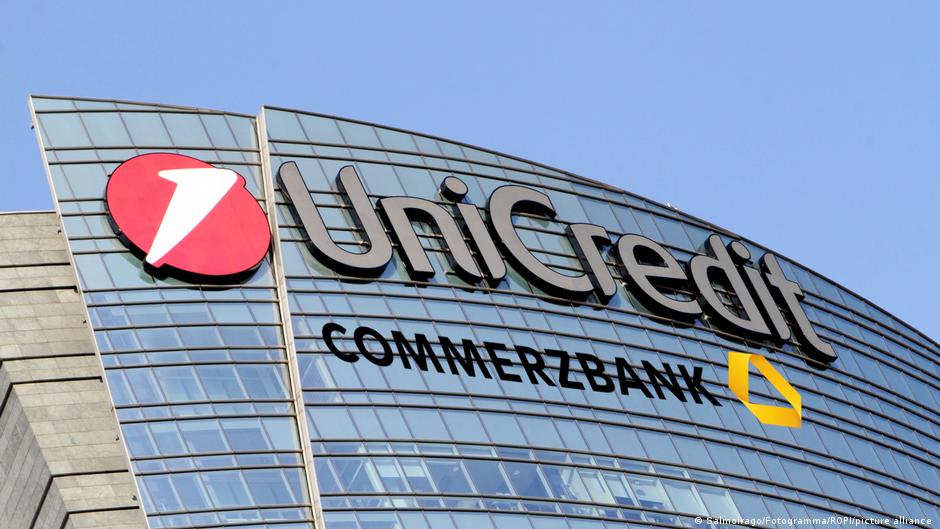
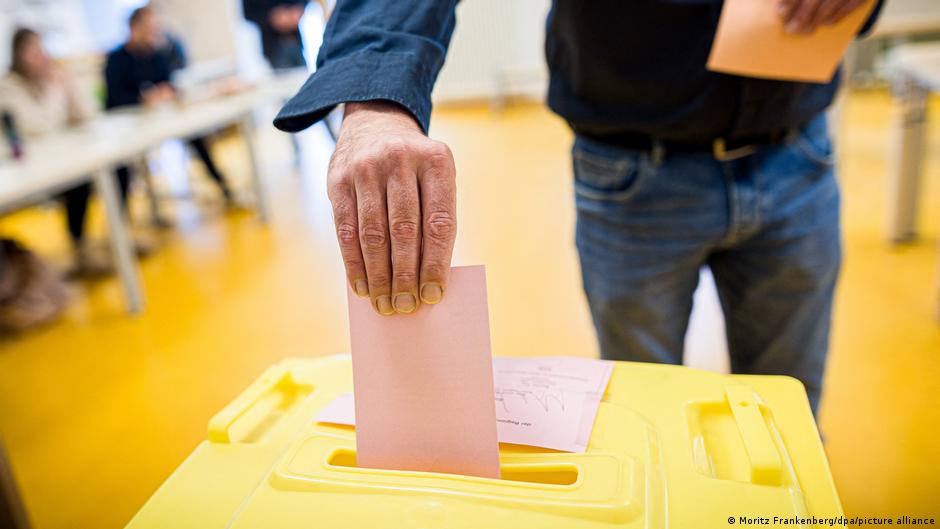
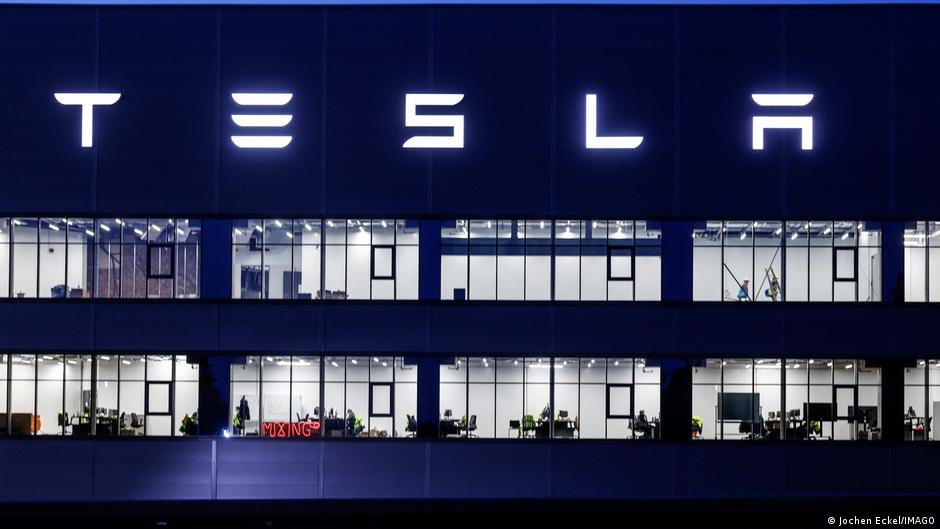
Foreign investment in Germany rose 50% to 86 billion euros in 2025, led by Britain and EU investors as US capital sharply declined.

Foreign investment in Germany rose 50% to 86 billion euros in 2025, led by Britain and EU investors as US capital sharply declined.

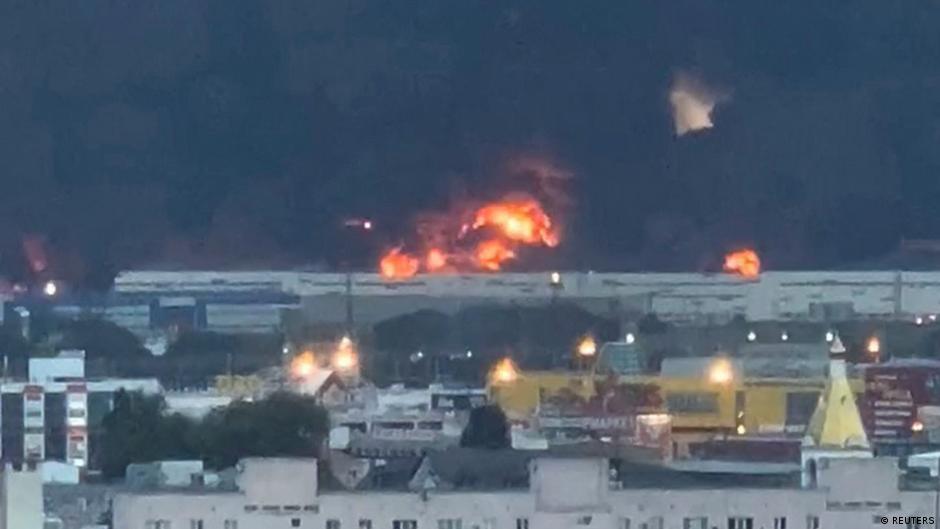
Drone attacks on Ozon’s logistics centers in Krasnodar and Stavropol caused fires, casualties, and disrupted operations, spotlighting physical security challenges in Russia's digital economy.

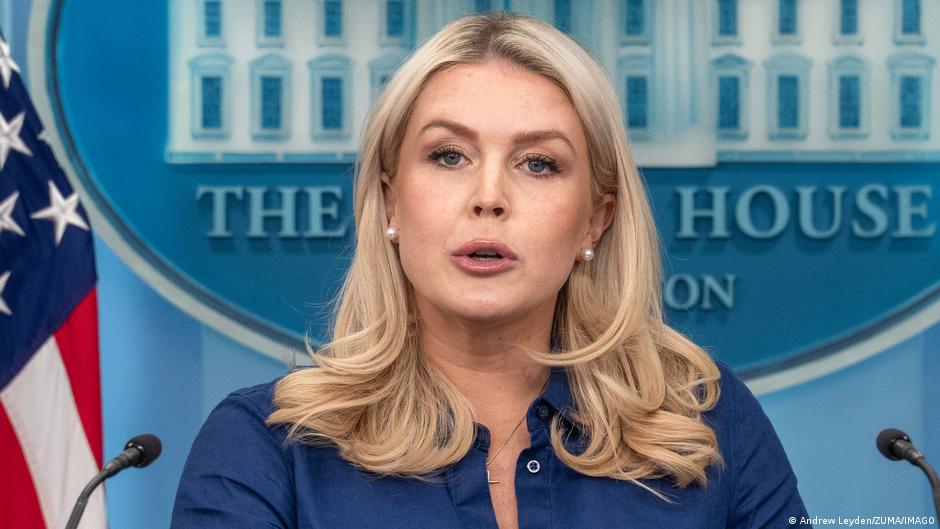
Caroline Leavitt resigns as White House Press Secretary to focus on family, prompting notable shifts in political communication during a critical period for digital economy policies.

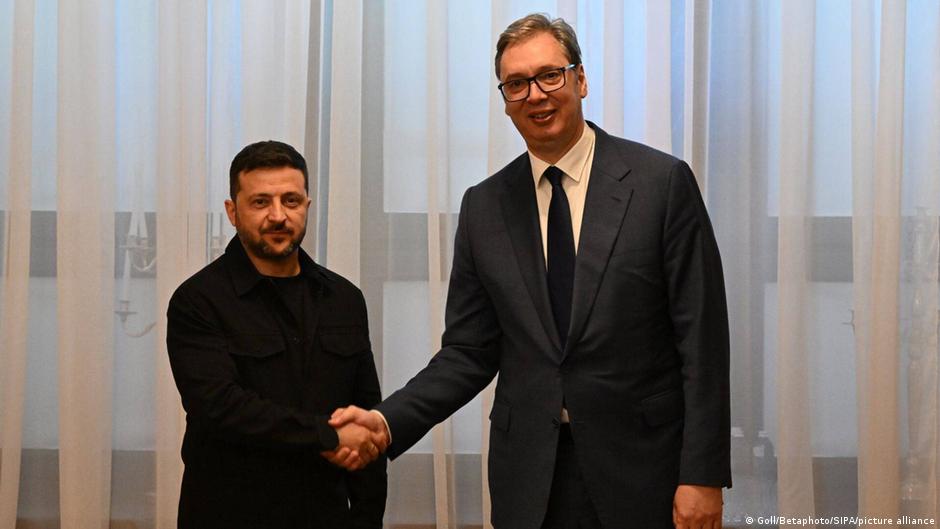
Ukrainian and Serbian presidents met in Belgrade to discuss economic ties, energy cooperation, and security, signaling potential fintech and digital economy collaboration.

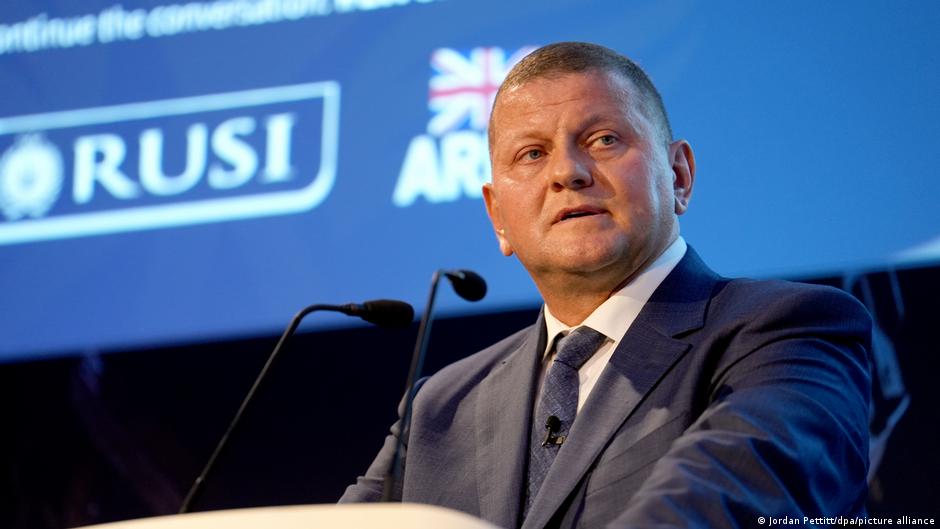
Former Ukrainian general Valeriy Zaluzhnyi says Ukraine will not join NATO but seeks advanced defense tech and new security alliances like the Joint Expeditionary Force.

Major Russian banks face global browser access issues as foreign certification authorities revoke security certificates, pushing reliance on domestic browsers and raising cybersecurity concerns.
Uzbekistan launches a national navigation system and unified digital platform to enhance fintech, public administration, and digital infrastructure, aiming to boost IT exports and startup growth.

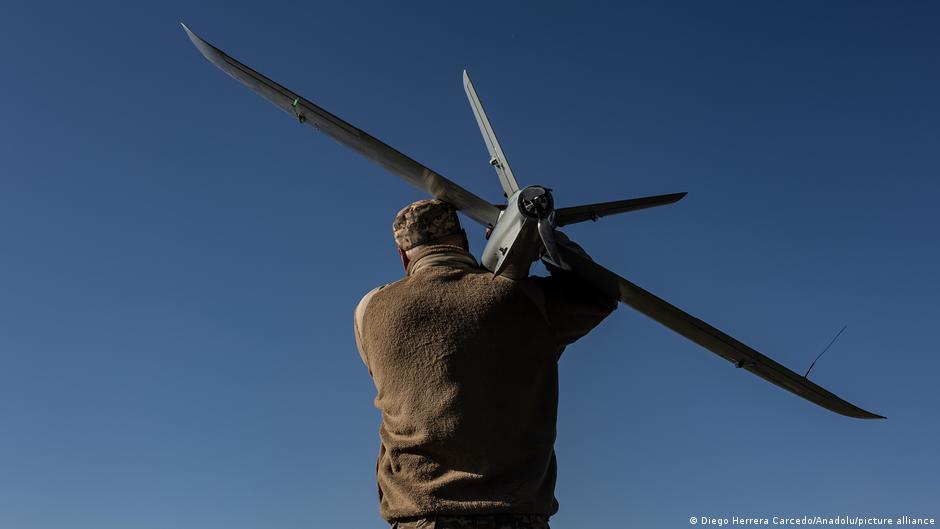
CIA Director John Ratcliffe highlights how AI-powered drones drastically cut Russian soldier survival times in Ukraine, reshaping warfare and defense tech investment landscapes.

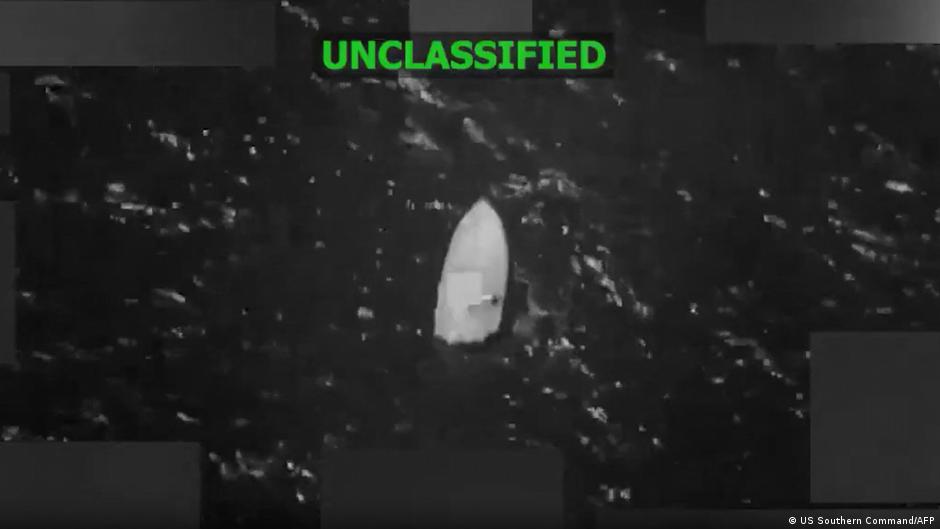
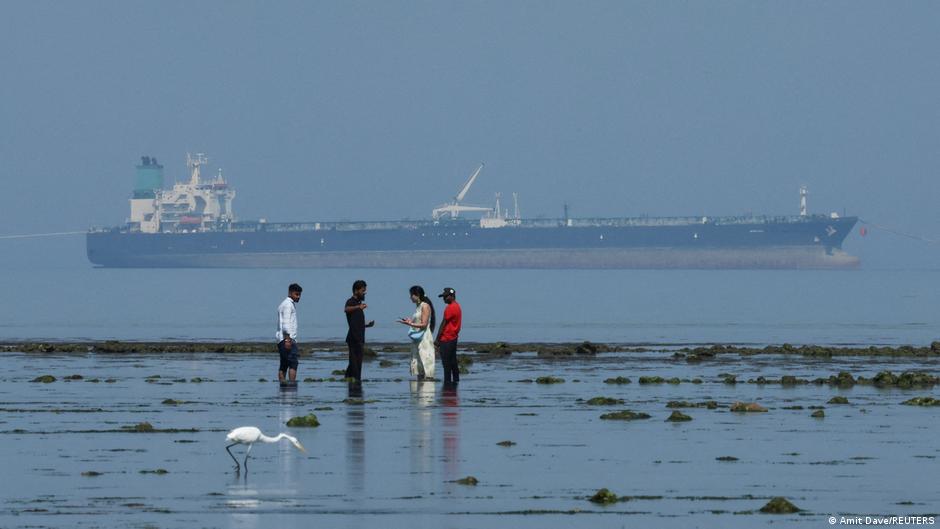
US military strikes on Iran escalate tensions, impacting maritime security, digital payments, and fintech sectors amid enforced maritime blockades and retaliatory attacks.

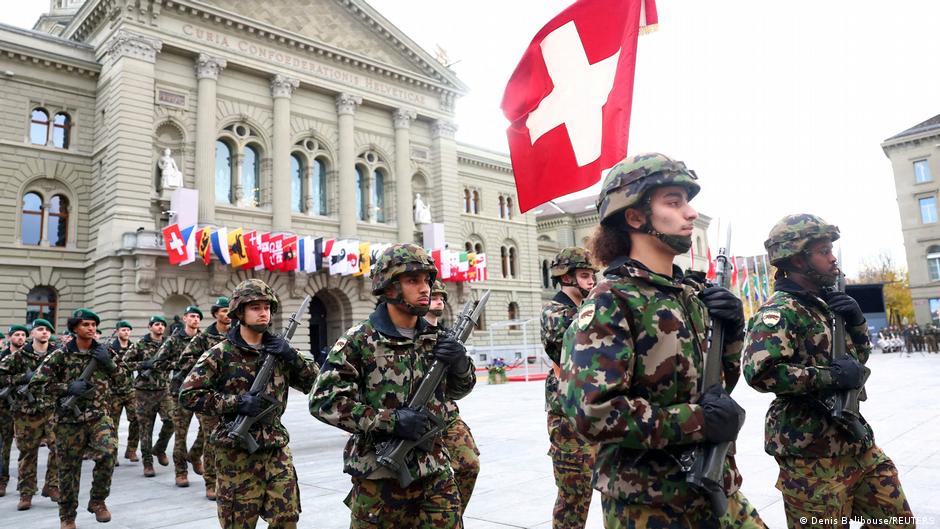
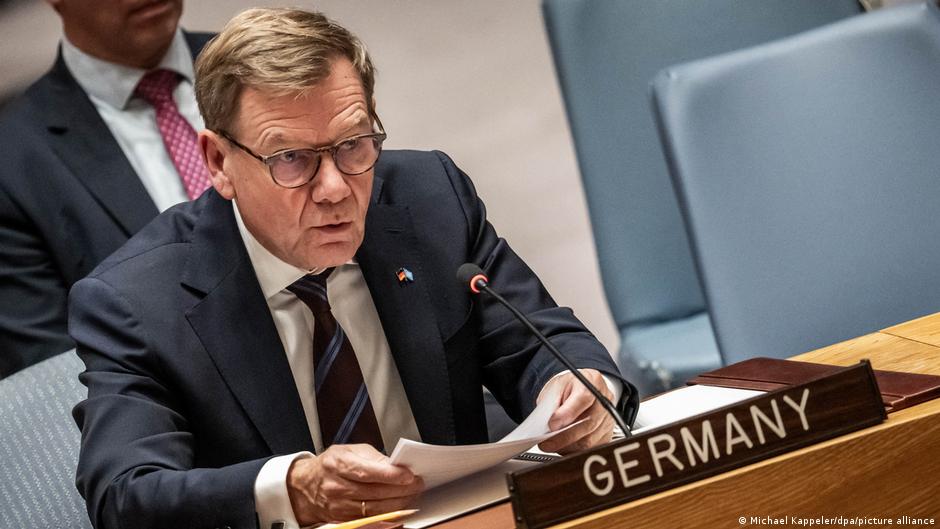
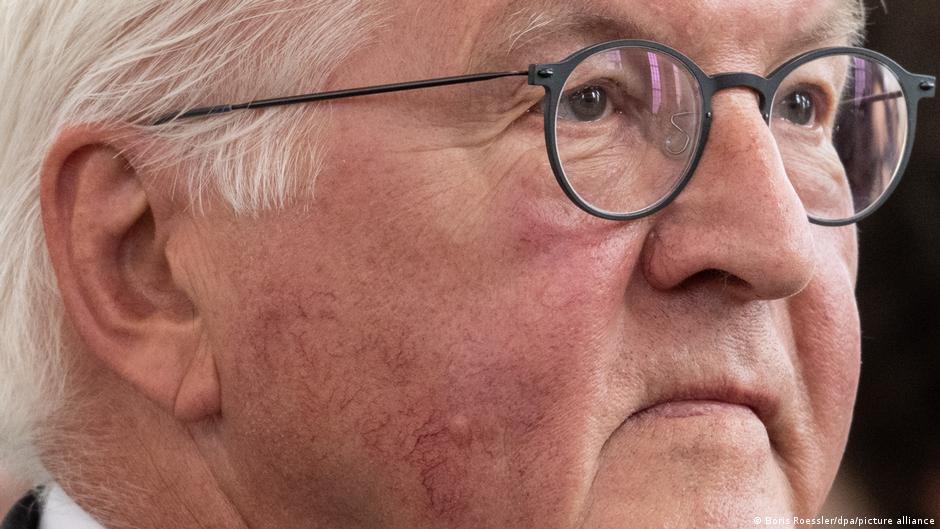
German President Steinmeier urges Europe to uphold international order amidst geopolitical challenges, emphasizing the impact on digital economy, fintech, and cybersecurity.

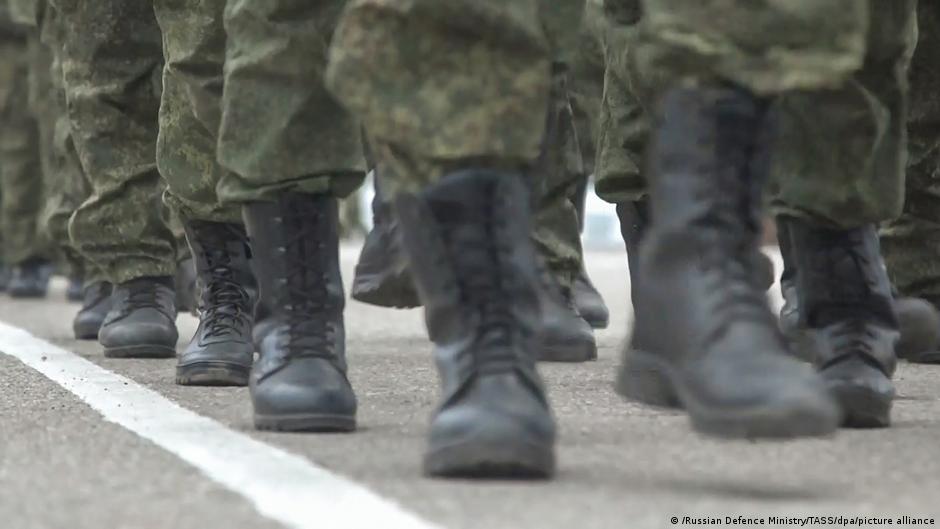
Russia proposes ending mandatory medical exams for contract soldiers, reflecting recruitment struggles amid ongoing conflict and raising questions about military digital monitoring.

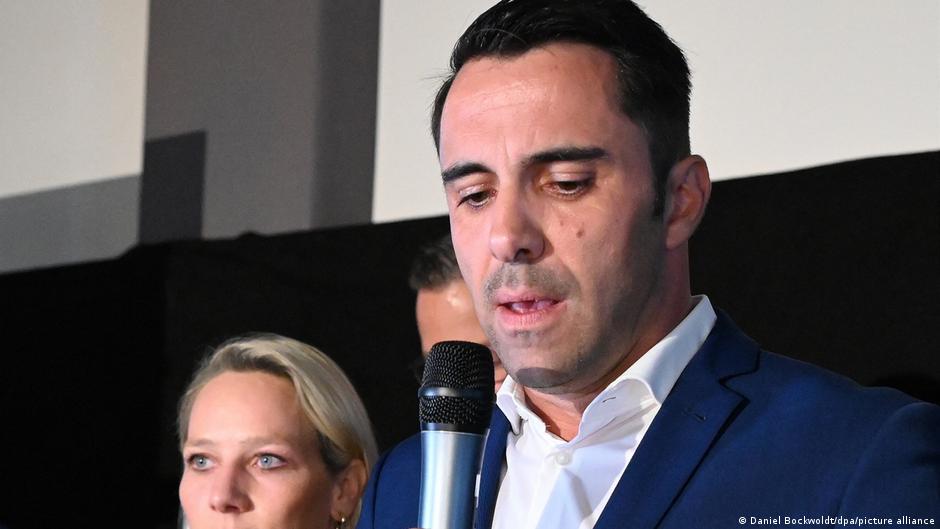
The Communist Party of Austria wins Graz municipal elections, emphasizing housing policy and moderate governance, highlighting local political trends impacting urban fintech and digital economy sectors.

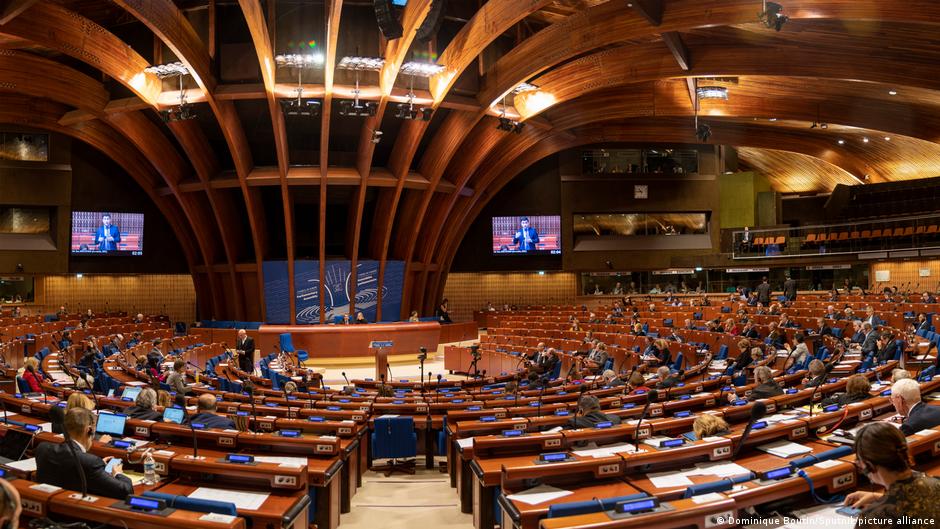
The Council of Europe’s Parliamentary Assembly criticized Georgia for democratic backsliding and urged reforms amid political tensions affecting governance and the digital economy.

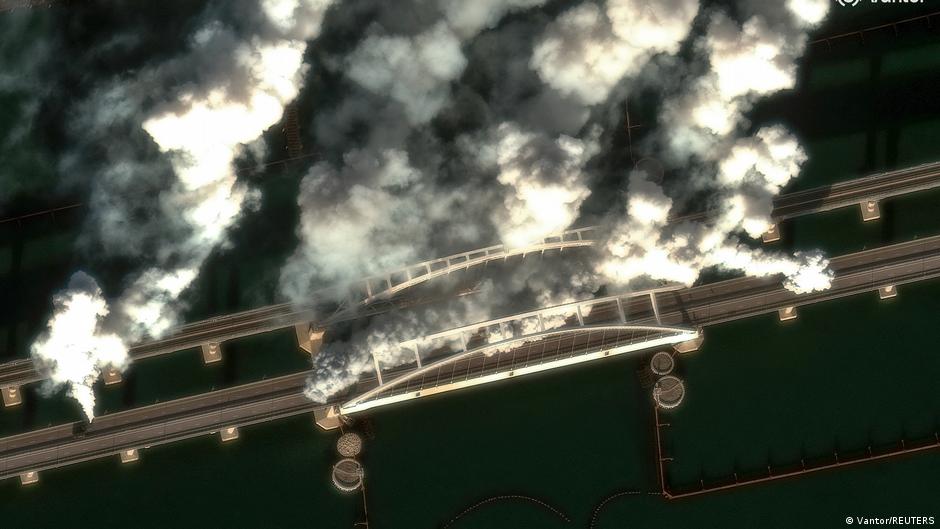
A drone attack on the Poltava oil depot near Krasnodar caused fires and highlighted vulnerabilities in regional energy infrastructure affecting fintech and digital economy stability.

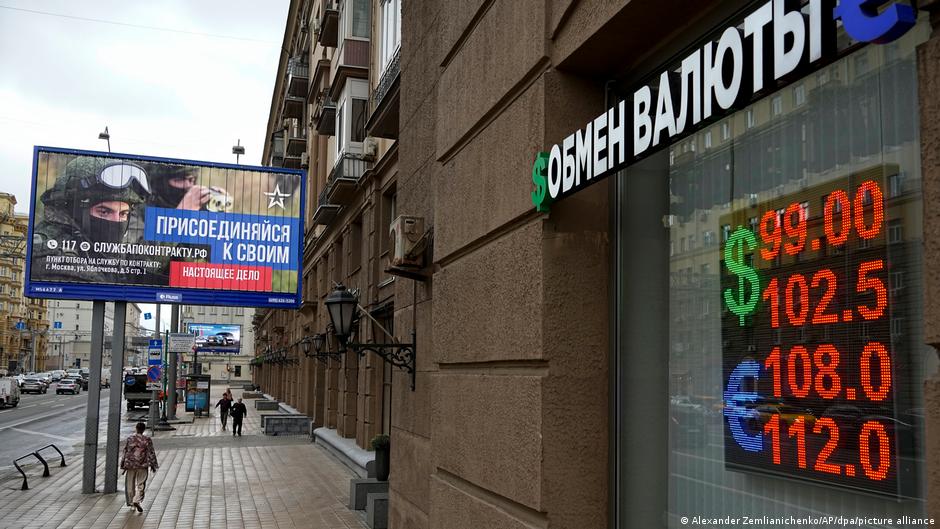
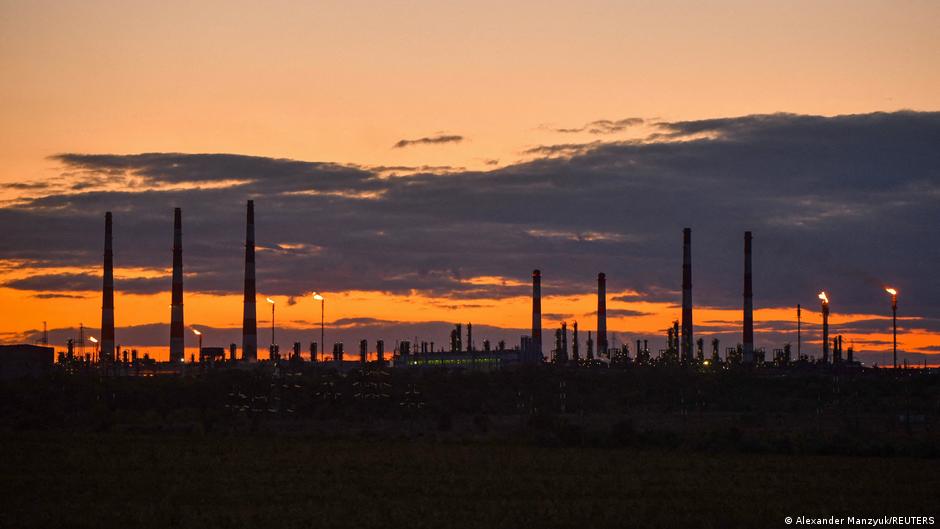
Russia imposes fuel purchase limits in 53 regions due to refinery attacks, disrupting oil production and challenging digital payment systems linked to fuel sales.

Coordinated drone attacks caused fires at Russian chemical plants and residential sites, revealing heightened threats to industrial infrastructure and prompting broad security responses.

Rosneft advisor predicts decades-long conflict for Russia, emphasizing the need for economic and digital security upgrades amid rising biowarfare and cyber threats.

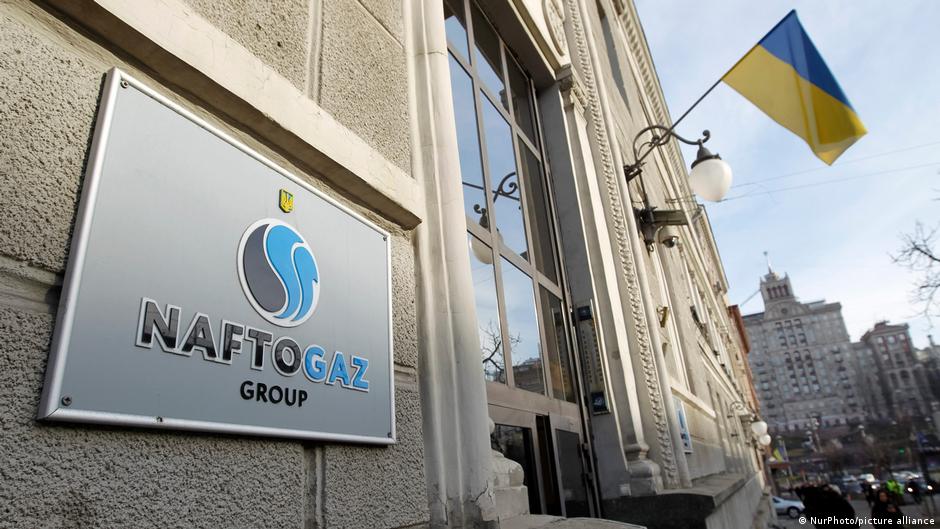
Finland has seized €3.7 million in Russian assets following Ukraine's Naftogaz efforts to enforce a $5 billion arbitration award related to seized Crimean property.

The UK has authorized indefinite imports of diesel and kerosene refined from Russian oil in third countries, easing sanctions to stabilize fuel supplies amid rising energy costs and geopolitical tensions.

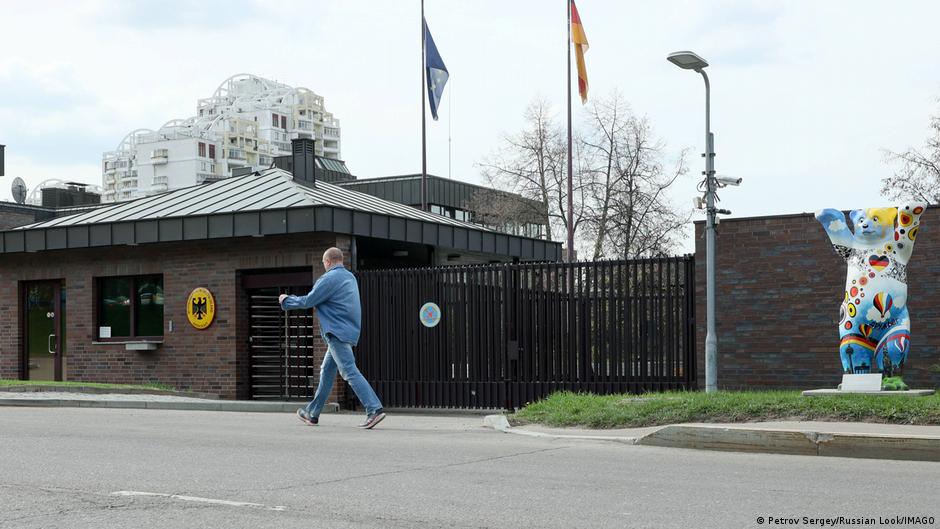
Moscow has approved Clemens von Goetze as the new German ambassador amid heightened Russia-Germany tensions affecting fintech and digital economy relations.

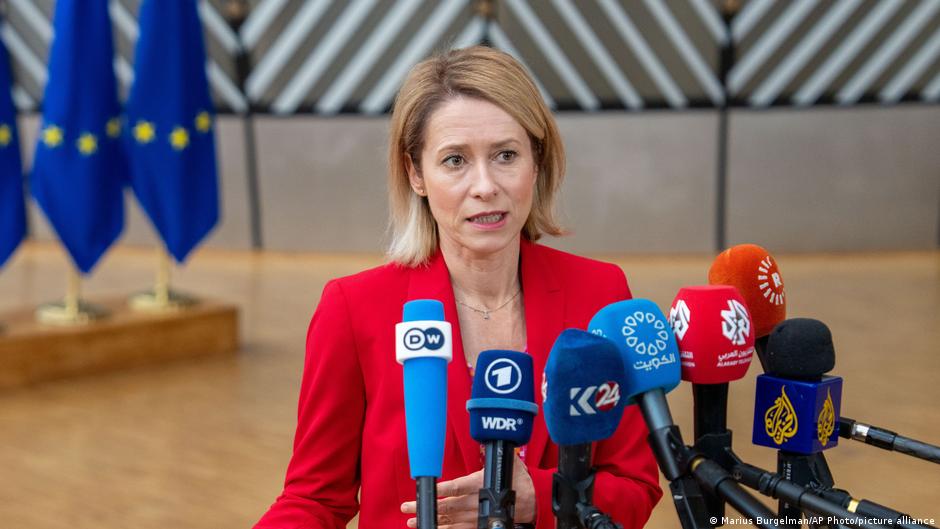
EU's top diplomat Kaja Kallas warns Russia, China, and the US employ divide-and-rule tactics to weaken EU unity, posing risks to fintech, digital banking, and cybersecurity integration.

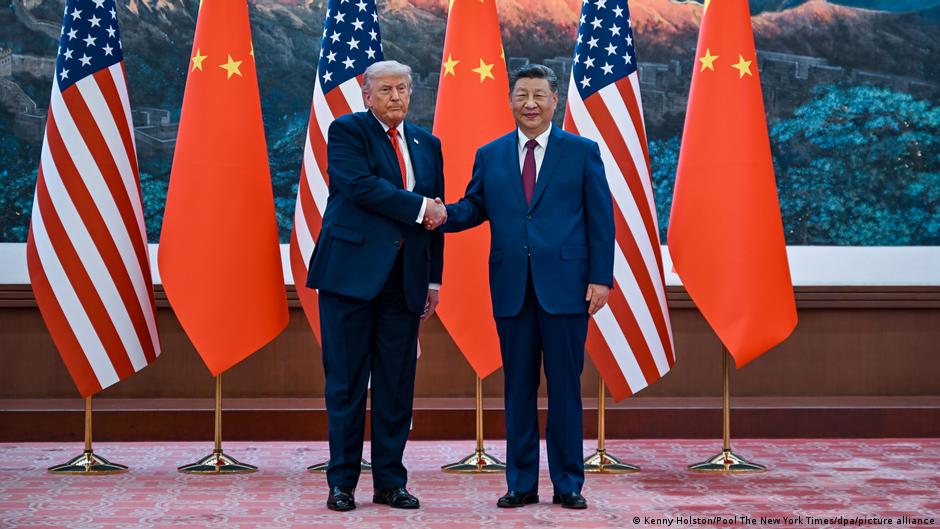
Trump's Beijing visit with Xi Jinping focuses on trade, energy security, and tech cooperation, influencing global fintech and digital economy sectors.

Ukraine offers NATO advanced long-range drones and missile systems to fill strategic gaps following shifts in missile deployments, deepening defense tech collaboration with Germany.

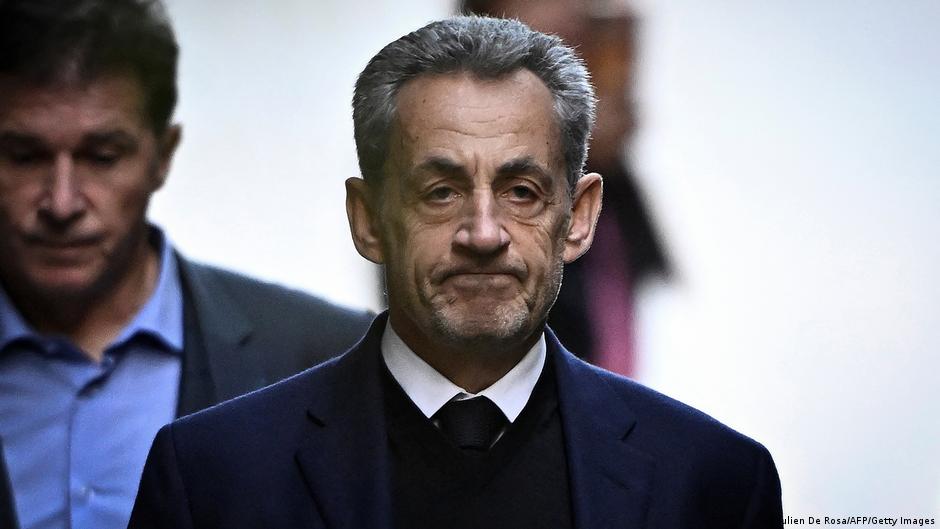
Nicolas Sarkozy has been conditionally released early in a case involving 2012 campaign finance overspending, highlighting legal and digital monitoring developments.

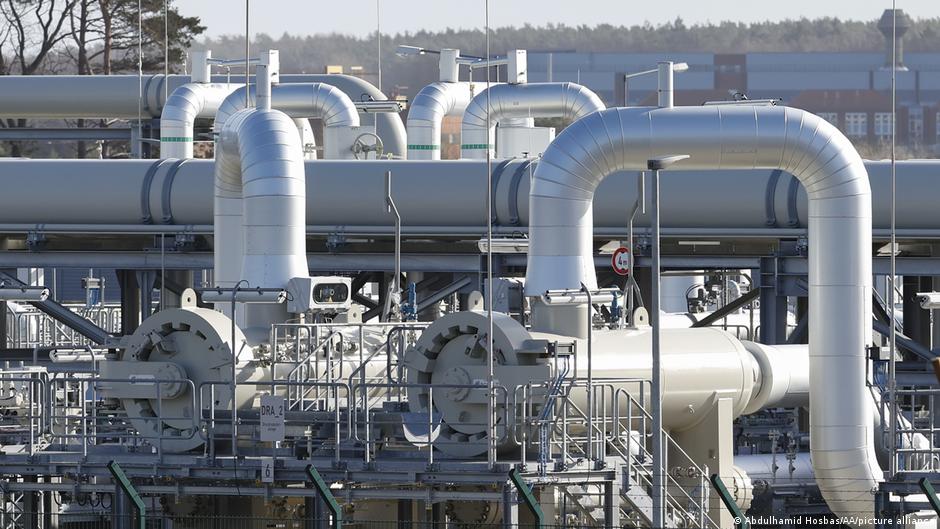
Germany will transfer a gas-fired power plant from the Nord Stream pipeline site to Ukraine as humanitarian aid, supporting Ukraine's energy infrastructure amid the conflict.

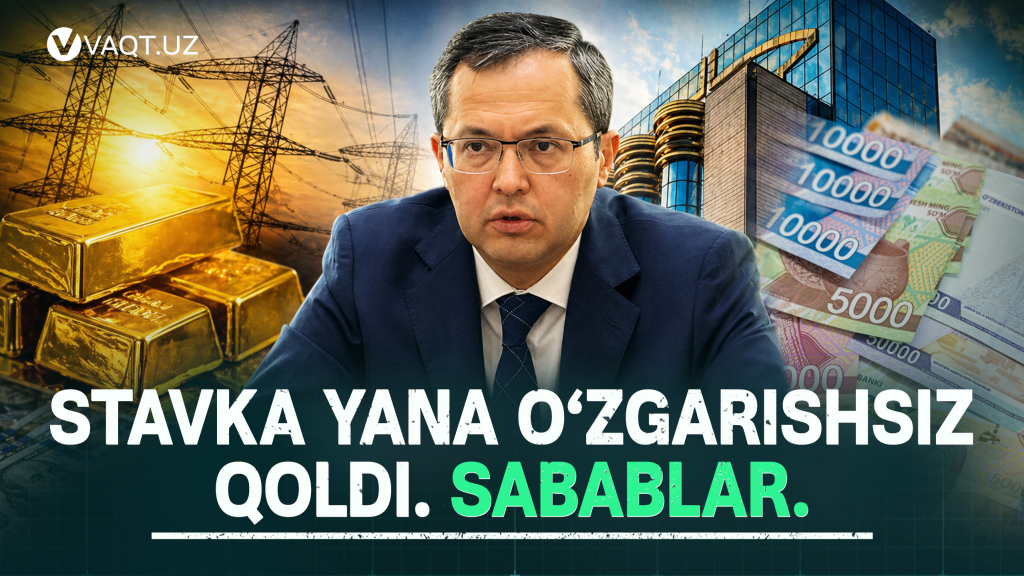
Uzbekistan's Central Bank holds the key interest rate at 14% due to ongoing food price inflation and external economic uncertainties despite overall inflation easing.

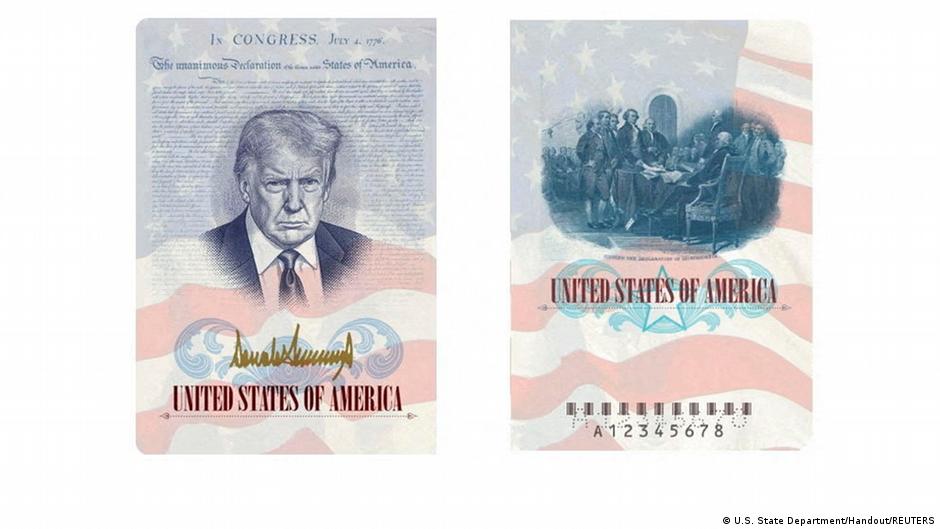
The US will issue special passports bearing President Trump's portrait to mark the 250th Independence anniversary, signaling new trends in digital identity and secure documentation.

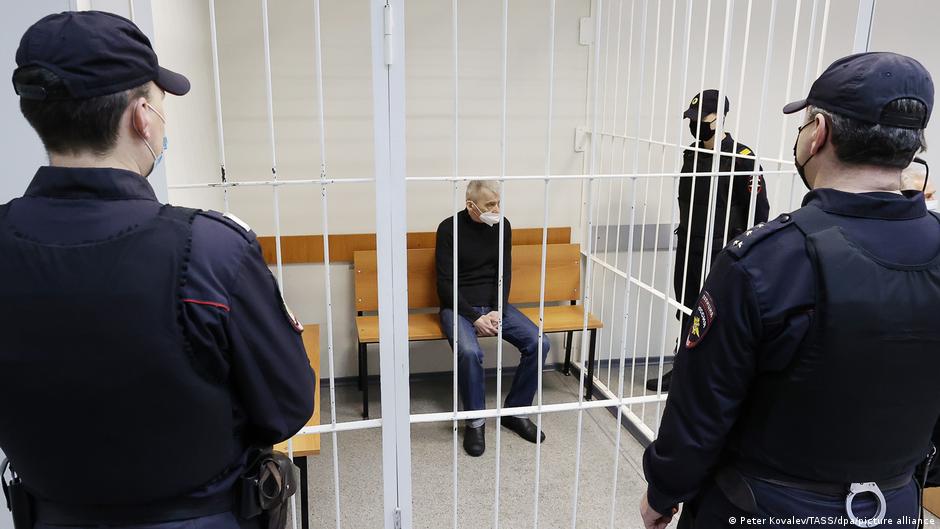
Two men accused of manipulating Russian stock prices via Telegram channels face judicial restrictions amid an investigation into illicit earnings exceeding 28 million rubles.

Outgoing Hungarian PM Viktor Orban declines parliamentary mandate amid leadership changes and new government plans to reverse key policies affecting EU relations and digital economy prospects.

Uzbekistan's March car sales rose 19% month-on-month, boosting prospects for fintech growth in digital payments and auto financing sectors.

NATO intercepted Russian bombers and fighters over the Baltic Sea, highlighting regional security risks with potential impacts on digital banking, fintech, and cybersecurity.

Bulgaria’s Progressive Bulgaria coalition, led by ex-president Rumen Radev, leads elections with over 40% amid anti-corruption and judicial reform demands, impacting the digital economy landscape.

Uzbek banks report strong Q1 2026 profits and asset growth, fueled by diversified income streams and expanding loan portfolios amid rising market competition.
Uzbek and Afghan businesses sign $300M contracts at Herat forum, focusing on enhanced payment systems, logistics, and digital trade platforms.

The Trump administration wants GM, Ford and other manufacturers to help produce weapons, echoing WWII-era industrial mobilization.